
Before the word “autumn” existed, English speakers simply called this season “harvest”. The blunt acknowledgment that this was the season you gathered crops or starved. Later the Brits borrowed the more poetic term “autumn” from French/Latin, while Americans stuck with the plain-spoken “fall”.
Pop culture turned autumn from harvest into aesthetic. Pumpkin spice lattes, plaid scarves, orchard Instagram posts. We mock it. Then participate anyway.
Days shrink. Warmth disappears. Those beautiful leaves everyone photographs? Literally dying. Autumn’s beauty is inseparable from its transience. Same with autumn travel. You’re showing up for something that won’t be there in three weeks. The leaves will peak. Then fall. The window is short.
That urgency changes how you experience a place. You’re not visiting a destination. You’re catching a moment.
The Japanese have a word for it – momijigari – seeking red maple leaves like cherry blossoms. An entire cultural practice around appreciating beauty because it won’t last.
That’s what makes these ten autumn destinations worth the tight window. The colors aren’t a backdrop. They’re the reason you came.
1. Northeast USA (Vermont, New Hampshire & Adirondacks)
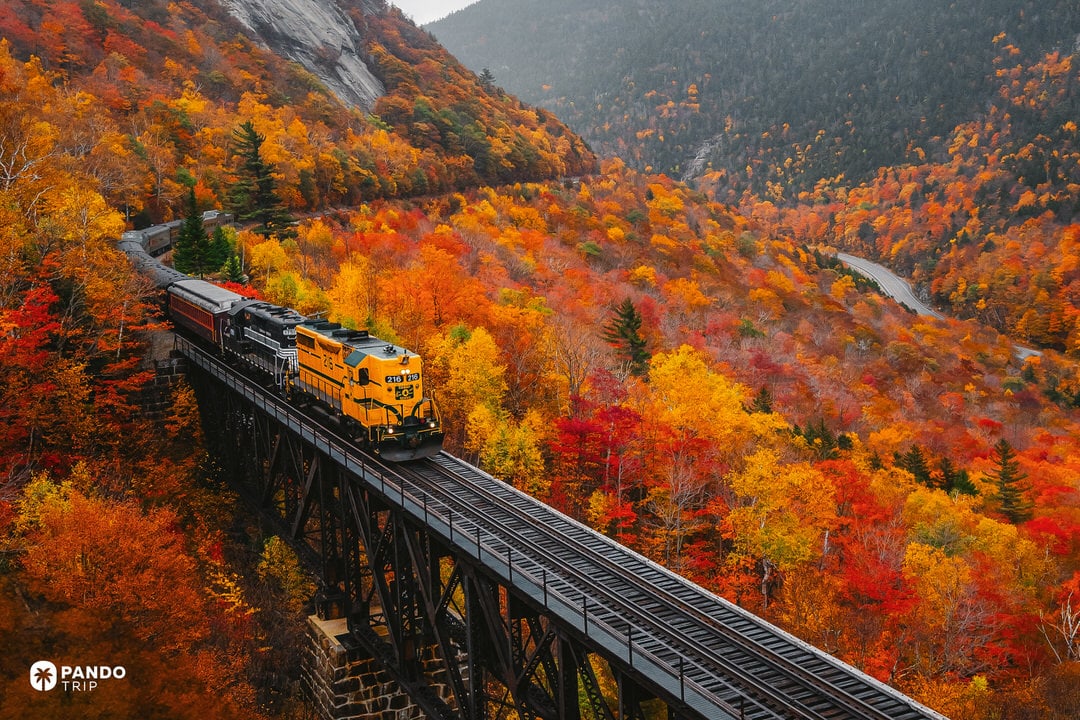
Every fall foliage postcard you’ve ever seen? Probably taken here.
New England is where America invented “leaf-peeping” and turned it into a regional obsession. Where people plan entire vacations around a two-week color window. Where autumn doesn’t just happen – it performs.
Vermont’s forests are over 50% sugar maple, the tree that produces those intense reds and oranges that look fake. New Hampshire’s White Mountains deliver sweeping vistas. Drive the Kancamagus Highway and try not to pull over every five minutes. The Adirondacks spread across 6 million acres, and in October every ridge burns with color.
But it’s not just the trees. White church steeples rising above crimson forests. Covered bridges framed by maples turning gold. Farm stands selling apple cider and maple candies that taste exactly like the season feels. Every wholesome fall activity from a Hallmark movie (the hayrides, the corn mazes, the apple picking) actually happens here.
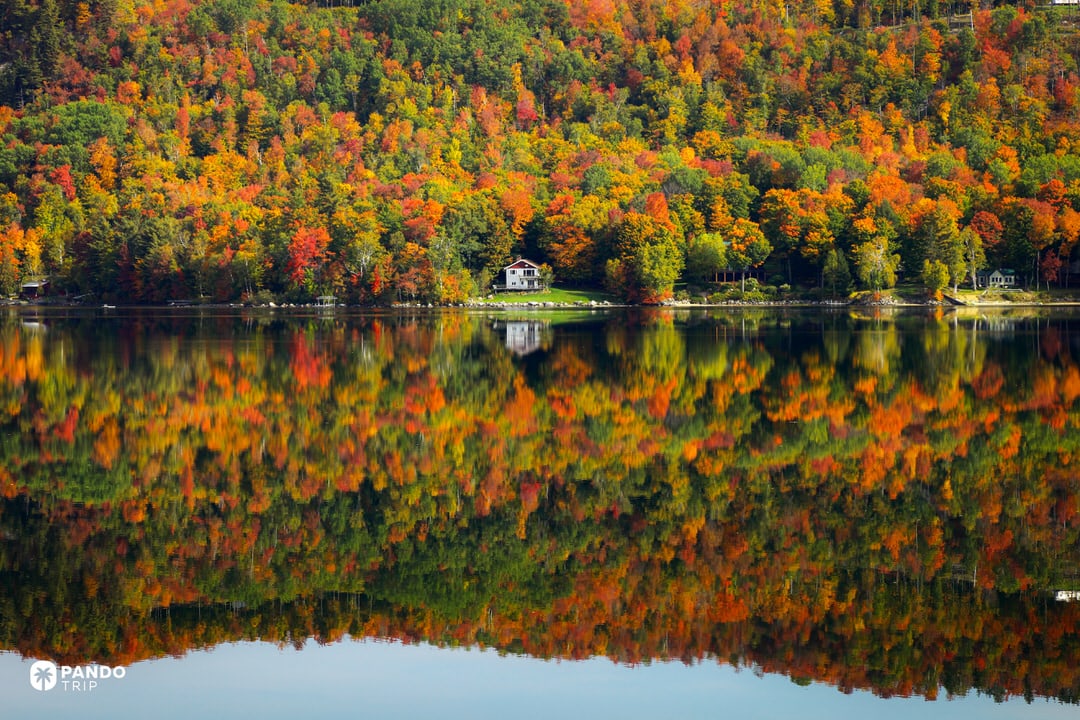
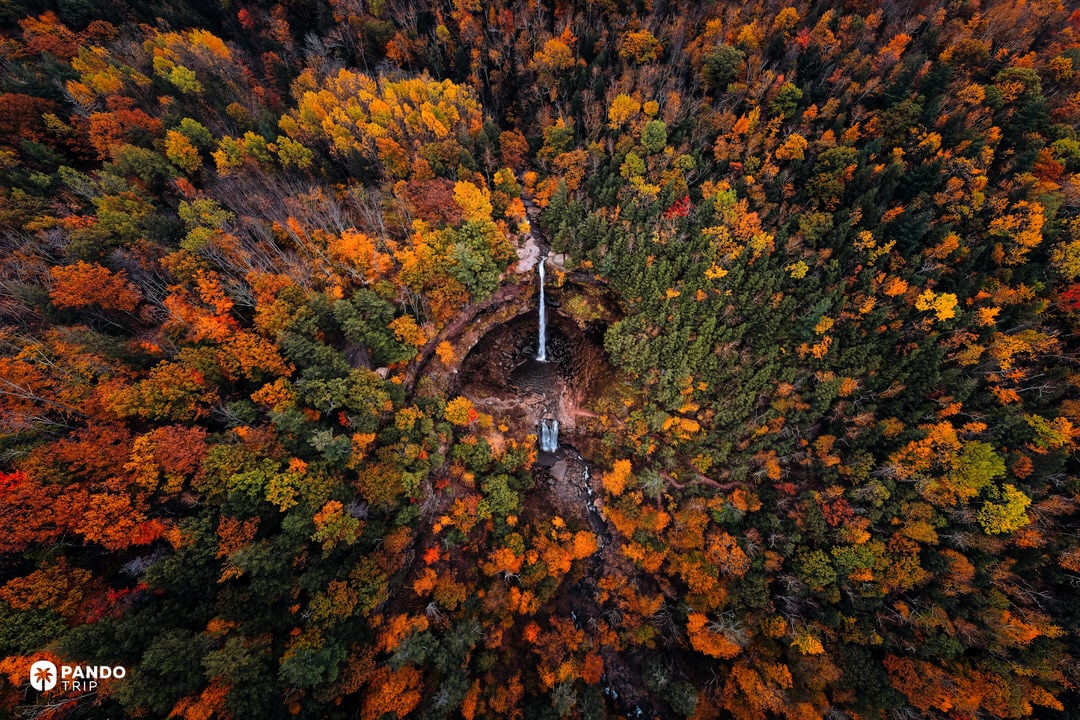

The classic experience? Hot cider and a fresh cider doughnut after a chilly morning walk. That’s New England autumn in two items.
Best time: Late September in the mountains and far north. Mid-October as color moves into the valleys. Peak lasts two to three weeks in any spot – timing shifts each year.
2. Amsterdam, Netherlands
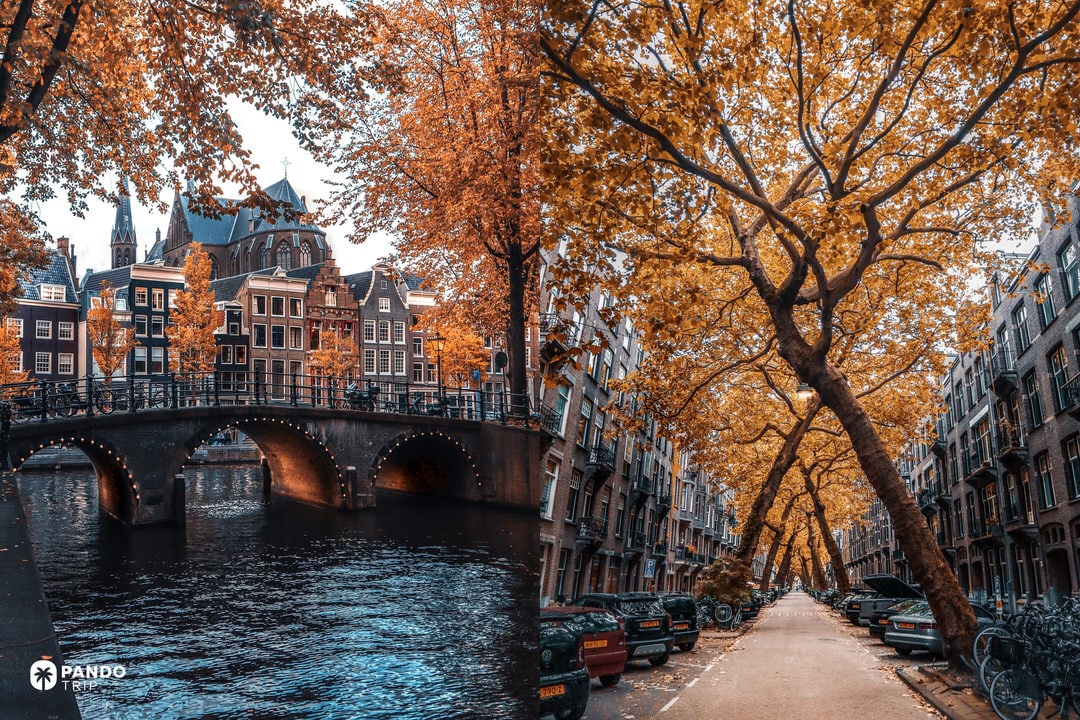
Amsterdam in autumn is what happens when a European postcard learns the meaning of cozy.
By mid-October, the tree-lined canals transform into golden avenues. On still days, the water mirrors the old brick buildings and autumn colors so perfectly it looks painted. You won’t get New England reds here – Amsterdam’s elms, planes, and horse chestnuts glow gold, matching the city’s own earthy palette.
Summer Amsterdam drowns in tourists. Autumn Amsterdam belongs to the Dutch again. They have a word for this season’s mood – gezelligheid – which roughly translates to cozy warmth and good cheer, but really means something untranslatable that you just feel when you’re there.
Brown cafes become candlelit havens. Pubs announce their herfstbok – the malty seasonal beer released every fall – is on tap. Locals linger over Dutch apple pie, that deep-dish cinnamon-packed situation topped with whipped cream that pairs perfectly with strong coffee on a chilly afternoon.
By late October, the clocks change. Dark by 5:30pm. The Canal Belt after sunset turns into something else entirely – street lamps reflecting on black water, the quiet bordering on melancholic but in a way that soothes rather than saddens.
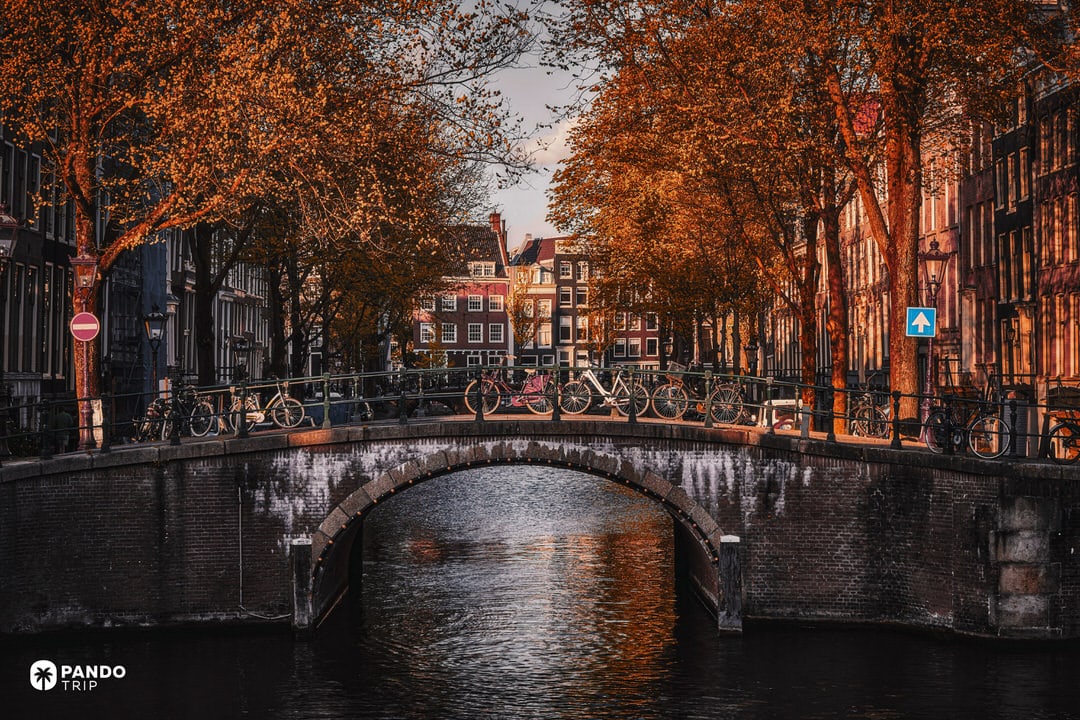
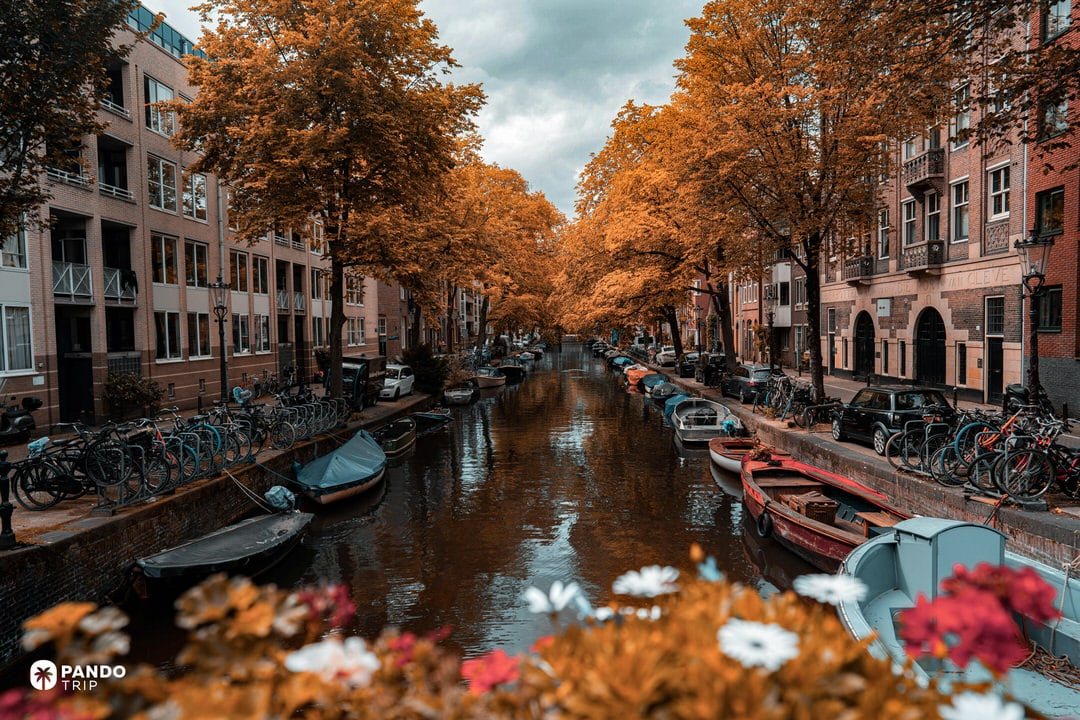
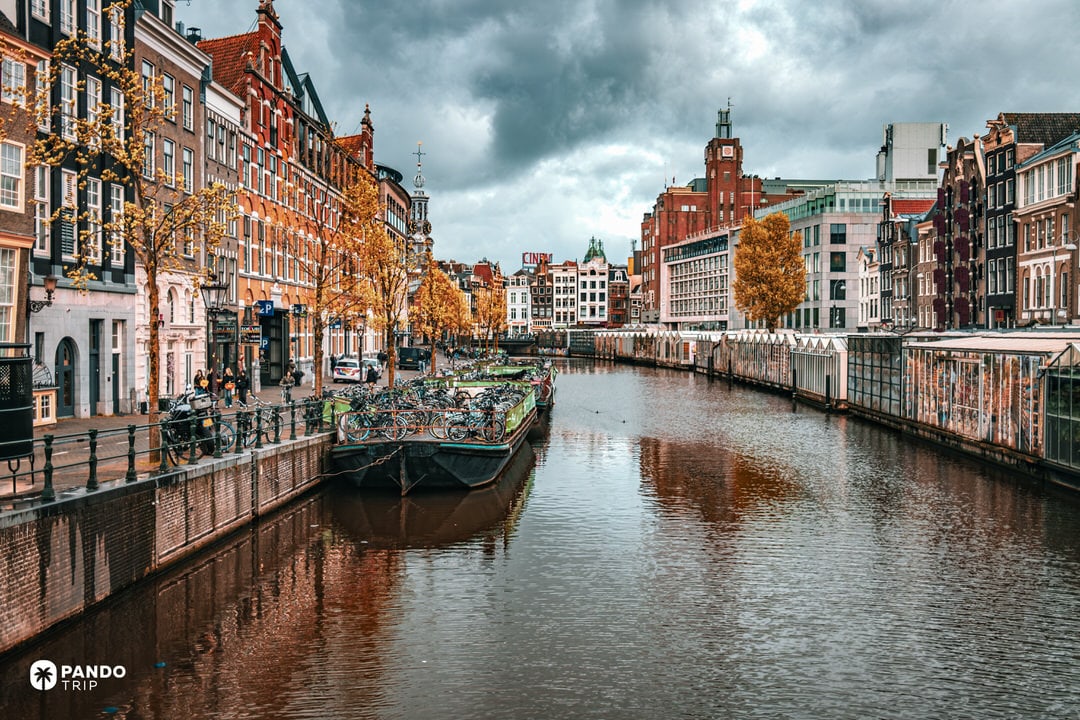
That’s gezelligheid. You can’t translate it. You just show up and feel it.
Best time: Early to mid-October for peak foliage. Late October if you want the deeper cozy atmosphere and longer evenings. By mid-November the leaves are gone and winter’s knocking.
3. Dolomites, Italy
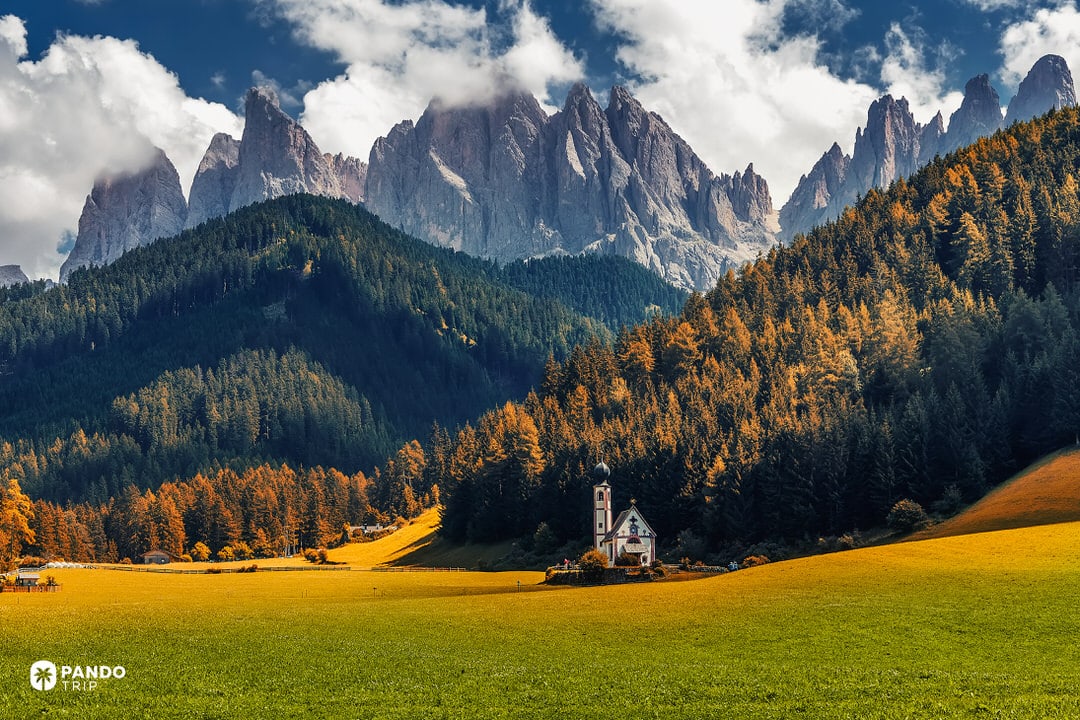
The Dolomites have a secret weapon: larch trees.
Unlike most conifers that stay green year-round, larches are deciduous. They turn brilliant golden yellow in fall, then drop their needles like any regular tree having an existential crisis. Against the Dolomites’ jagged limestone peaks, those golden forests look almost unreal.
By mid-October, entire hillsides glow like they’ve been dipped in honey. Val di Funes might be the most photographed valley in the Alps for this exact reason. And at Lago di Braies or Lago di Misurina, the yellow reflects in water so still it doubles the effect.
The Dolomites are partly in South Tyrol – a German-speaking pocket of northern Italy where autumn is treated like a holiday. Locals call it their “fifth season” and celebrate with Törggelen, a weeks-long tradition of harvest evenings in farm taverns: young wine from this year’s grapes, fire-roasted chestnuts, cured meats, dumplings.


Alpine crispness. Glowing larches. Italian-Tyrolean hospitality. It’s almost absurdly perfect.
Best time: the second half of October, around the 18th through the 31st. By early November, most needles have fallen or snow is already dusting the higher peaks.
4. New York City, USA

You don’t expect a concrete jungle to do autumn this well.
Central Park’s designers planted deliberately – sugar maples for flame red, oaks for bronze, birch and elm for yellow, even sweetgums for that occasional purple. 840 acres of carefully orchestrated color in the middle of Manhattan. Walking the Mall under arching golden elms or taking a rowboat out on the Lake while maples glow around you feels like stepping into a different century.
The brownstones help. West Village, Upper West Side, Park Slope in Brooklyn – those tree-lined blocks covered in fallen leaves look like they’re auditioning for a movie about New York in autumn. Which makes sense, because half of them have been in movies about exactly that.
You’ve Got Mail captured it: “Don’t you love New York in the fall? It makes me want to buy school supplies.” That line works because it’s true. There’s something about October in New York that feels like a fresh start, even though everything’s technically dying.
One minute you’re looking at skyscrapers framed by red maples. The next you’re in a tiny bookstore on a leafy side street, holding a cappuccino, wondering how a city this frenetic makes space for this much beauty.


That’s the thing about New York in autumn. The contrast is the point. The city doesn’t slow down for fall – it just gets better at being itself while nature does its thing anyway.
Best time: Late October into early November. The color arrives later than New England, so you can catch the tail end of the foliage wave here.
7. Scottish Highlands, Scotland

The Highlands don’t do autumn like anywhere else.
No maples turning red. No neat rows of golden elms. Instead, you get wild hillsides blanketed in russet heather and bracken, small patches of birch and rowan tucked into glens, and light so crystalline it makes everything from castles to sheep look like they’re posing for a painting.
It’s one of the best landscapes in the UK, and autumn might be when it looks most itself.
The color palette here is fifty shades of rust. By September, the purple heather from August has faded to bronze and copper. Whole mountainsides glow in warm browns and oranges, interrupted by dark green conifers and grey rock. Drive through Glencoe or around Loch Lomond and you’ll understand why “moody” is a compliment in Scotland.
Glenfinnan Viaduct (yes, the Harry Potter bridge) sits above Loch Shiel surrounded by hills that turn olive and orange in fall. The Jacobite Steam Train still runs through October, and watching it cross that viaduct with autumn colors everywhere is exactly as cinematic as it sounds.
Eilean Donan Castle looks like it was built specifically to be photographed in autumn mist. The shifting light and changing colors make it feel less like a tourist site and more like something out of Scotland’s actual past.
September through October is also red deer rutting season. In remote glens you might hear stags roaring – this eerie, primeval sound that’s part lion, part groan, echoing off hillsides. It’s unsettling in the best way.
And whisky. Autumn in the Highlands is distillery weather. Talisker on Skye, Dalwhinnie in the central Highlands – sipping peaty Scotch while the heathered hills turn color outside is the whole experience distilled into one moment.


The Highlands in autumn are for people who appreciate atmosphere over sunshine. It’s unpredictable. Often wet. Occasionally brutal. And absolutely worth it.
Best time: September through October for peak heather colors and rutting season. The Jacobite Train runs until late October if you want the full Harry Potter moment.
6. Kyoto, Japan

Remember momijigari from the introduction? That Japanese practice of seeking out autumn leaves like they’re something precious and fleeting?
Kyoto is where it happens.
Mid to late November, the city becomes what it’s been preparing for all year. Temple gardens that spent summer being respectably green suddenly explode into red, orange, and gold. The Japanese maple (momiji) is the star here, and when it peaks, people descend the city for kōyō season.
It’s cherry blossom season’s more dramatic sibling. Same cultural reverence, fierier palette.
Kiyomizu-dera sits on a hillside with a massive wooden veranda overlooking a valley of red foliage. Daigo-ji’s Bentendō Hall reflects in a small pond, framed by maples so vibrant they look backlit. The Philosopher’s Path becomes a tunnel of color with tiny cafes selling momiji manju, maple-leaf-shaped cakes that taste like sweet beans wrapped in autumn.
Arashiyama gives you mountains instead of temples. The forested hills along the Hozu River turn gold and copper, less manicured than the gardens but just as stunning.
Street vendors sell yaki-imo, roasted sweet potatoes that smell like comfort food should. That scent mixing with roasted chestnuts is autumn’s signature in Japan.
Now the reality: this isn’t a secret.
Kyoto in autumn is as crowded as cherry blossom season. Maybe more. Weekends at Kiyomizu-dera, Eikan-do, Tōfuku-ji you’ll be shoulder to shoulder with everyone else who had the same brilliant idea. The photos don’t show the crowds, but they’re there.
Does that ruin it? Depends on your tolerance for humanity between you and beauty.


But here’s what the crowds prove: when something is this beautiful, everyone shows up. The temples have been doing autumn for over a thousand years. They’ll survive your visit.
Best time: Second half of November into early December. Peak is typically the last week of November, but it shifts yearly depending on temperature.
7. Paris, France

Paris doesn’t need autumn to be romantic.
But autumn makes even a Tuesday afternoon feel like you’re walking through someone else’s memories.
It’s not about dense forests here. It’s about the contrast. Bright foliage against cream-colored limestone, wrought-iron balconies, cobblestones slick with rain. The city was built for this light, this particular slant of October sun that makes everything look like a Belle Époque painting.
The Jardin des Tuileries becomes a tunnel of yellow-orange trees. Those perfectly straight allées stretching toward Place de la Concorde, all turning color at once like they rehearsed it. Luxembourg Gardens on the Left Bank does the same thing but feels less formal about it – horse chestnuts going bright yellow around the central pond where kids sail toy boats like they have for a hundred years.
Montmartre in autumn is its own thing. Hilly lanes, vine-draped cottages, an actual working vineyard that hosts the Fête des Vendanges every October. A wine harvest festival in the middle of Paris. The vines around Sacré-Cœur turn reddish and the whole bohemian atmosphere gets sharper somehow, like the season is underlining what makes this neighborhood different.
But here’s what really changes: the cafés.
Summer terraces are packed with tourists. Autumn terraces are mostly locals in scarves, nursing espresso or Bordeaux, watching the world pass. Waiters bring out heaters and blankets so you can still sit outside. That’s when Paris feels most like itself – not performing for visitors, just being a city that knows how to live well.


Pâtisseries shift their windows to autumn. Mont blanc pastries with chestnut cream. Tarts with figs and pears. Cakes celebrating the season in the most French way possible by making it beautiful and slightly pretentious and absolutely worth it.
Best time: October. September still carries summer crowds and Paris Fashion Week makes trendy spots impossible to book. By October the tourists thin out, the leaves peak, and the city settles into its best self.
8. Plitvice Lakes National Park, Croatia

Sixteen turquoise lakes cascading into each other through hundreds of waterfalls.
That’s Plitvice in one sentence, and it already sounds fake. It’s not. It’s one of the most beautiful natural places in the world, and somehow autumn makes it more intense.
The surrounding forest (oak, beech, maple) turns golden yellow, burnt orange, copper red. Those colors reflecting in water so clear and green it looks like liquid gemstone. You’re walking wooden boardwalks over emerald pools while maples drop leaves that float on the surface like they’re part of an art installation.
The lower lakes near Veliki Slap, the park’s massive waterfall, are surrounded by forest that goes bright amber. The upper lakes mix beech and pine, so you get red and orange punctuating dark evergreen. Each section has its own autumn personality, and the whole thing shifts depending on elevation and which way you’re facing.
Summer Plitvice is Croatia’s most famous natural attraction crammed with tourists moving in slow-motion lines along those boardwalks. Packed. Stifling. The beauty is still there but you’re experiencing it with a few thousand other people.
October Plitvice is nearly empty.
You can walk for stretches hearing only water and leaves. The morning mist sits on the lakes until the sun burns it off, revealing autumn colors that were hiding underneath. It feels private in a way that summer never allows, like have access to something that should be crowded but isn’t.
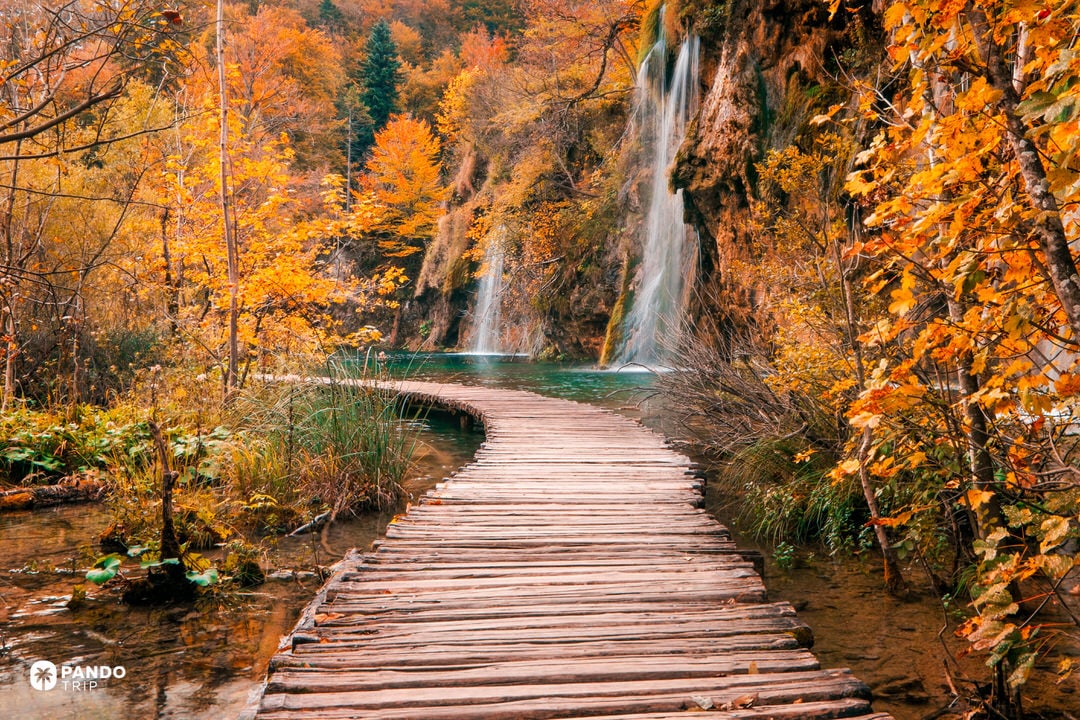


That solitude changes what you’re looking at. Beauty shared with thousands becomes scenery. Beauty experienced alone becomes something else entirely.
Best time: Mid-October. Late September is still too green. Early November has lost the leaves and turned grey. October is the narrow window where everything aligns.
9. Toronto, Canada

Toronto hid a forest inside itself and nobody noticed.
High Park sprawls across 400 acres in the west end. Two-thirds of it natural woodland with red oaks, black cherry, white pine that turn the whole area into fire colors through October. You can walk from a street lined with Vietnamese restaurants and Portuguese bakeries straight into dense forest where black squirrels hoard acorns like tiny criminals.
The Don Valley cuts through the entire city as an urban forest corridor. Take those trails along the Don River and the three-million-person metropolis above you just… disappears. Wooded slopes rising on both sides in full autumn color, water moving over rocks, zero evidence of the highways and office towers that are technically everywhere around you.
Old neighborhoods kept their trees. The Annex, Rosedale, Cabbagetown – streets lined with maples so mature they form tunnels of red and gold. Victorian houses and glass condos under the same red canopy.
St. Lawrence Market in October is all Ontario apples, pumpkins, squash piled in those staged-but-not-staged arrangements that make you want to buy produce you have no plan for. Butter tarts, that sugar-and-pecan pastry Canadians are inexplicably proud of pair well with walking under maples that are doing their patriotic duty turning red.
Toronto’s autumn strength isn’t drama. It’s that a massive city somehow kept enough nature woven through itself that October still feels like a season, not just cooler weather between summer and winter.


That’s rarer than it sounds.
Best time: Mid-October around Canadian Thanksgiving weekend. Early October is inconsistent. Late October works since Toronto’s milder than northern Ontario and some trees hold color longer.
10. Yosemite National Park, USA

Yosemite is famous for soaring granite cliffs and thunderous waterfalls.
Autumn Yosemite is neither of those things.
By October, the waterfalls have slowed to trickles or dried up entirely. The summer crowds have left. What’s left is a quieter, golden version of the park that most people never see – and one of the most adventurous attractions in the US showing a completely different side of itself.
The fall colors here are subtle, mostly yellow-orange. Most of Yosemite is evergreen pines and firs that stay green year-round. But scattered through Yosemite Valley are bigleaf maples, black oaks, cottonwoods, dogwoods. By mid-October they turn bright yellow, burnt orange, with dogwood and poison oak adding red and pink. Little patches of the valley floor catch fire with color, especially along the Merced River and meadow edges.
From Tunnel View (that iconic shot of El Capitan, Bridalveil Fall, and Half Dome) you’re mostly looking at grey granite and evergreen. But look down at the valley and you’ll see streaks of gold where oak and cottonwood line the river. Those touches of color reveal something softer about Yosemite, a contrast to all that imposing stone.
The meadows dry to gold. Cook’s, Sentinel, El Capitan Meadow – they turn from summer green to tawny brown, which sounds dull but looks right against the granite peaks. Mule deer graze there, their coats blending with the grass. Black bears forage in the oak groves for late-season acorns.
Here’s what you get in exchange for the missing waterfalls: space.
You can drive the valley loop without constant traffic. Find parking. Hike Vernal Falls or Mirror Lake with a fraction of the summer crowds.
Early morning mist on the meadows. Thin woodsmoke from a campground. Granite cliffs rising above while leaves drift down. It’s Yosemite’s quiet season, and if you’ve only seen the summer version, you don’t really know the park yet.
Occasionally – rarely, but occasionally – early November brings light snow while leaves are still on trees. That “snowliage” moment when everything is gold and white at once. You can’t plan for it. But if it happens while you’re there, you’ve won the autumn lottery.
Best time: Late October, ideally the last week. Black oaks fully golden, dogwoods red. First week of November risks early snow – potentially magical, potentially logistically messy.


