
Every year, Lonely Planet, National Geographic, and Condé Nast Traveler release their “where to go next year” lists.
Each publisher delivers 25 destinations. That’s 75 places competing for your attention. All of them good. All of them worth the trip. Which makes choosing basically impossible.
You can’t visit 75 destinations. You probably can’t visit 10. If you manage two trips next year and your vacation days actually align with flight prices that don’t make you wince, you’re doing well.
So we analyzed all three lists and looked for overlap.
No destination earned a spot on all three publishers’ coveted lists. But seven places were selected by two of the three. These “double-starred” destinations matter more than any single recommendation.
Here’s why: Lonely Planet targets adventure travelers. National Geographic leans cultural and conservation-focused. Condé Nast speaks to luxury and design-conscious audiences. When editorial teams with completely different priorities independently arrive at the same places, that’s signal cutting through noise.
These are the seven destinations where the experts actually agree 2026 is the year to go.
1. Uluru-Kata Tjuta National Park, Australia
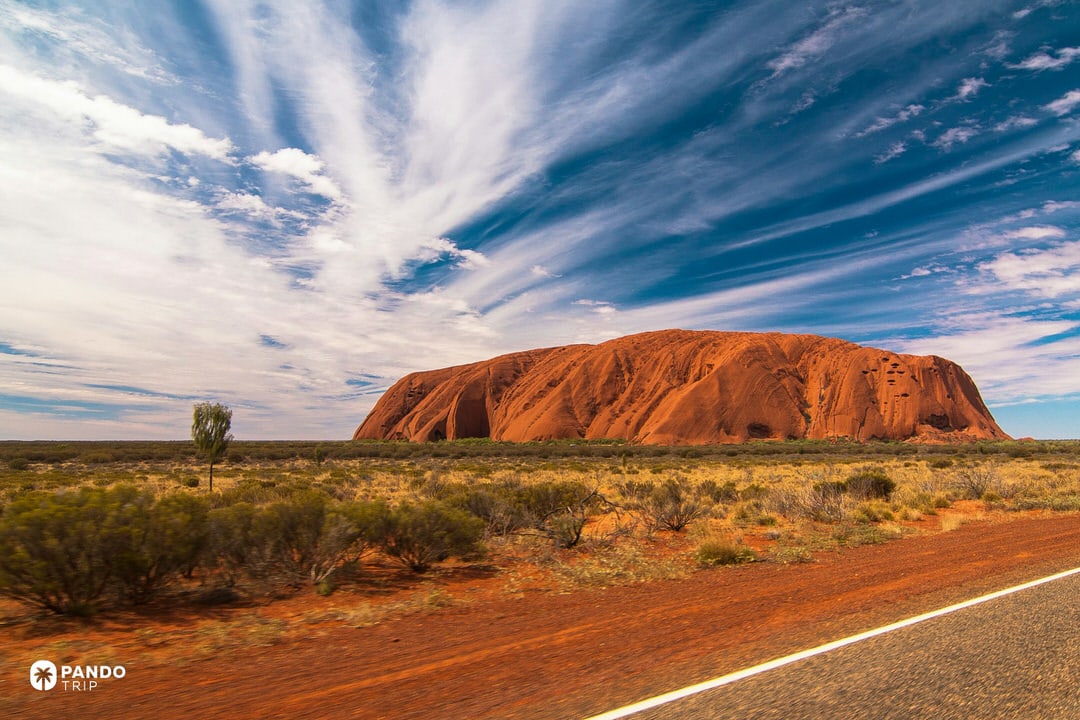
Selected by: National Geographic and Condé Nast Traveler
2026 marks the 40th anniversary of something that should have happened centuries earlier.
In 1985, the Australian government returned the title deeds for Uluru-Kata Tjuta National Park to its traditional owners, the Aṉangu people. Four decades later, that handback is setting the tone for what both publishers call “a new era of purpose-driven tourism.”
Starting April 2026, you can walk the new Uluru-Kata Tjuta Signature Walk – a luxury four-night guided trek spanning 33.5 miles between the red domes of Kata Tjuta and the crimson monolith of Uluru. For the first time, visitors can stay overnight within the national park itself. Eco-friendly lodges. Stargazing by campfires after long days on the trail.
Aṉangu storytellers walk alongside guests, sharing deep knowledge of Country. Not as performers. As custodians explaining what you’re actually looking at.
Modern technology complements ancient lore. The permanent Wintjiri Wiru installation uses 1,200 drones, lasers, and projectors against the desert backdrop to tell ancient Aṉangu stories. Bruce Munro’s Field of Light exhibit – 50,000 spheres on stems lighting up the desert floor – got a 2025 refurbishment ahead of its 10th anniversary in 2026.
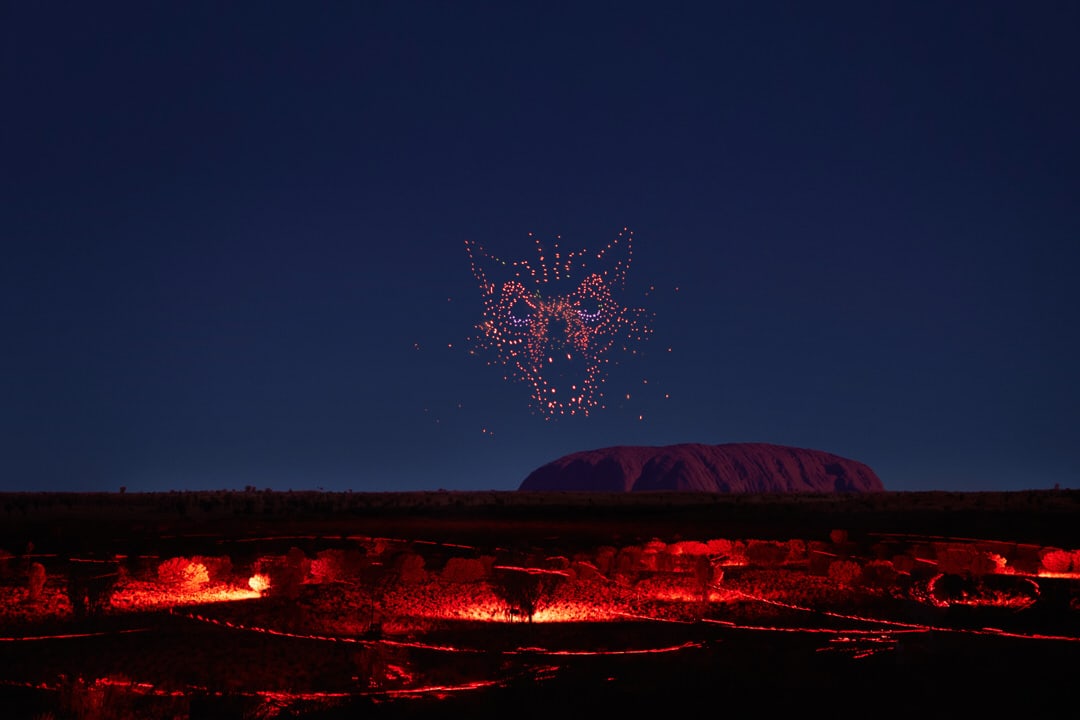
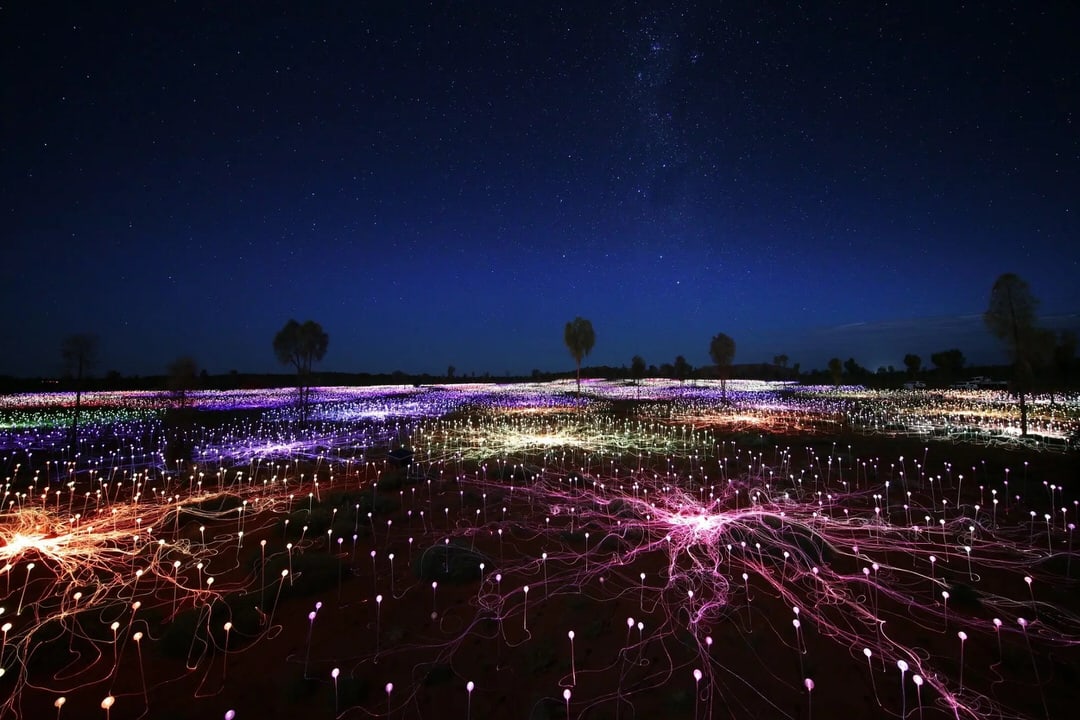
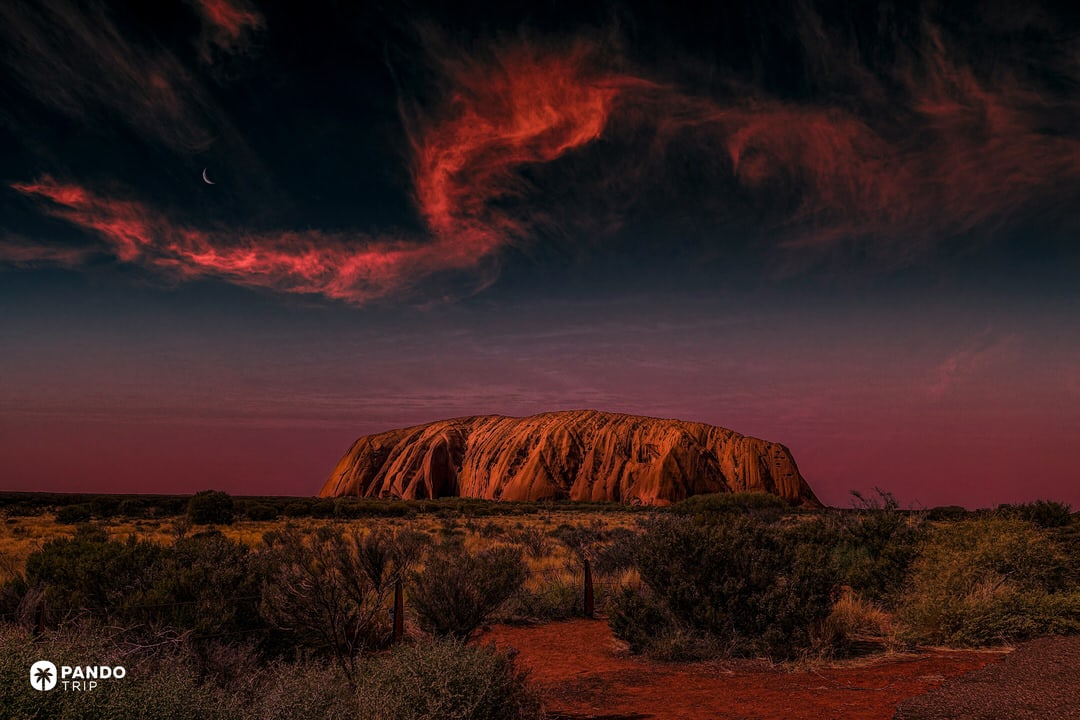
This is tourism that’s slower, deeper, more connected to the culture embedded in these sacred sites. Whether that resonates with you or feels like expensive spiritual tourism depends entirely on what you’re looking for.
Worth noting: Lonely Planet selected a different Australian destination entirely – Ikara-Flinders Ranges and Outback, South Australia. For more Australian landscapes, see our guide to the country’s top 10 natural wonders.
2. Route 66, United States
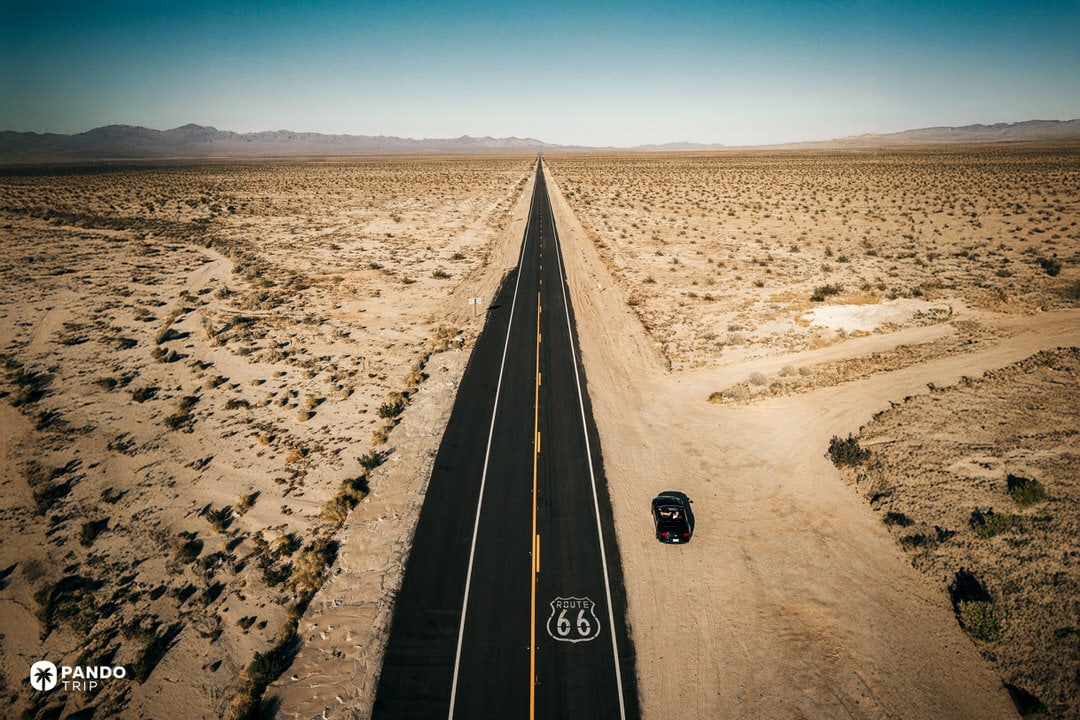
Selected by: National Geographic (Oklahoma focus) and Condé Nast Traveler (entire route)
Route 66 turns 100 in 2026.
The centennial has triggered massive investment and preservation efforts. Oklahoma’s Department of Transportation alone invested more than $82 million in the state’s 400-mile stretch. The result: an “Americana glow-up” with relit neon signs, revived motor courts, and roadside attractions like Pops in Arcadia – a gas station featuring more than 700 varieties of bottled sodas.
Because nothing says American excess quite like 700 soda options at a gas station.
Major events mark the celebration year-round. The Centennial National Kick-Off happens in Springfield, Missouri in April. Tulsa’s Capital Cruise in May attempts a world-record for the largest-ever classic-car parade. The Texas Route 66 Festival hits Amarillo in June. Clinton’s Oklahoma Route 66 Museum launches a year-long exhibition in July tracing how this highway helped shape the nation.
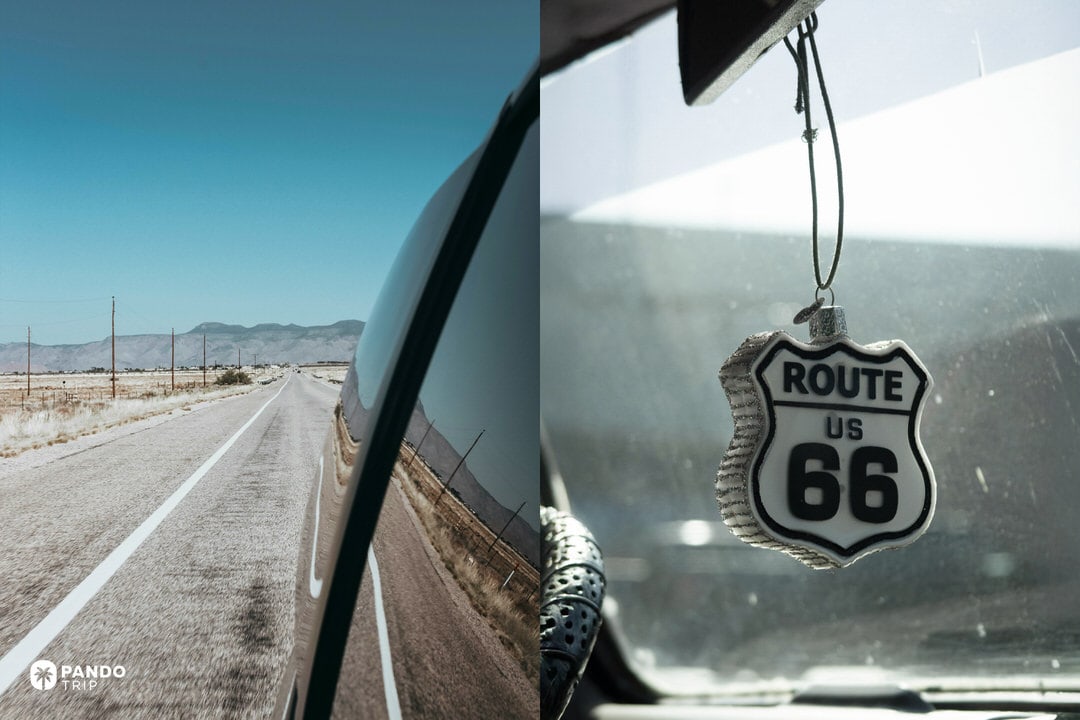
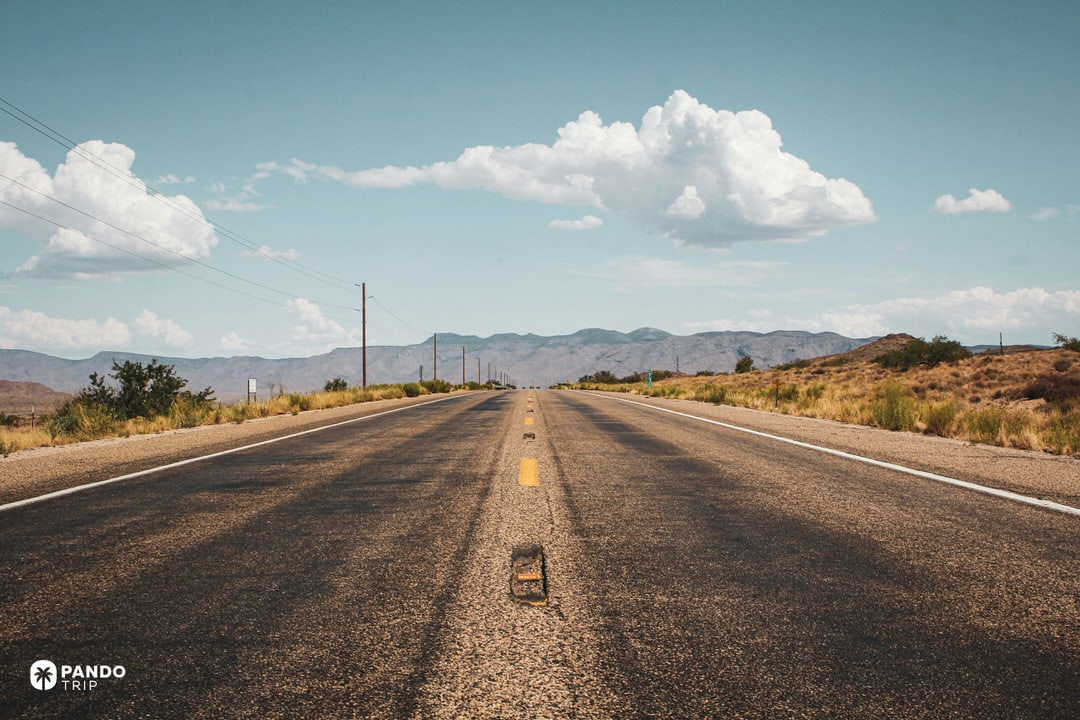

It’s the ideal year for the classic American road trip. Vintage motels. Roadside diners. That particular brand of nostalgia that America does better than anywhere else.
But Condé Nast Traveler makes an important point: use the centennial as an opportunity to engage with the region’s complex history. Visit Indigenous-run institutions like the Indian Pueblo Cultural Center in Albuquerque, which celebrates its 50th year in 2026. The highway didn’t just connect cities. It cut through Indigenous lands and communities that rarely benefited from the traffic.
That context matters as much as the neon signs.
3. Oulu, Finland
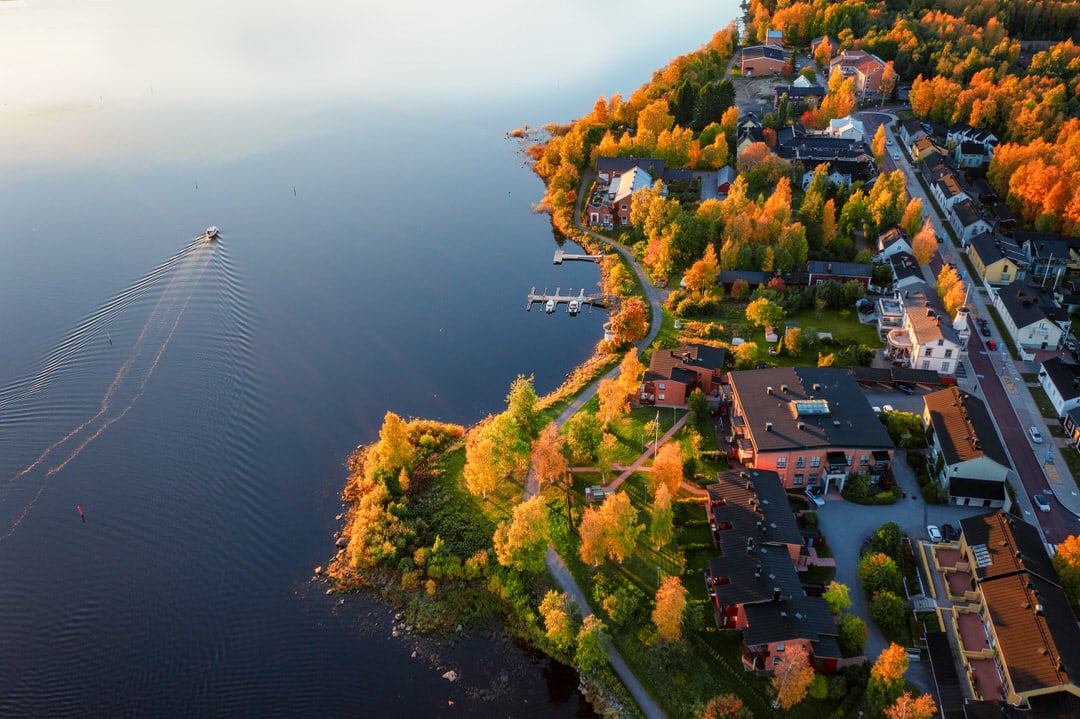
Selected by: National Geographic and Condé Nast Traveler
Oulu is Europe’s 2026 Capital of Culture.
The Finnish city sits 60 miles south of the Arctic Circle with a population nobody outside Finland thinks about. That changes for exactly one year, then presumably returns to pleasant Nordic obscurity.
The Capital of Culture designation brings a year-long program themed “Cultural Climate Change,” highlighting Finnish heritage and the Indigenous Sami people. The Oulu Art Museum runs “Eanangiella – Voice of the Land” through May 2026, spotlighting Sami contemporary art, material culture, and soundscapes. The new Climate Clock public art trail opens in June with work by artists including UK’s Rana Begum.
A new 86,000-square-foot museum and science center opens autumn 2026, featuring a Deep Space theater for aurora borealis viewing. Because standing outside at Arctic temperatures to see the Northern Lights is beautiful but also potentially miserable.
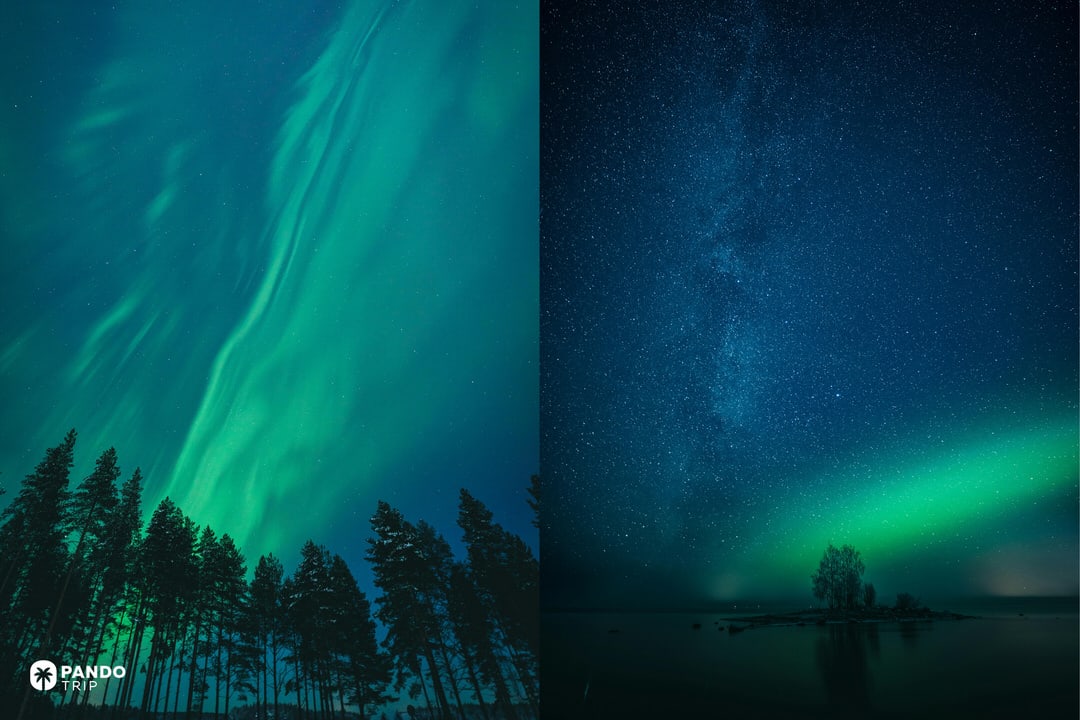
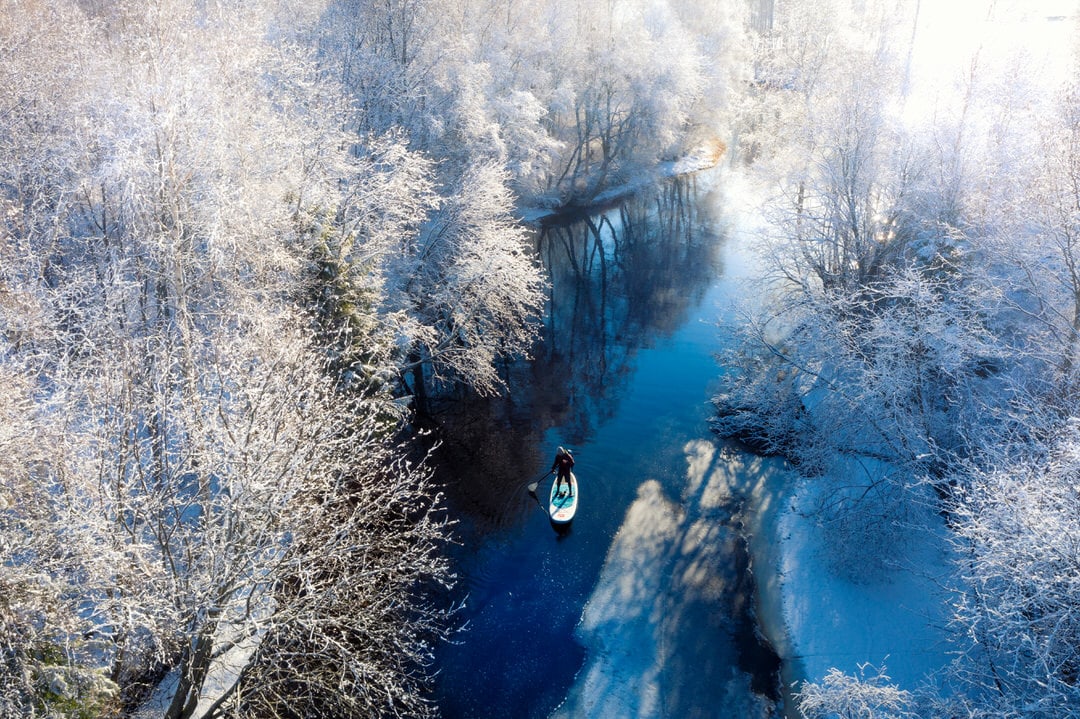
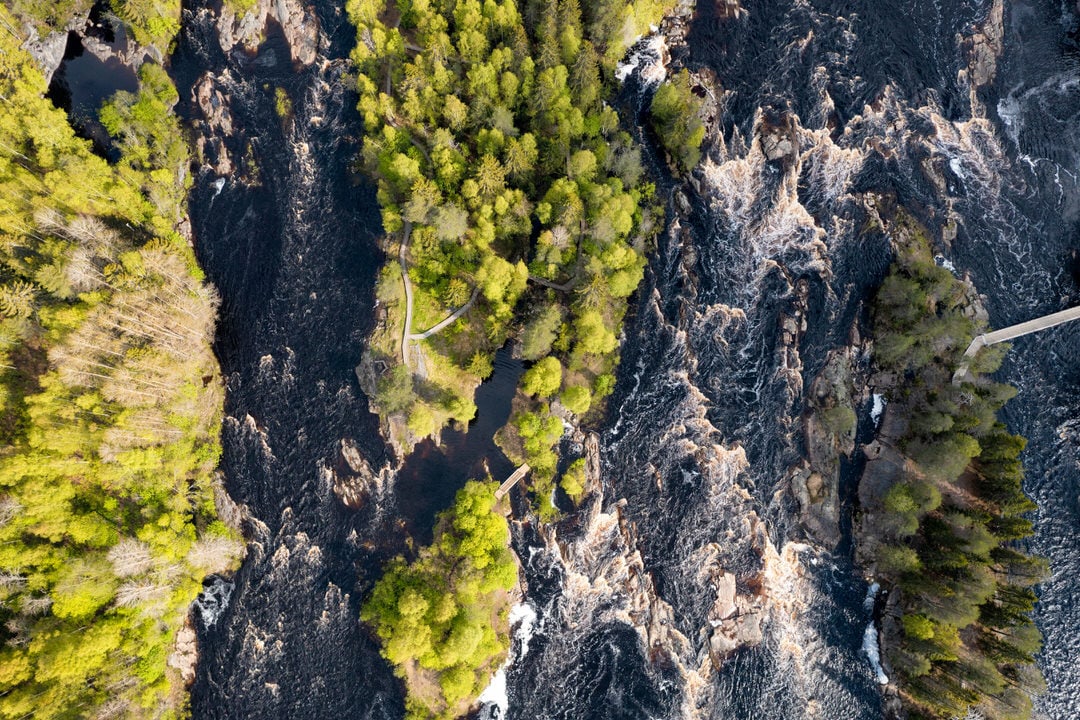
The city emphasizes low-impact Arctic food culture through the Arctic Food Lab program. Pop-up dinners like the long-table Summer Night’s Dinner in August showcase seasonal delicacies: reindeer, salmon, foraged berries. The new Pendolino Plus train route connects Oulu and Helsinki in five and a half hours, making access considerably easier than flying.
Worth noting: Lonely Planet selected Finland as a whole for its list, citing outdoors, Sámi culture in Inari, and Northern Lights in Lapland. National Geographic and Condé Nast zeroed in specifically on Oulu’s one-year moment.
If you’re going to Oulu, 2026 is literally the year. By 2027, the programming ends and it returns to being a pleasant Finnish city that most people can’t locate on a map.
4. Medellín, Colombia
Selected by: National Geographic and Condé Nast Traveler
We recommended Medellín as a South American city worth visiting few years ago. Now major travel publications are doing the same.
Medellín’s transformation from center of conflict to global urban success story is well-documented at this point.
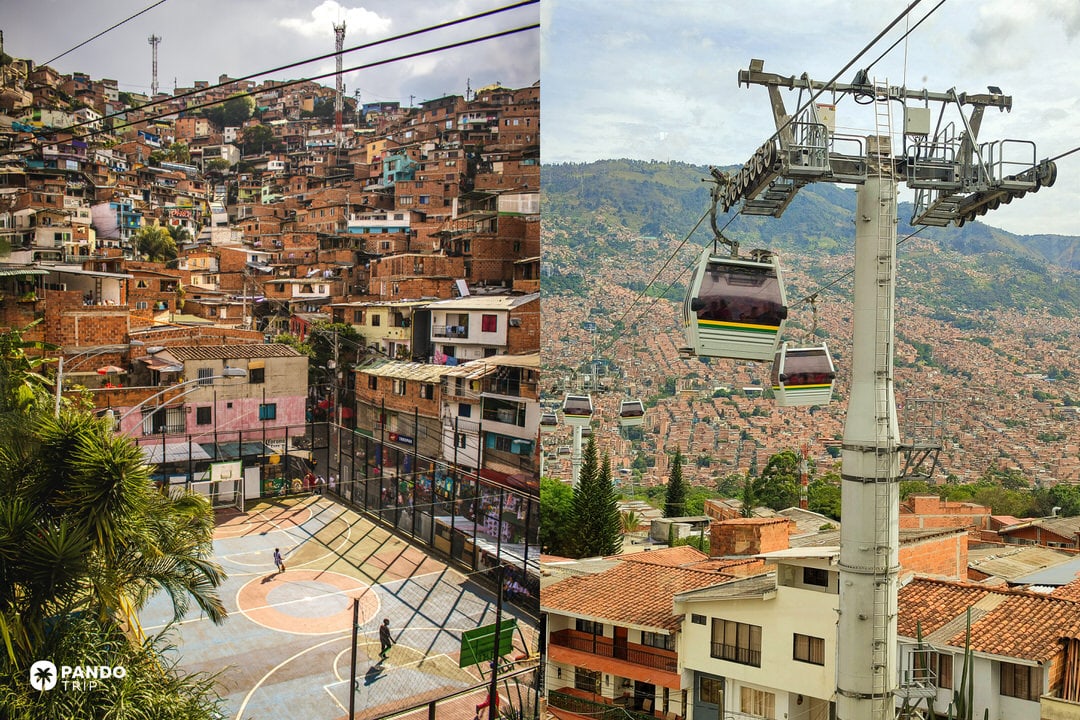
Cable cars stitch hillside barrios to tree-lined avenues. The metro runs clean and on time. Comuna 13 – once the most dangerous neighborhood in the most dangerous city – is now covered in vibrant graffiti art and filled with tourists learning about that very transformation.
2026 is when the food scene reaches a new level.
Wake opens between March and April – a $100-million development designed as a “culinary city within the city.” A wellness hotel. Residences. More than a dozen new restaurants and bars, including Boro bistro and an expanded Test Kitchen Lab focused on 100% Colombian sourcing and gastronomic innovation.
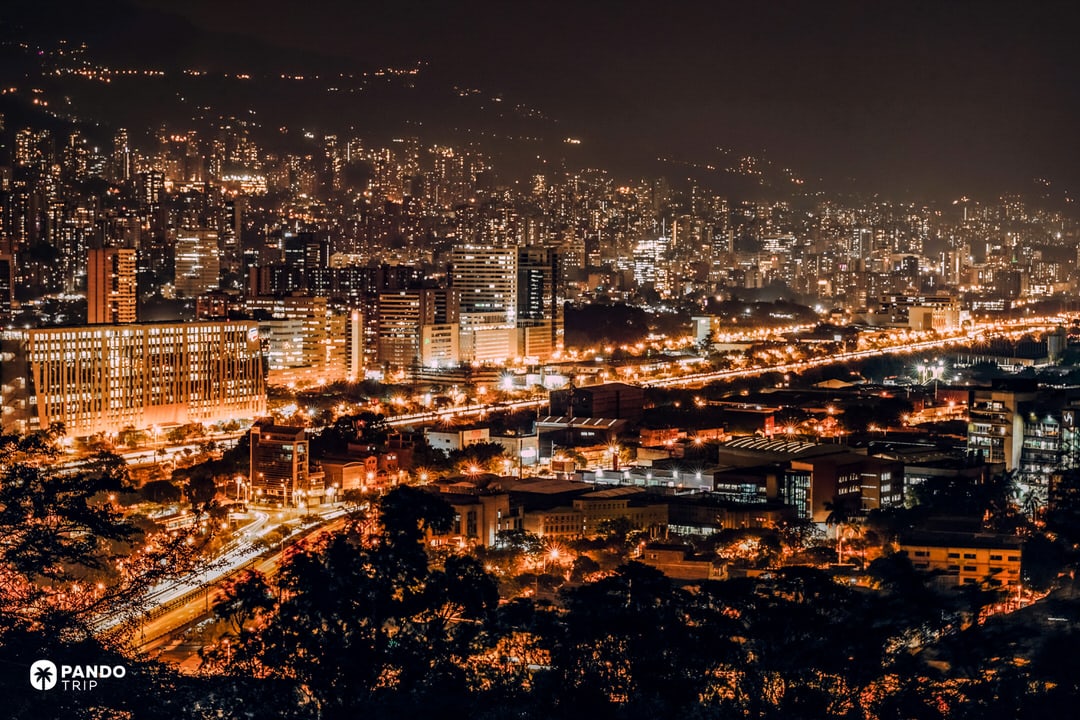
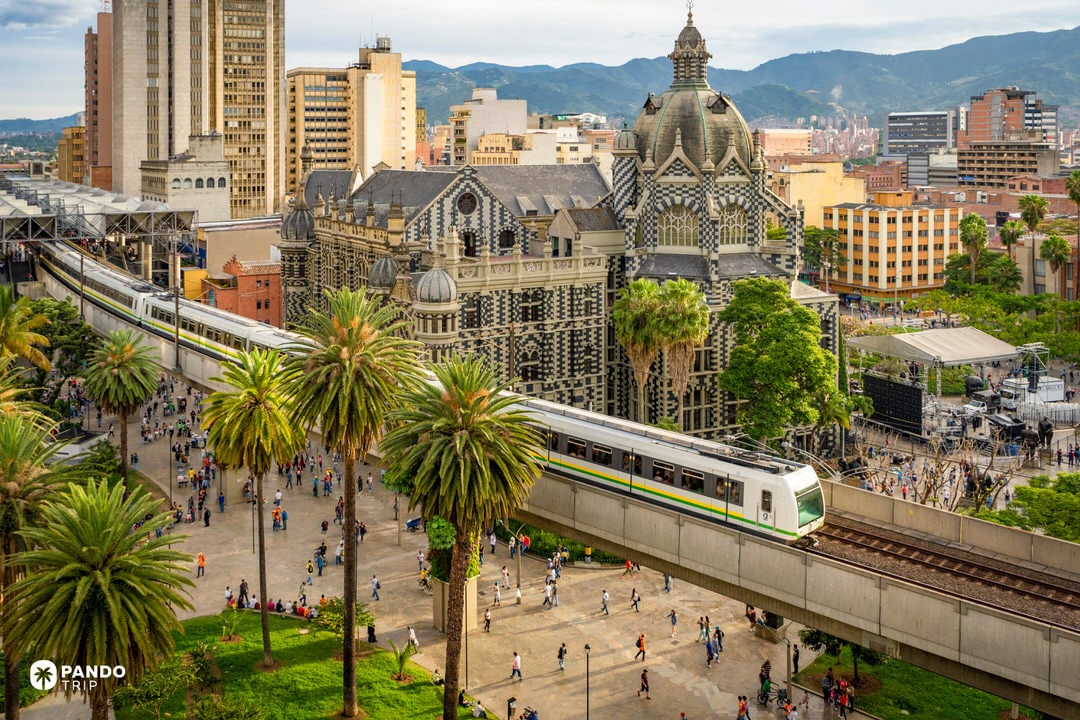
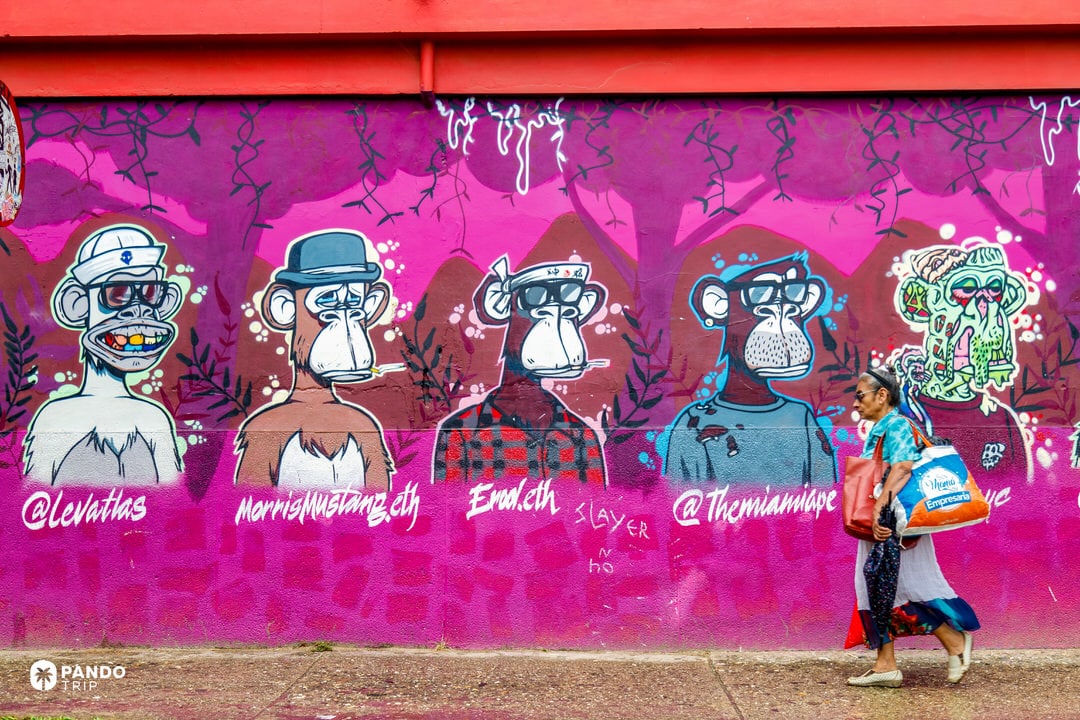
Wake BioHotel anchors it all, built around “wellness meets science” and featuring a longevity center. That forward-looking focus either elevates Medellín’s reputation or represents Silicon Valley wellness culture exported to South America. Time will tell.
The city already had a reputation as one of the most exciting food cities in South America. This influx of upscale, inventive cuisine and nightlife combined with its status as a model of urban ingenuity – those cable cars exist for a reason – confirms that reputation isn’t going anywhere.
Worth noting: Lonely Planet recommended a different Colombian destination entirely – Cartagena.
5. Barbados
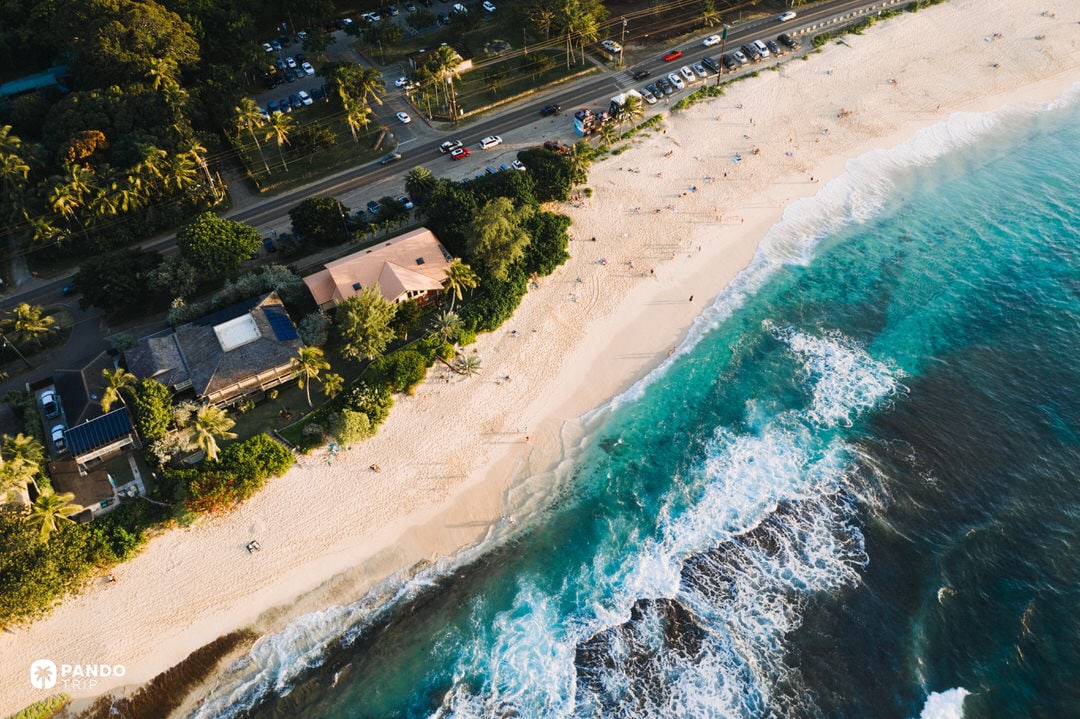
Selected by: Lonely Planet and Condé Nast Traveler (East Coast specifically)
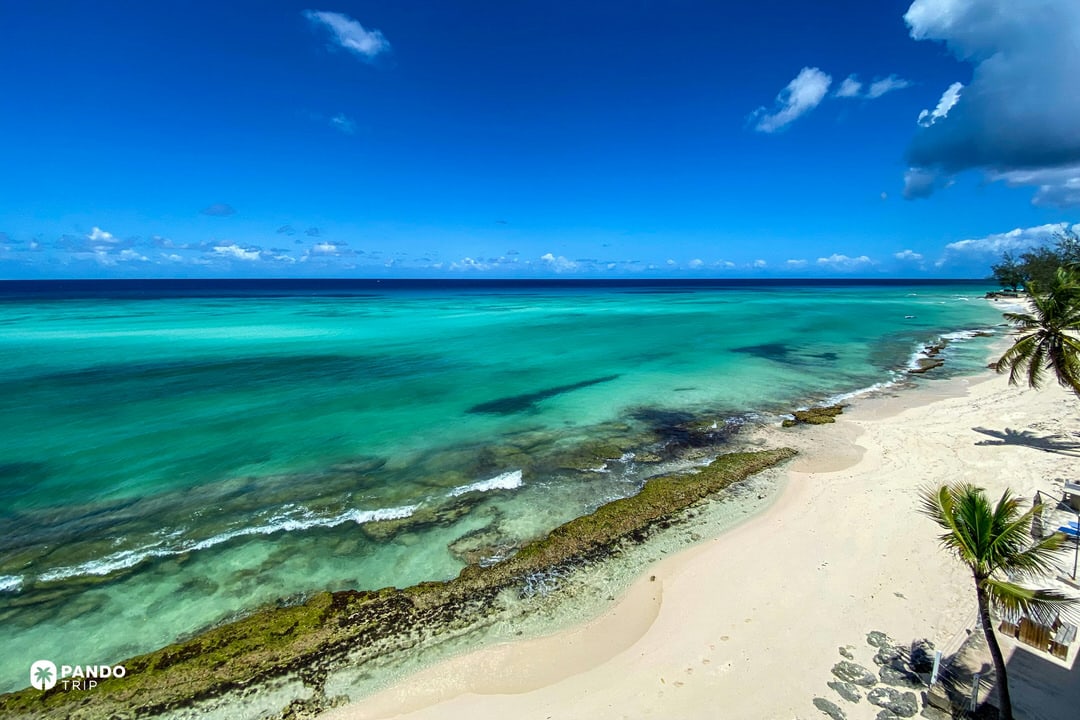
Most people visit Barbados for the calm western shore. Caribbean side. Turquoise water. Gentle waves. Entirely predictable.
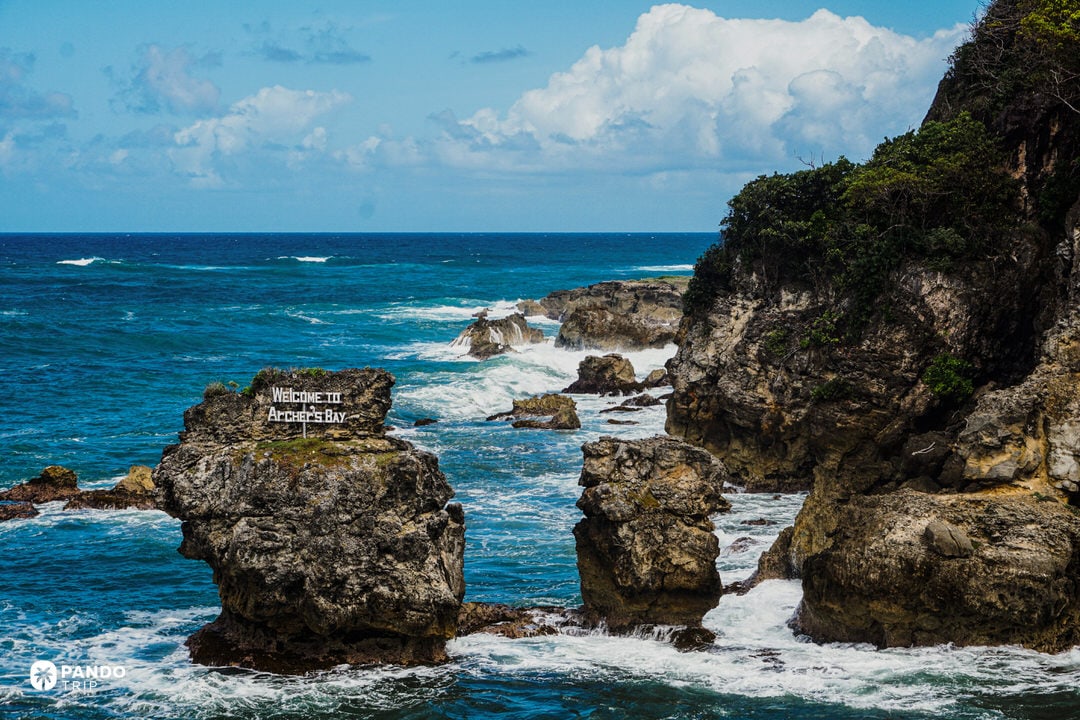
The East Coast faces the Atlantic.
Condé Nast Traveler highlights the rugged, windswept East Coast as a compelling alternative. It draws surfers to the famous Soup Bowl reef break. The water isn’t turquoise – it’s deep blue with swells that look like they started forming somewhere near Africa.
2026 brings new direct flights from Delta and KLM, plus luxury cruise itineraries utilizing the newly upgraded ports of Bridgetown and Speightstown. Translation: significantly easier to reach.
The East Coast is seeing an influx of quality accommodation with East Resort’s planned September opening. An all-villa property bringing upscale, intimate lodging to what has historically been an unspoiled Atlantic coastline. Whether “upscale development on traditionally unspoiled coastline” is progress or the beginning of over-development depends on your perspective.
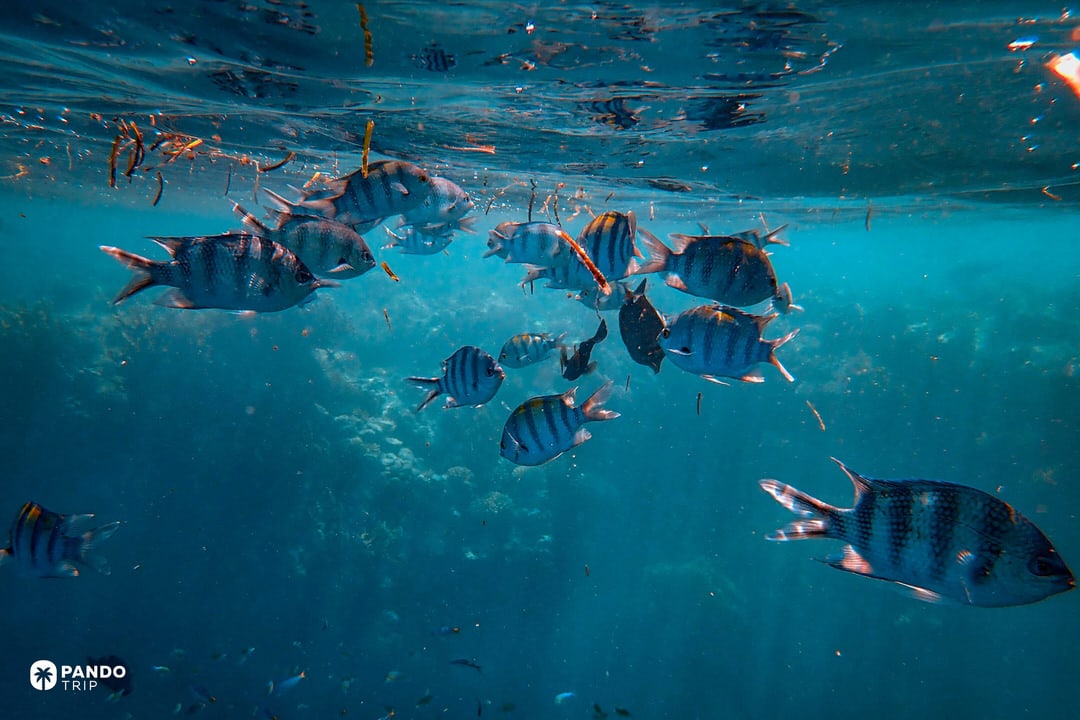
You can hike a scenic six-mile path following the former coastal railway route. The Crop Over harvest festival – mentioned by Lonely Planet – offers immersion in Barbadian culture beyond the beach resorts.
The West Coast will always be more popular. Calmer conditions. Better beaches for families. Infrastructure built around tourism. The East Coast requires accepting rougher conditions in exchange for fewer people and more character.
Choose based on what kind of Caribbean experience you actually want.
6. Theodore Roosevelt National Park, North Dakota
Selected by: National Geographic (as North Dakota Badlands) and Lonely Planet
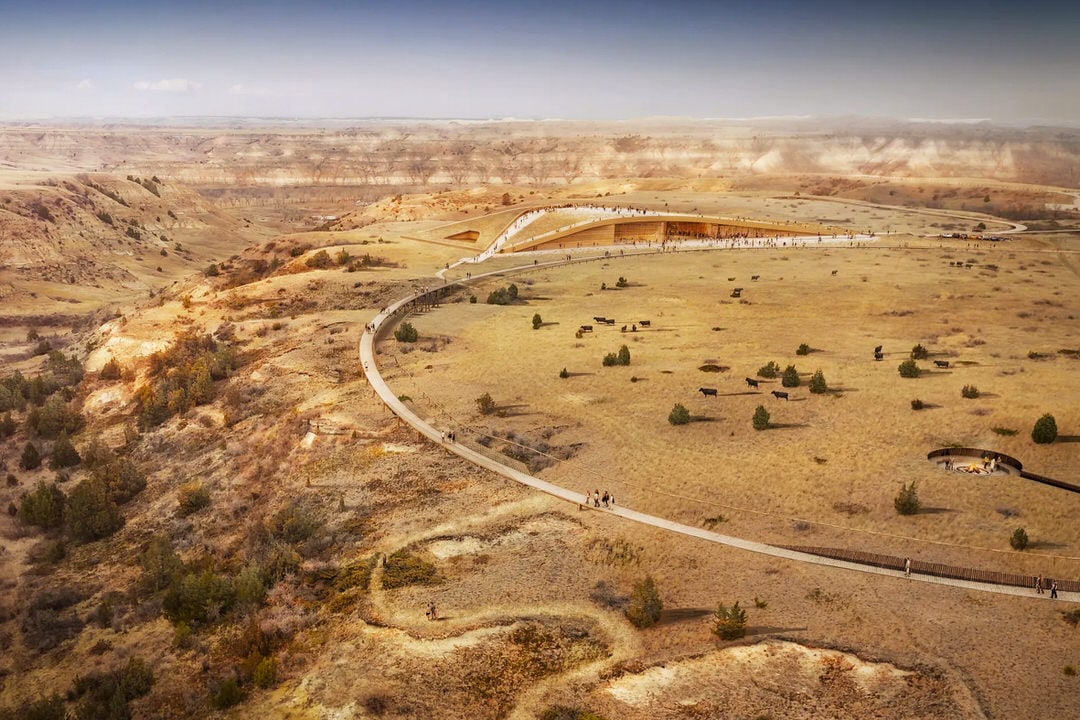
The Theodore Roosevelt Presidential Library opens July 4th, 2026.
That’s the reason North Dakota – not typically competing for space on “where to go” lists – earned spots on two separate publications’ recommendations.
The Norwegian architectural firm Snøhetta designed the 93,000-square-foot structure from sustainable compressed wood beams. It’s intended to disappear into the landscape. The walkable roof is covered in native vegetation and connects to a 1.3-mile trail leading into Theodore Roosevelt National Park.
The exhibits aim to “humanize, not lionize” the 26th president. Translation: they’re showing his conservation legacy alongside the parts of his history that don’t age well. Roosevelt sought refuge in this landscape after his mother and wife died on the same day in 1884. The Badlands shaped his character and conservation views, which later led to establishing the National Park Service.
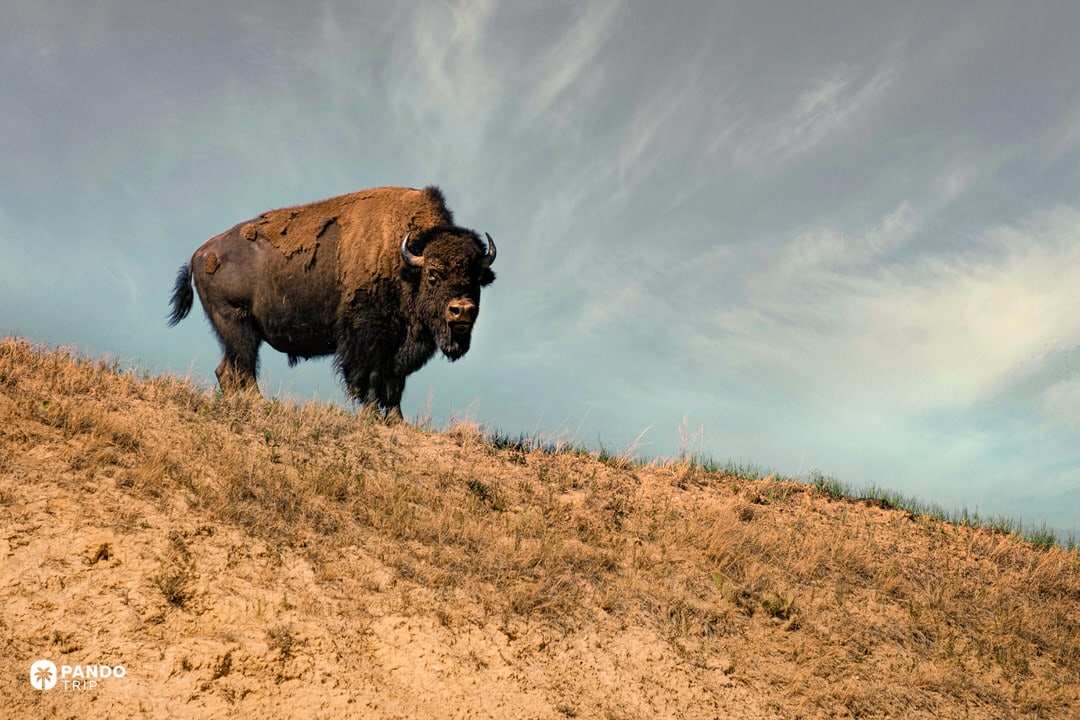
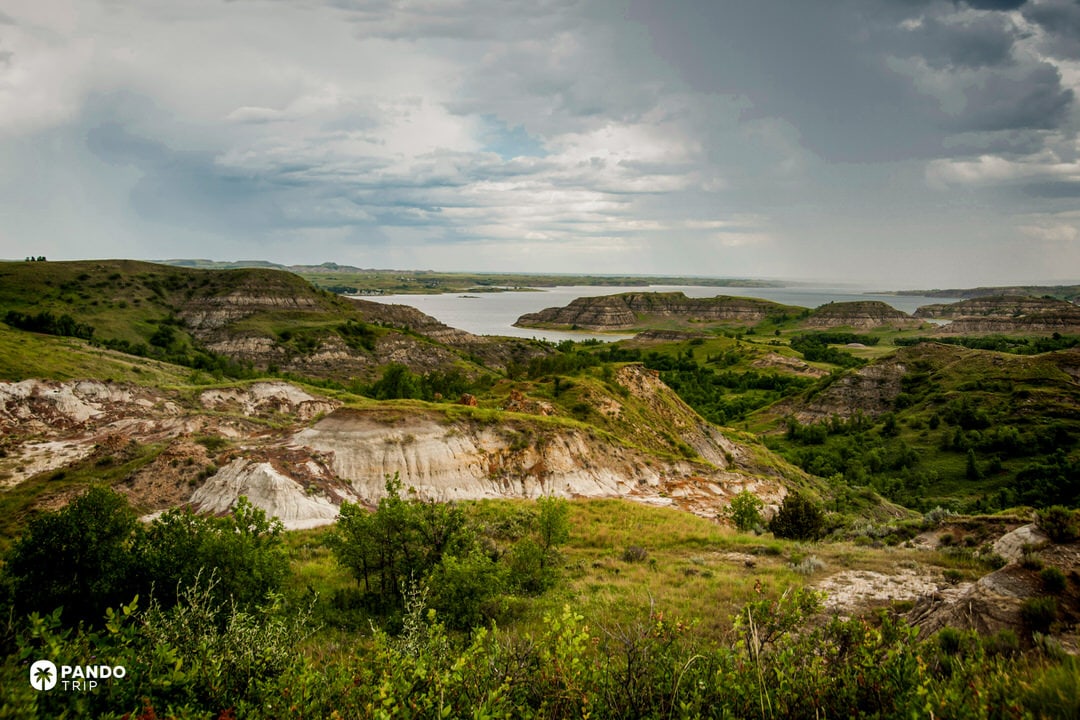
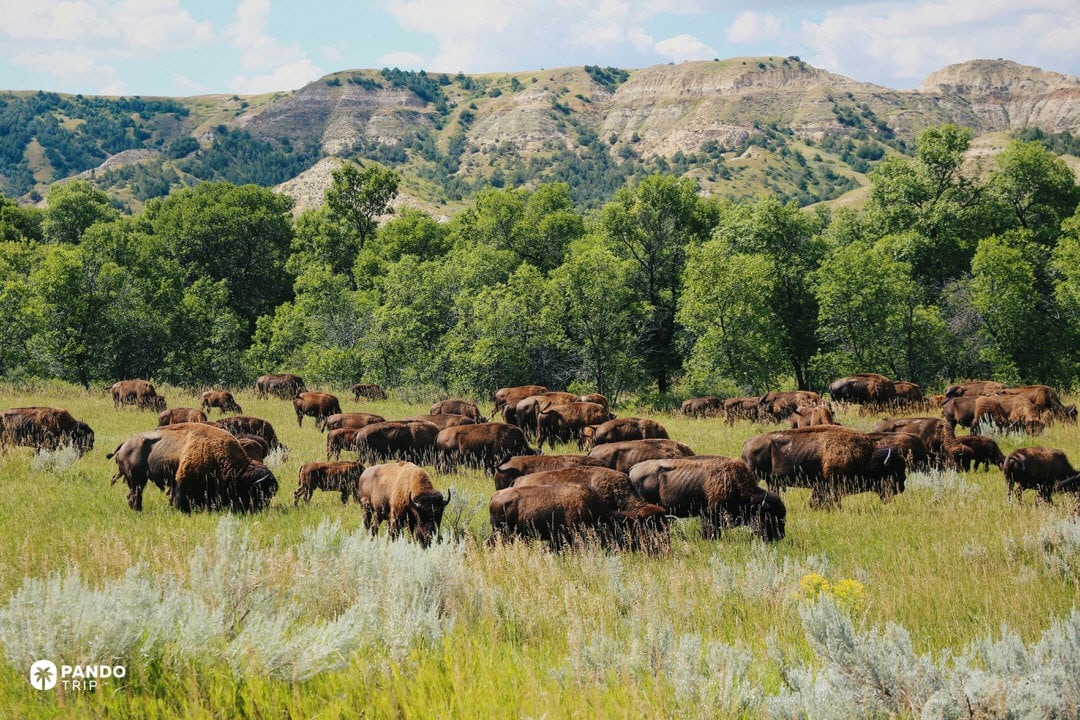
The park itself offers vast prairies, roaming bison, painted canyons, and prime conditions for dark-sky gazing. The Dakota Nights Astronomy Festival happens every September for those who want their wilderness with structured programming.
Without the library, Theodore Roosevelt National Park is beautiful but remote. With the library, it becomes a destination. Whether that improves the experience or just increases crowds depends on when you visit and how you feel about sharing wilderness with tour buses.
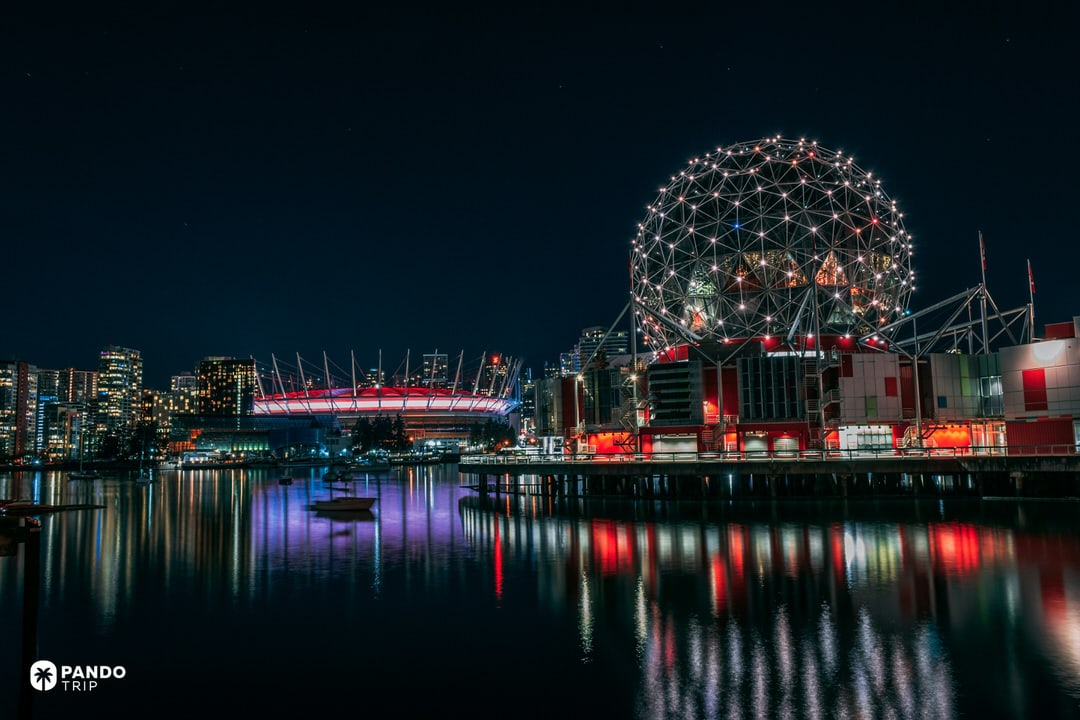
7. Vancouver and British Columbia, Canada
Selected by: National Geographic (Vancouver) and Lonely Planet (British Columbia)
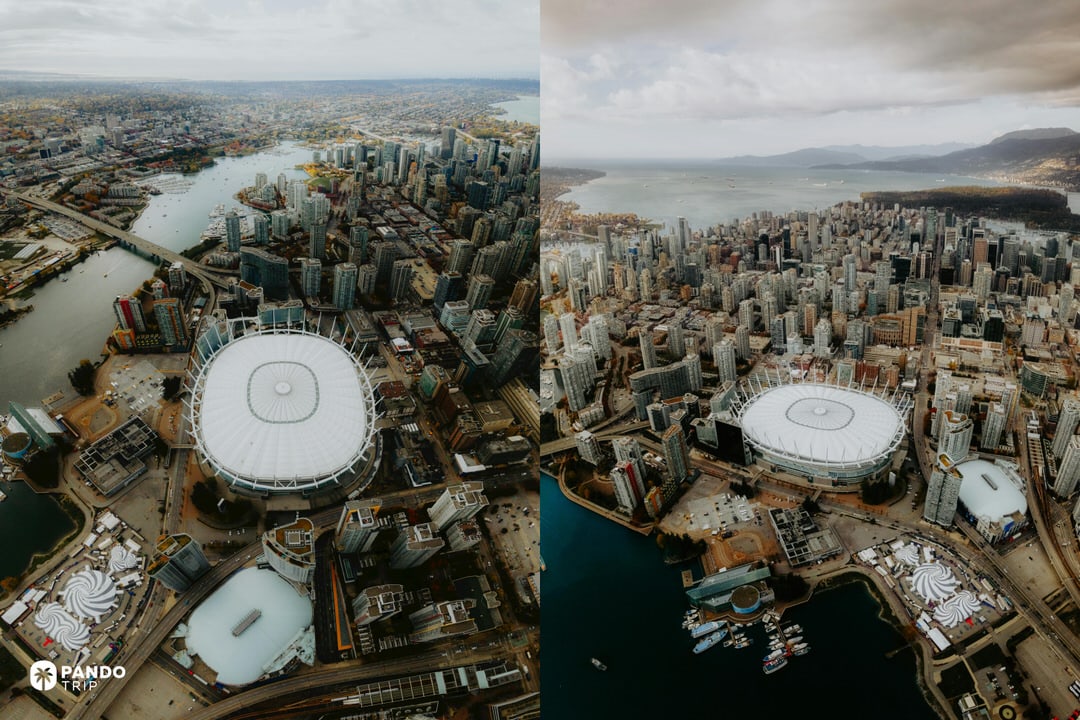
Vancouver co-hosts the FIFA World Cup in 2026.
National Geographic calls it the best of the 16 North American host cities for catching the event. Seven games across June and July. Even without tickets, the FIFA Fan Festival at Hastings Park offers bands, food vendors, and live match broadcasts for that collective sports-watching experience.
But using the World Cup as an excuse to visit British Columbia is like using a wedding as an excuse to visit wine country. The event matters less than the location.
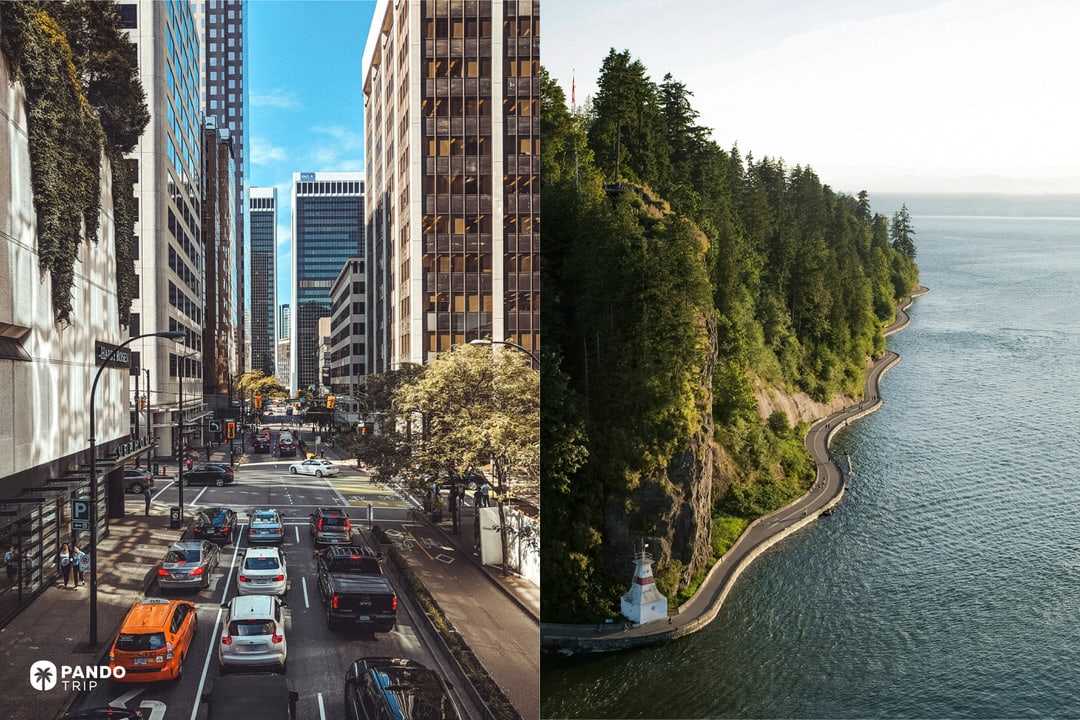
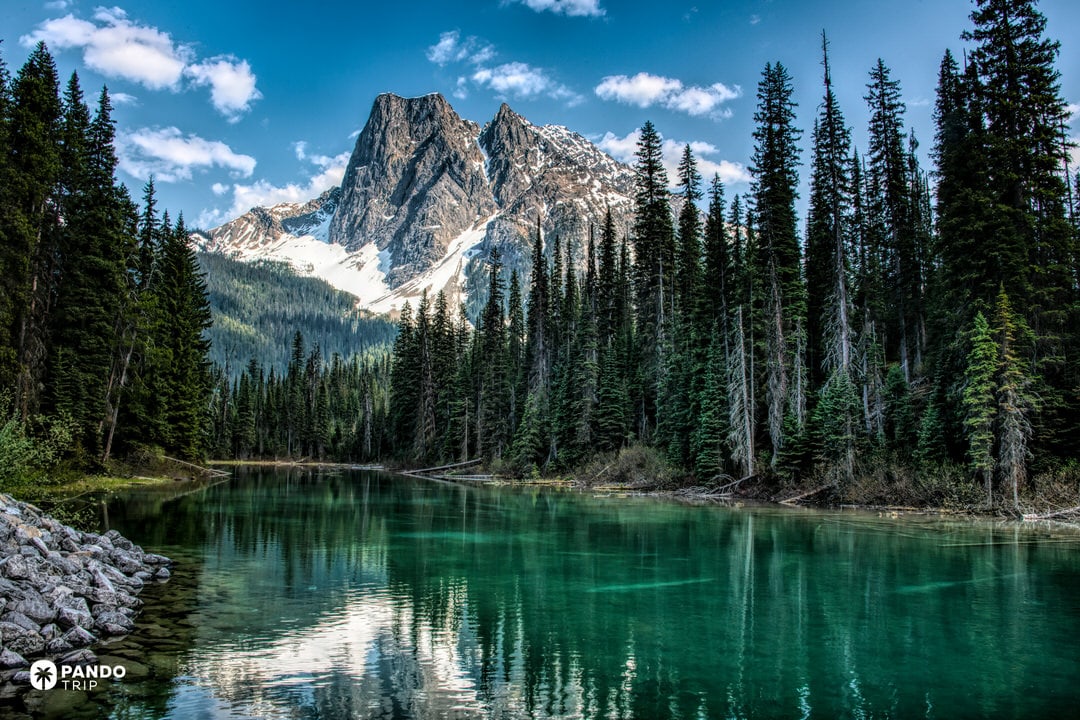
Vancouver is roughly one-tenth parkland. Grouse Mountain offers lift-serviced mountain biking trails just 15 minutes outside the city. Lonely Planet emphasizes the province’s natural beauty – mossy forests and saw-toothed mountains that look exactly like you’d expect Pacific Northwest wilderness to look.
British Columbia is the ancestral home of 204 First Nations. Indigenous-led tours offer a First Nations’ perspective on the city’s history. Not “authentic Indigenous experience” packaged for tourists. Actual Indigenous voices explaining their own stories.
Worth noting: Condé Nast Traveler selected an entirely different Canadian destination – Prince Edward County.
What the Overlap Actually Means
All seven destinations share a pattern: 2026 offers specific, time-sensitive reasons to visit.
Anniversaries. New openings. Cultural designations. Major events. These aren’t places that will be marginally better next year. They’re places having moments right now.
Whether you visit all seven or just one that resonates, the point isn’t completeness. It’s choosing deliberately instead of defaulting to wherever flights are cheapest or Instagram posts are densest.
That’s what these overlapping recommendations offer. Not definitive proof of “best” destinations – no such thing exists. Just strong signals about where things are happening in 2026, backed by editorial teams that rarely agree on anything.