
A lagoon forms when a shallow body of water becomes partly or completely separated from the sea by a natural barrier – a sand spit, barrier island, coral reef, or occasionally an uplifted rocky ridge. This separation creates distinct conditions: calmer waters than the open ocean, warmer temperatures due to shallow depths, and protection from waves and currents. The result is water that displays extraordinary colors – turquoise, azure, emerald – thanks to sandy bottoms and filtered sunlight.
These characteristics explain why lagoons draw millions of visitors annually. They offer safe swimming for families, reliable conditions when ocean swells make beaches dangerous, and encounters with marine life in controlled environments. But first, a clarification about two famous imposters.
The Famous Non-Lagoons
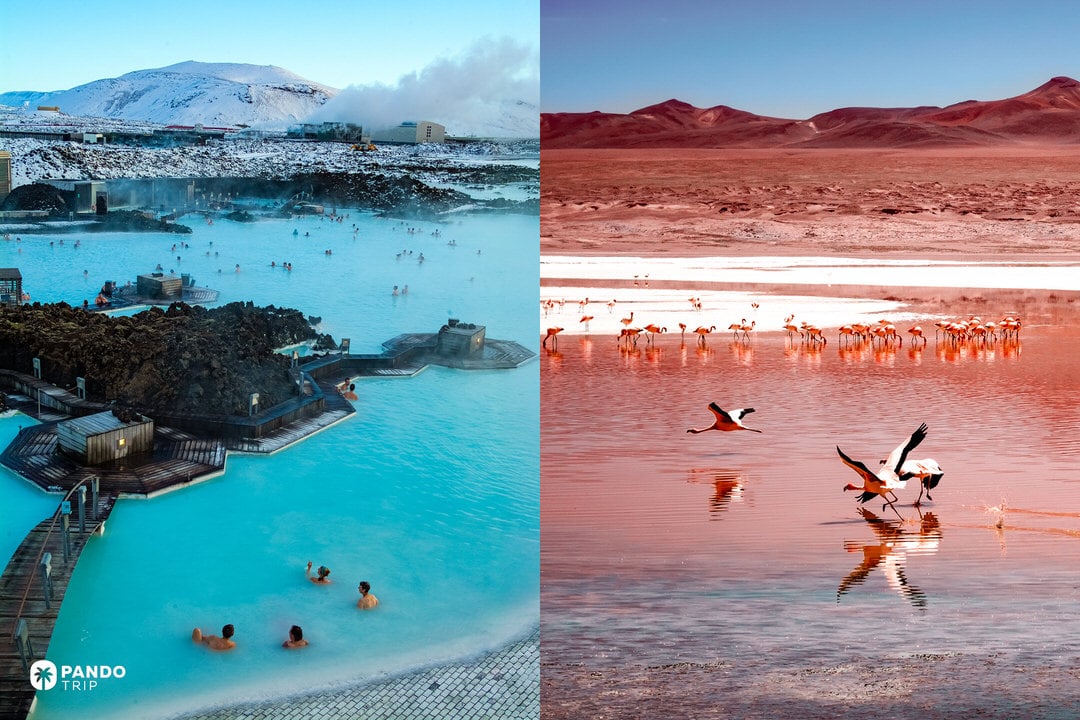
Iceland’s Blue Lagoon and Bolivia’s Laguna Colorada rank among the world’s most photographed “lagoons,” yet neither qualifies geomorphologically. The Blue Lagoon is a man-made geothermal pool created in the early 1980s from wastewater discharged by the Svartsengi power plant. Engineers periodically flush and refill it; there’s no natural barrier or connection to the ocean. The marketing term stuck because of its milky-blue color, but it’s a hot-water reservoir.
Laguna Colorada sits at 4,278 meters elevation in the Bolivian Andes – an endorheic salt lake fed by local runoff with no ocean connection. In Spanish, laguna simply means “lake,” leading to the English mistranslation. With that sorted, here are ten actual lagoons worth crossing oceans to see.
1. Aitutaki Lagoon, Cook Islands
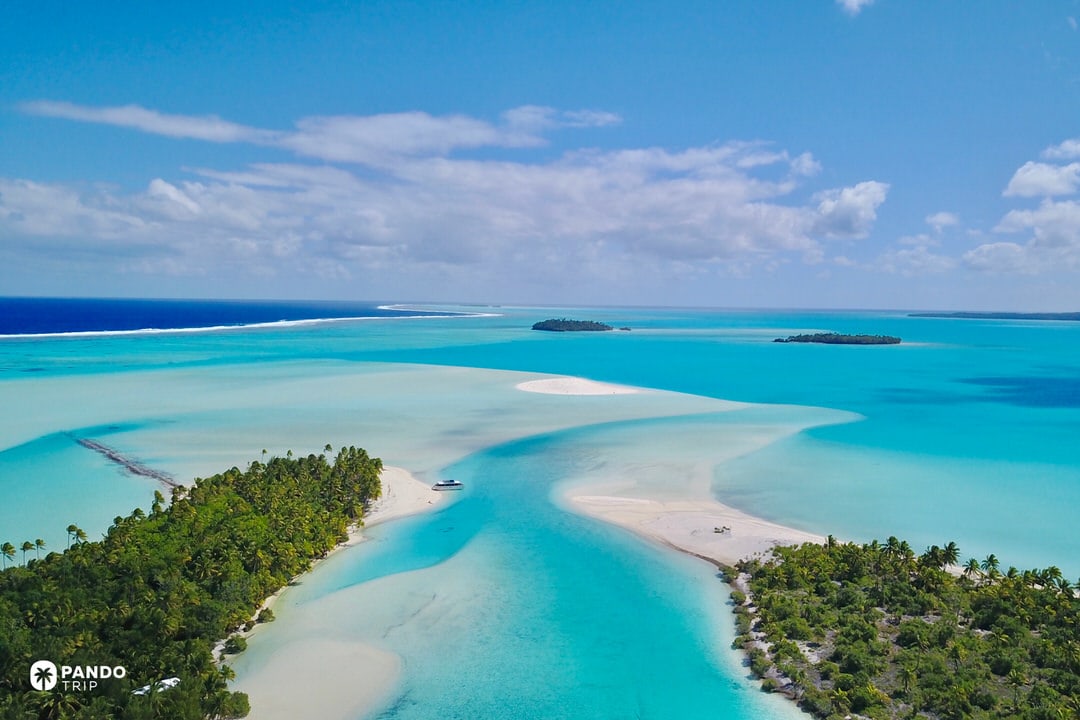
Aitutaki’s lagoon forms a near-perfect triangle of water encircled by coral reef and dotted with 15 tiny motu (islets). Each side stretches roughly 11 kilometers, yet most of the basin remains just two to eight meters deep. The volcano that created this atoll has long since subsided, leaving only low-lying rim islands and Mount Maungapu (124 meters) as a lookout over water so clear it appears backlit.
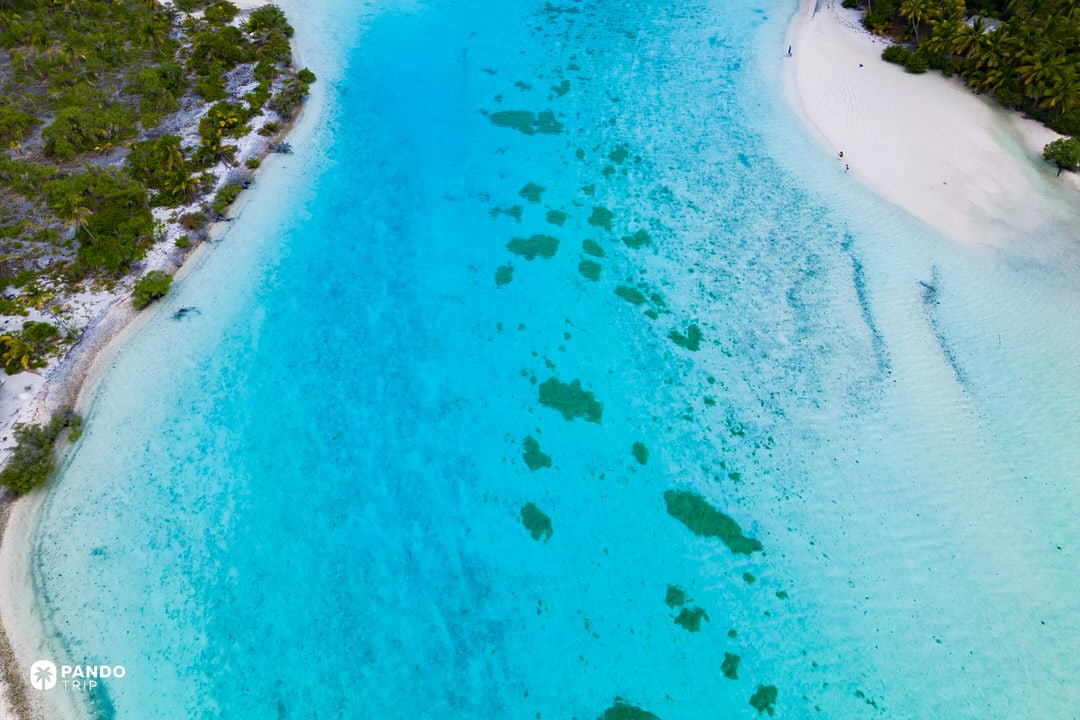
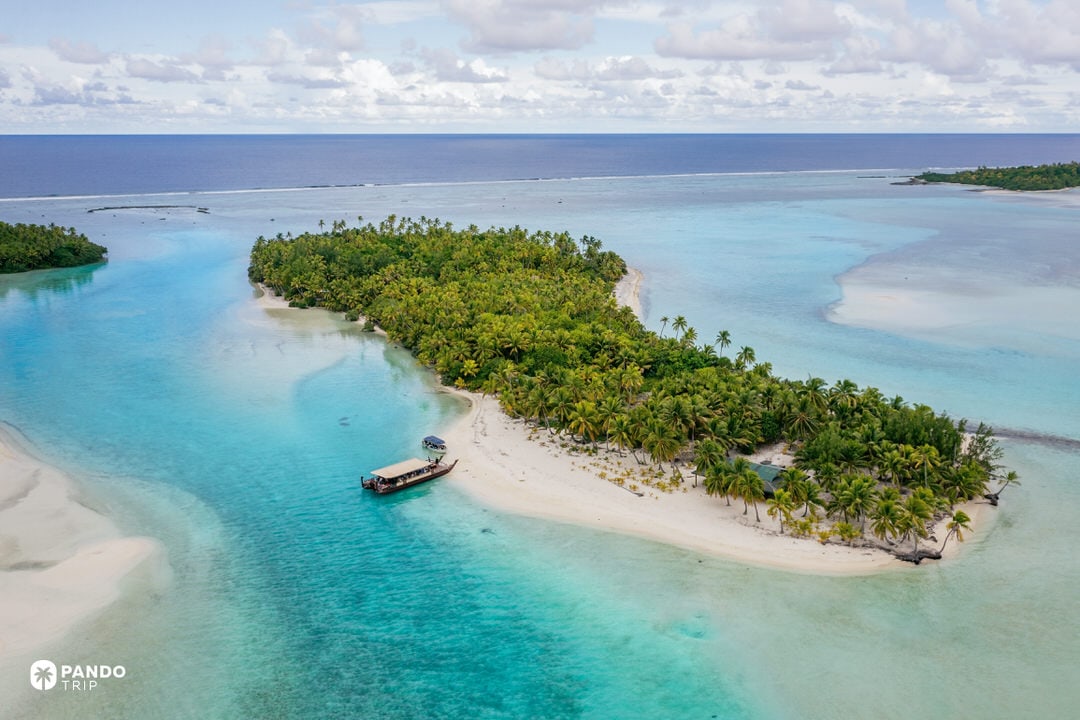
Morning tours glide across the transparent surface to uninhabited motus for picnics and snorkeling with unicornfish and sea turtles. Unlike Bora Bora, Aitutaki’s overwater bungalows come without crowds. Polynesian village nights feature authentic drumming and dancing, while night skies remain dark enough to paddle beneath the Milky Way.
2. Bora Bora, French Polynesia
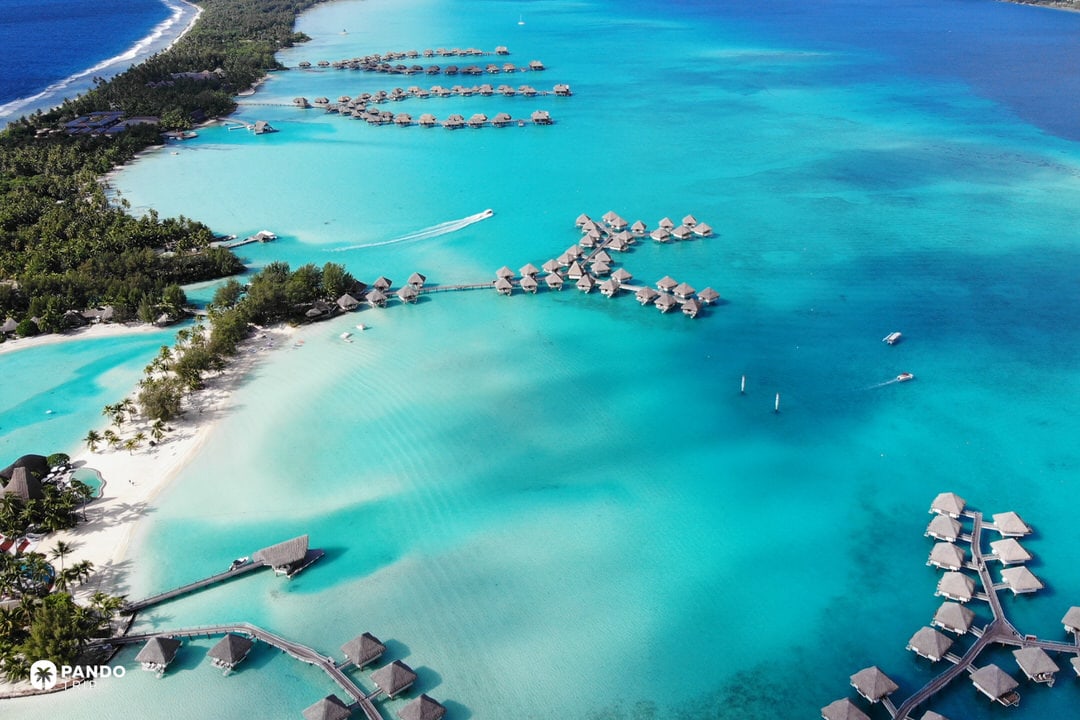
Bora Bora’s lagoon wraps the main volcanic island in a ring of blues and greens. A single deep pass – Teavanui – pierces the barrier reef, letting ocean swells enter an otherwise calm basin that’s mostly waist-to-chest deep. Sandy coral islets called motu form a protective necklace along the seaward rim, while Mount Otemanu (727 meters) and Mount Pahia rise from remnants of the three-million-year-old volcano.
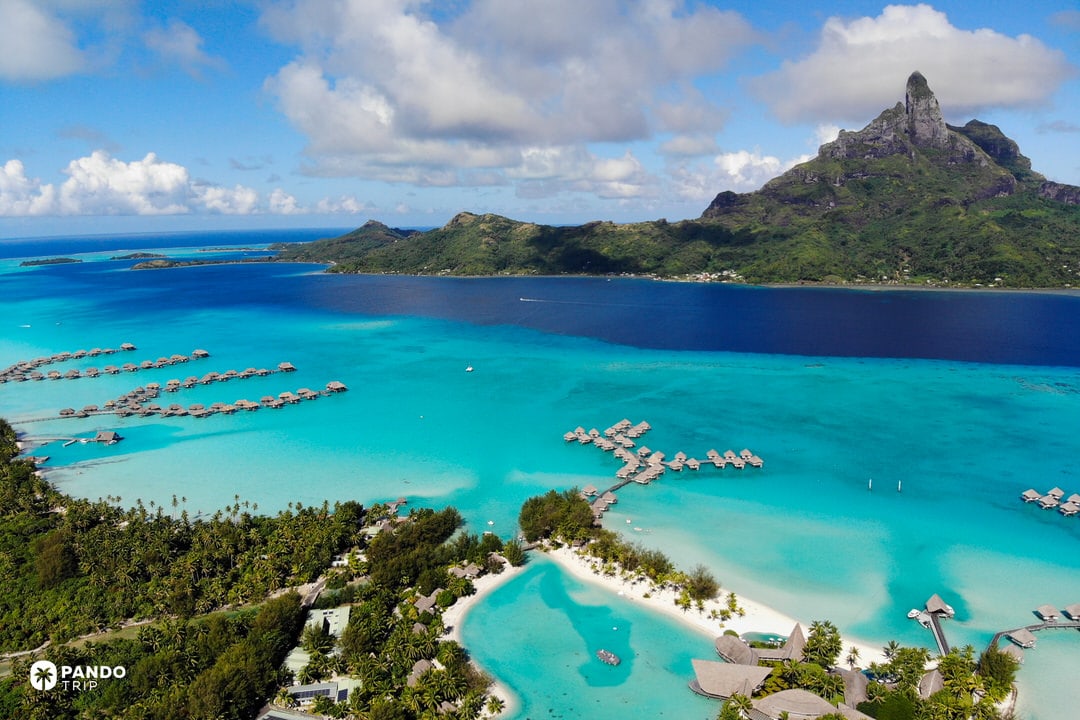
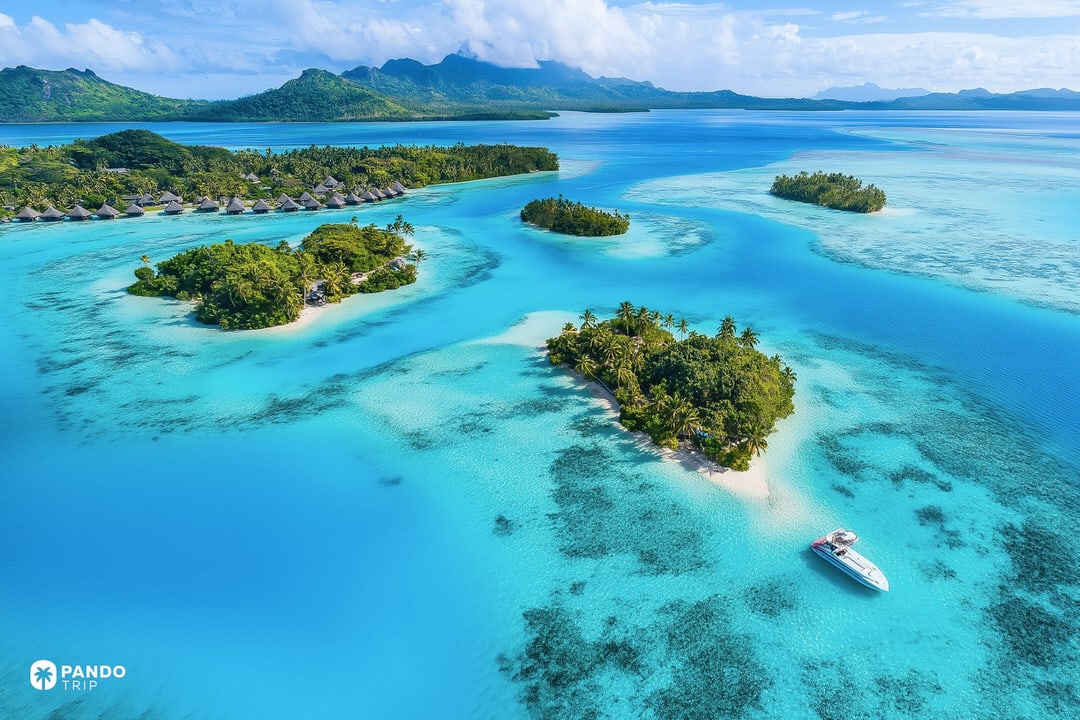
Transparent kayaks reveal coral gardens beneath your paddle strokes. Manta rays glide through designated snorkeling areas at midday. Overwater bungalows feature glass floor panels for lagoon viewing. The fusion of Polynesian hospitality, vanilla plantations, and fresh lagoon fish marinated in coconut and lime creates an experience beyond the postcard imagery.
3. Laguna Bacalar, Mexico
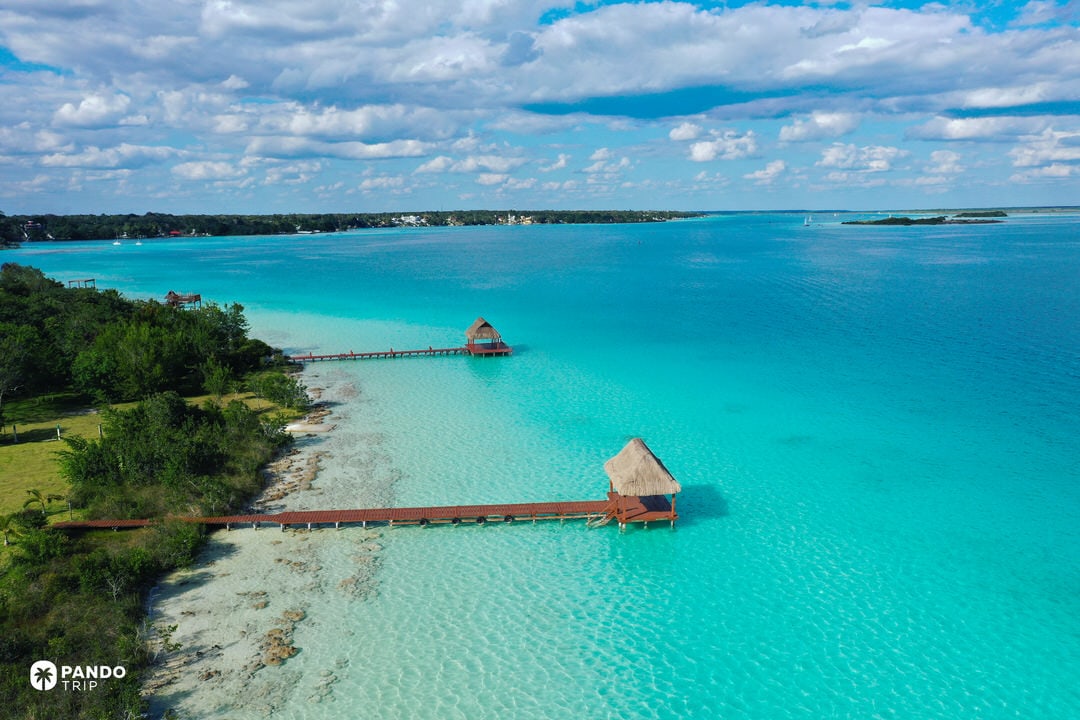
This 42-kilometer freshwater ribbon never exceeds two kilometers in width, earning the nickname “Lagoon of Seven Colors” as limestone shallows fade into cenote-fed sapphire pits. Ancient stromatolites – layered microbe fossils 3.5 billion years old – dot the southern shore like half-submerged brain coral, making this as much geological museum as swimming destination.
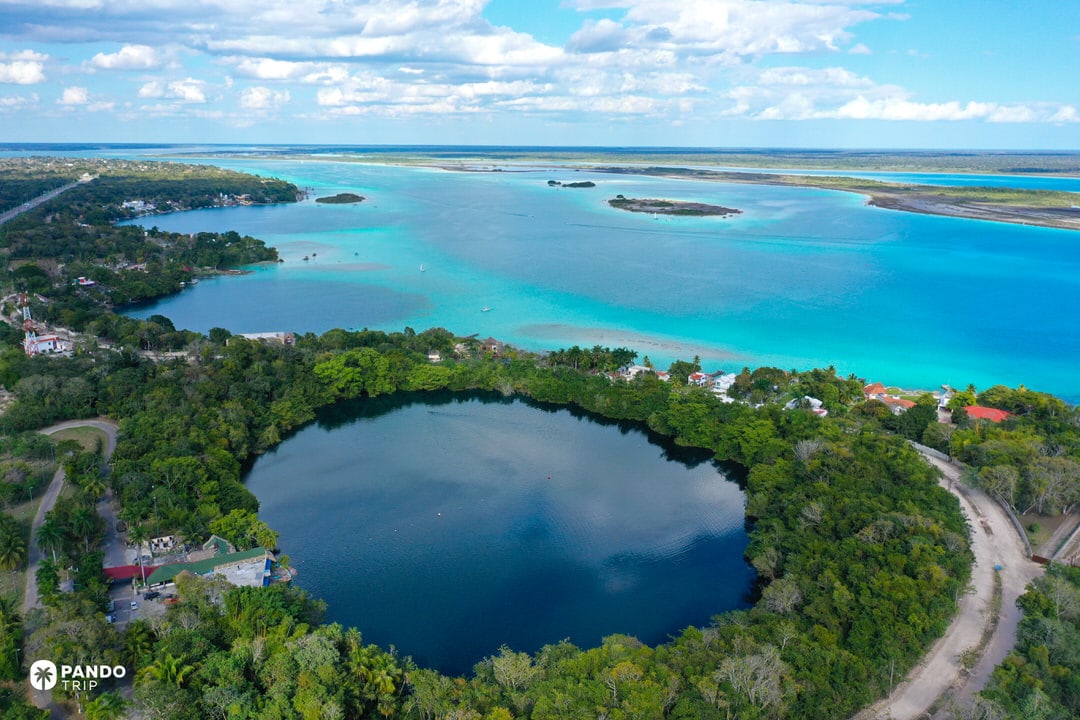
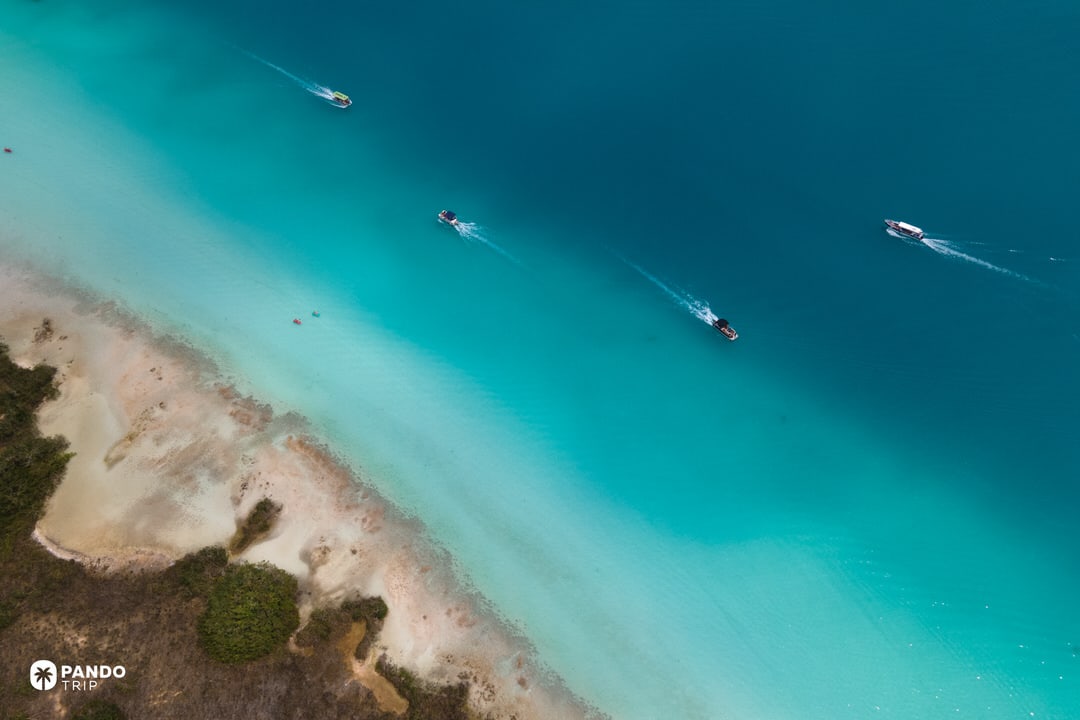
Dawn kayaking reveals water that shifts from mint to midnight blue with each stroke. Snorkeling beside fossils older than complex life on Earth provides perspective. The freshwater environment means no stinging jellyfish or aggressive marine life, just warm, mineral-rich water ideal for floating.
4. Venetian Lagoon, Italy
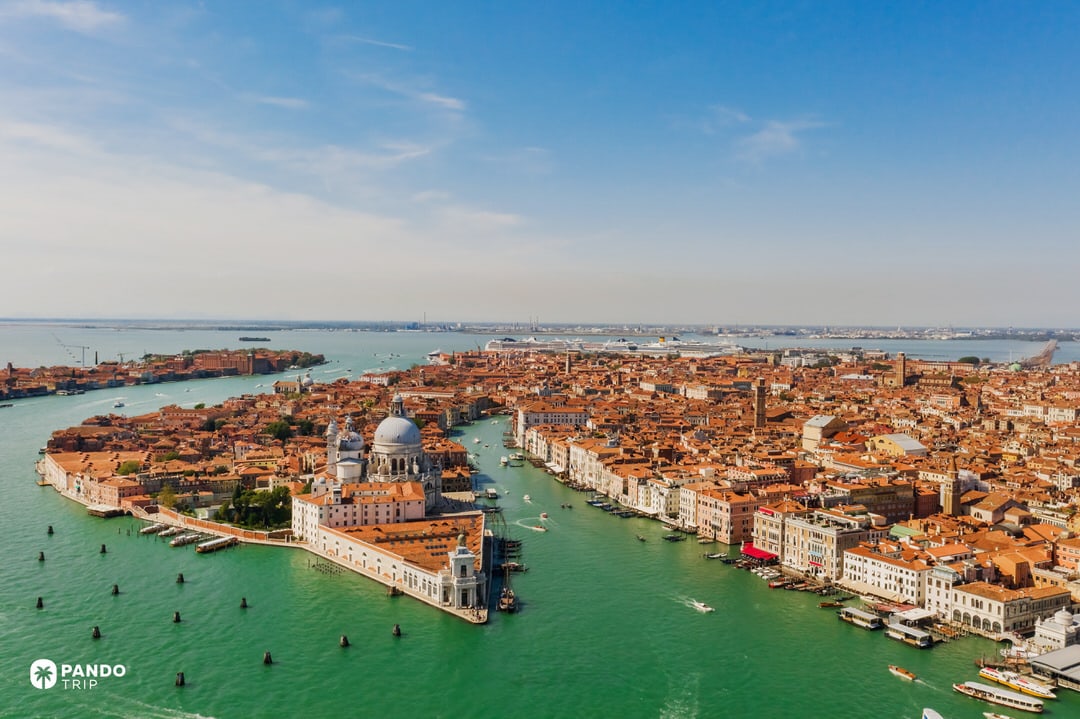
Spanning 550 square kilometers of tidal flats, salt marsh and channels, the Venetian Lagoon shelters 118 islands – including Venice itself – behind three inlets at Lido, Malamocco and Chioggia. Only 11 percent remains permanently open water; the rest appears and disappears with tides, creating the Mediterranean’s largest wetland and a UNESCO World Heritage site since 1987.
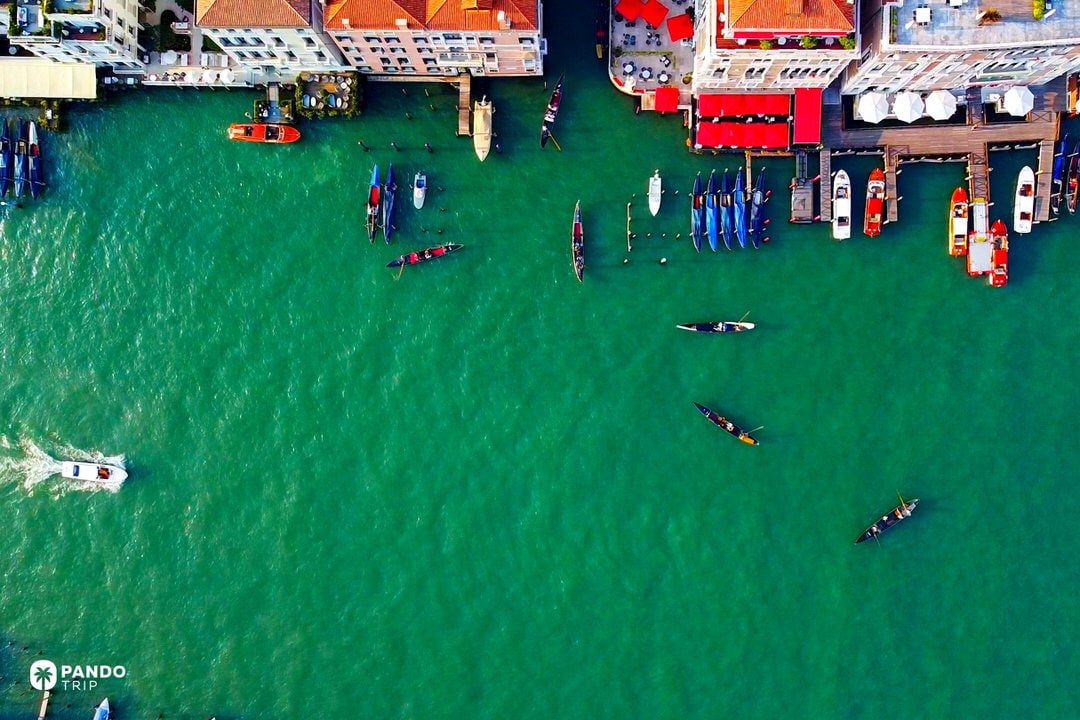
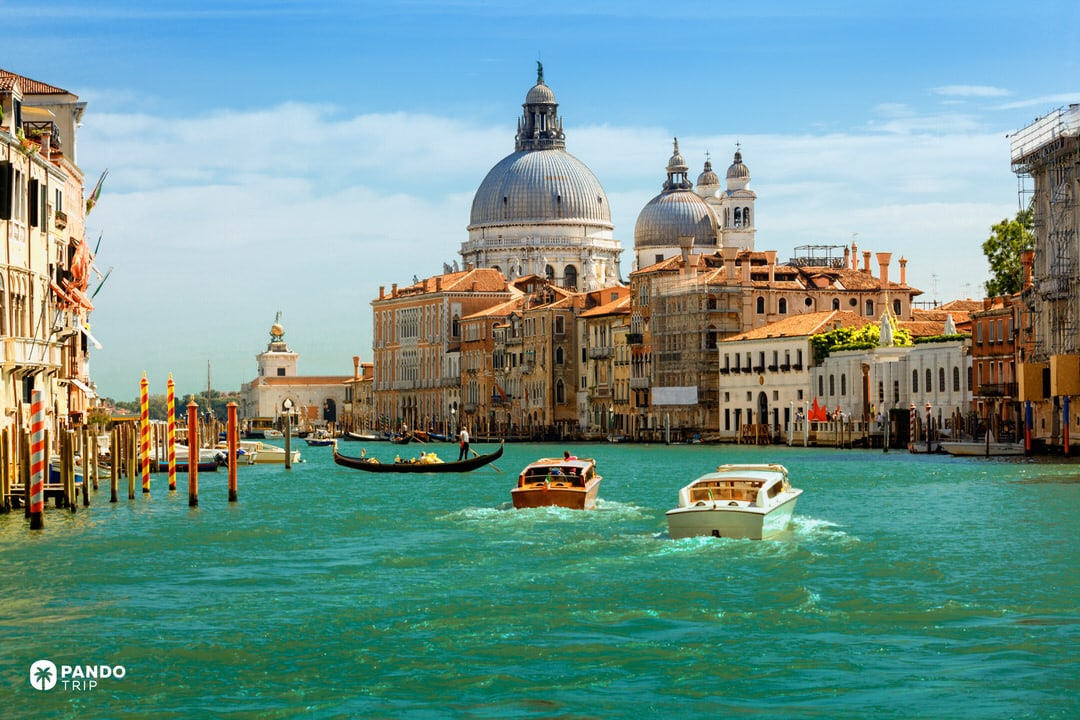
Vaporetto boats connect colorful Burano to quiet Torcello. Kayakers paddle past century-old fishing huts at sunset. The MOSE flood gates rise against acqua alta tides. Few places blend Renaissance art, wetland ecology and climate engineering so seamlessly. Add cicchetti bars and egrets stalking mudflats, and the lagoon becomes Venice’s brackish, beating heart.
5. Ölüdeniz (Blue Lagoon), Turkey
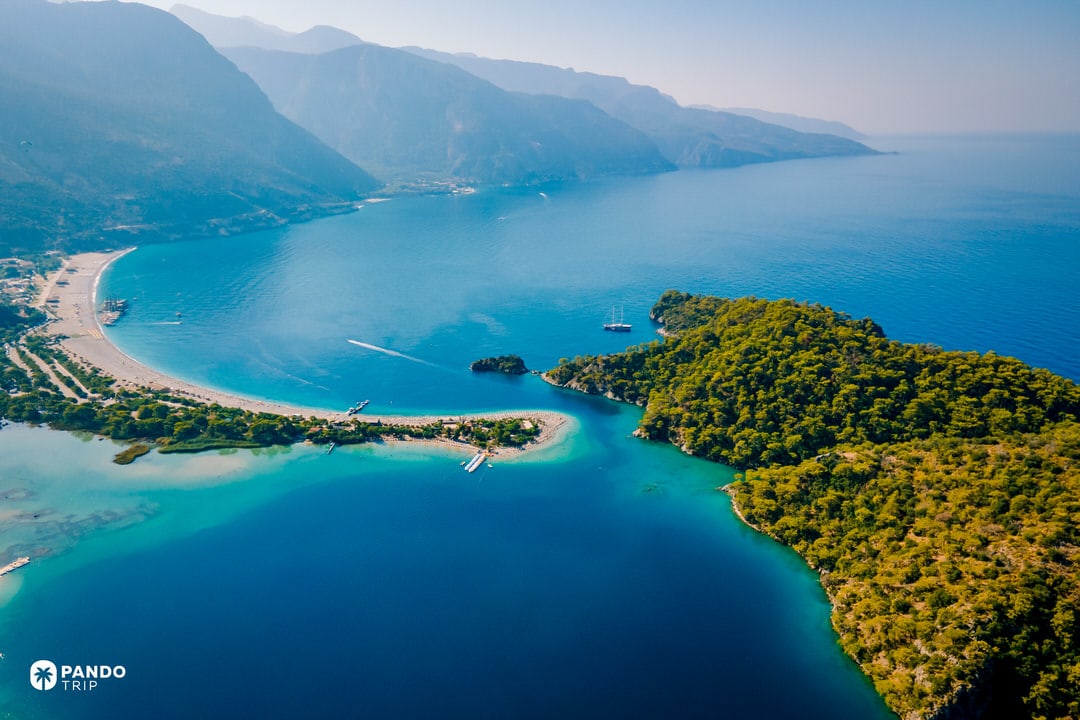
A sand spit curves protectively around Ölüdeniz, trapping seawater so calm locals call it the Dead Sea. Aquamarine shallows grade to cobalt where a narrow channel meets the Mediterranean, while pine-covered Mount Babadağ (1,969 meters) towers behind – the launch point for world-renowned paragliding. Construction inside this national nature reserve is forbidden; the pebble beach flies a Blue Flag for water quality.
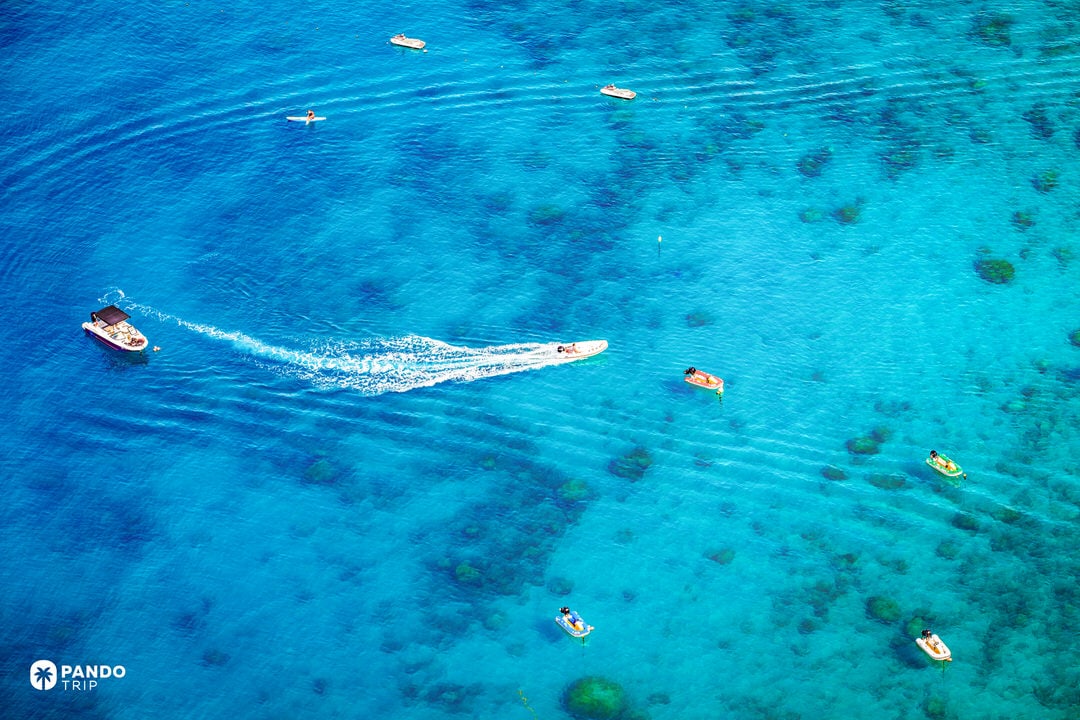
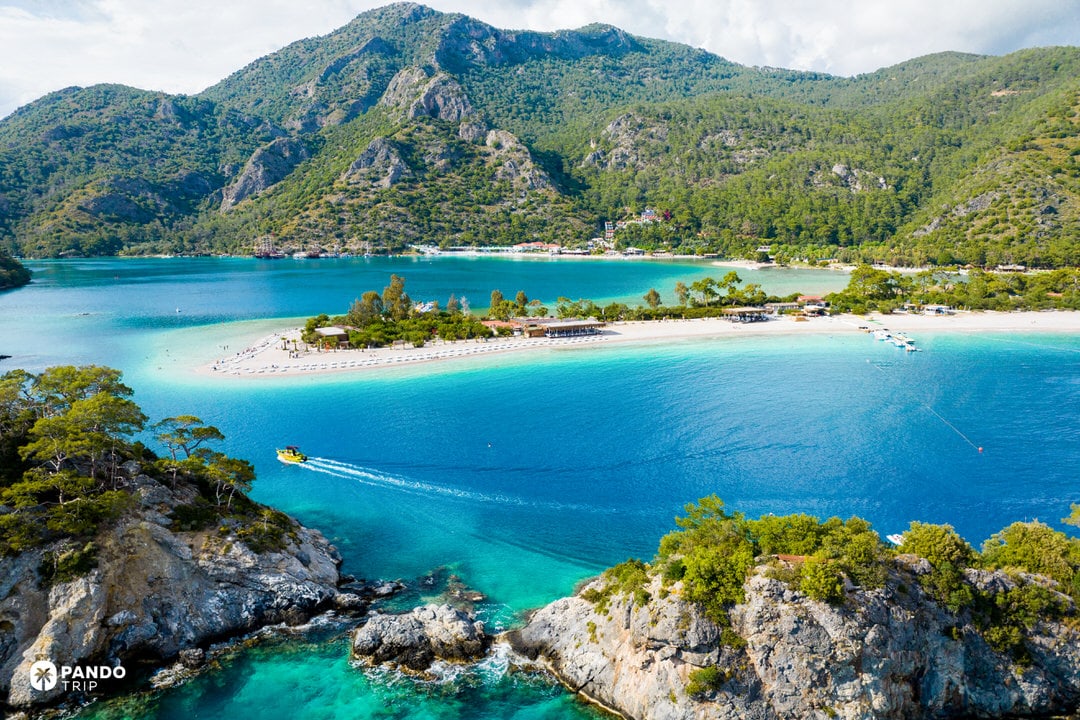
One moment you float in bath-warm water that rarely ripples; the next you’re tracking an eagle’s shadow while paragliding from Babadağ. Few destinations blend tranquil swimming and aerial thrills so seamlessly, all framed by ancient Lycian ruins and limestone cliffs.
6. Mar Menor, Spain

Europe’s largest saltwater lagoon covers 135 square kilometers in southeastern Spain, separated from the Mediterranean by La Manga, a 22-kilometer sandbar. The depth rarely exceeds seven meters across four municipalities: Cartagena, Los Alcázares, San Javier and San Pedro del Pinatar. Shallow waters warm quickly and remain comfortable through extended seasons.
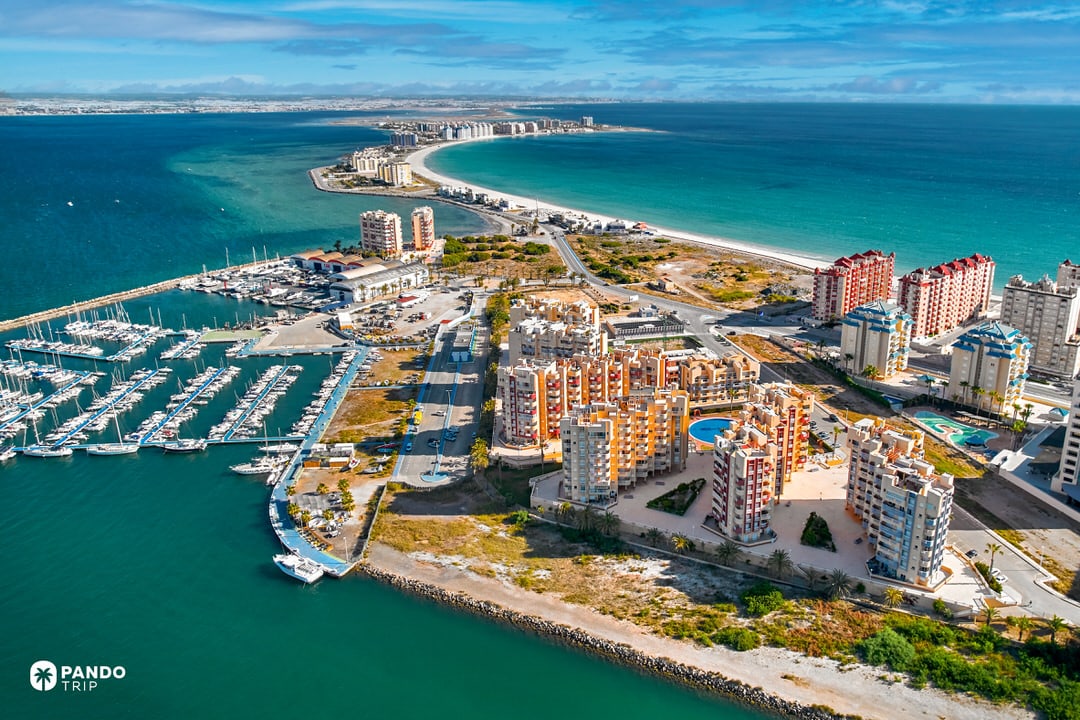
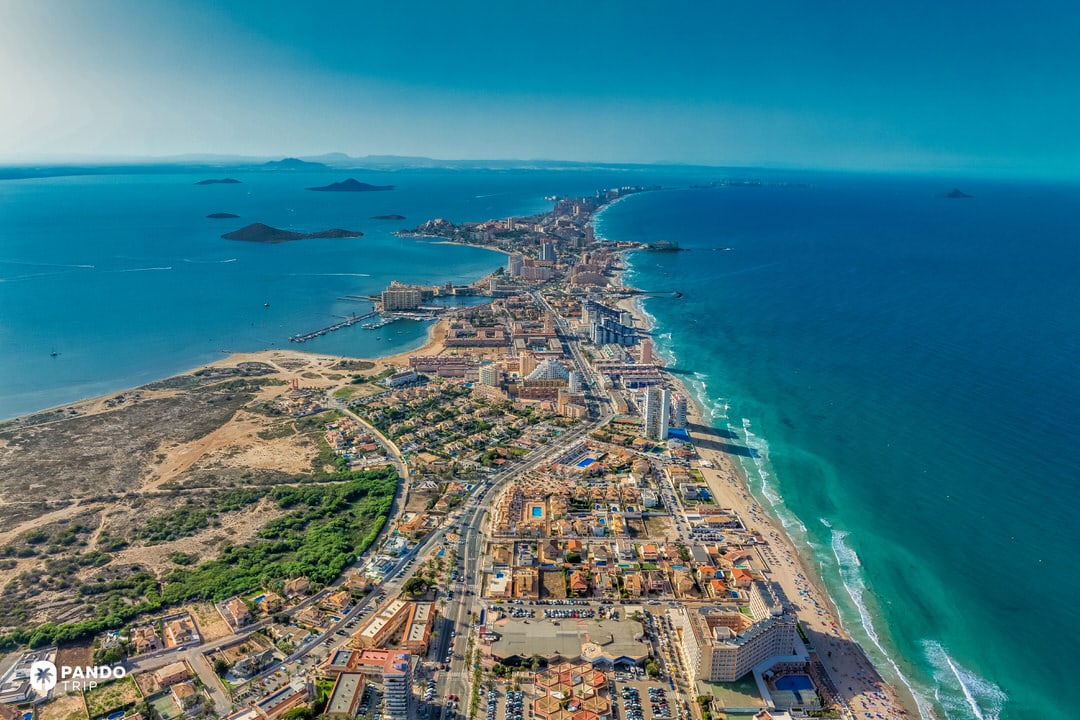
Dawn paddleboarding shares mirror-flat water with flamingos from neighboring salt flats. By afternoon, the same 28°C expanse becomes a kitesurfing playground. Tapas bars in Los Alcázares serve local dorada while recounting how Mar Menor became Europe’s first lagoon granted “rights of nature.”
7. Lord Howe Island Lagoon, Australia
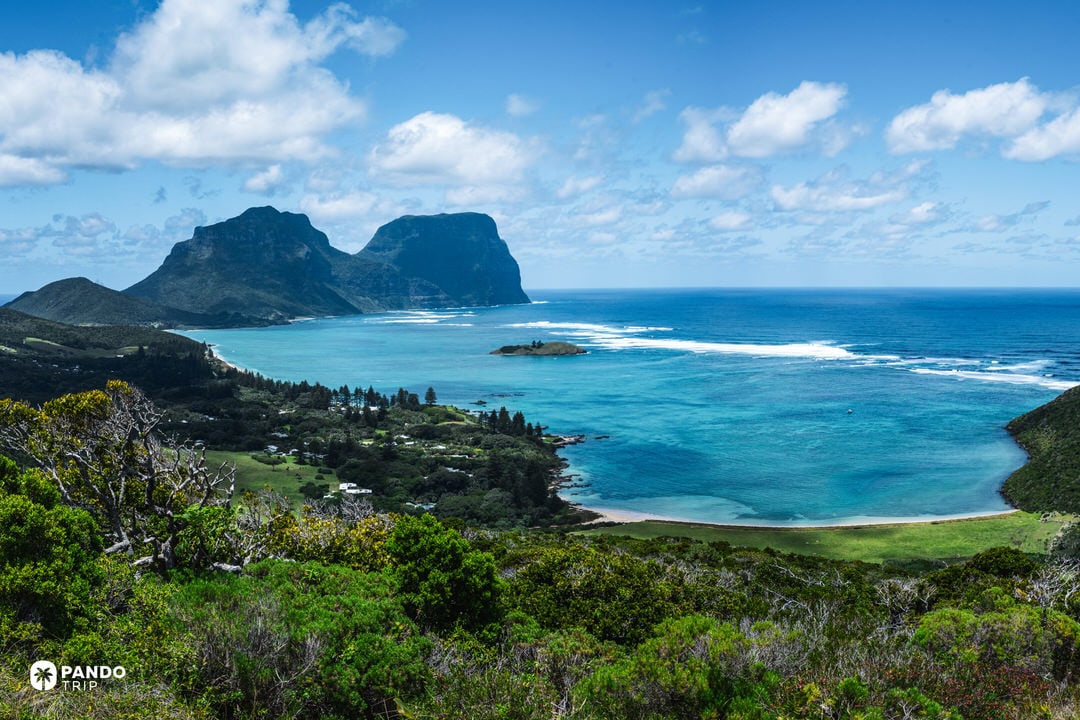
On Lord Howe Island’s sheltered side, the world’s southernmost barrier reef creates a turquoise lagoon stippled with coral bommies and stingray tracks. Twin volcanic peaks – Mount Lidgbird and Mount Gower – capture clouds that feed rainforests just 700 kilometers from Sydney. Daily visitor limits preserve the ecosystem.
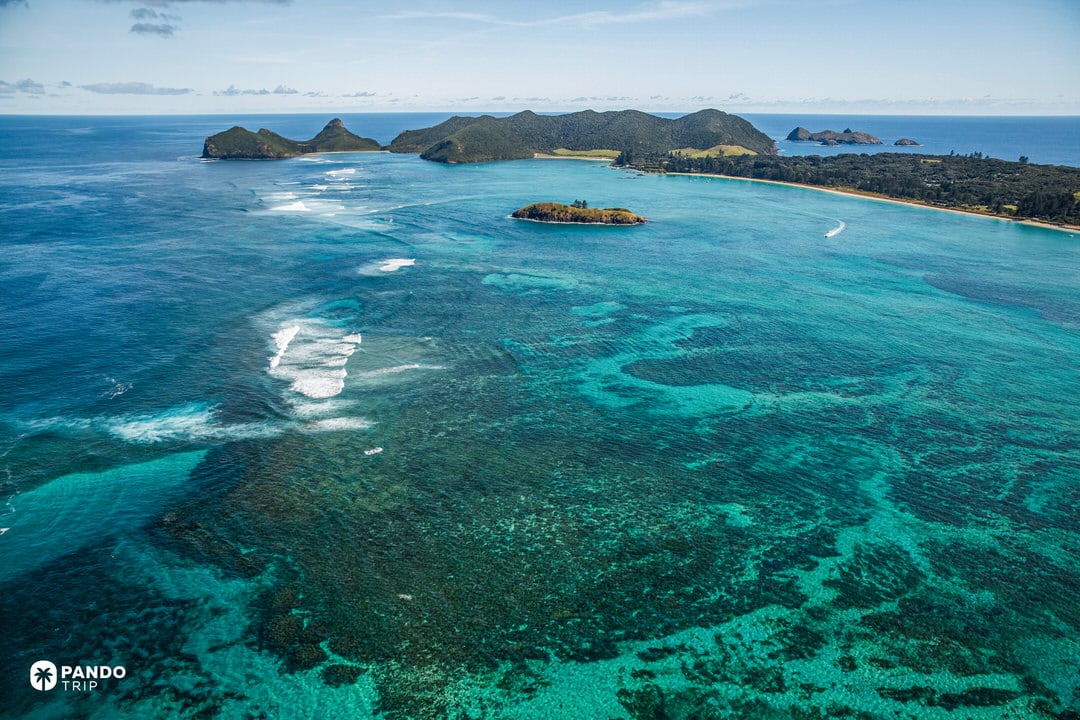
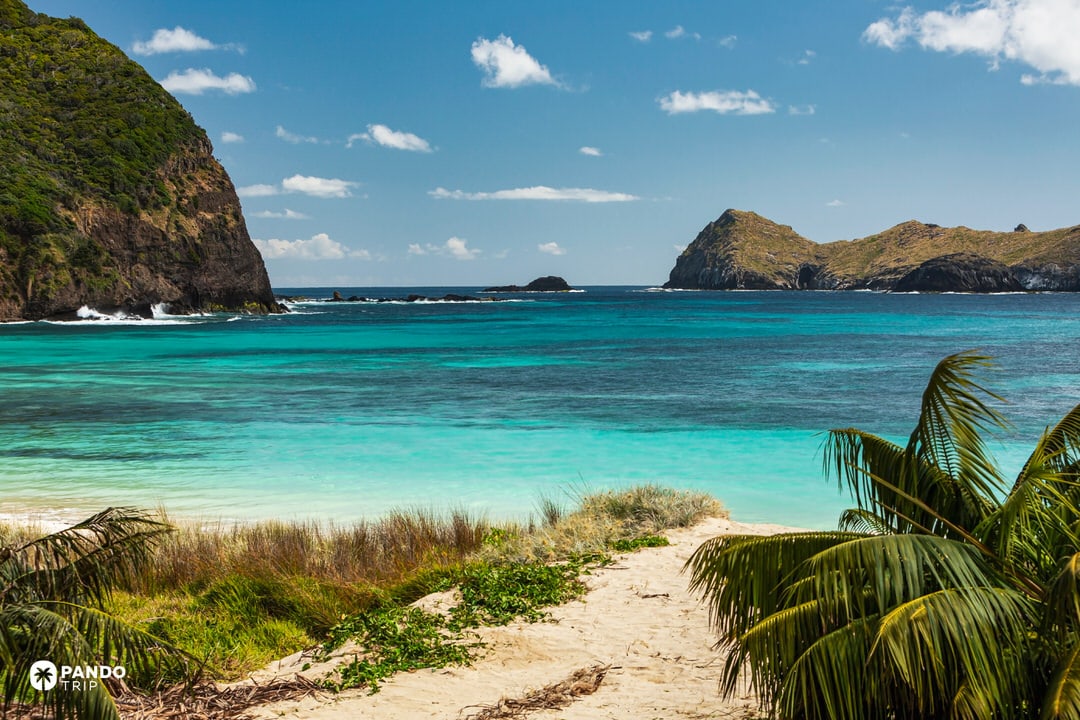
Morning snorkeling through coral gardens leads to afternoon hikes up cloud-forested Mount Gower. Beachside barbecues end beneath skies clear enough to reveal the Magellanic Clouds. The combination of tropical reef and temperate rainforest exists nowhere else at this latitude.
8. Walvis Bay Lagoon, Namibia
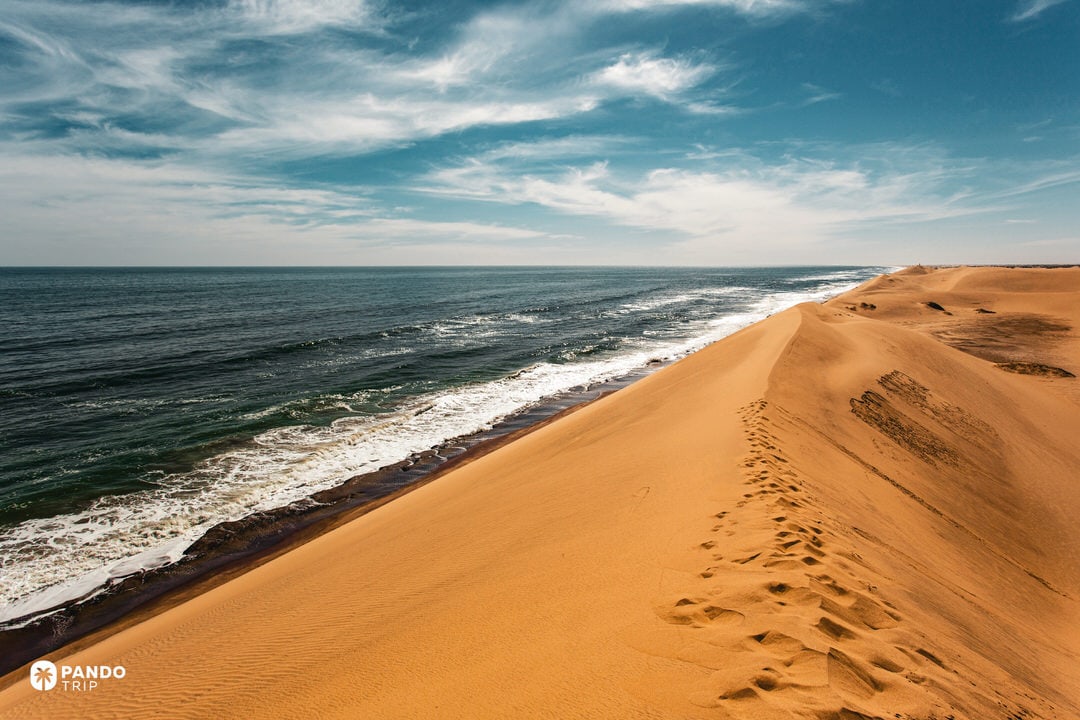
The Pelican Point sand spit shields Walvis Bay from Atlantic swells, creating tidal mudflats that glow pink with tens of thousands of flamingos in summer. Twice-daily tides flush nutrient-rich waters across the flats, attracting pelicans, Damara terns and surfing dolphins at the inlet.
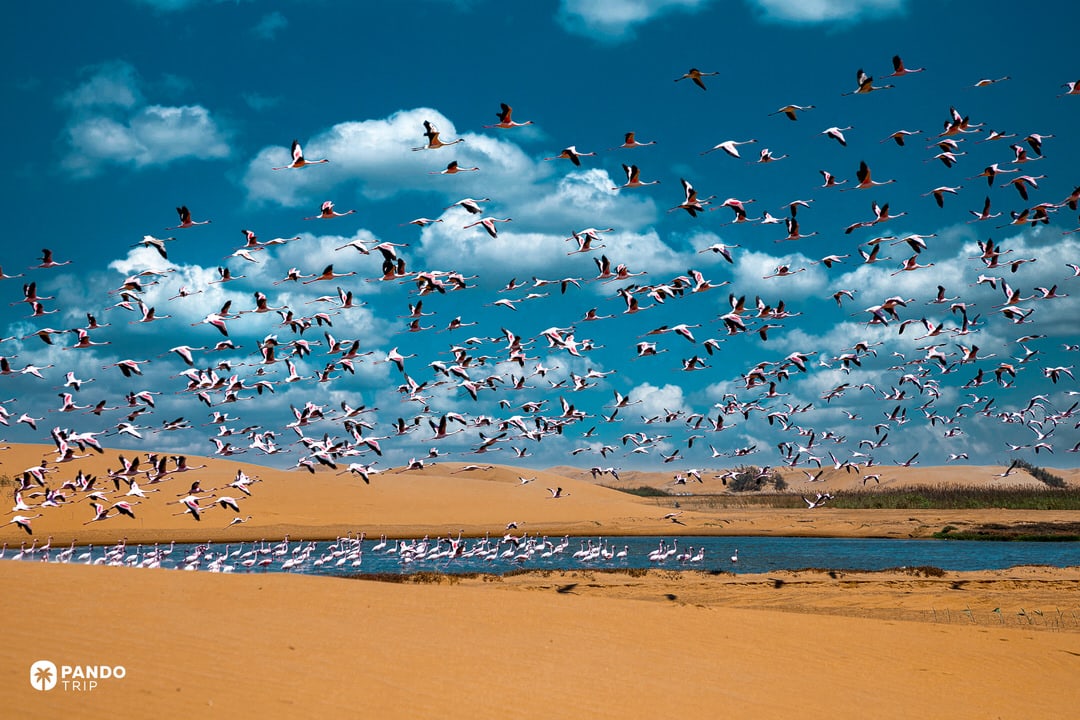
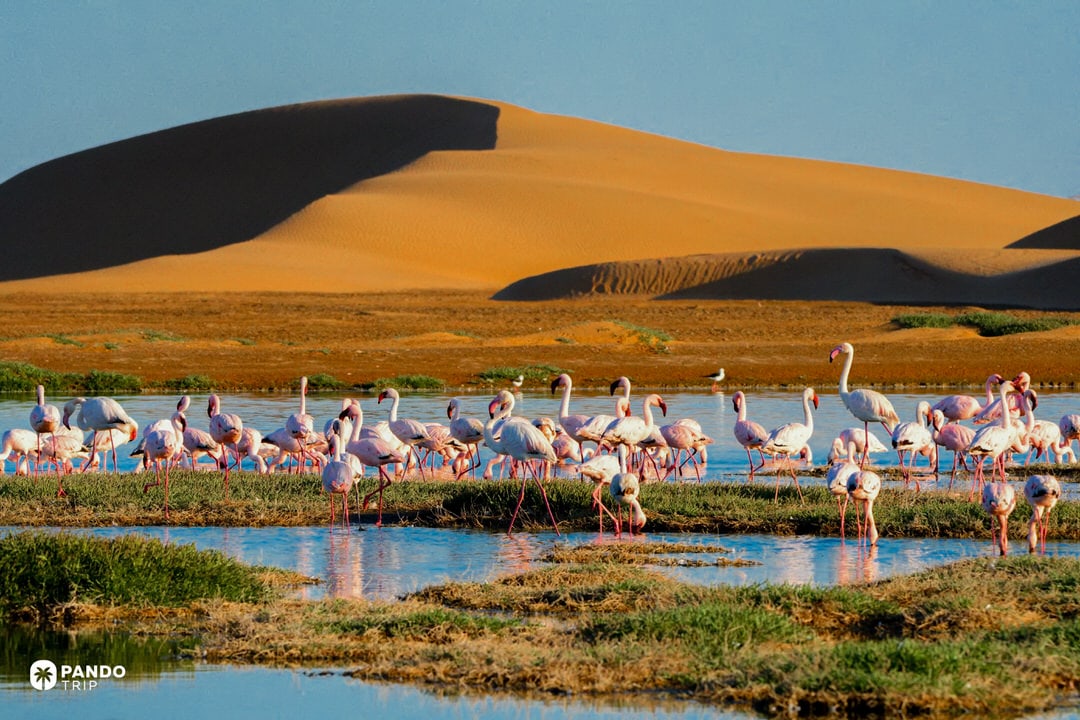
Dawn brings synchronized flamingo flights. Midday kayaking encounters seals and Benguela Current dolphins. A 15-minute drive reaches the Namib Desert’s towering dunes. Wildlife spectacle meets otherworldly landscape without requiring expedition-level logistics.
9. Puerto Balandra, Mexico
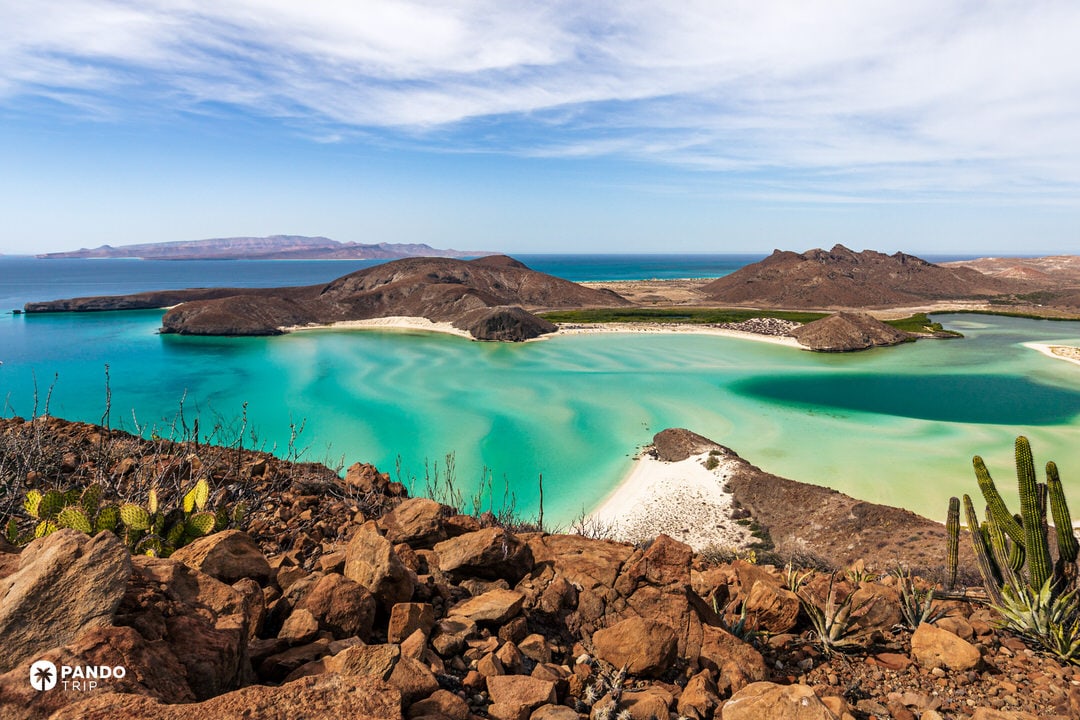
North of La Paz, seven coves merge into Puerto Balandra, where ankle-deep water stretches between cactus-ringed shores and mushroom-shaped limestone formations. Even at high tide, depths seldom exceed chest height, revealing white sandbars perfect for walking between beaches.
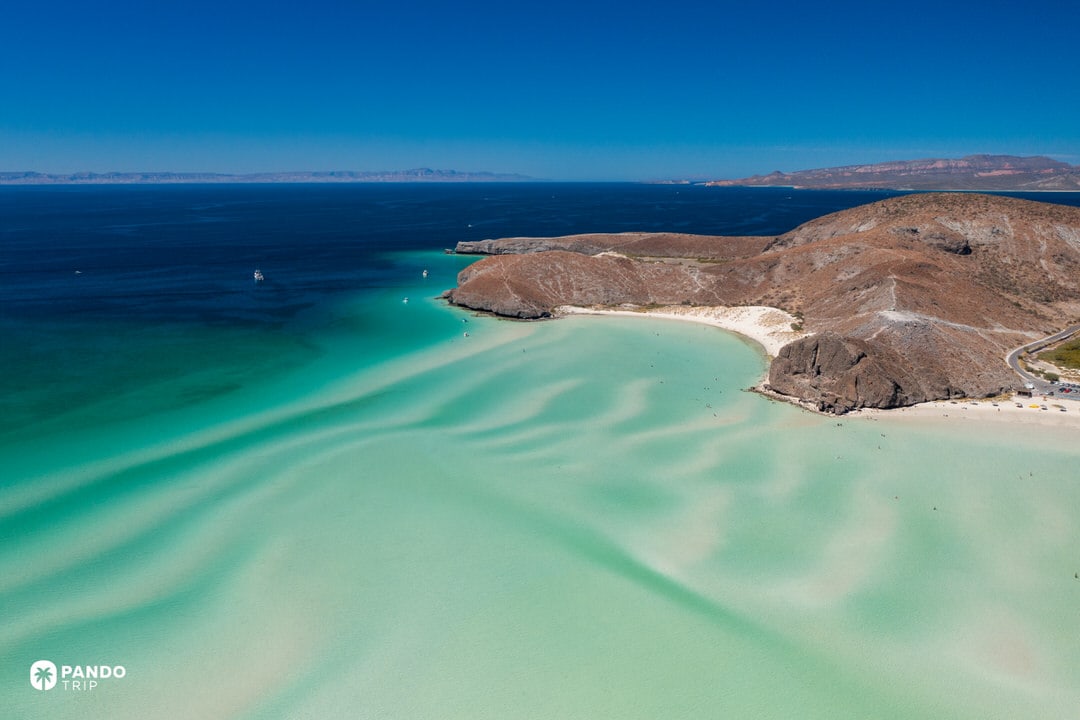
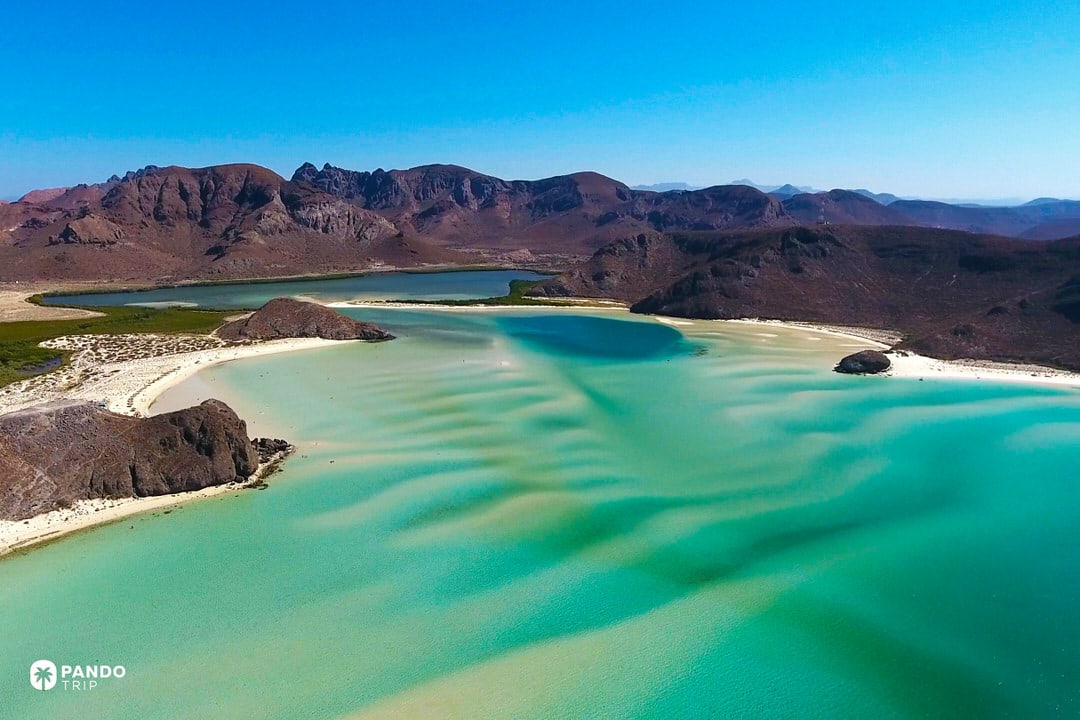
Wade through transparent shallows warm as bathwater. Paddle mangrove channels where rays and turtles cruise. Watch desert cliffs ignite at sunset. Balandra delivers accessibility – just minutes from La Paz – without sacrificing pristine conditions.
10. Rangiroa Lagoon, French Polynesia
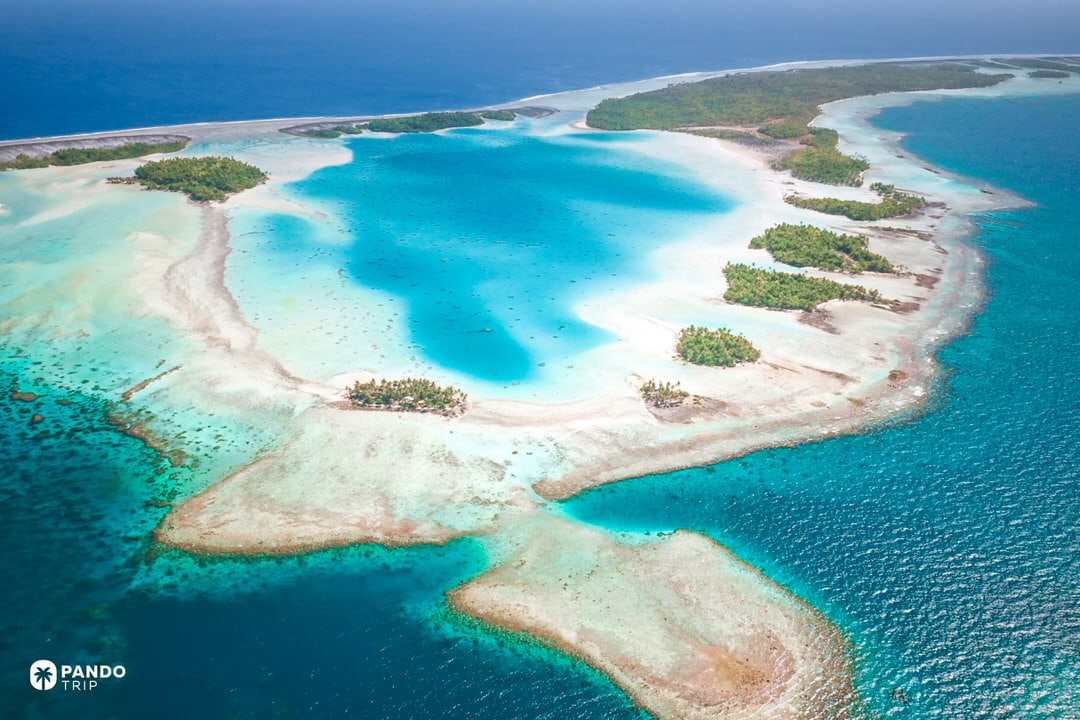
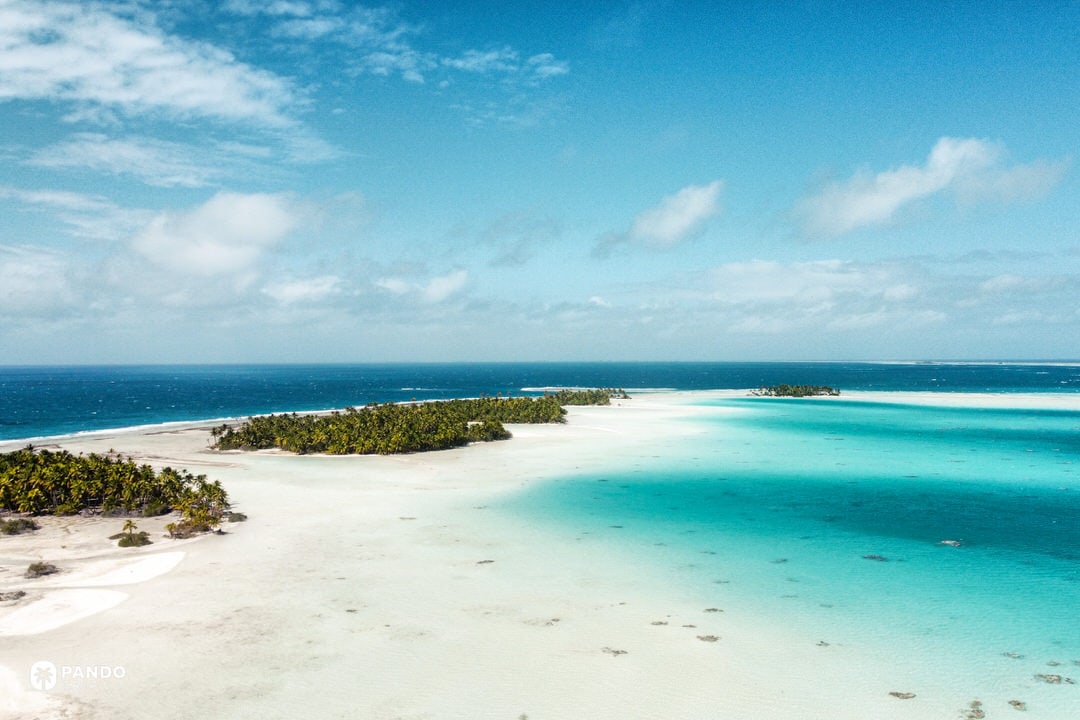
At 80 kilometers long and up to 32 kilometers wide, Rangiroa resembles an inland sea more than an atoll – a pale expanse vast enough to generate its own weather. Two major passes, Tiputa and Avatoru, funnel ocean currents that create nutrient plumes, earning Jacques Cousteau’s description as “a natural aquarium.”
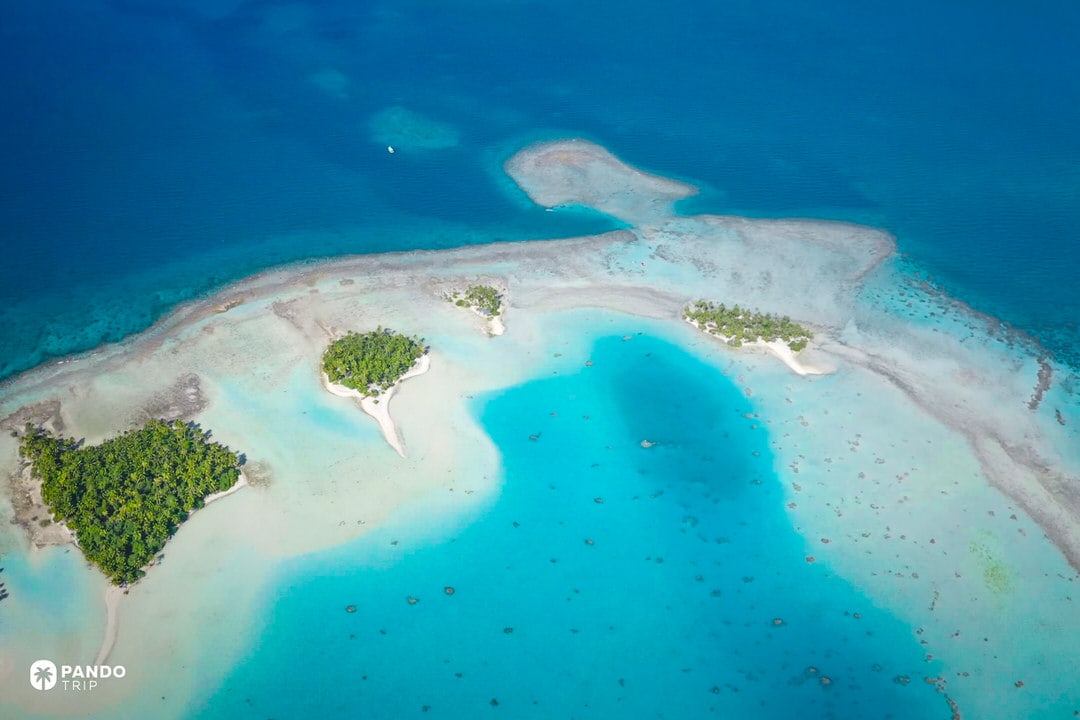
Drift dives through Tiputa Pass encounter walls of grey sharks at dawn. The Blue Lagoon – a lagoon within the lagoon – offers palm-fringed motu picnics by noon. Sunset brings dolphins surfing the pass while you sip wine from Tuamotu’s unlikely vineyards. Rangiroa compresses an ocean’s biodiversity into one translucent pool.