
The water that actually holds the records is colder, harder to reach and nothing like the postcard. (Sorry.)
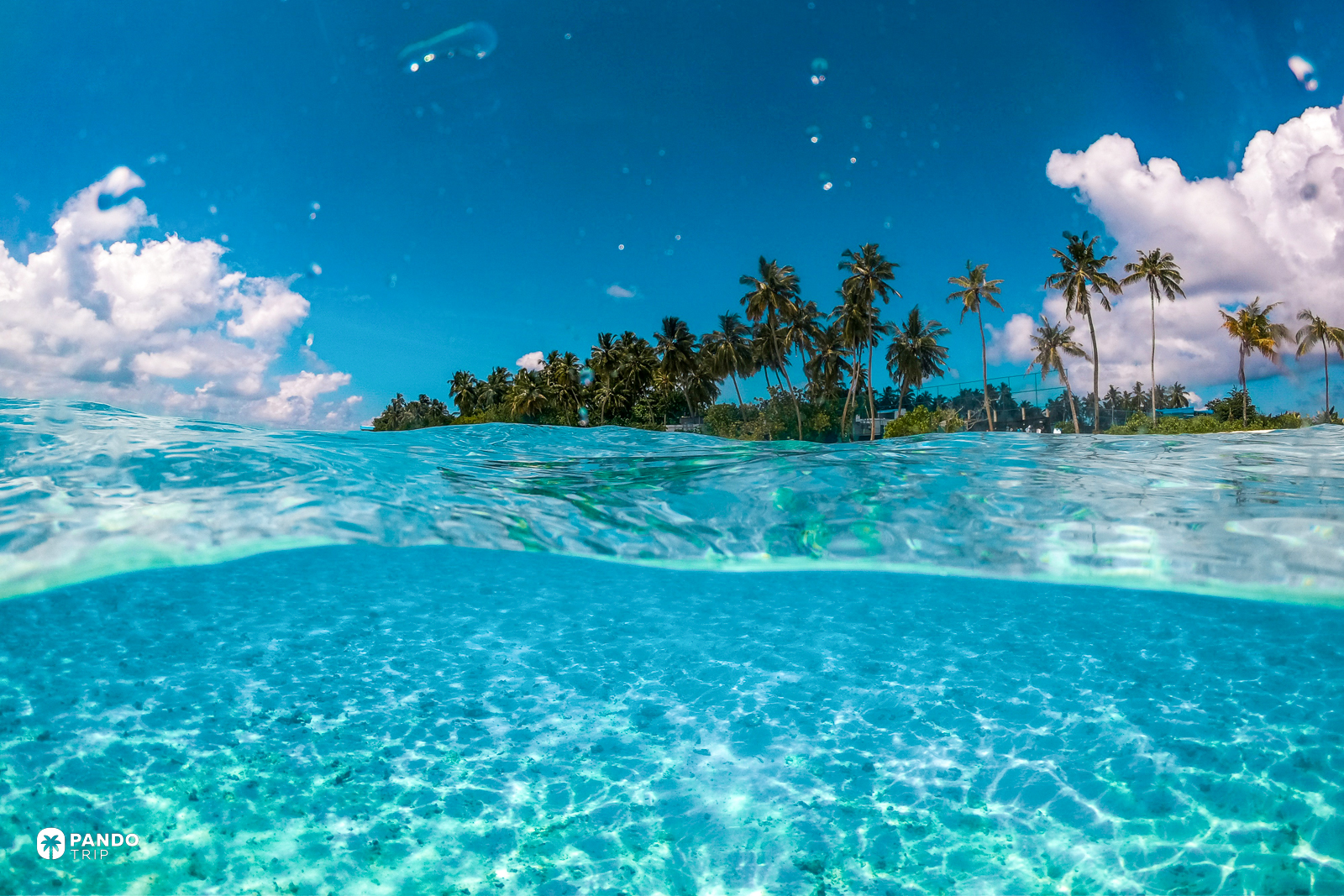
The picture in your head is a metre or two deep. That is the honest answer to why Maldivian water photographs like glass: you are looking through the reef flat off an island’s beach, not the atoll lagoon behind it, and the floor under it is ground-up coral, molluscs and foraminifera — the brightest of the twelve reef bottom-types measured across three oceans, on thirteen thousand spectra. Bright floor, shallow water, one exposure. Nobody has ever put a disc into it.
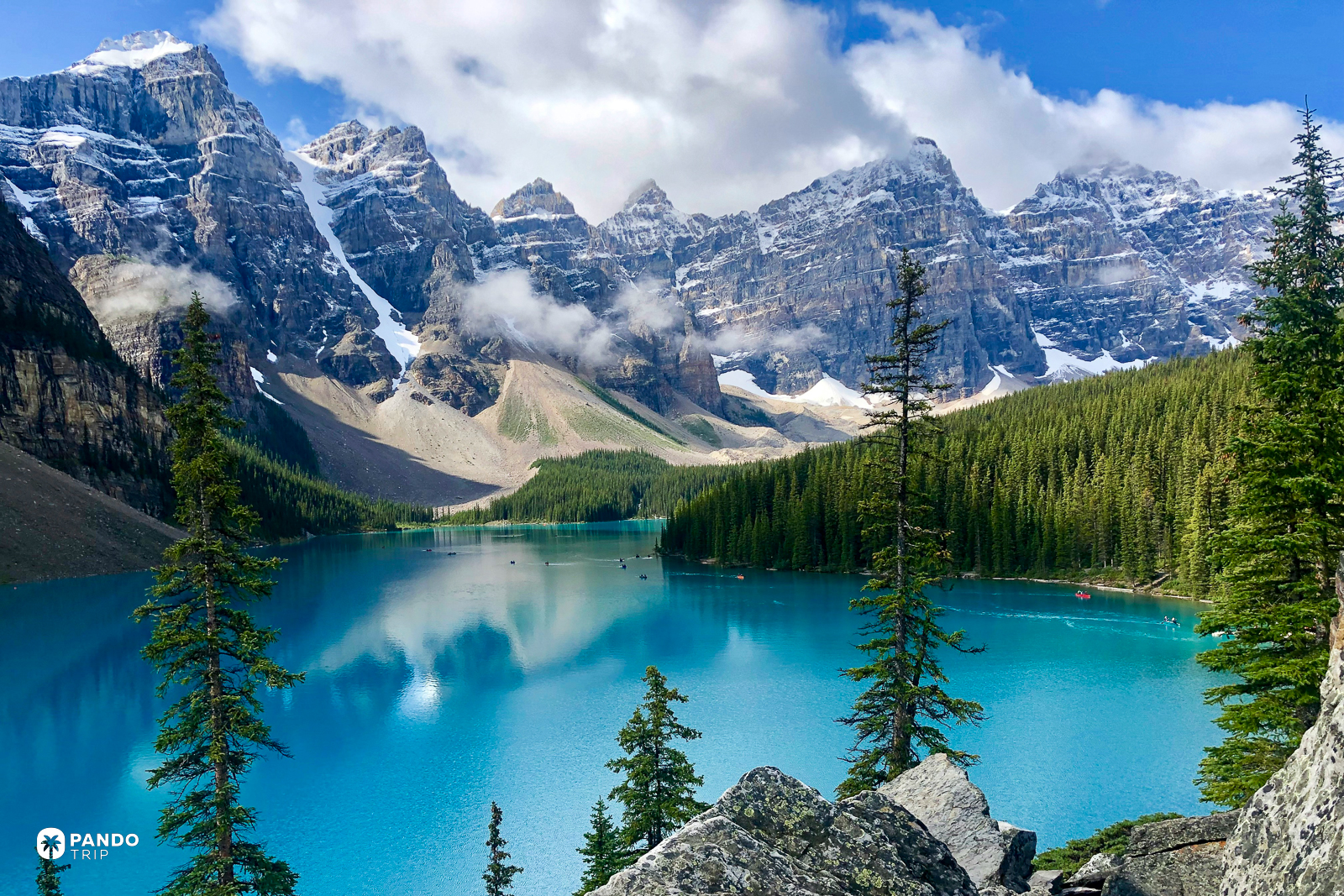
Where the water is deep and the colour is famous, the colour is usually the problem. Moraine Lake’s turquoise is quartzite and limestone milled down to a few thousandths of a millimetre, too fine to sink, throwing blue-green light back out at you. It looks best in high summer, which is when it carries the most sediment.
Clarity is a measured quantity. These are the ten clearest waters anyone has measured that you can still go and look at, ranked by the clearest figure on each one’s record — every one taken with a disc on a line, lowered until it disappears.
First, the three you cannot have
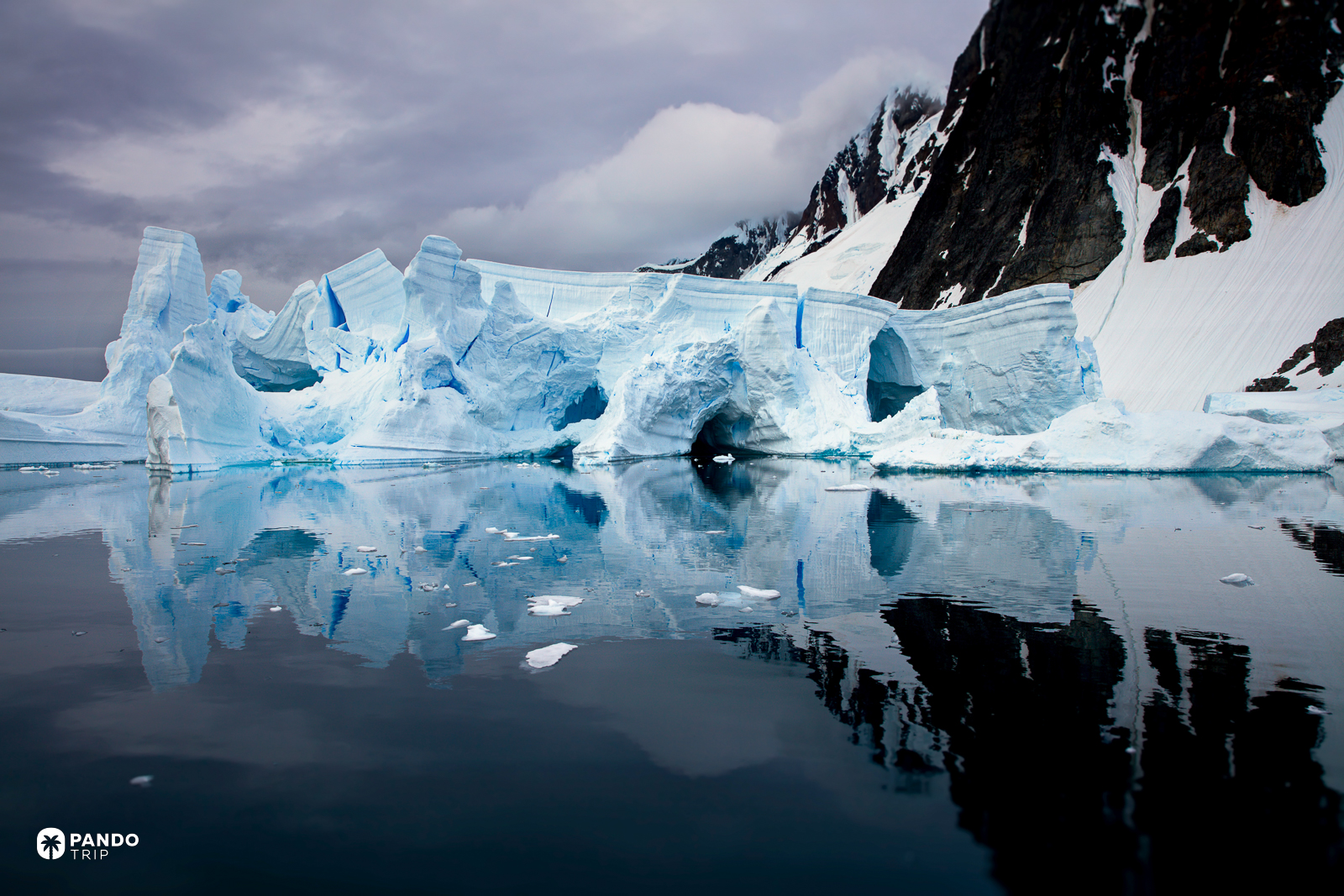
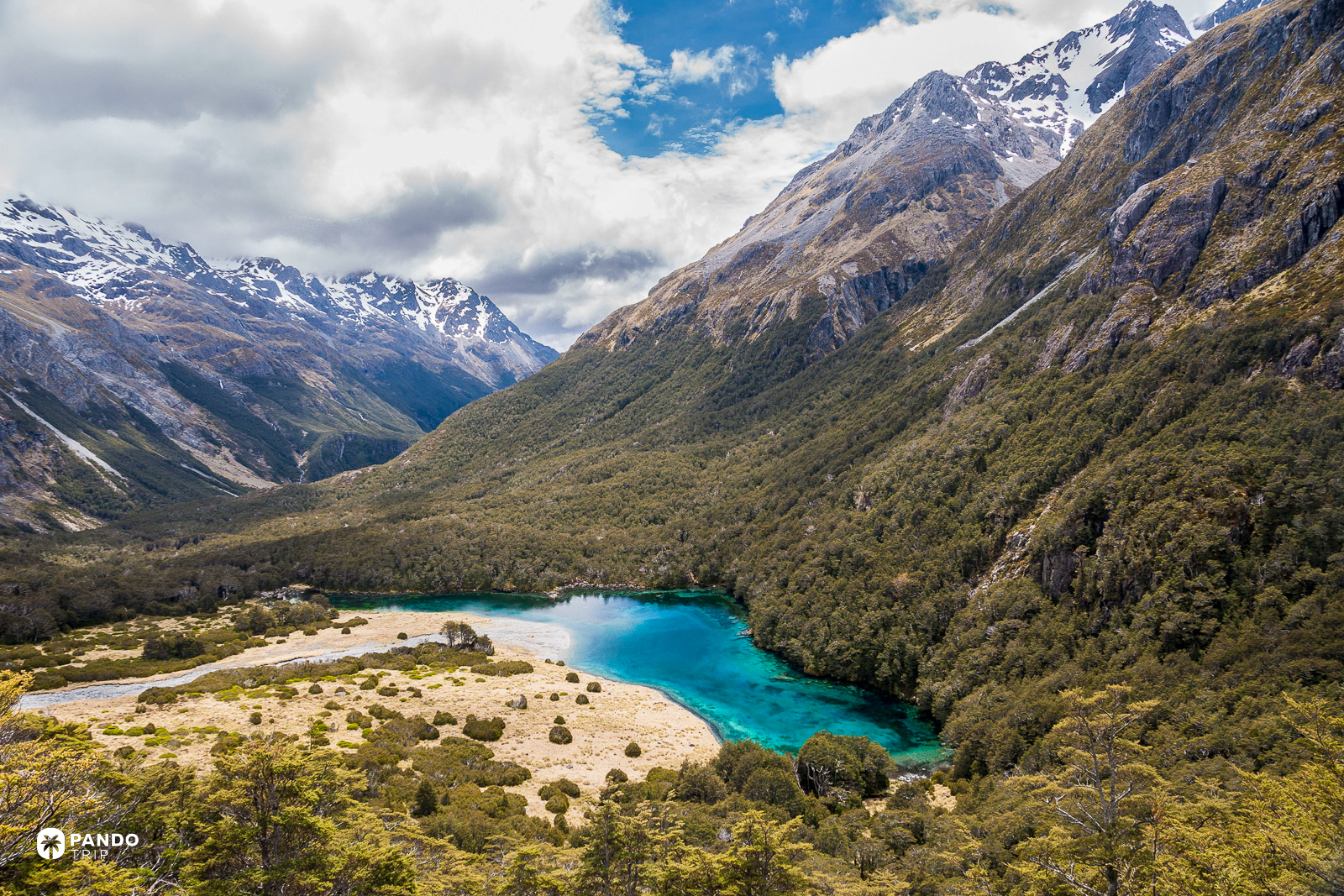
On 13 October 1986 the Alfred Wegener Institute lowered a disc into the Weddell Sea and watched it stay visible through 79 metres of line — the deepest Secchi reading ever recorded, taken from a ship inside Antarctic sea ice at 71 degrees south. Fresh water’s record is measured sideways. At Rotomairewhenua, the Blue Lake of Nelson Lakes National Park, NIWA ran a black disc along an underwater sight line and got readings consistently above 70 metres, one of them 81.4 metres — the clearest freshwater yet reported anywhere. The lake is tapu to Ngāti Apa ki te Rā Tō, and visitors are asked not to touch the water at all. Over in Golden Bay, Te Waikoropupū Springs read about 76 metres on a transmissometer, and since October 2023 a water conservation order has closed it to swimming, wading and boating alike.
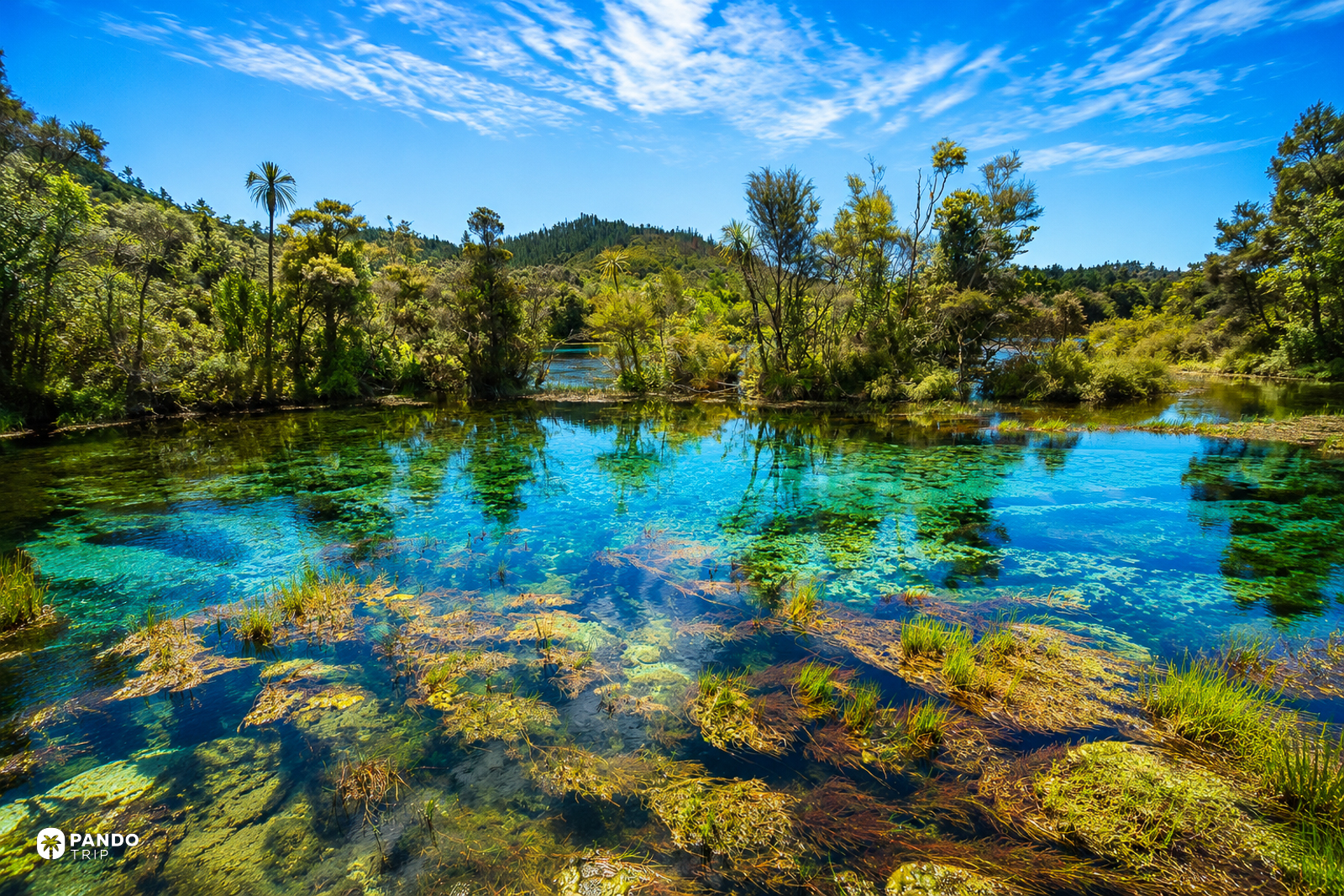
Clear water gets protected, and protection means fences: Crater Lake at number two has no legal way down to the water until 2029, and Mashū at number three takes special permission to touch.
1. Waldo Lake, Oregon
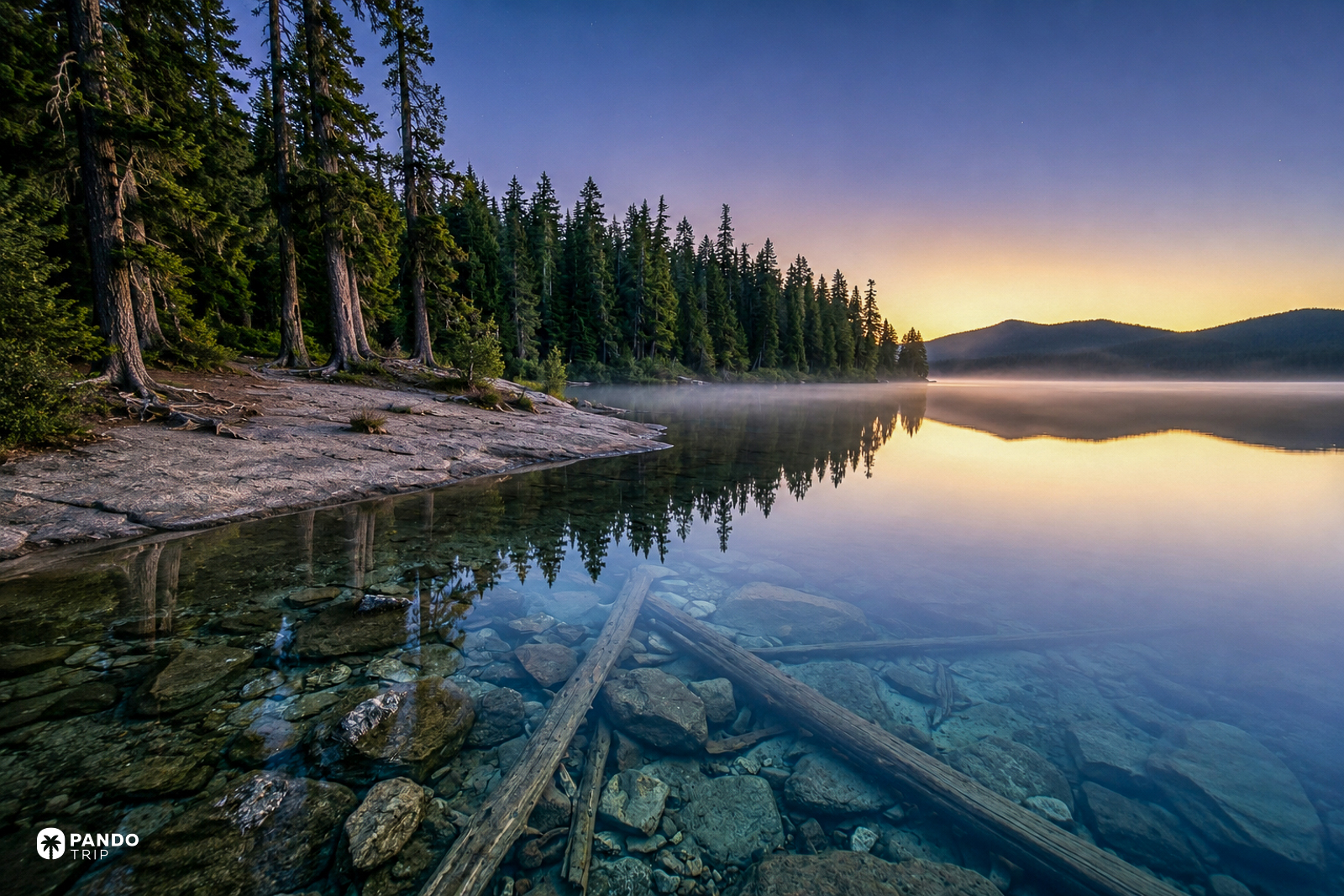
Waldo is close to rainwater with a shoreline. A disc went down 47.9 metres (157 feet) here in 1938 — the deepest documented reading of any lake in this article, deeper than Crater Lake’s, and Oregon’s own environmental department says so.
The emptiness is the cause, and it is enforced. Almost nothing dissolves into this water and almost nothing lives in it; there is no village on the shore, no lodge, and no combustion engine permitted on the surface in any month of the year. In 2021 the state gave it the highest grade of water protection it has. You can still get into it. On a windless morning the lake has no colour of its own — what you see is whatever is lying on the bottom.
2. Crater Lake, Oregon
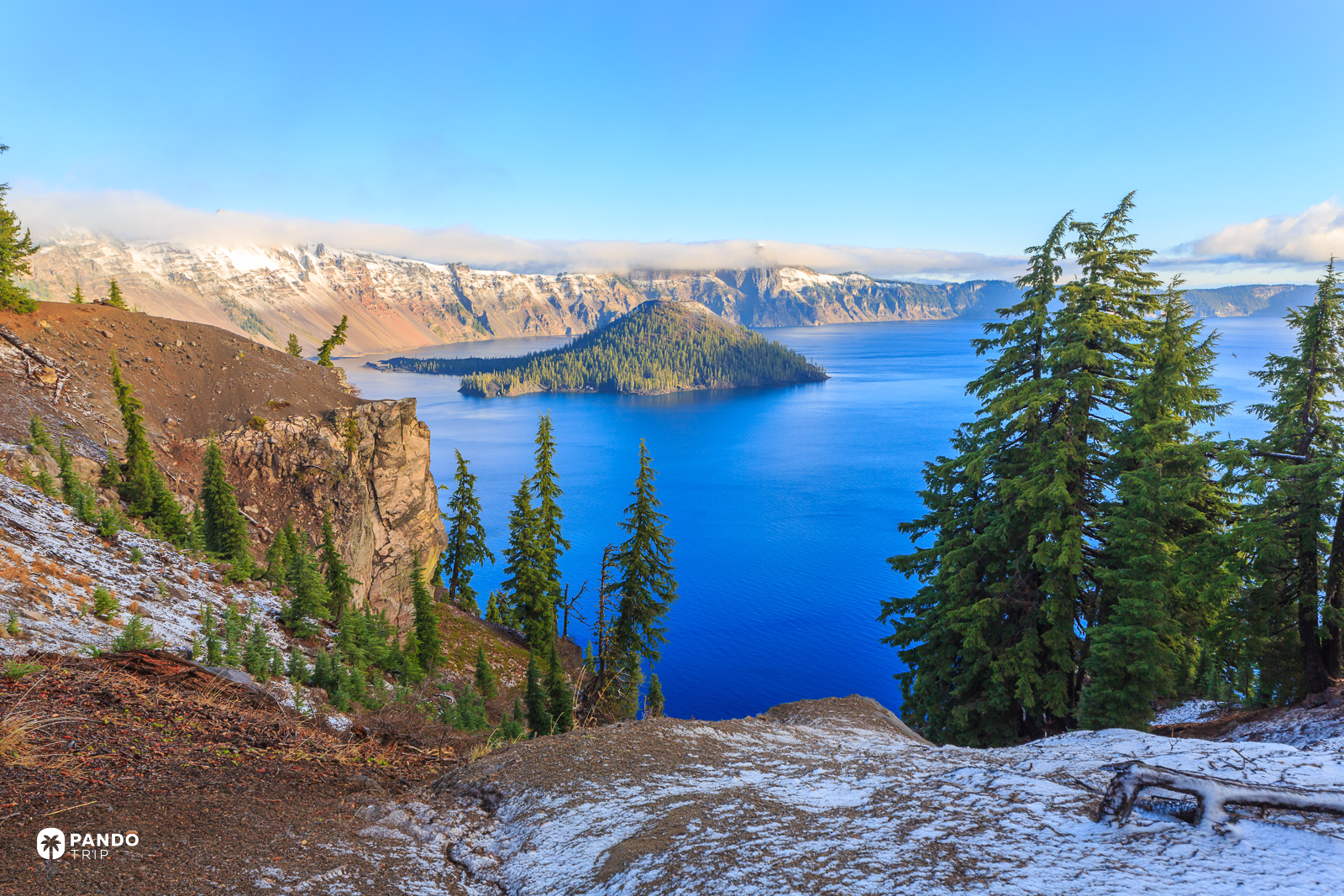
Crater Lake is fed by weather alone: no inlet, no outlet, 592 metres of snow and rain standing in a collapsed volcano with Wizard Island rising out of the middle of it. Nothing has ever washed in to cloud it. In June 1997 the disc held to 42 metres (139 feet).
Cleetwood Cove is the only legal way down to the shore, and it is closed for the 2026, 2027 and 2028 seasons. There will be no boats and no swimmers on it before 2029. The water is for looking at.
Where to stay: Crater Lake Lodge is the only bed on the rim, and it takes bookings direct.
3. Lake Mashū, Hokkaidō
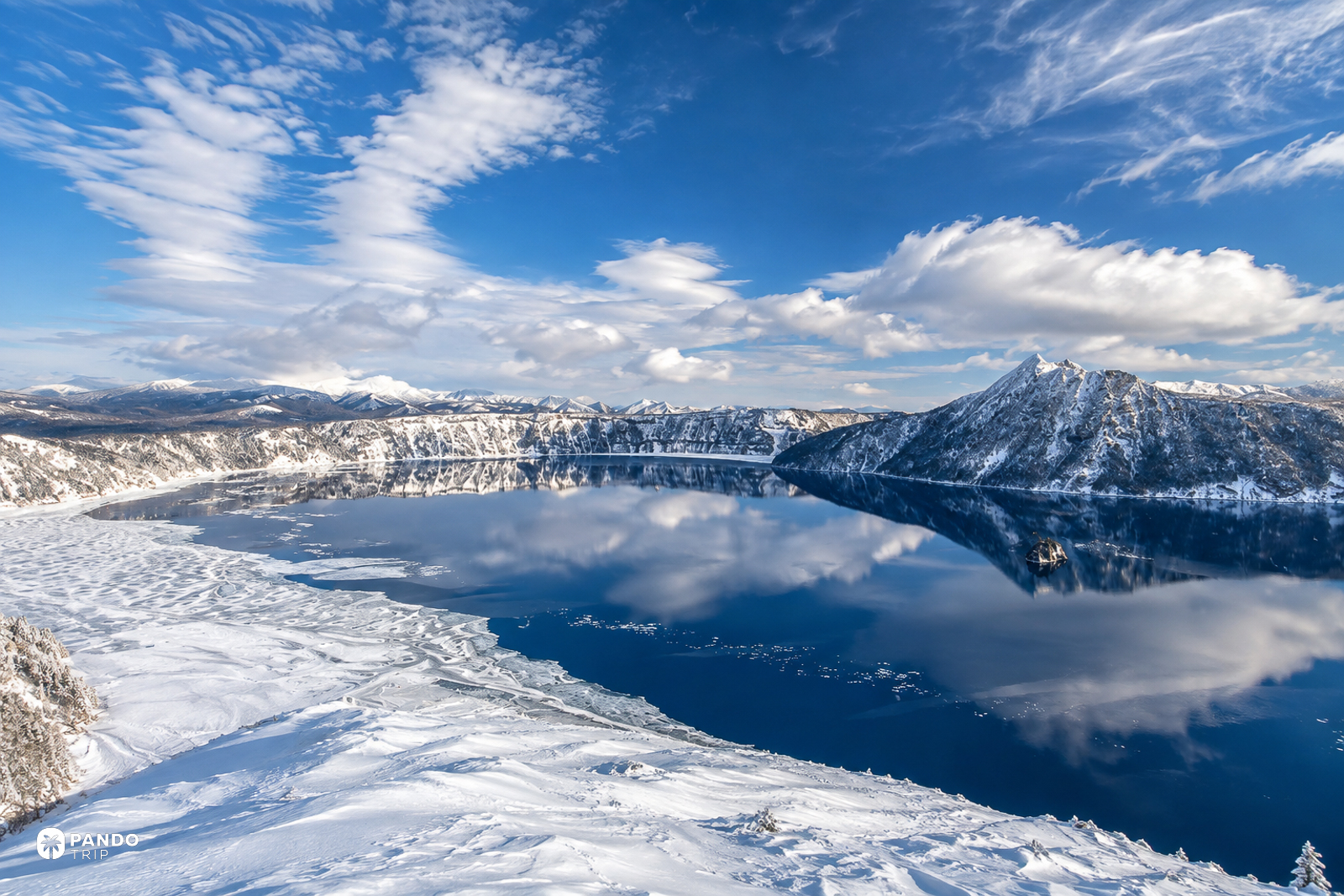
Mashū set the world transparency record in 1931, at 41.6 metres. On 27 August 2025 the town of Teshikaga measured 13.9 metres.
Some of that is the calendar — August is the annual trough, and the same survey a year earlier read 21.18 metres. Most of it is not. And the lake’s other reputation is for not being there: this is 霧の摩周湖, foggy Lake Mashū, where sea fog comes inland off the Kushiro coast and erases the entire caldera in a matter of minutes. Over a million people a year arrive at the first observation deck and a good share of them see cloud. Nobody gets in either; entering the water needs special permission. The beds are down at Kawayu Onsen, and none of them is on the lake, because nothing is. Of the ten, this is the one to skip unless eastern Hokkaidō is already on your route.
4. Lake Baikal, Siberia
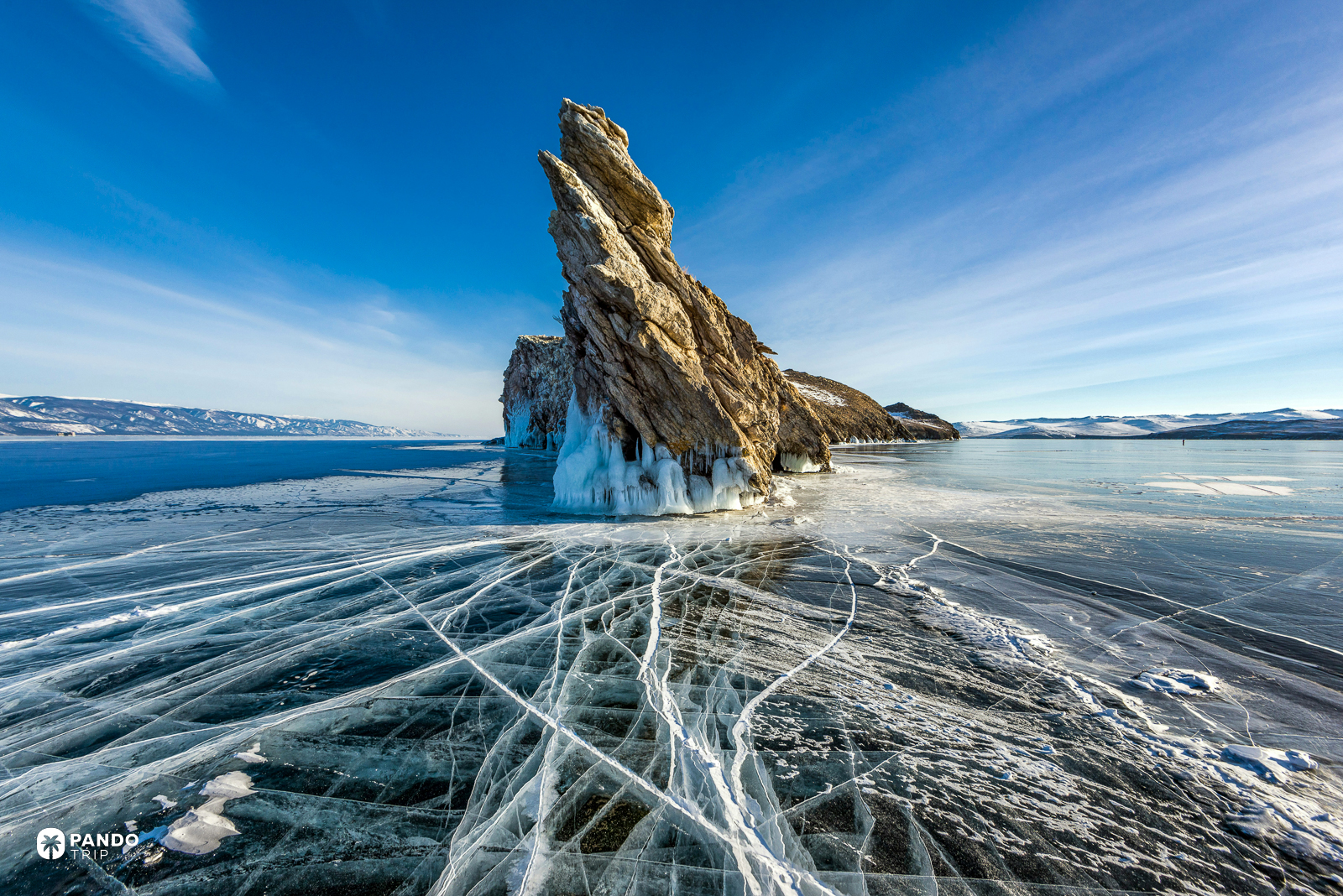
Baikal’s record is 40.2 metres, from 237 readings taken off the Marituy station between 1909 and 1918 — and the same series carries the catch, a December mean of 25.1 metres against an August mean of 10.1 metres. Plankton does that.
So you come in the cold. By late February the ice is thick enough to drive on and clear enough that you can stand on it and look down at columns of frozen methane bubbles held in the ice beneath your boots.
Where to stay: Dream of Baikal at Listvyanka, all timber, a minute from the shore — though booking.com’s Russian listings are easier to browse from abroad than to actually book.
5. Biševo, Croatia
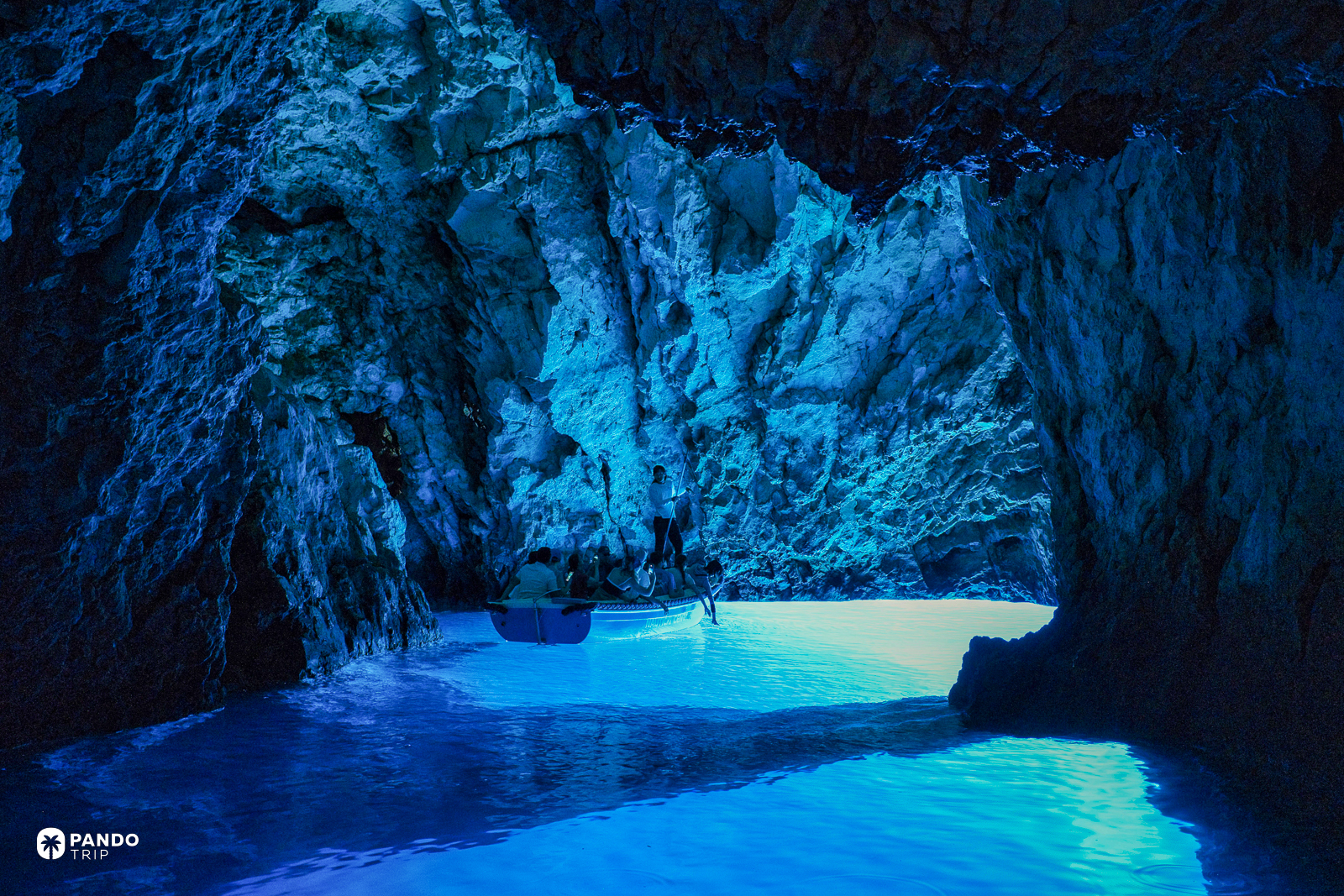
The Blue Cave’s doors are all wrong for it: the one that matters is underwater. Boats come in through a small opening in Balun cove; the light arrives through a larger one below the waterline, so for the hour before noon everything in the chamber is lit the wrong way up, from the floor, through the sea.
The number belongs to the open water outside it. Between 1997 and 2005, readings off neighbouring Vis ran as deep as 33 metres and averaged 21.5 metres — a mean across nine years of readings, not a July figure.
Where to stay: Hotel San Giorgio in Vis town, in the old centre, with a garden of lemon and orange trees and the Komiža boats twenty minutes away.
6. Lake Tahoe, California and Nevada
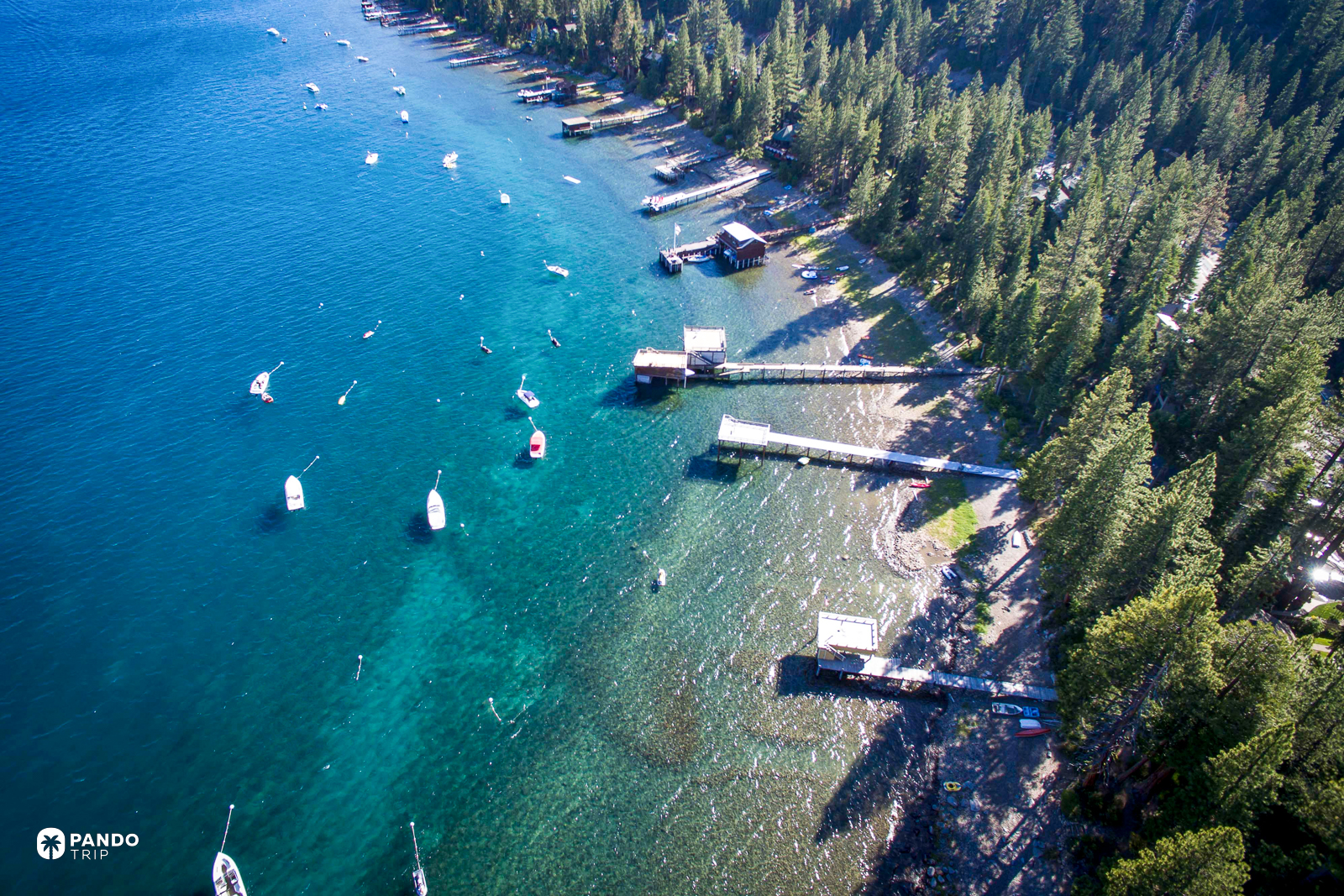
Tahoe’s ranking figure is a memory: 29.7 metres (97.4 feet), the average across 1967 to 1971, and the number California, Nevada and eighty-odd organisations are trying to get back to. The 2025 annual average was 21.1 metres. More than eight and a half metres of clarity gone inside a single lifetime, and measured the whole way by the same ten-inch disc.
The steep decline ran through the late 1990s and then flattened out, so the line has been roughly level for years. What has changed since is the shape of the year: one recent winter came within two metres of the 1968 figure, while the last ten summers include some of the worst on the record. There is no shortage of beds on this shore and not one of them is the reason to come.
7. Attersee, Austria
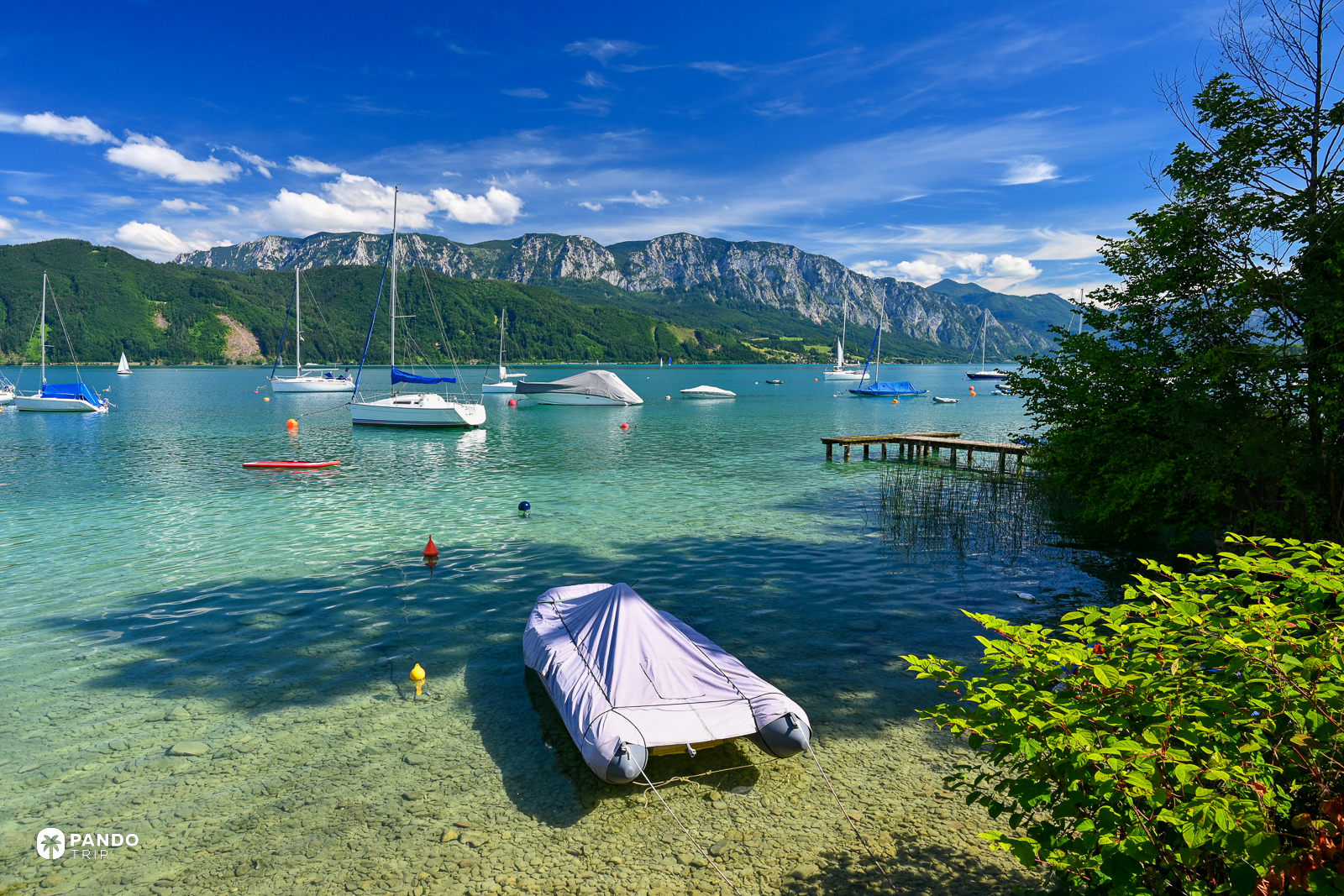
The record here is 26.5 metres, measured in January 1999, a figure Austrian sources call unique in the country. Then every summer the Attersee chalks its own water: as it warms, calcium carbonate drops out of solution, and the crystals that give the lake its turquoise cast are the same crystals you cannot see through. By August you are down to four to eight metres. The clarity calendar and the swimming calendar are opposites here, and you will have to pick one.
There is a UNESCO World Heritage site on the bottom, incidentally — prehistoric pile dwellings, sitting down there in the dark while everyone swims over them.
Where to stay: Seegasthof Oberndorfer at Attersee am Attersee, with a private beach and a garden under old chestnuts.
8. Lake Ohrid, North Macedonia
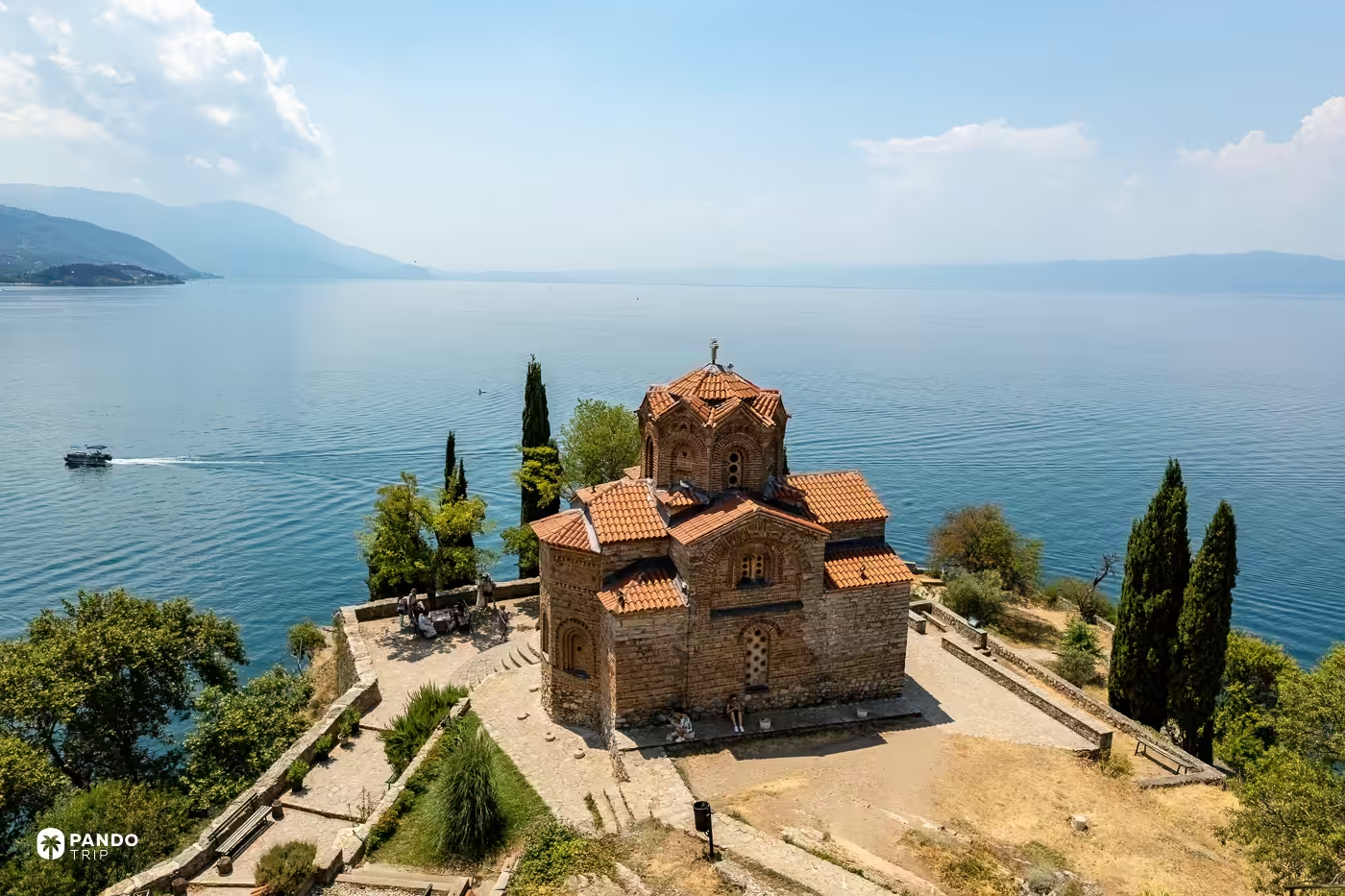
Rain that falls on Ohrid today leaves in the 2090s. The lake takes about seventy years to turn its water over, running it through karst the entire time, and what comes back reads to a maximum of 21.4 metres and averages 14 metres. The basin is tub-shaped — 289 metres at its deepest, five kilometres out between Peštani and Trpejca.
More than a million years of that has filled the lake with species that exist nowhere else, and one of them is under more pressure than the menus admit: the endemic Ohrid trout has a closed season from December to early March, so a pastrmka on a plate in January is a question rather than a dish.
Where to stay: Hotel & Spa Tino Sveti Stefan, on the shore south of town, a couple of minutes off the shore road.
9. Lake Malawi
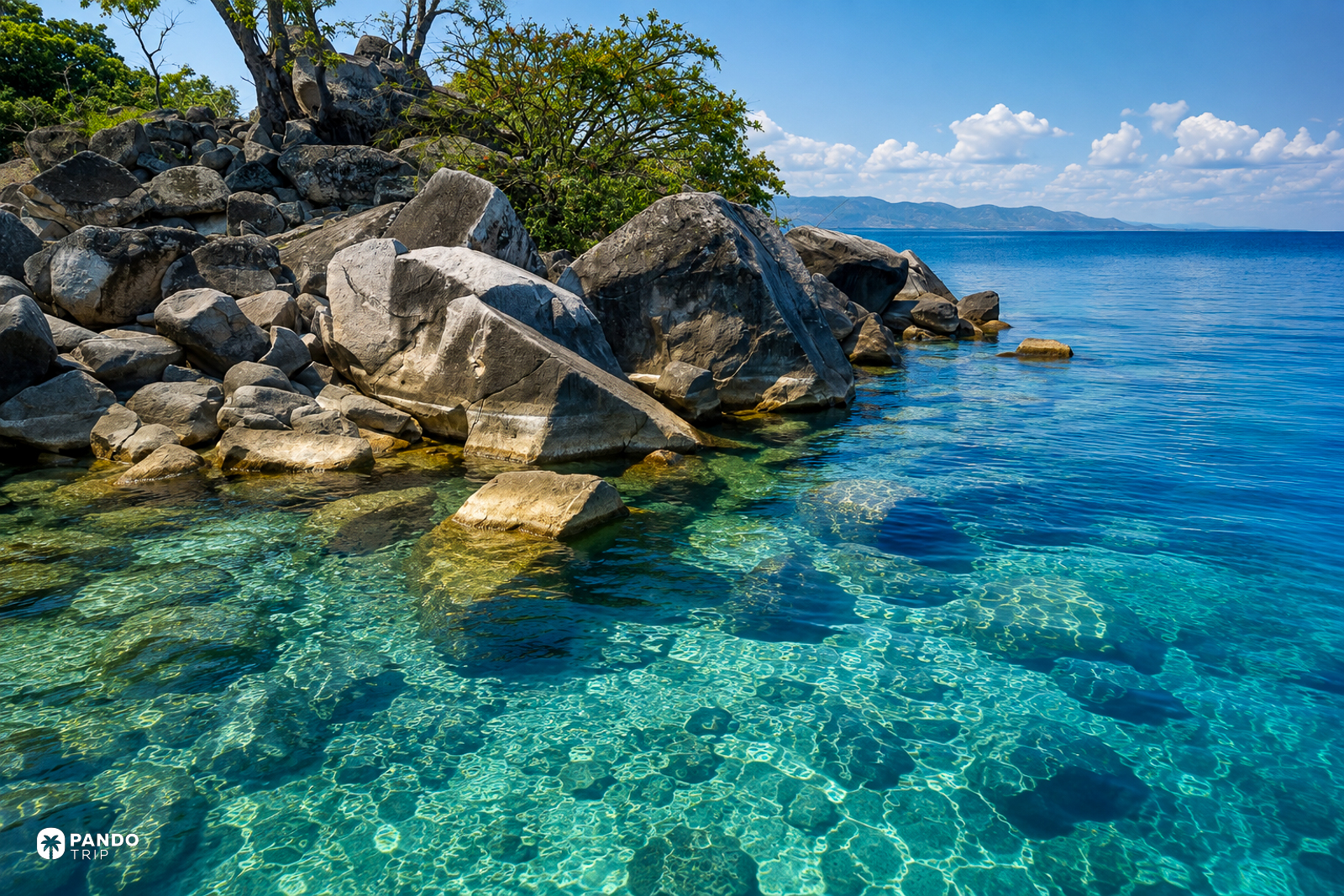
You will not need a boat. Cape Maclear’s granite shelves slope away gently enough to swim out over, and the cichlids down there keep their colour at four or five metres. Offshore, Secchi readings run to 17 metres — the most modest headline in this article.
Check the shoreline before you commit. The lake reached 476.45 metres above sea level in April 2026, close to its 1980 record, and lodges along the Mangochi shore have flooded in successive rainy seasons.
10. Lac d’Annecy, France
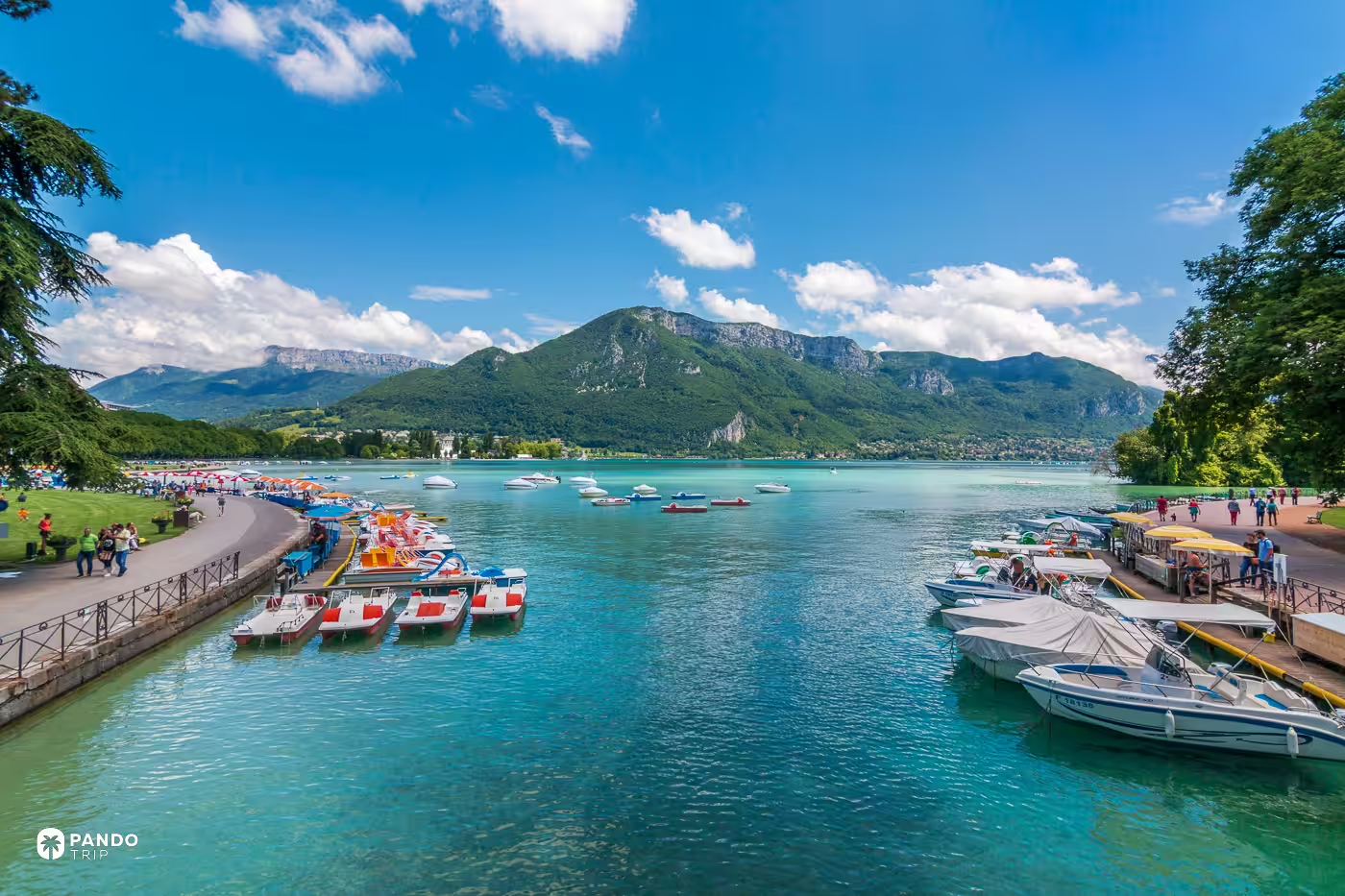
Three metres. That was Annecy in the 1950s, when the towns around the lake were still emptying into it.
By 2007 the reading was 14 metres, which is where this list stops — the smallest figure here, and the only one that used to be smaller. It buys the thing none of the others can offer: water you would put your face in, ten minutes’ walk from the Annecy old town.
Where to stay: Les Trésoms, up the hill behind the town, with an outdoor pool and the whole lake underneath it.
How you measure clear water
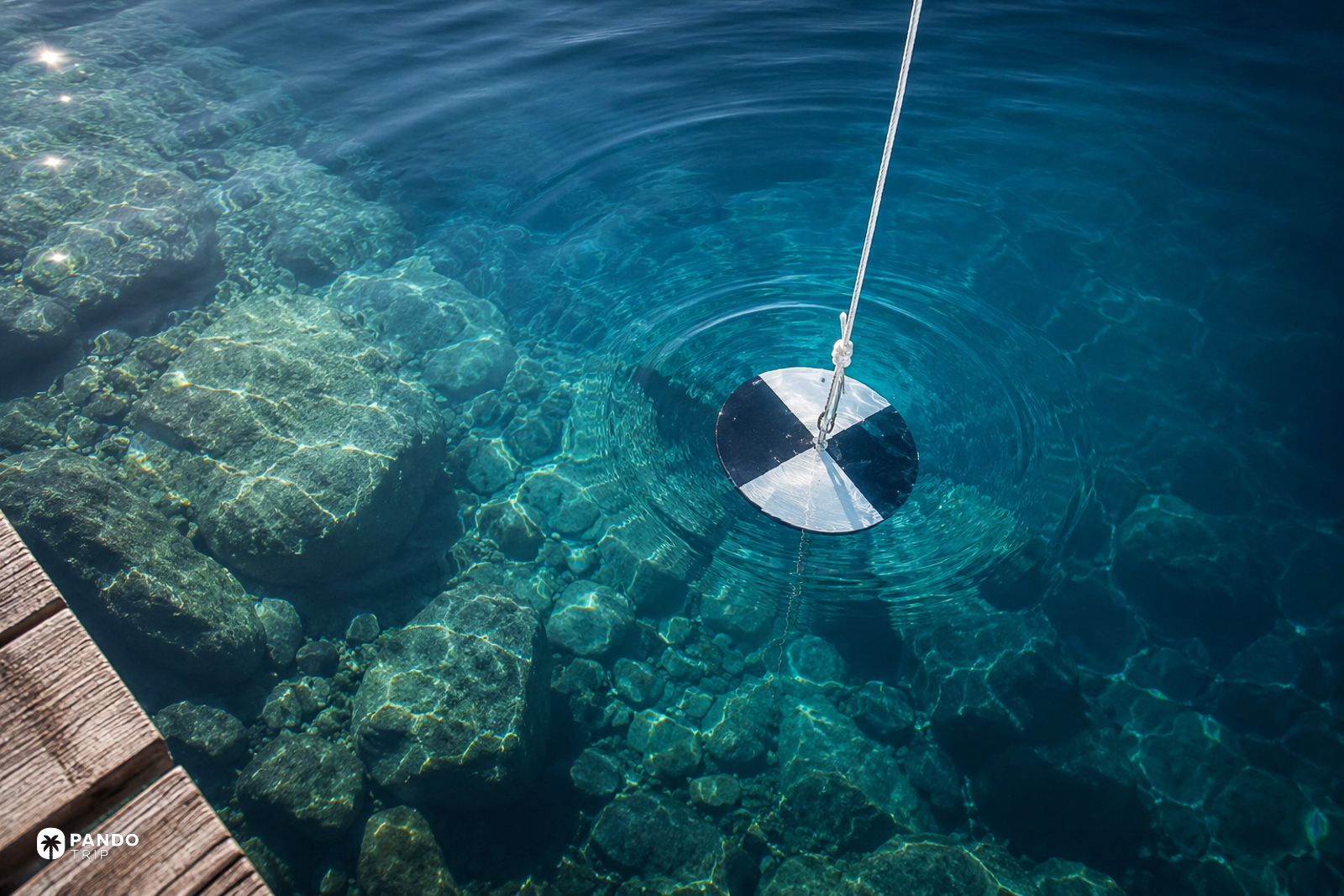
In April 1865, at the request of Pope Pius IX, the commander of the papal navy took a Jesuit astronomer out of Civitavecchia to settle a practical question: how to measure the transparency of the sea so that two people would agree on the answer. The astronomer was Angelo Secchi, better known for sorting stars by their spectra. He brought a majolica disc 43 centimetres across, and a second one 237 centimetres across covered in white sailcloth, because he wanted to know whether the size of the disc changed the result. It does. His deepest reading was 41.4 metres, with the sun high.
Every figure above descends from that fortnight, which is the only reason they can be ranked against one another at all. It is also why most of them are records rather than current readings: clarity moves with the season and with the decade, and the answer to “how clear can this water get” is a different number from the one you would meet in August.
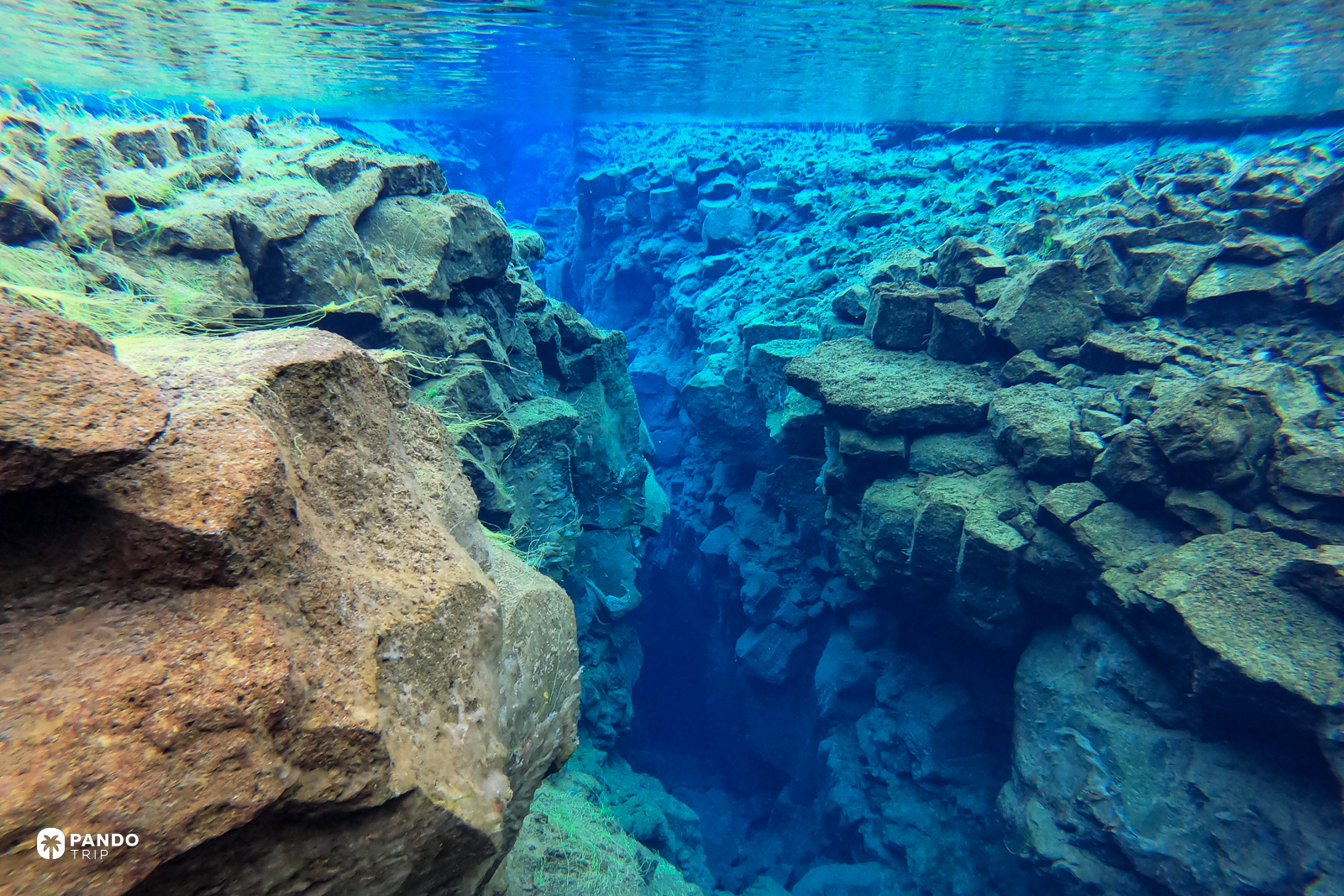
It is why some famous water is missing, too. Silfra, the fissure at Þingvellir where meltwater surfaces after thirty years underground, is sold on visibility of “approximately 100 metres” — a figure Þingvellir National Park states itself, not merely the dive shops, and one that no disc, black disc or transmissometer has ever produced. It may well be the clearest water any of us will ever swim in. It has never been measured, so it cannot be ranked.
Eight communes on the shore of Lac d’Annecy formed a syndicate on 15 July 1957 and laid a belt of interceptor sewers beneath the lakeside road, pumping the towns’ waste out to the river Fier instead of into the water. Roughly €350 million, by the city’s own accounting, and it worked. Lake Tahoe has nearly sixty years of continuous measurement, more than eighty organisations working the same problem, and is still more than eight and a half metres short of where it started. One lake bought its water back. The other is still paying. Pick the one you would rearrange a trip around.