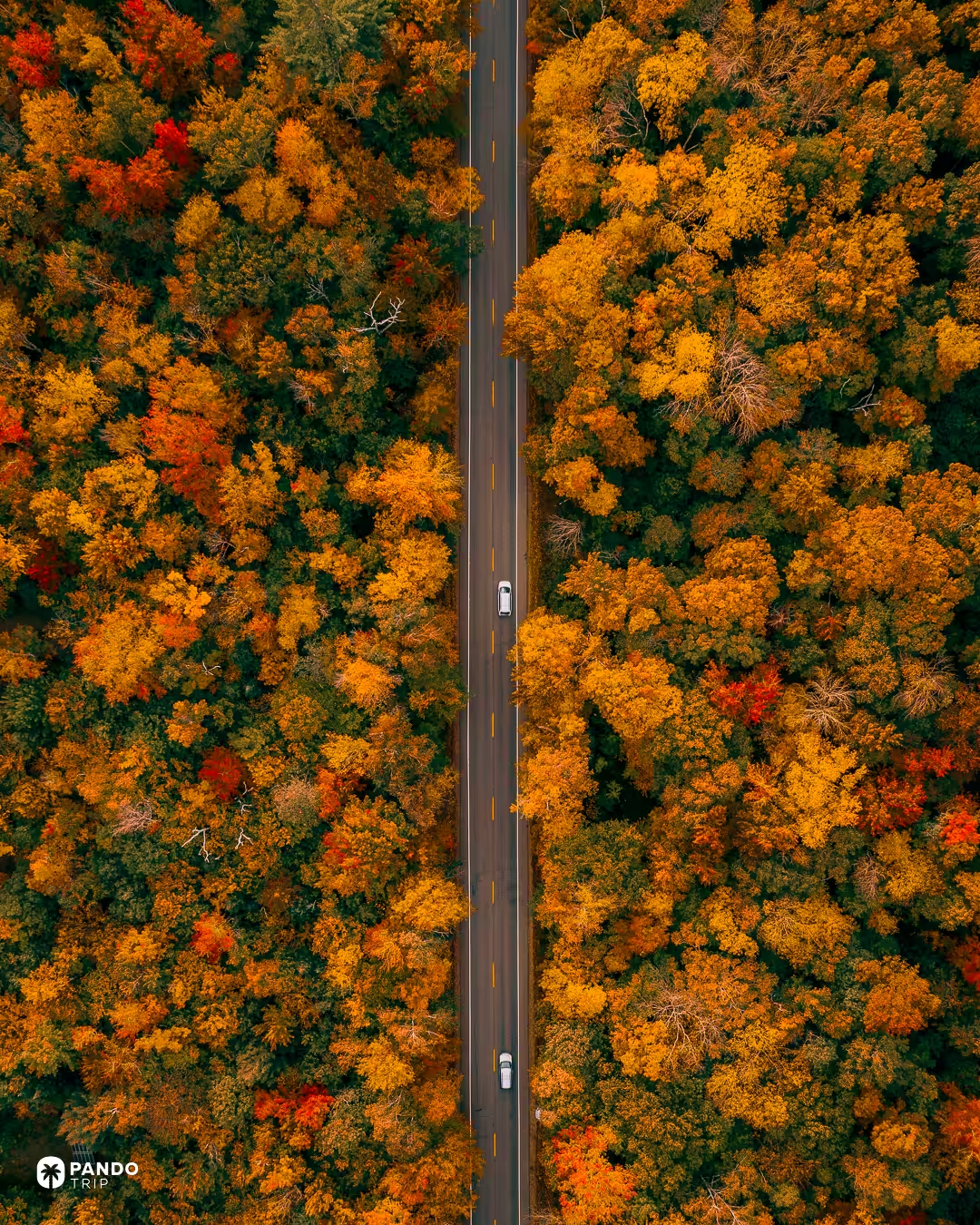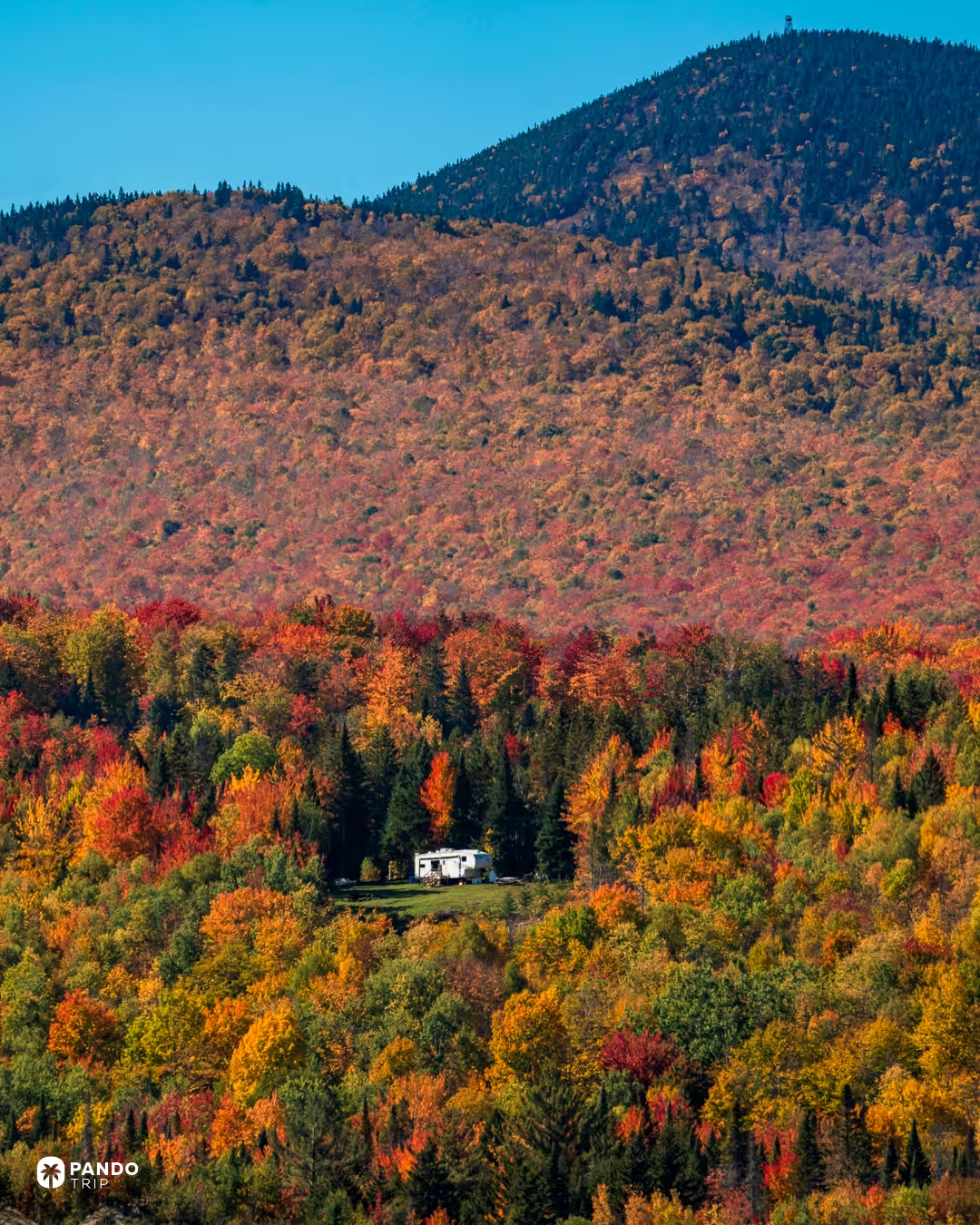
In Vermont, New Hampshire and upstate New York, autumn looks edited. It isn’t, and there are reasons.
In the northeastern corner of the United States, people plan whole trips around the state of the trees. The region runs from the Catskills in New York north through the Adirondacks, across Lake Champlain into Vermont’s Green Mountains, and east to the White Mountains of New Hampshire. For a few weeks each year whole mountainsides turn scarlet, orange and gold at the same time, the lakes repeat them upside down, and the back roads fill with cars driven for hours just so people can look out of the window.
Show these pictures to someone who knows autumn mostly from Europe, and there’s a fair chance the first question will be about the filter. There isn’t one. The colours are real, and they are not a lucky accident. A fall like this takes several things going right at once, and this part of North America has all of them.
Why Europe’s fall is mostly yellow, and this one is red
Start with what’s inside a leaf. All summer, a green leaf also holds yellow and orange pigments, the carotenoids, masked by chlorophyll. When the days shorten and the tree stops renewing its chlorophyll, the green fades and the yellow that was there all along shows through. That is why a yellow autumn is close to universal. Birches, aspens and beeches across the northern hemisphere manage it without trying.
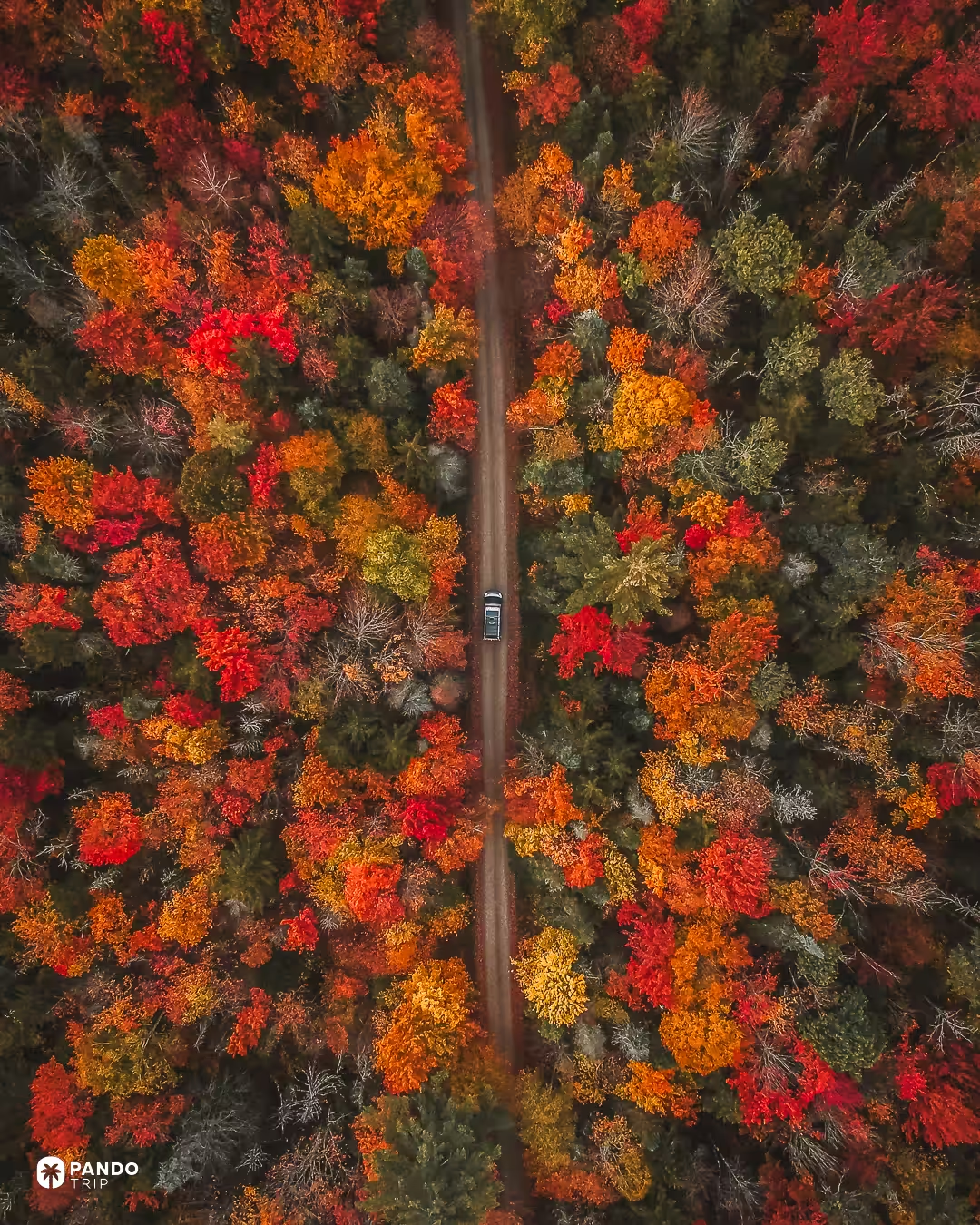
Red works differently. It isn’t uncovered; it’s made. In autumn some trees produce a new pigment, anthocyanin, from sugars trapped in the leaf, and only some trees bother. Here the leading producers are maples. Sugar maple, the tree behind maple syrup, holds more of the wood in Vermont’s forests than any other tree, roughly a quarter of it by volume, and it can turn yellow, orange or deep red, sometimes all three on one tree. Red maple lives up to its name. It is one of the main hardwoods in both Vermont and New Hampshire, and the ones standing in wet, low ground are often the first trees in the landscape to turn.
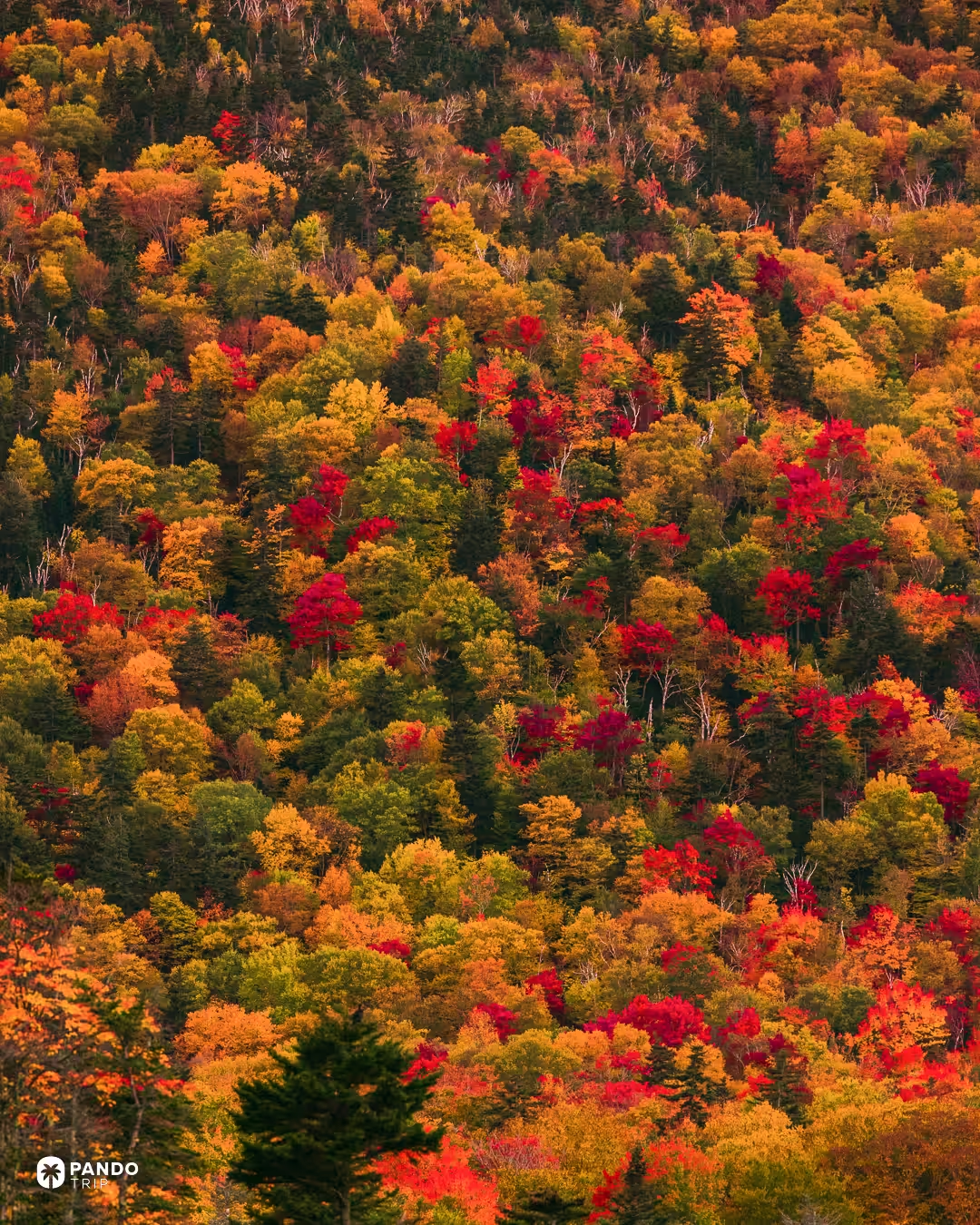
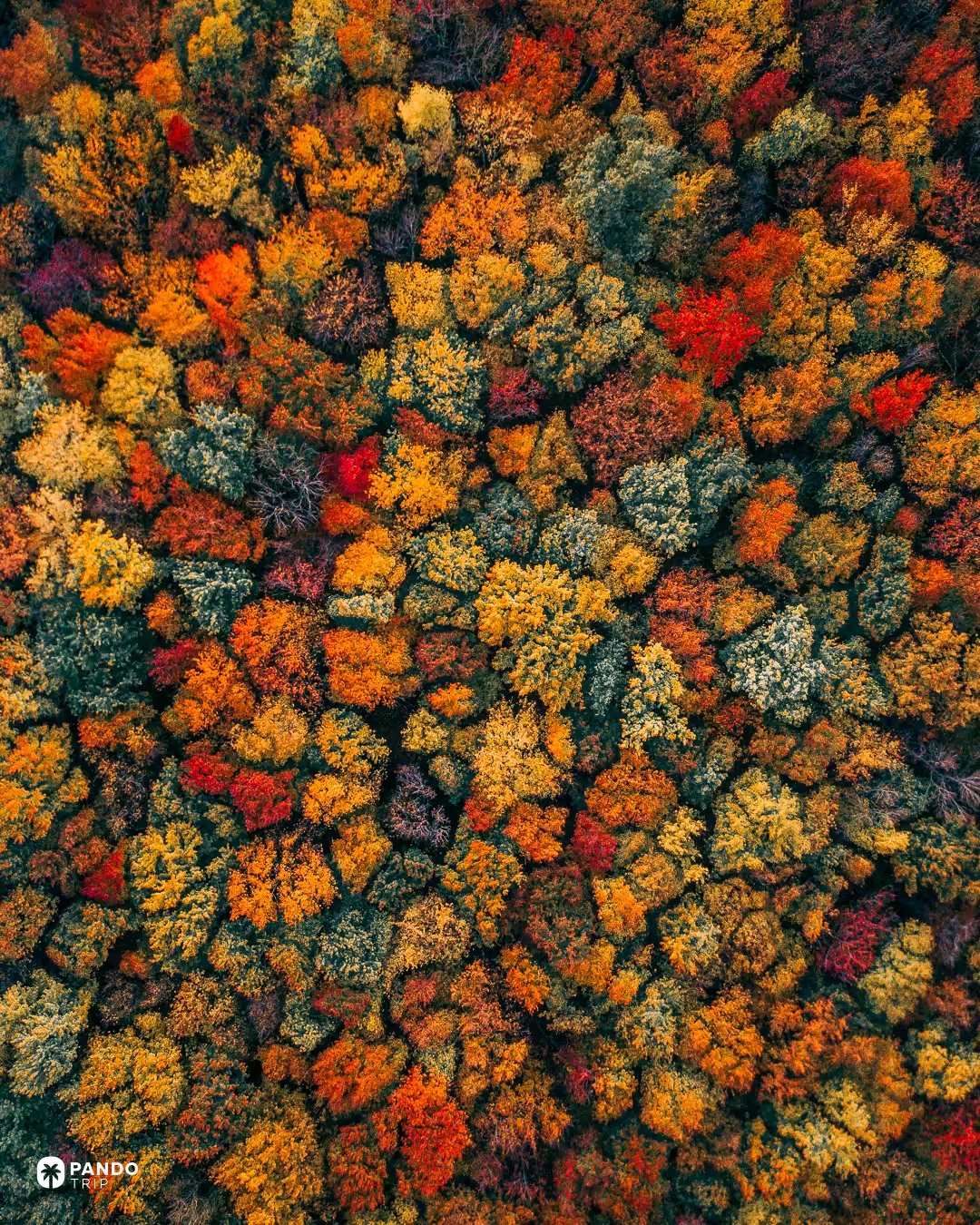
Europe has the yellows but far fewer trees that do red. By one count, eastern North America has at least 89 tree species whose leaves turn red in autumn; the whole of Europe has 24, and East Asia, the other great red-autumn region, even more. Why that is remains an open argument among botanists. One well-known idea, published in 2009 by researchers in Israel and Finland, reaches back to the ice ages. Europe’s main mountain ranges run east to west, the argument goes, so as the ice advanced many tree species were trapped against them and died out. In North America the mountains run north to south, and forests could retreat and return. Other researchers point instead to eastern North America’s sunnier autumns and sharper swings in temperature, conditions in which red pigment may be more useful to a tree. Nobody has settled it. The difference itself is easy to see: northern Europe’s autumn mostly glows gold, and this one burns.
The weather has to cooperate
Red pigment is built from sugar, and sugar comes from sunshine. Day length decides when the leaves turn; the weather decides how well. The ideal autumn here is a run of bright, dry days, when leaves keep producing sugar, and cool nights that keep those sugars in the leaf instead of letting them drain away into the branches. The US National Arboretum’s recipe for the brightest colour is a wet growing season followed by a dry autumn of sunny days and cool, frostless nights.
Get the recipe wrong and the show shrinks. A late-summer drought can make trees shut down early. A hard frost can kill the leaf before the red has developed. Because the yellows are already sitting in the leaf, they change little from year to year; the reds are what vary. That is why one fall here can be noticeably better than the next, and why the good ones get talked about.
Mountains spread it out, evergreens sharpen it
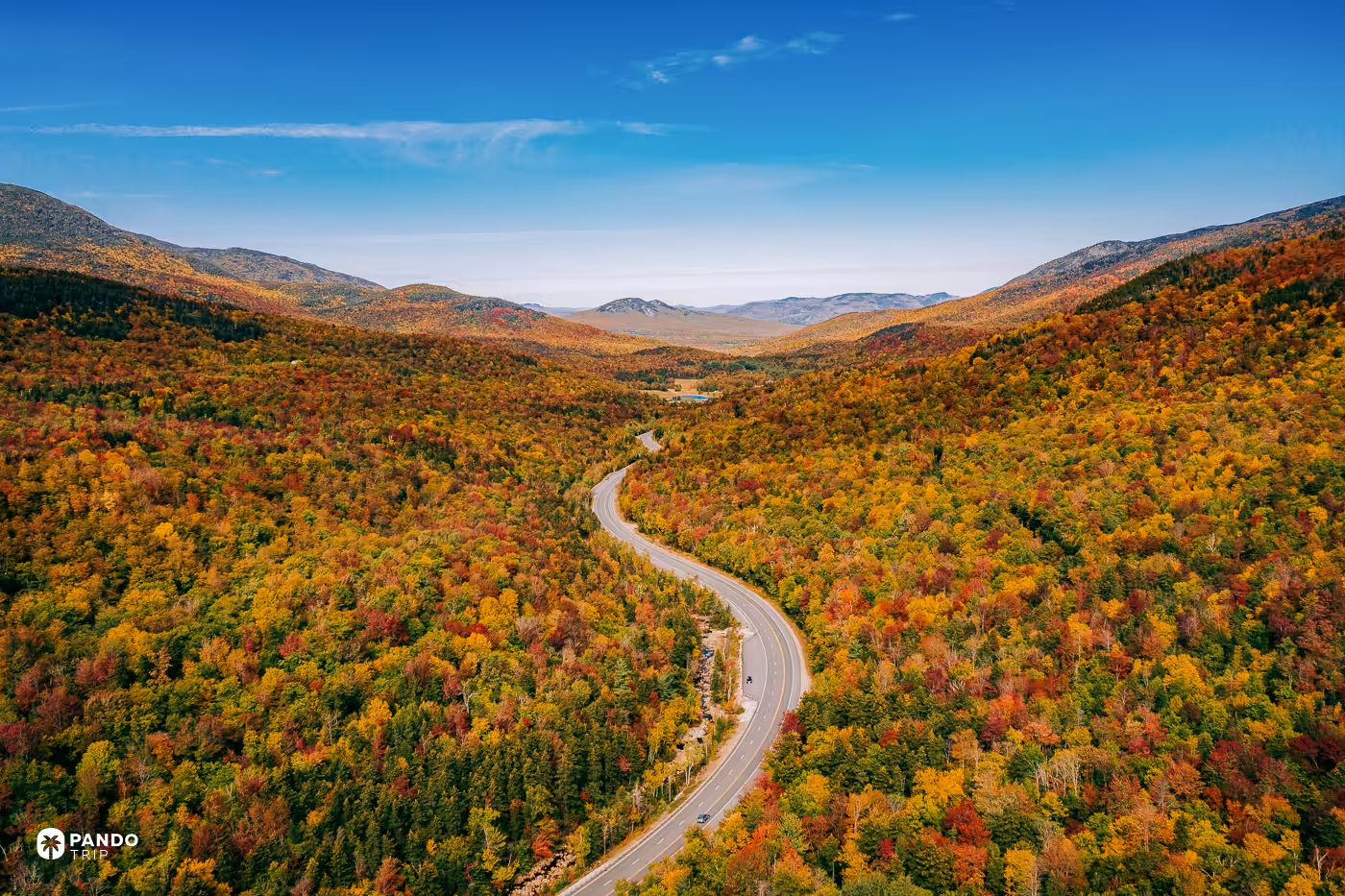
Colour arrives first in the north and on high ground, then works its way down into the valleys and south. Instead of a single moment, the region gets a slow wave moving across it over several weeks, and a road that climbs from a valley floor to a mountain pass can run through more than one stage of autumn in a single drive.
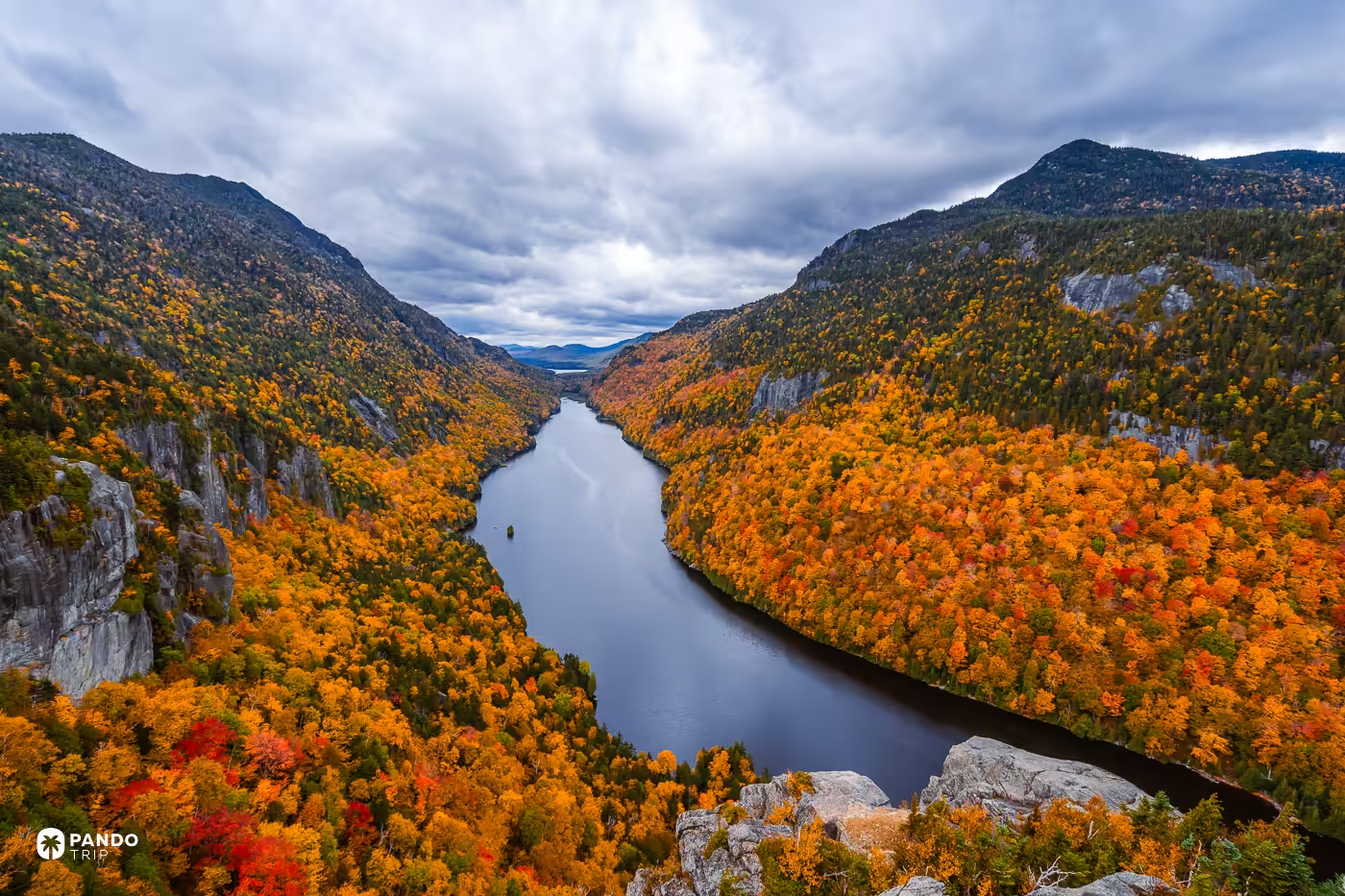
The conifers add contrast. Spruce, fir and pine keep their dark green through the year, and on these slopes they grow mixed in with the maples, birches and beeches, more of them the higher you go. They are the backdrop that makes the red look red. A hillside of nothing but maples is bright. A hillside of maples shot through with dark spruce looks lit from inside. From Indian Head in the Adirondacks, looking down the narrow length of Lower Ausable Lake between Mount Colvin and the Sawteeth, you get both effects in one view: colour stacked up steep slopes, with the dark green running through it.
Water doubles it
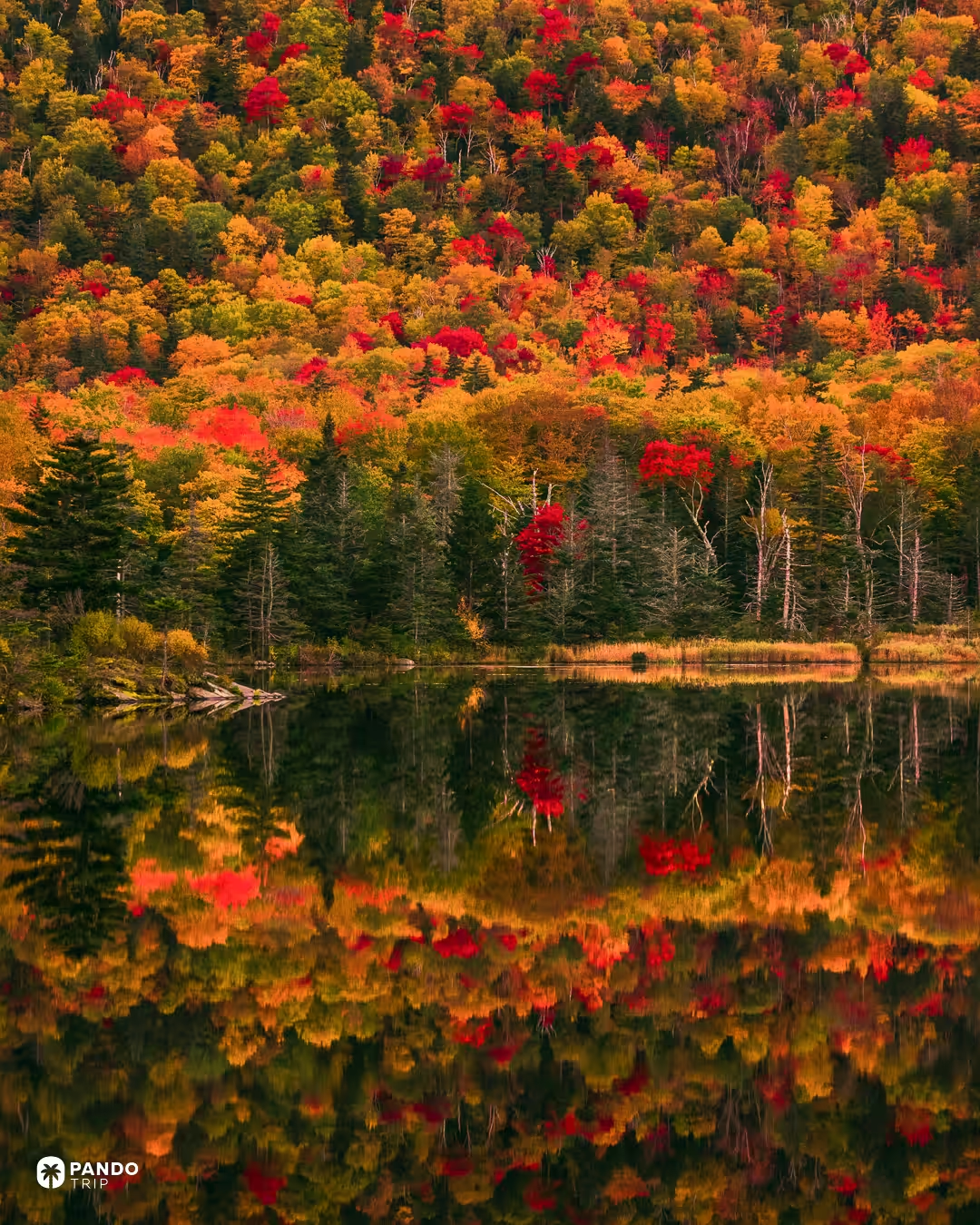
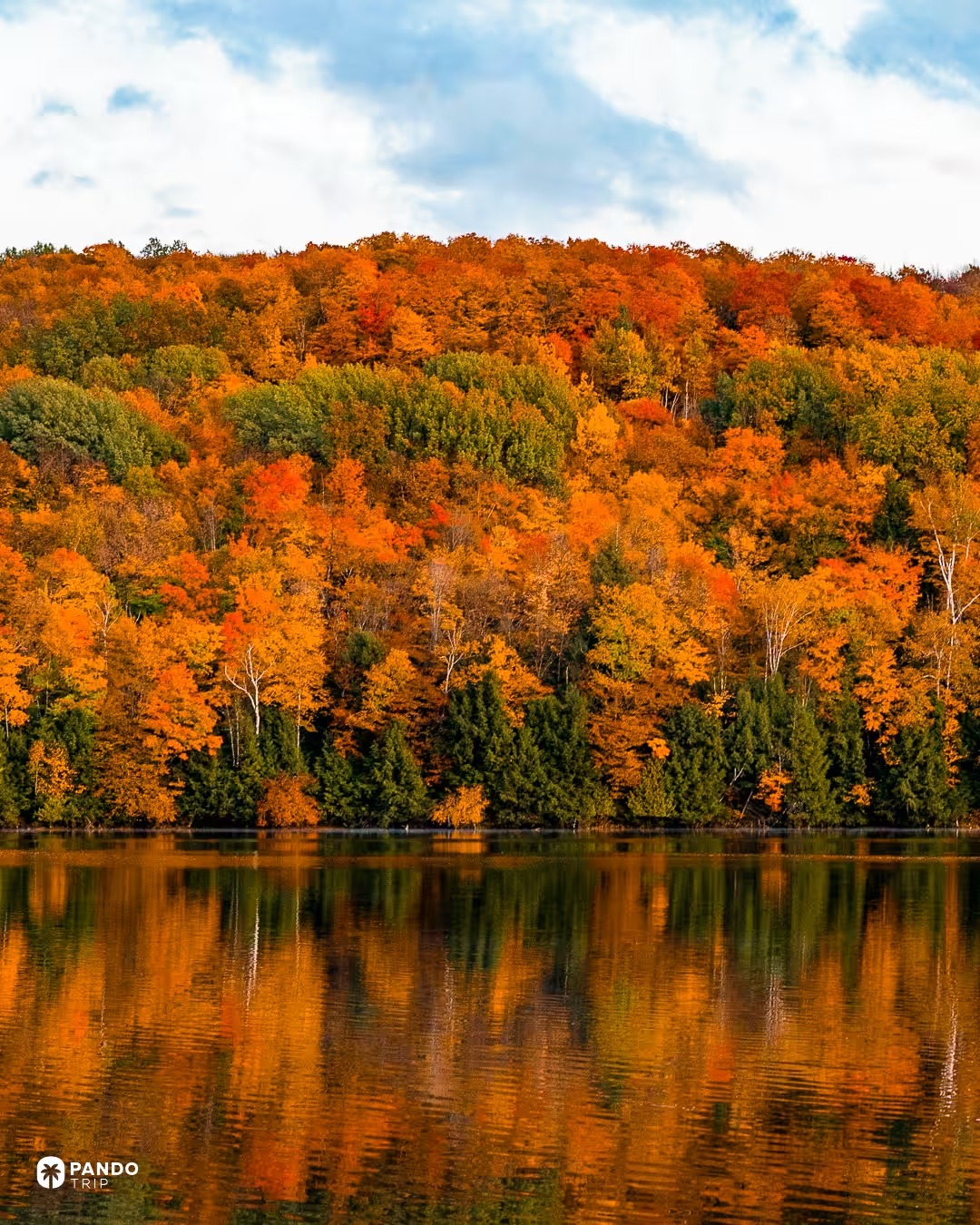
The ice that may have thinned Europe’s forests also shaped this landscape. Glaciers scraped these mountains and left them dotted with lakes, ponds and long, narrow valleys full of water. On a still morning every one of them becomes a second hillside, upside down.
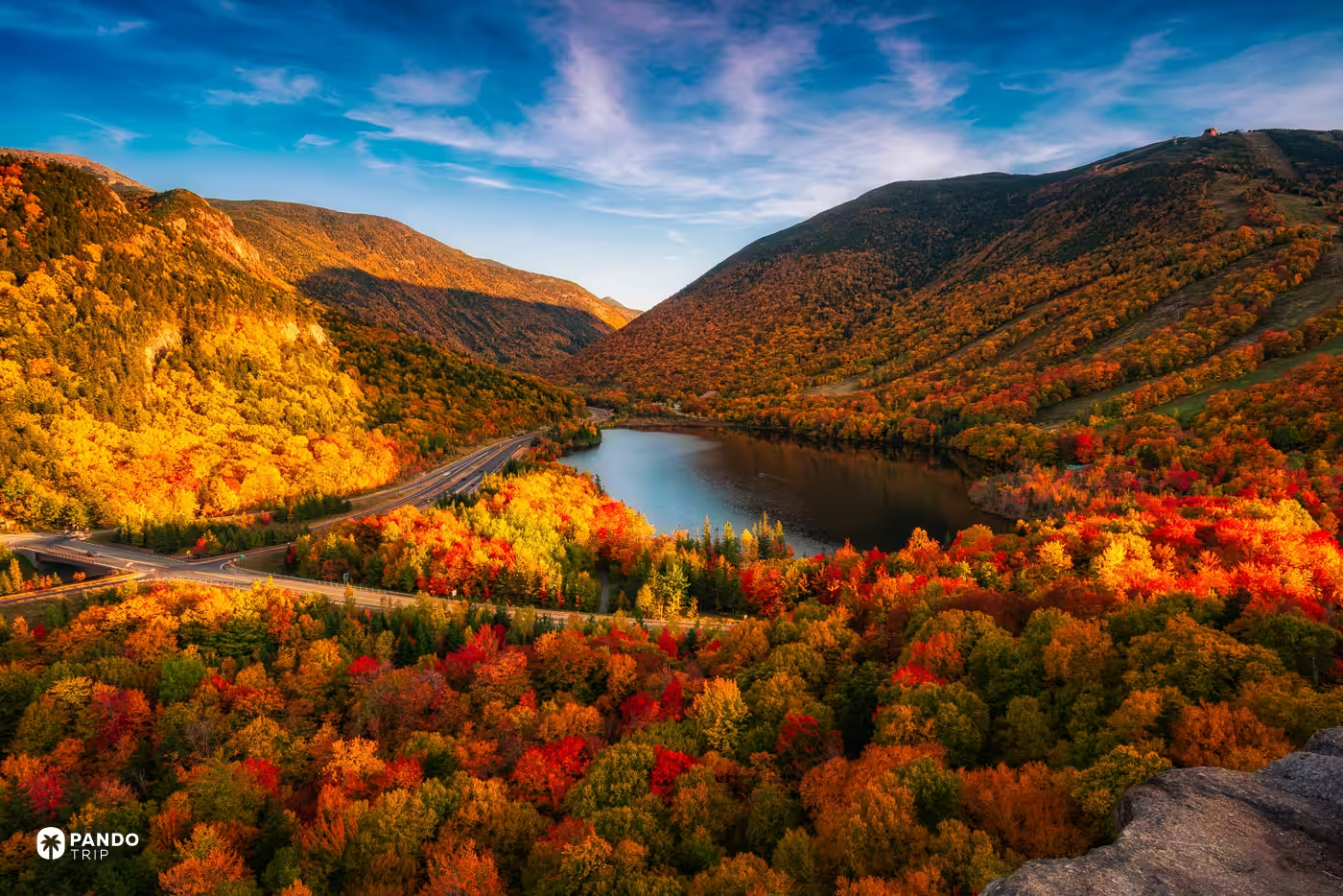
Echo Lake in New Hampshire’s Franconia Notch is the classic example from above. From the rocks of Artists Bluff, the lake, the notch and the slopes of Cannon Mountain fit into one frame. Smaller, nameless ponds do the same thing at eye level, and a beaver pond with a perfectly still surface can look better than the mountain above it.
The postcard part
Nature supplies a red mountain. What turned this region into the template for every autumn postcard is what people put in front of it.
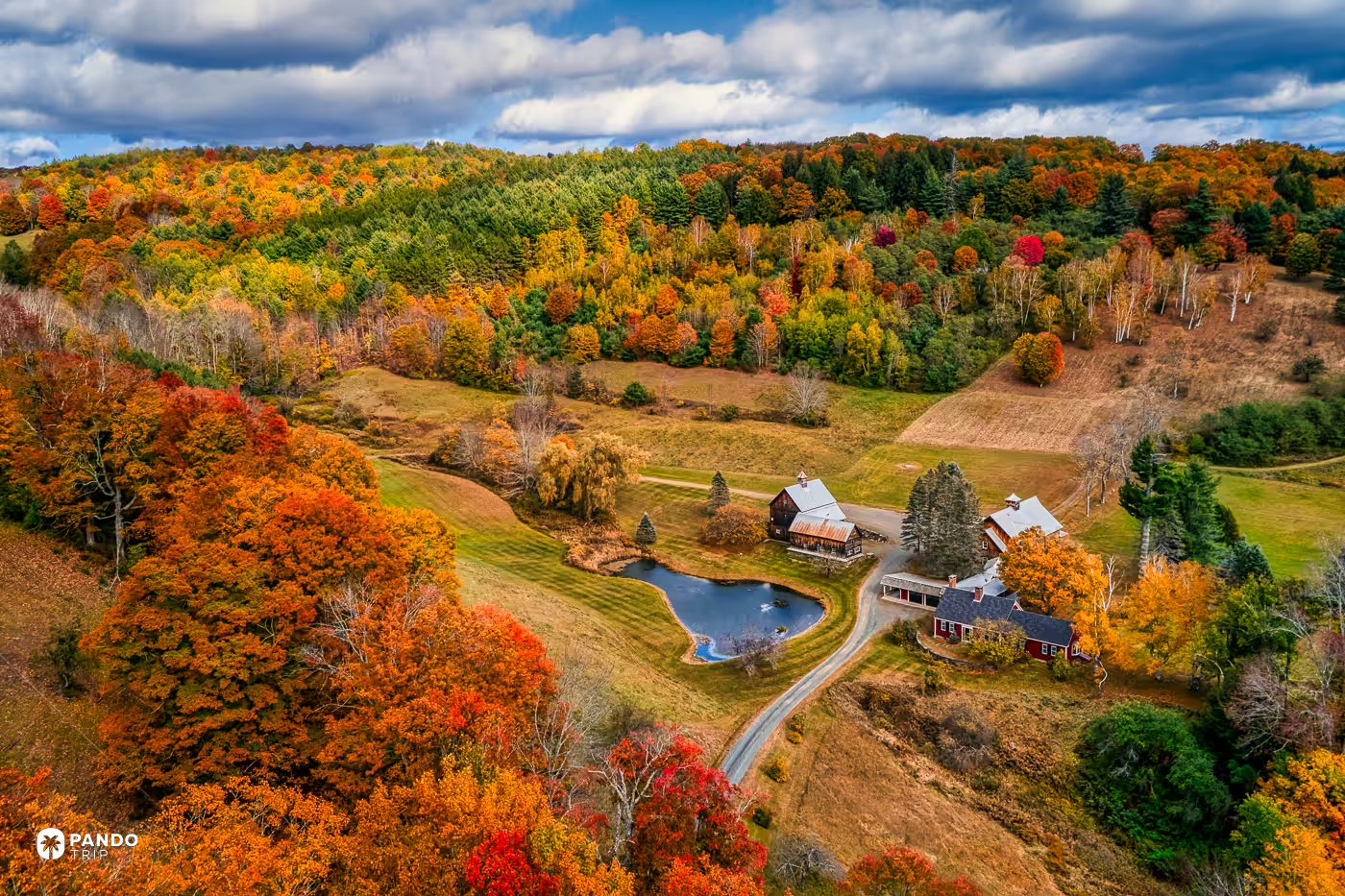
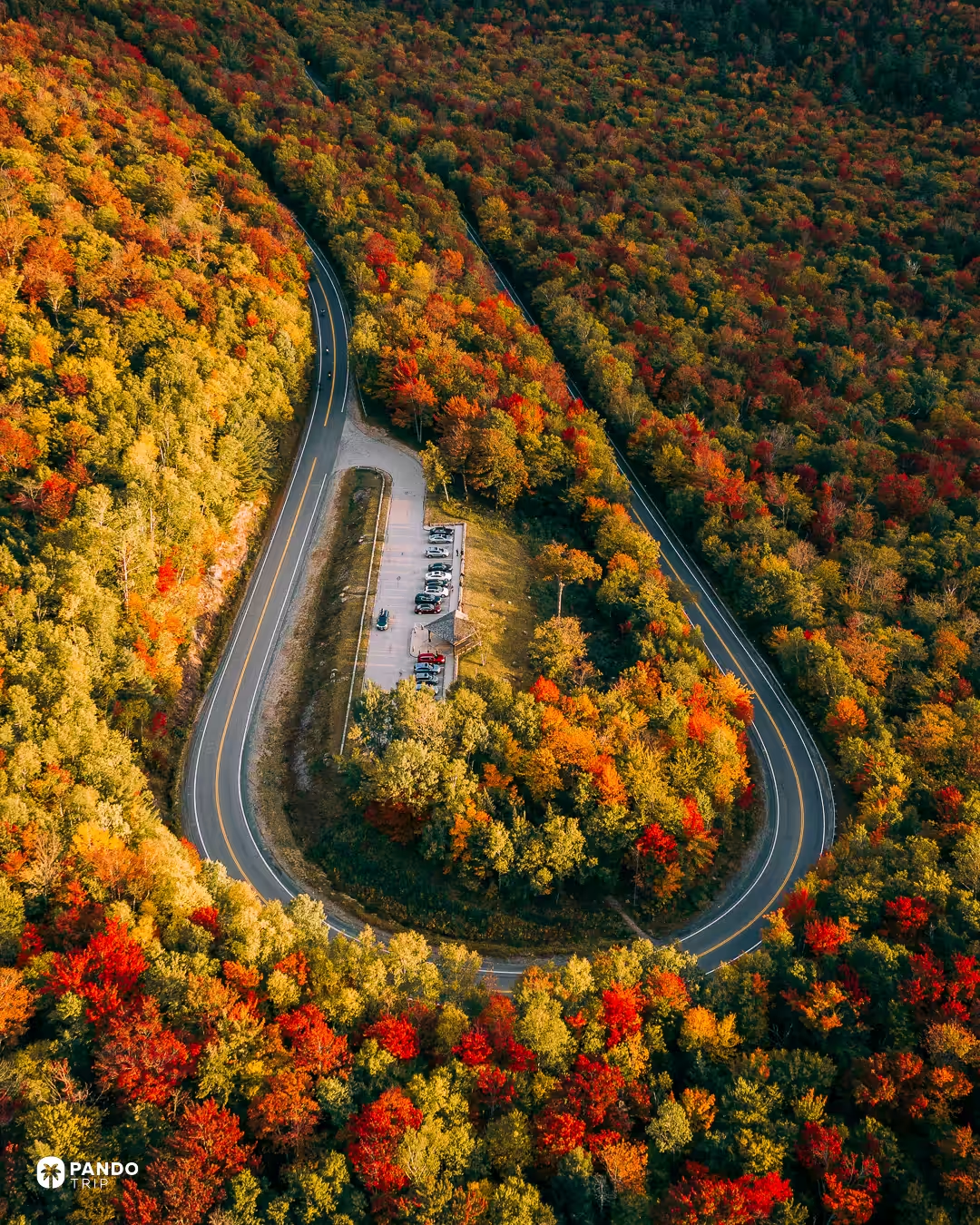
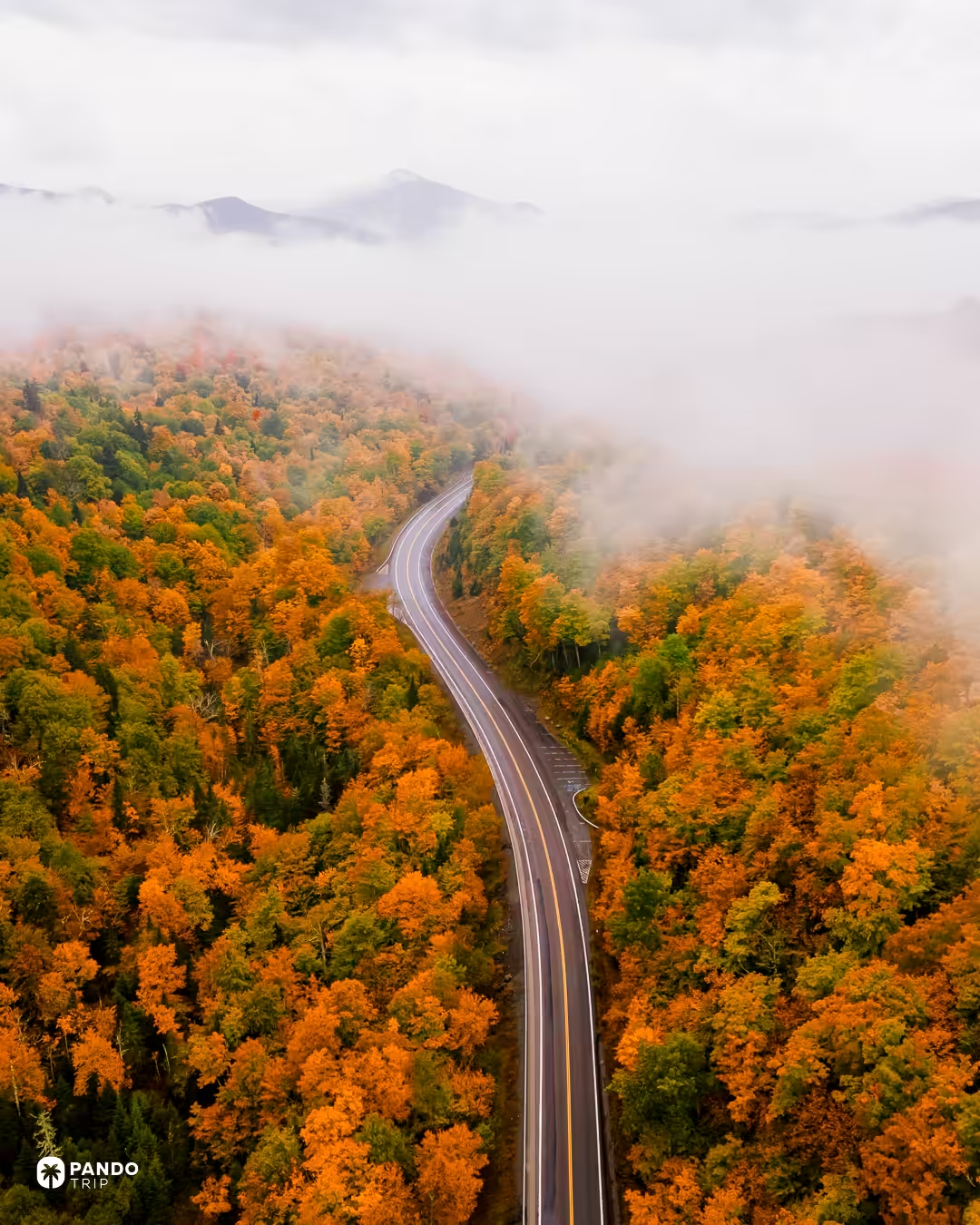
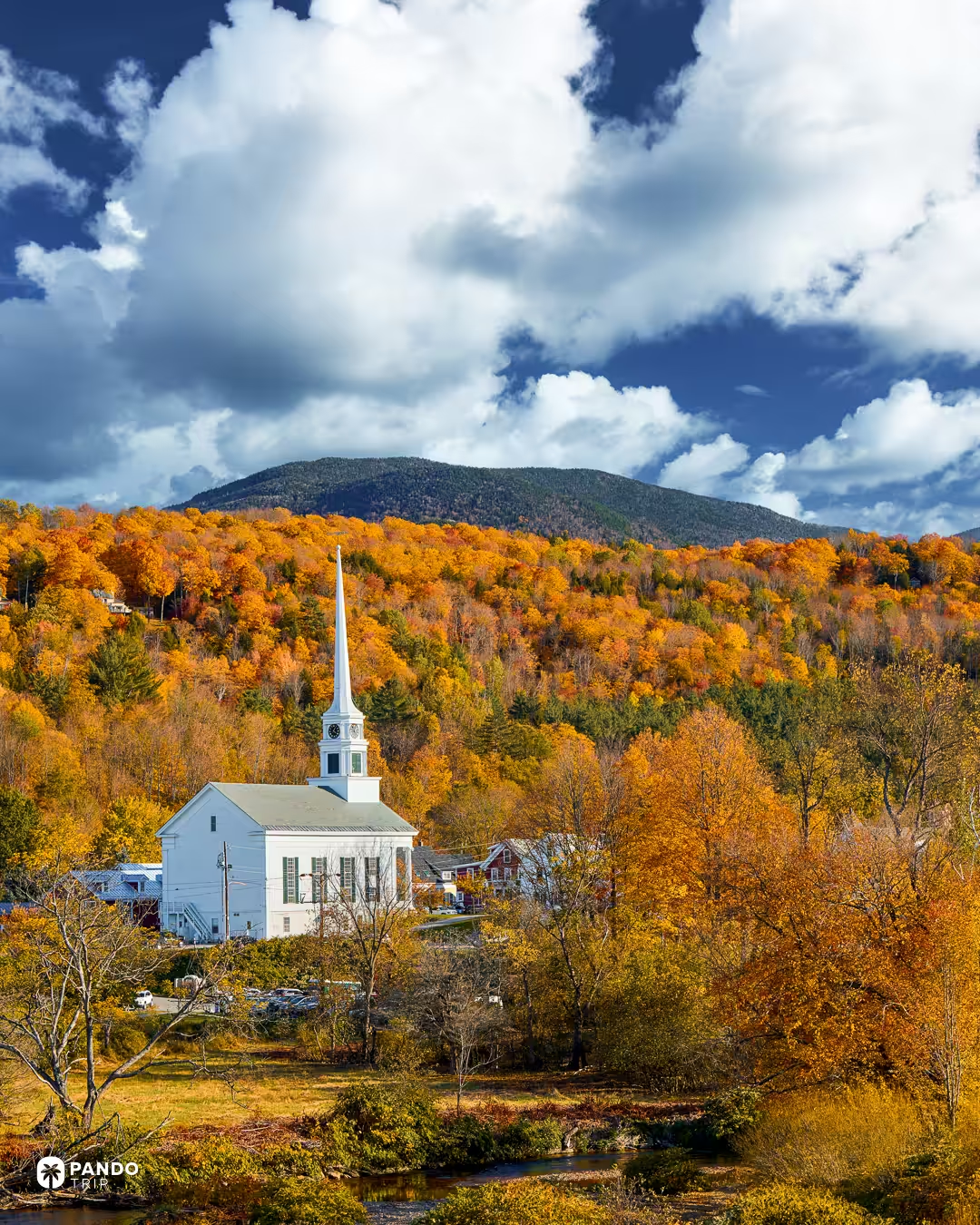
White wooden churches, like the Stowe Community Church in Vermont, its spire standing against a hillside of maples. Farms, like Sleepy Hollow Farm in Pomfret, Vermont, which became so famous online that the crowds of photographers outgrew the narrow road below it; the towns now close that road to non-local traffic during peak foliage. Roads, like the hairpin bend at Hancock Overlook on New Hampshire’s Kancamagus Highway, where the asphalt folds back on itself in the middle of the forest.
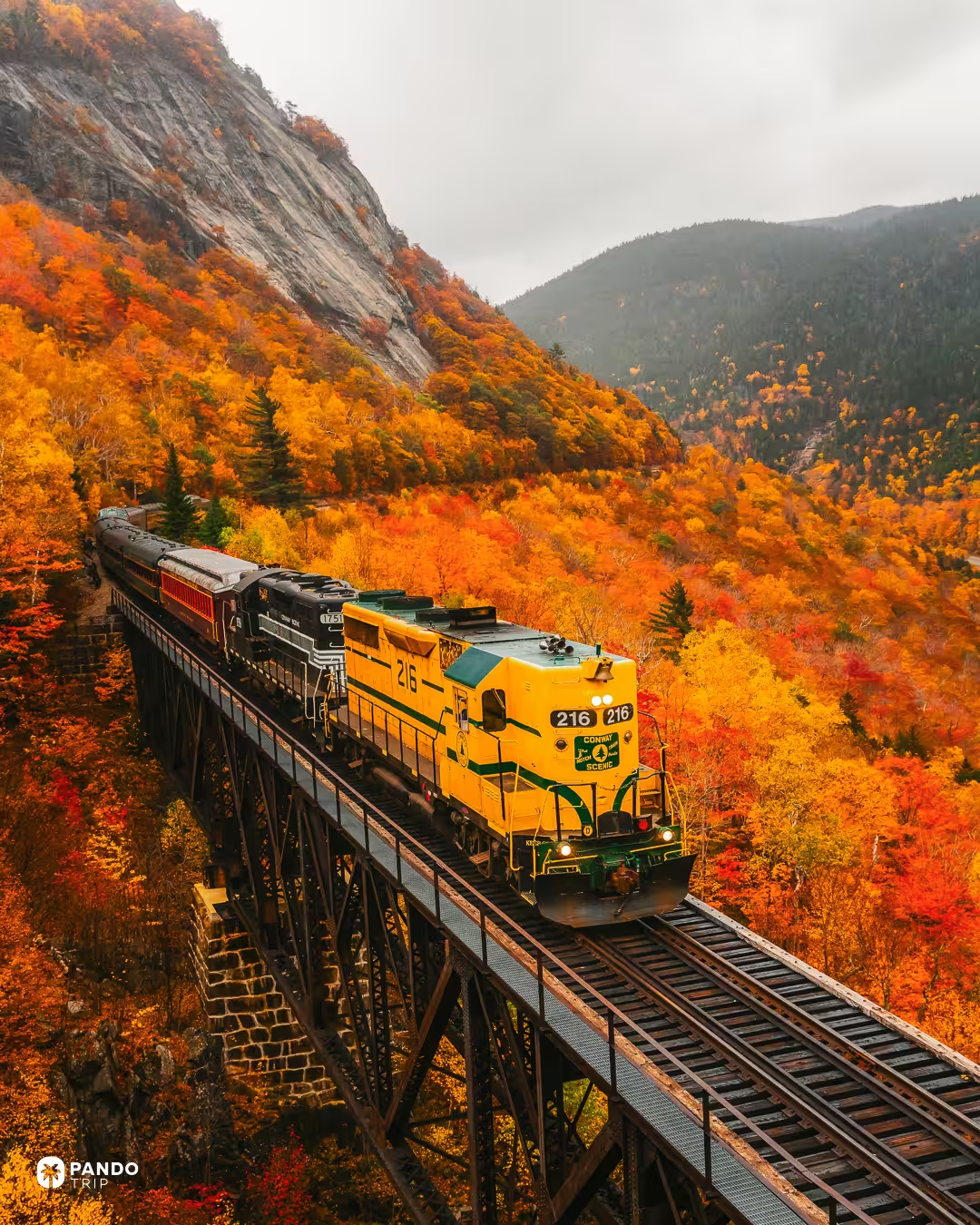
And rails. In Crawford Notch, a steel trestle carries the line across a ravine high above the valley floor. It is called the Frankenstein Trestle, which has nothing to do with Mary Shelley. The name comes from Godfrey Frankenstein, a 19th-century painter who worked in the notch. Today the Conway Scenic Railroad runs excursion trains across it, and in October they pass through some of the most intense colour in the White Mountains.
Even the vocabulary was made here. “Leaf peeper”, the slightly teasing name for autumn tourists, appears to have come out of Vermont newspapers in the 1960s.
When it all comes together
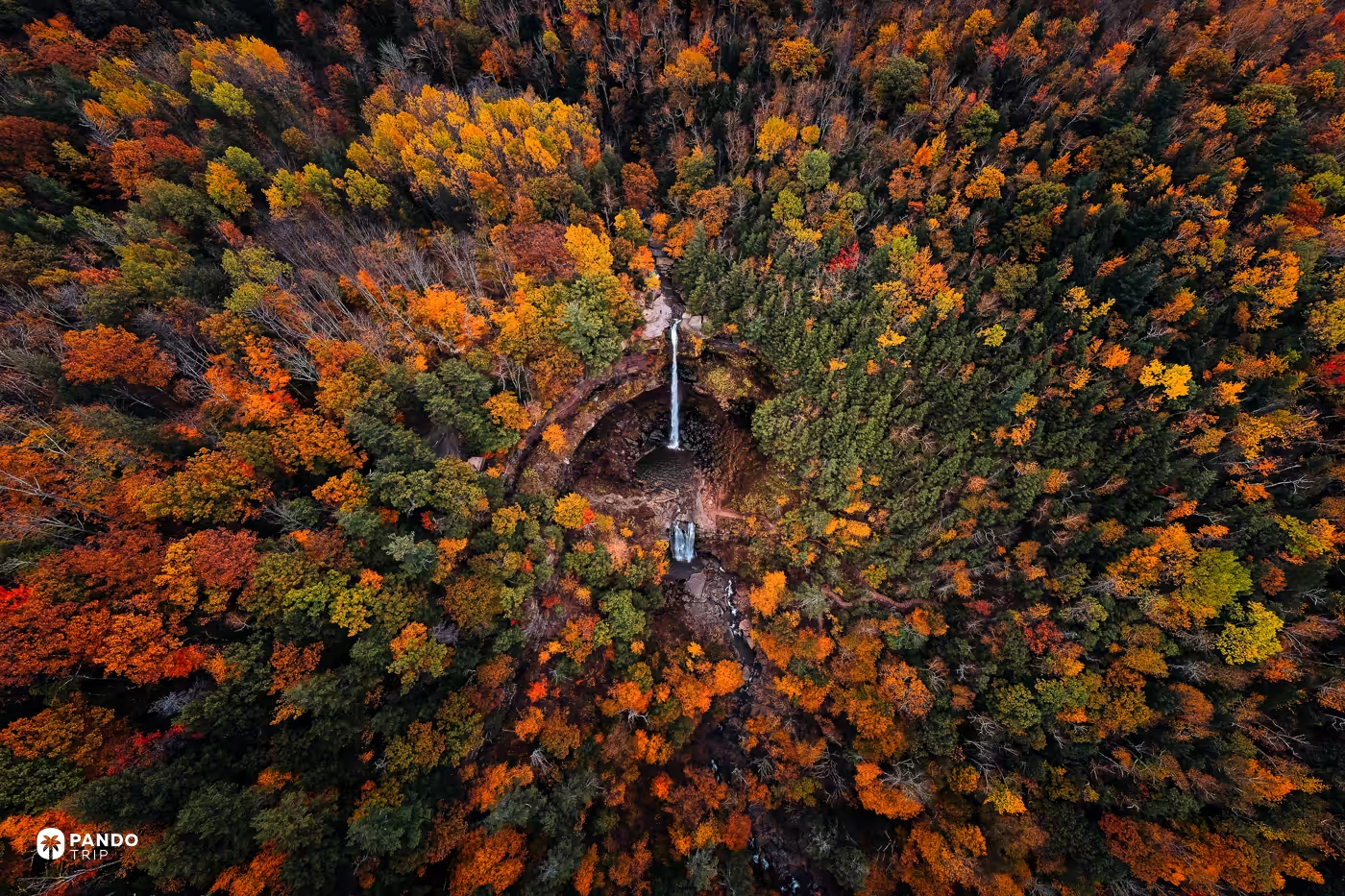
The exact dates change every year, but the pattern doesn’t. The colour peaks first in the north and on the high ridges, usually in the second half of September, and moves south and downhill through October. Northern Vermont and the higher White Mountains tend to lead; the Champlain Valley and the southern valleys follow; the Catskills, the southernmost part of this region, are often still colourful into late October, around waterfalls like the two-tiered Kaaterskill Falls. Across the region as a whole, late September to late October is the window.
Peak in any one valley is shorter than people expect: often only a week or so, sometimes just a few days if wind or rain strips the trees. So plan for a region, not a date. Vermont, New Hampshire and New York all publish foliage reports through the season, and moving with the colour is the surest way to find it.
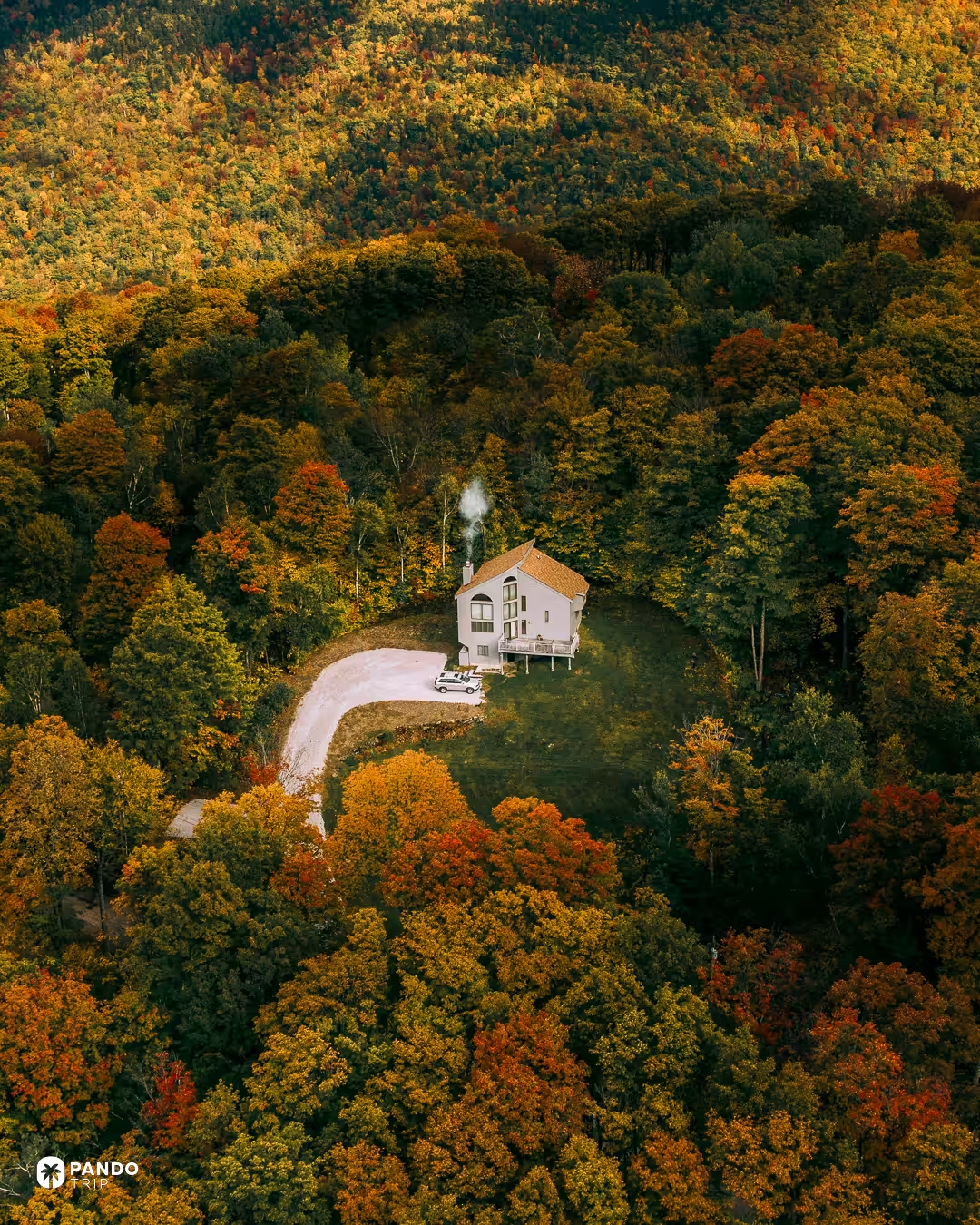
Not every fall here is perfect. A dry summer or an early frost can dull it. But when the sunny days, the cool nights and the maples line up, you get red forest, dark spruce, still lakes and white villages in the same view, and that combination is what people mean when they picture a perfect fall. For how this region compares with other places to see autumn colour, see our best places to see fall colors.