
Here’s the itinerary I see at least once a week:
Day 1-2: Paris. Day 3-4: Rome. Day 5-6: Barcelona. Day 7-8: Prague. Day 9: Amsterdam. Day 10: Fly home exhausted.
Ten days. Five countries. Four time zones worth of cultural whiplash. Zero understanding that they just tried to cram the equivalent of visiting New York, Mexico City, Toronto, Miami, and Buenos Aires into a single trip and call it “doing North America.”

Europe is 44 countries spread across 10.5 million square kilometers. It has 200+ languages, multiple climate zones, and cultural differences so profound that a dinner invitation means completely different things in Sweden versus Sicily.
Treating it like a single destination with minor regional variations doesn’t just create bad trips. It creates the kind of expensive disappointment where you spent $5,000 to eat mediocre pasta near the Colosseum while wondering why everyone said Europe was so magical.
The continent resists simplification. Even the bureaucracy proves it.
The Schengen Area: When Paperwork Reminds You Geography Is Complicated
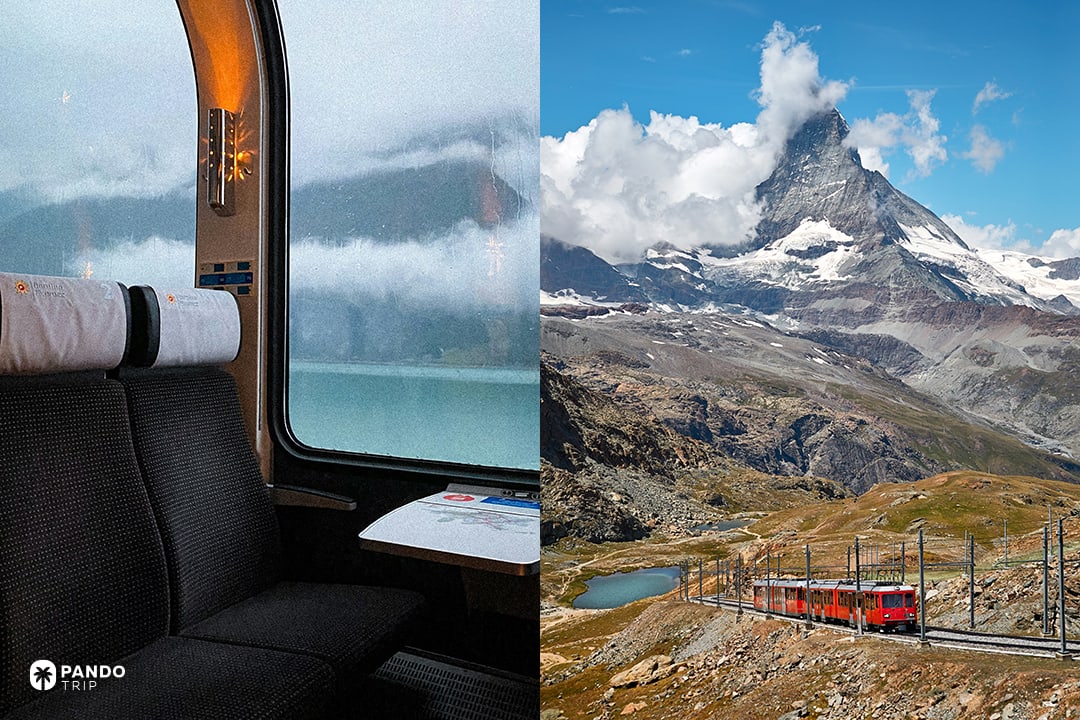
Most first-timers don’t know what the Schengen Area is until they’re filling out visa applications.
Twenty-nine European countries have eliminated internal border controls. Once you’re in, you can move freely between them. France to Germany? No passport check. Spain to Portugal? Drive right through. It feels borderless, which reinforces the “Europe is one place” illusion.
But getting into the Schengen Area from outside? That requires documentation that makes American TSA PreCheck look casual.
For many non-EU travelers, a Schengen visa is required. Part of that process involves proving you have medical insurance for Schengen visa approval – coverage for emergency treatment, hospitalization, and medical repatriation across all 29 member states. Minimum coverage: €30,000.
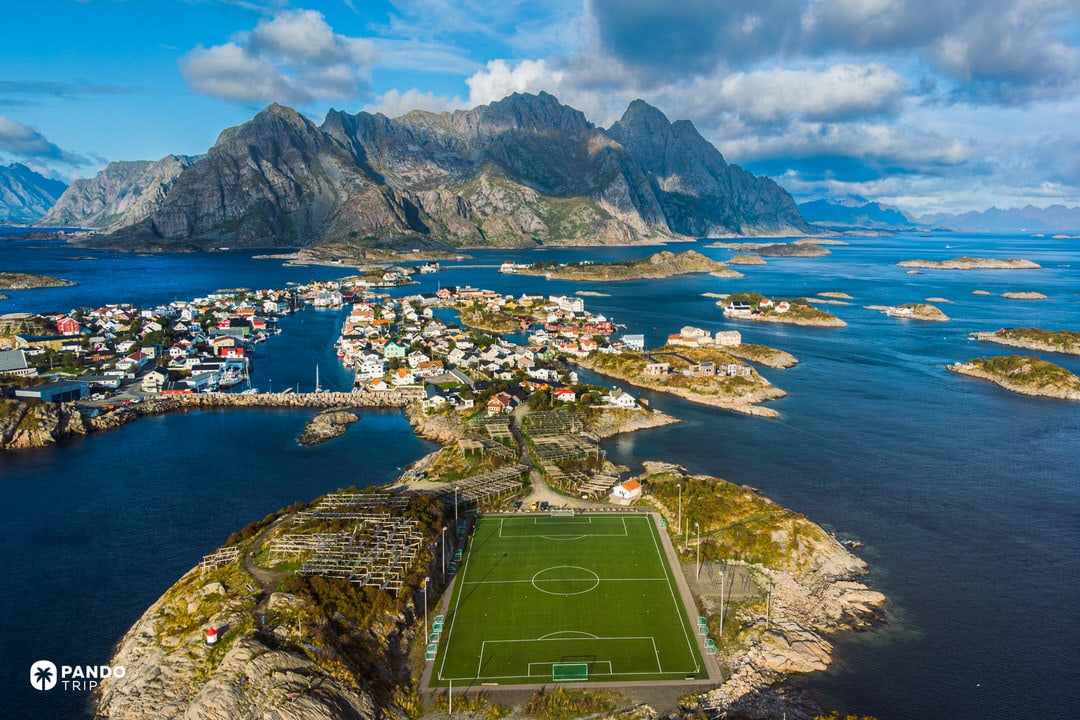
This isn’t suggested. It’s mandatory.
The bureaucratic reality forces you to understand something most guidebooks gloss over: Europe isn’t a country with regions. It’s dozens of countries that occasionally cooperate on immigration policy while maintaining completely separate identities.
That insurance requirement? It exists because a medical emergency in Norway costs differently than one in Greece, and the continent wants proof you won’t become their financial problem. Even the visa application acknowledges that “Europe” is a geographic convenience, not a unified entity.
And if you think the paperwork is tedious, wait until you try to reconcile what “Europe” means for actual travel.
What “Doing Western Europe” Actually Means
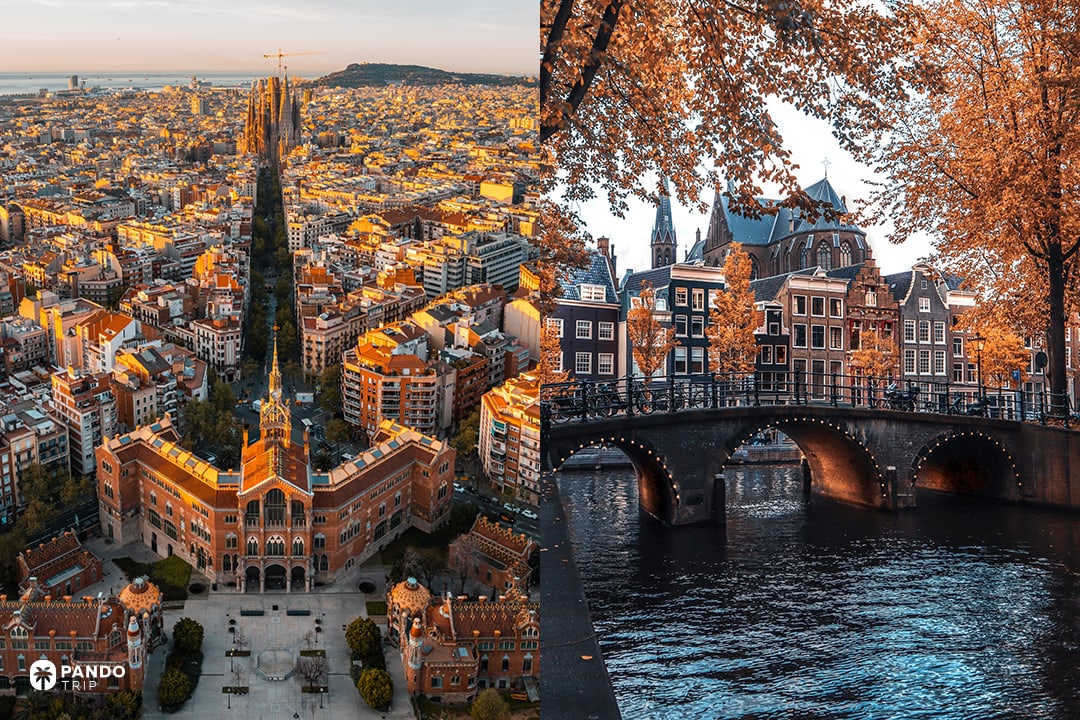
The classic first-timer route: London, Paris, Amsterdam, maybe Barcelona.
Sounds coherent. Four major cities in Western Europe. Similar enough, right?
Except London eats dinner at 6:30 PM while Barcelona hasn’t even opened its restaurants yet. Amsterdam’s idea of going out involves brown cafes and early nights. Paris treats dining as a three-hour social event you’re rude to rush. The British queue for everything with religious devotion while Spaniards treat lines as gentle suggestions.
Paris is where Americans go to feel European. Paris’s Eiffel Tower, the Louvre, Versailles – the landmarks are as famous as anything in the world, which means they’re also as crowded as anything in the world. August in Paris is when Parisians leave and tourists arrive. The city works, but you’re experiencing the tourist version, not the lived-in version.
Barcelona shares Mediterranean culture with Italy and Greece, not with Paris. The pace is slower. The streets fill up around 10 PM when Northern Europe is already in bed. Meals happen late. Businesses close for siesta. If you treat Barcelona like Paris with different architecture, you’ll spend half your time confused why nothing is open when you want it.
Amsterdam is Northern European to its core. Efficient, direct, punctual. Dinner at 6 PM. Cyclists who will absolutely run you over if you stand in the bike lane. The gezelligheid (cozy warmth) exists, but it’s structured cozy warmth. You don’t linger for hours at Dutch restaurants like you do in France or Spain. You enjoy your meal, you pay, you leave, everyone goes home at a reasonable hour.
These aren’t minor differences. They affect when you eat, how late things stay open, whether making reservations matters, how people interact with strangers, and whether showing up 10 minutes late is acceptable or offensive.
Treating Western Europe as one region works about as well as treating California and Maine as interchangeable because they’re both “coastal America.”
Central Europe Plays By Different Rules
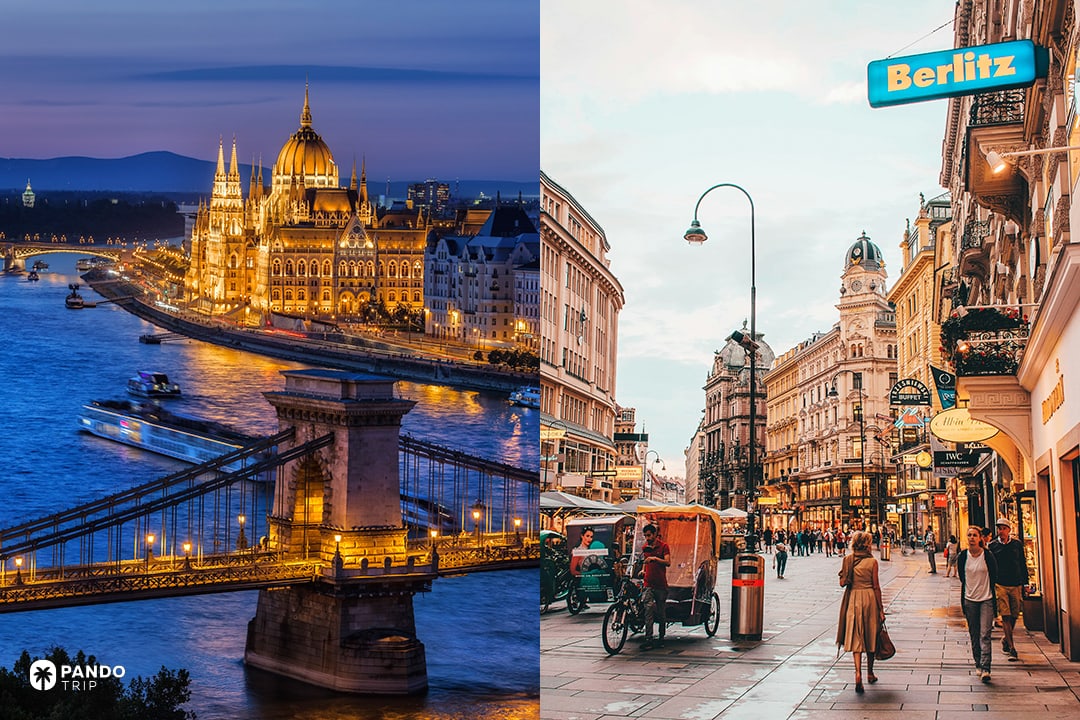
Prague, Vienna, Budapest – the classic Central European trio.
This is where the “Europe is one place” illusion falls apart completely, because now you’re in cultures shaped by completely different empires, wars, and political realities than Western Europe.
Central Europe does formality differently. Austrians and Germans value precision and punctuality to a degree that makes the Swiss look casual. If a museum says it opens at 9:00 AM, they mean 9:00:00 AM. Not 9:05. Showing up late to a reservation or appointment isn’t just rude – it’s baffling behavior.
The Czech Republic and Poland spent decades under Soviet influence. That history shows up in ways Western Europe doesn’t prepare you for. The architecture shifts. Communist-era housing blocks sit next to baroque palaces. The service culture is different – less performative friendliness, more directness. Not rude. Just not performing hospitality the way Americans expect.
Hungary sits between Western and Eastern Europe culturally, which makes Budapest feel like its own category. The language is completely unrelated to anything nearby (Finnish and Estonian are its only European relatives). The food draws from Turkish, Austrian, and Slavic influences. The historical trauma is more recent and more visible.
You can’t visit Auschwitz-Birkenka in Poland on a Monday morning and then expect to enjoy a cheerful afternoon in Krakow’s Old Town. The emotional weight of Central European history doesn’t fit into the “colorful European culture” package tour framework.
Northern Europe Costs What It Costs

Stockholm, Copenhagen, Oslo, Reykjavik – the Nordic capitals that make your credit card weep.
A beer in Prague costs €2. The same beer in Oslo costs €10. A budget meal in Portugal runs €8. A budget meal in Copenhagen starts at €20 and that’s if you’re being optimistic about what “budget” means.
Northern Europe doesn’t do cheap. Even the hostels cost more than mid-range hotels in Southern Europe.
The culture is different too. Nordic countries value personal space, quietness, and privacy in ways that Mediterranean cultures don’t. Strangers don’t chat with you on trains. Service interactions are efficient but not effusive. Small talk with shopkeepers isn’t really a thing.
This isn’t coldness. It’s a different social contract. Finns have a word for it – sisu – roughly translating to stoic determination and resilience. You respect people’s space. You don’t intrude. You appreciate nature and silence.
If you’re coming from loud, social, physically affectionate Southern Europe and you don’t adjust your expectations, you’ll think Norwegians hate you. They don’t. They just express friendliness differently, and probably think you’re exhausting.
The landscapes deliver what the costs promise, though. Fjords. Glaciers. The midnight sun. Iceland’s volcanic otherworldliness. The Nordic countries are among the most beautiful places on Earth, but they’re expensive and culturally distinct enough that lumping them in with “Europe” misses the point entirely.
Eastern Europe Isn’t the Budget Alternative to Western Europe
Here’s the outdated advice still circulating: “Can’t afford Paris? Go to Eastern Europe!”
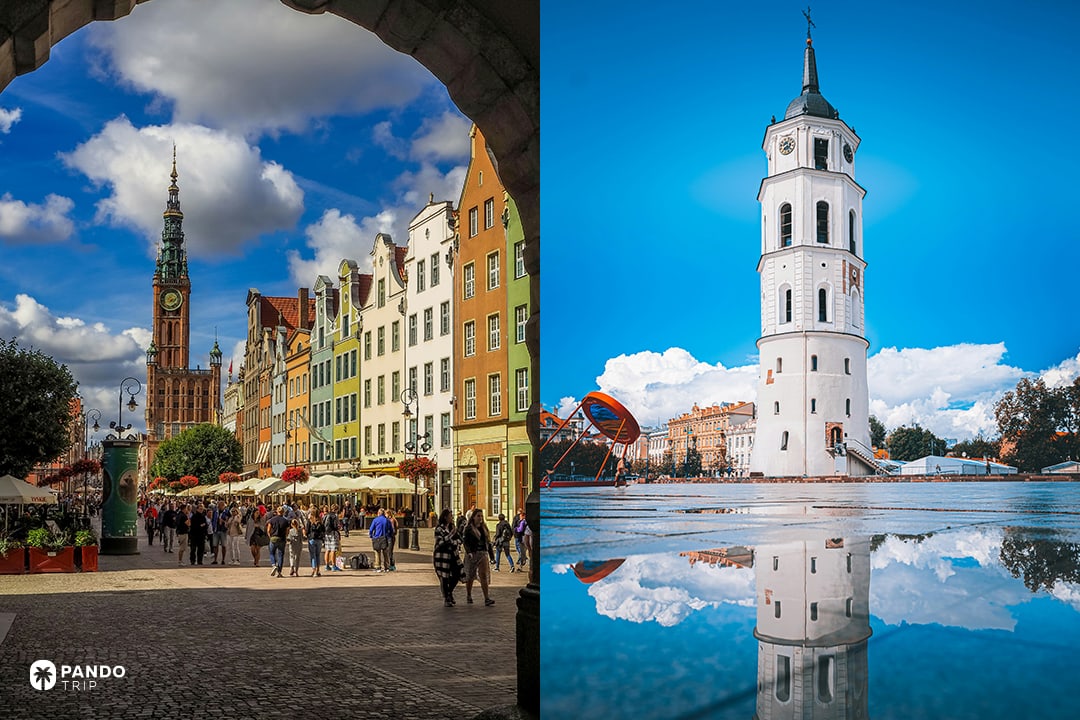
Poland, Romania, Bulgaria, the Baltics – yes, they’re more affordable than Scandinavia. But treating them as the “cheap version” of Western Europe is both wrong and insulting.
These are countries with distinct histories, languages, and cultures that don’t map onto the Western European framework at all. Visiting Bucharest isn’t like visiting a budget Paris. It’s visiting Bucharest, a city shaped by Ottoman rule, communist dictatorship, and post-1989 transformation into something still defining itself.
Tallinn in Estonia is medieval, digital, and Baltic all at once. Old Town looks like a fairytale. The restaurant scene is sophisticated and modern. The entire country runs on digital government services that make the rest of Europe look primitive. It’s not “cheap Prague.” It’s Estonian.
The recent history still echoes. Romania’s revolution against Ceaușescu happened in 1989. The Soviet occupation of the Baltic states ended in 1991. These aren’t ancient historical footnotes. These are events within living memory, and they shaped the countries you’re visiting.
The food is different. The social dynamics are different. The relationship with Western Europe is complicated in ways that a tourist blowing through for three days won’t fully grasp.
You can absolutely travel Eastern Europe on a budget. Just don’t do it because you think it’s Western Europe with lower prices.
When You Go Matters More Than Where You Go
Europe’s peak travel seasons don’t align neatly across the continent.
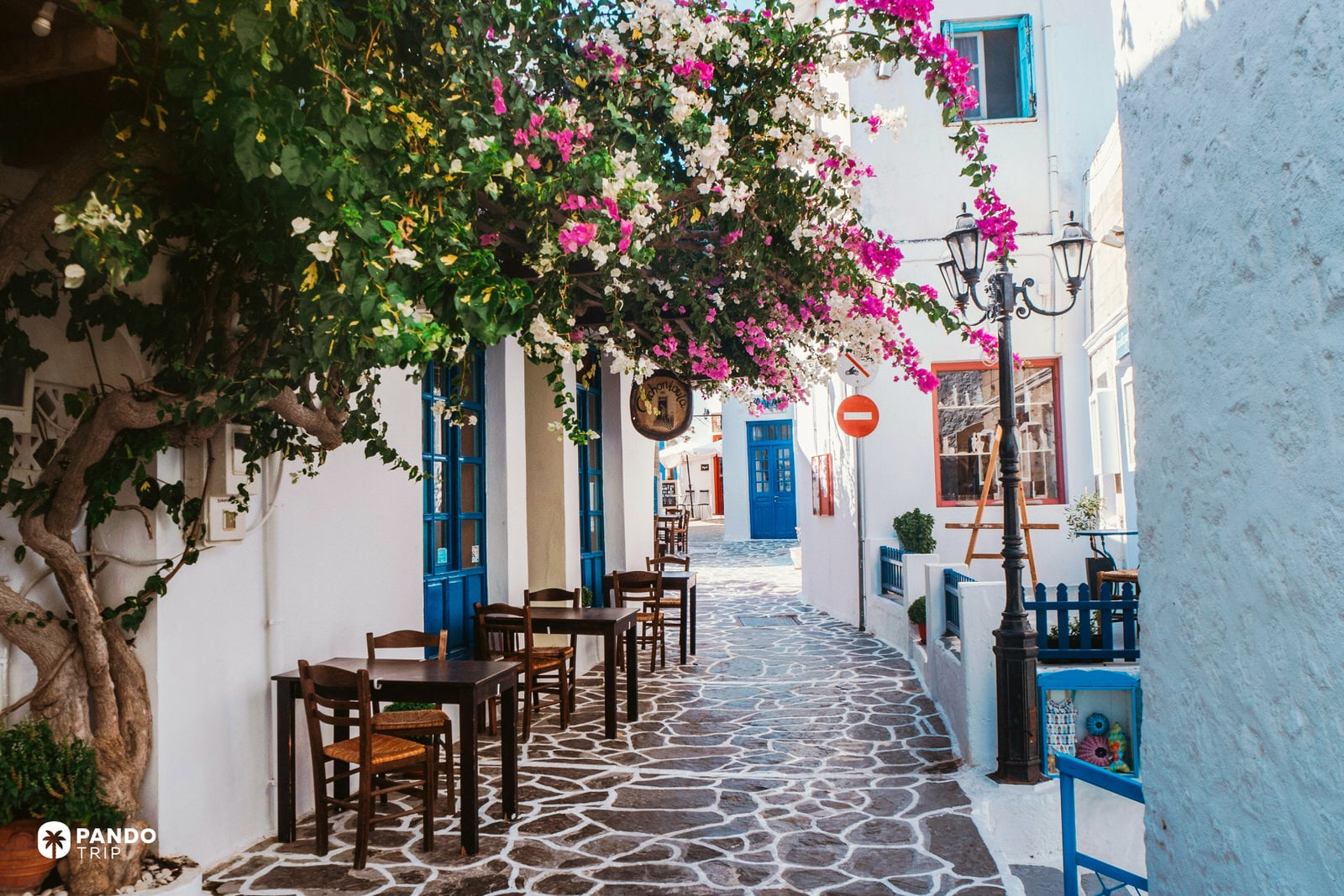
Mediterranean Europe (Spain, Italy, Greece): Peak season runs June through August. It’s also when temperatures hit 35°C, crowds are unbearable, and locals flee to the coast or mountains. Shoulder seasons (April-May, September-October) give you better weather, fewer tourists, and the same sights for less money.
Northern Europe: July is the only reliably warm month in Scandinavia and the Baltics. Everyone takes vacation then. Hotels fill up. Prices spike. But it’s also when you get 20+ hours of daylight, and the countries are actually warm enough to enjoy outdoor activities.
Central Europe: May-June and September are ideal. Summer works but brings crowds. Winter turns Prague and Vienna into Christmas market destinations, which is magical if you like that and a tourist trap if you don’t.

Alpine regions (Switzerland, Austria, parts of France and Italy): Two peak seasons – summer hiking (July-August) and winter skiing (December-March). Go between seasons and half the towns are closed.
Trying to “do Europe” in two weeks means you’re inevitably hitting some regions at the wrong time. You can’t optimize for Mediterranean shoulder season AND Nordic summer AND Alpine skiing season simultaneously.
This is why the ten-day, five-country itinerary fails. You’re not just crossing geographic distance. You’re trying to reconcile incompatible seasonal rhythms.
How to Actually Approach Europe
Here’s what works:
Pick a region. Actually pick one.
Western Europe and nothing else. Or the Baltics. Or the Mediterranean. Countries that share seasonal patterns, cultural similarities, and reasonable travel distances.
Three countries in two weeks is ambitious but doable. Five countries is a travel montage, not a trip. You spend more time in airports and train stations than actually experiencing places.
Understand that “major cities” isn’t a region.
London-Paris-Rome makes a triangle on a map and nothing else. These cities have almost nothing culturally in common except fame. If you want to see famous landmarks, fine. But don’t expect coherent cultural immersion.
Research what actually affects travel.
Meal times. Public transportation hours. Whether shops close on Sundays. If you need reservations or can walk in. How credit cards work (or don’t). Whether tipping is expected or offensive.
This isn’t about being the perfect traveler. It’s about not spending your trip frustrated that nothing works the way you assumed it would.
Account for the boring stuff that ruins trips.
Visa requirements. Insurance documentation. Schengen Zone restrictions (90 days in any 180-day period for most non-EU travelers). Bank cards that work internationally. Electrical adapters. These are the practical failures that derail otherwise good planning.
Accept that you can’t see everything.
Europe will still be here next time. The Louvre isn’t going anywhere. Missing Barcelona doesn’t mean you’ve failed at travel.
Depth over breadth. Experiencing three countries well beats photographing ten countries badly.
The Real Problem

The “Europe in 10 days” fantasy isn’t about logistics. It’s about refusing to accept that the continent is genuinely diverse.
Diversity isn’t a marketing slogan here. It’s the defining characteristic. Europe is small by land area but culturally vast in ways that no amount of high-speed rail can compress.
Treating it like a theme park with country-shaped sections doesn’t just create exhausting itineraries. It misses what makes European travel worthwhile in the first place.
The Norwegian relationship with nature is different from the Italian relationship with history is different from the Czech relationship with tragedy is different from the Spanish relationship with time itself.
You can’t experience any of that while sprinting through train stations trying to hit every famous landmark in a guidebook.
Slow down. Pick less. Stay longer.
Europe isn’t one place. Stop planning like it is.