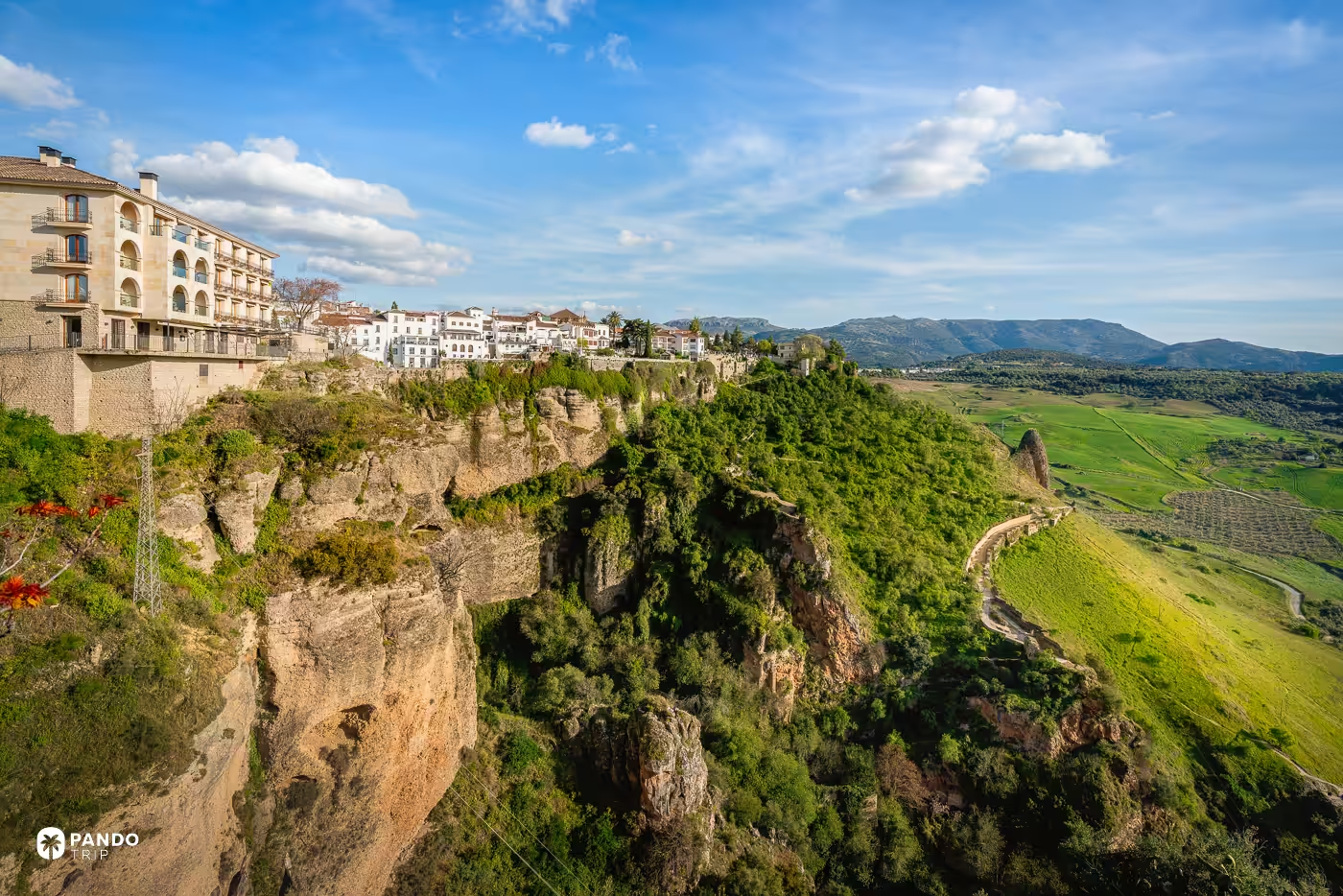
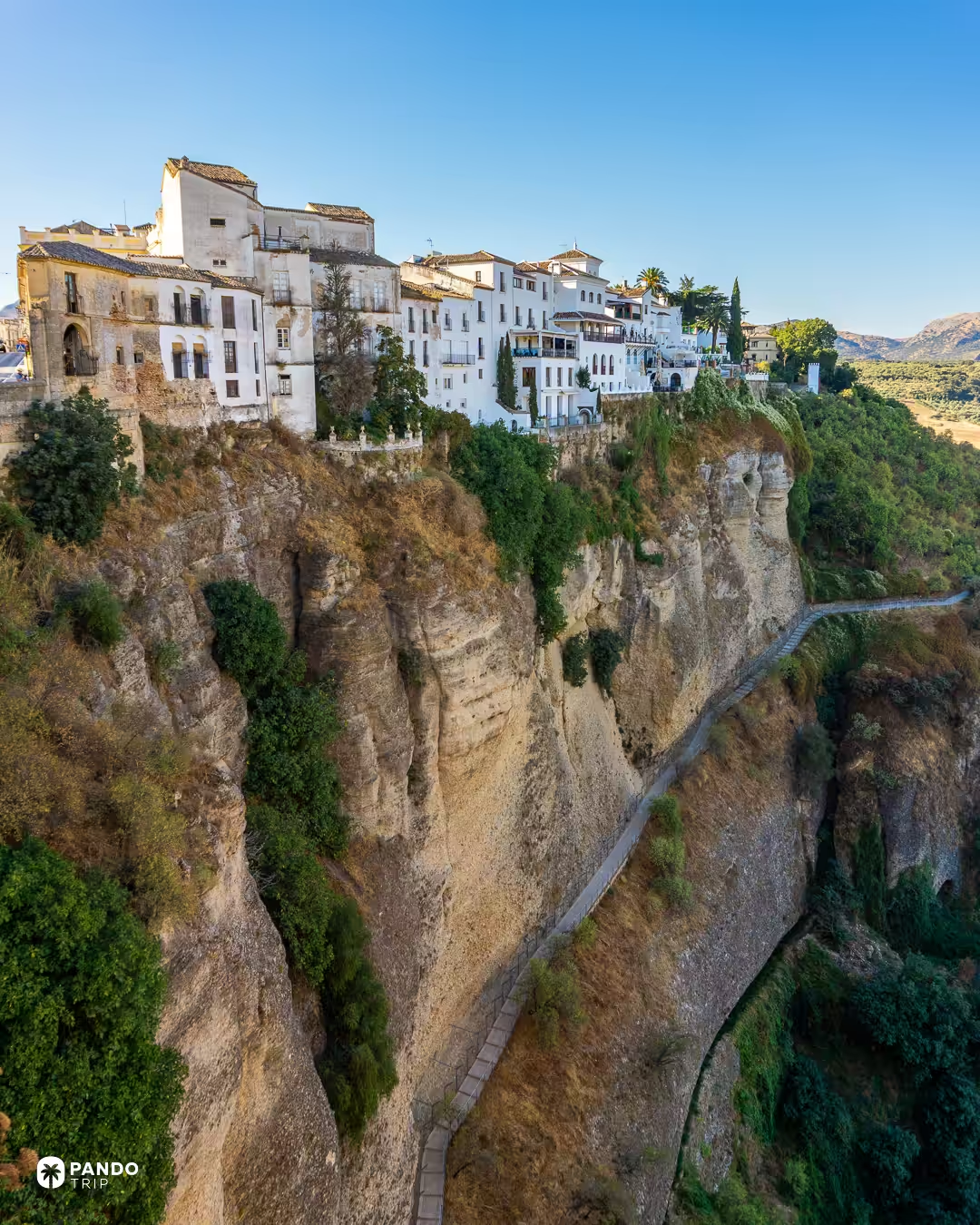
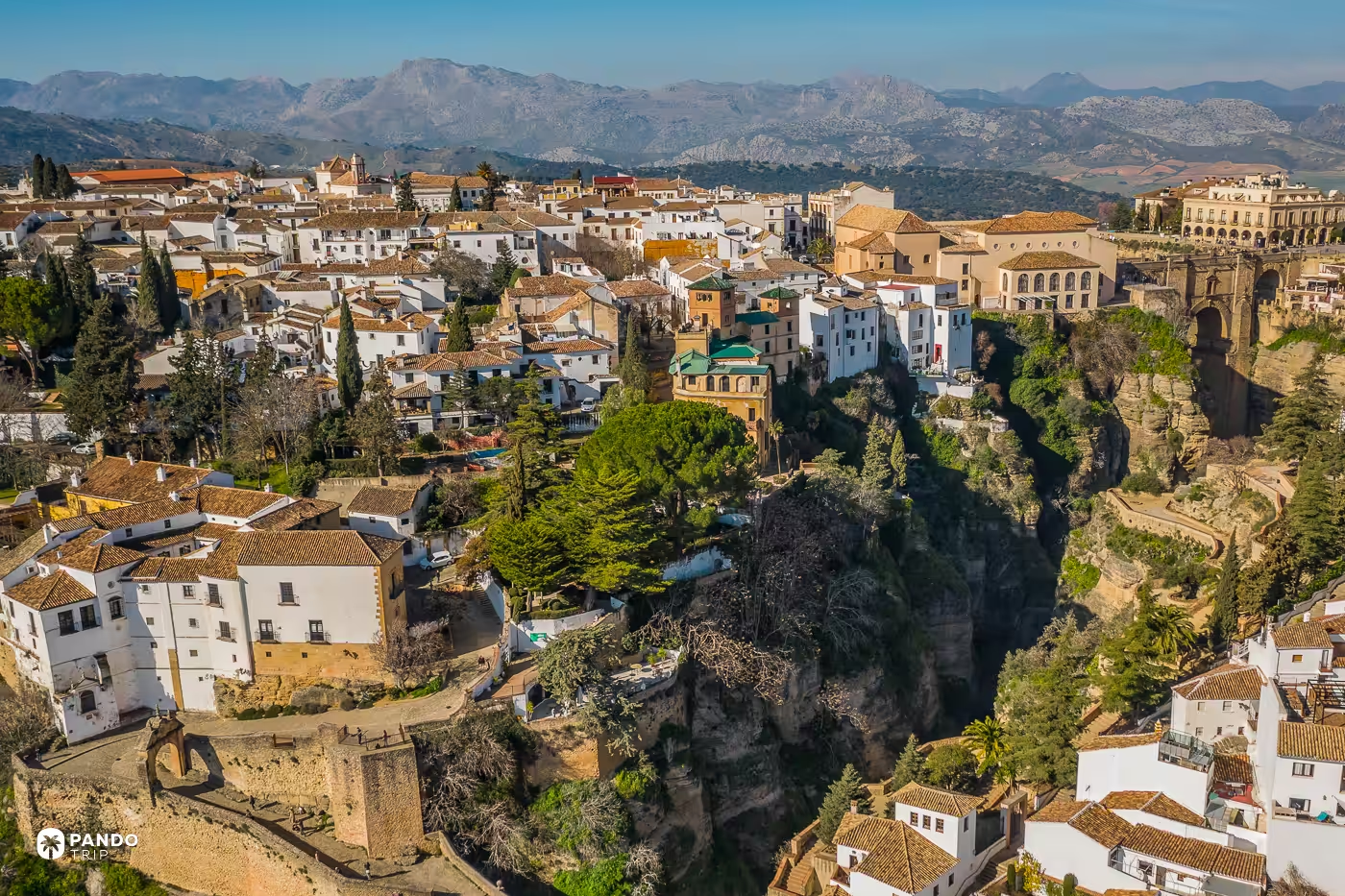
Ronda’s houses stand over a gorge around 100 metres deep. The drop that looks so alarming is the reason the town is here at all.
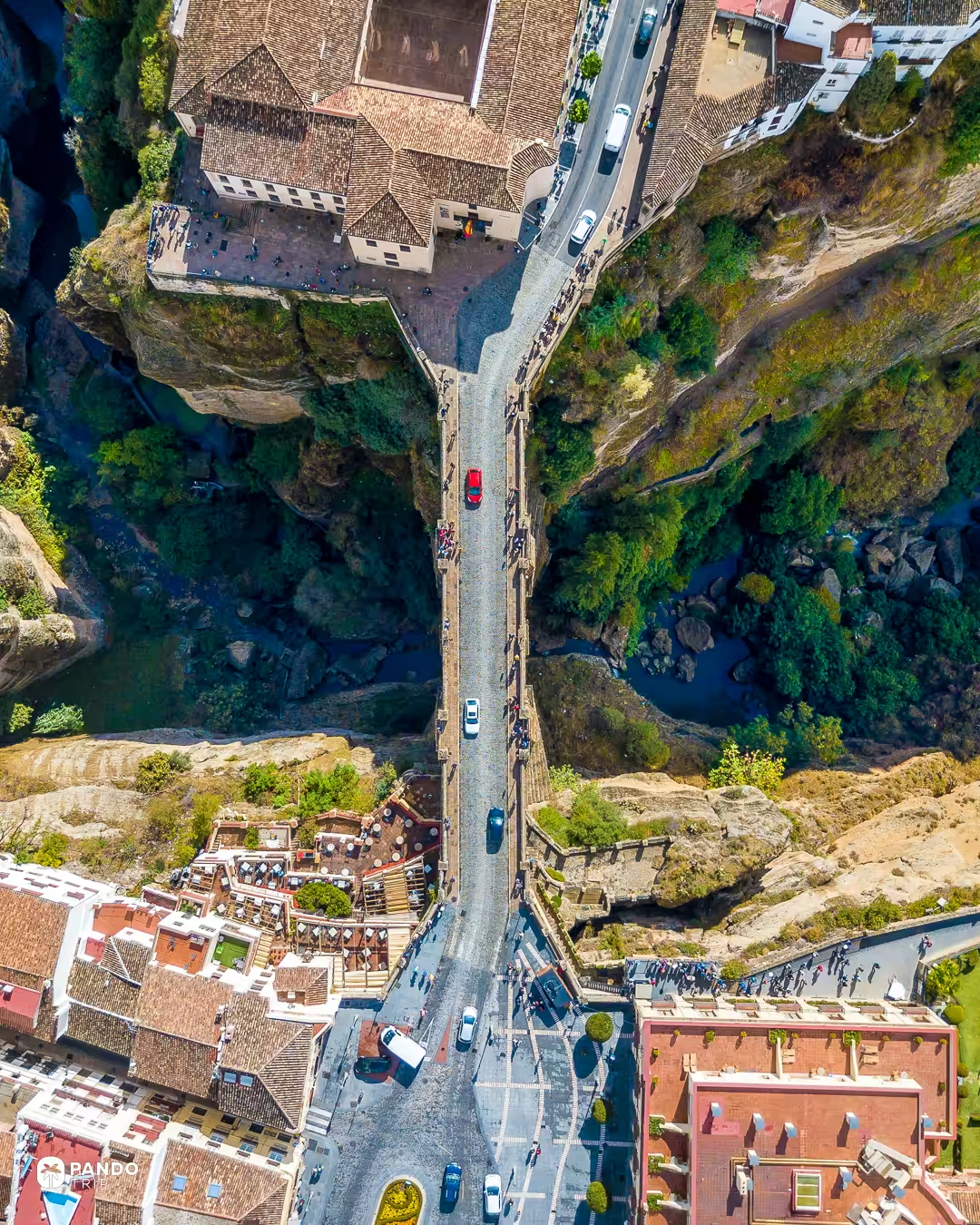
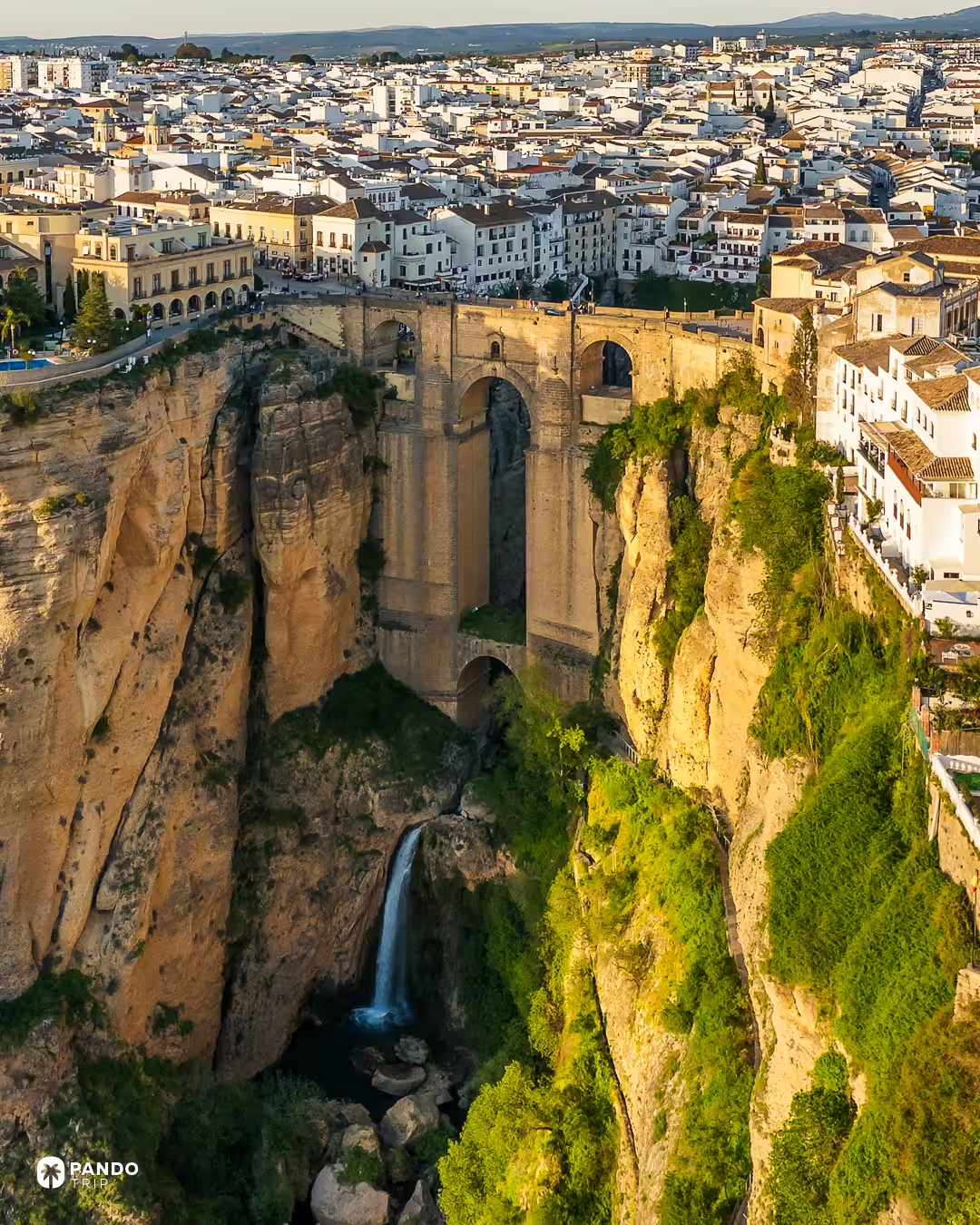
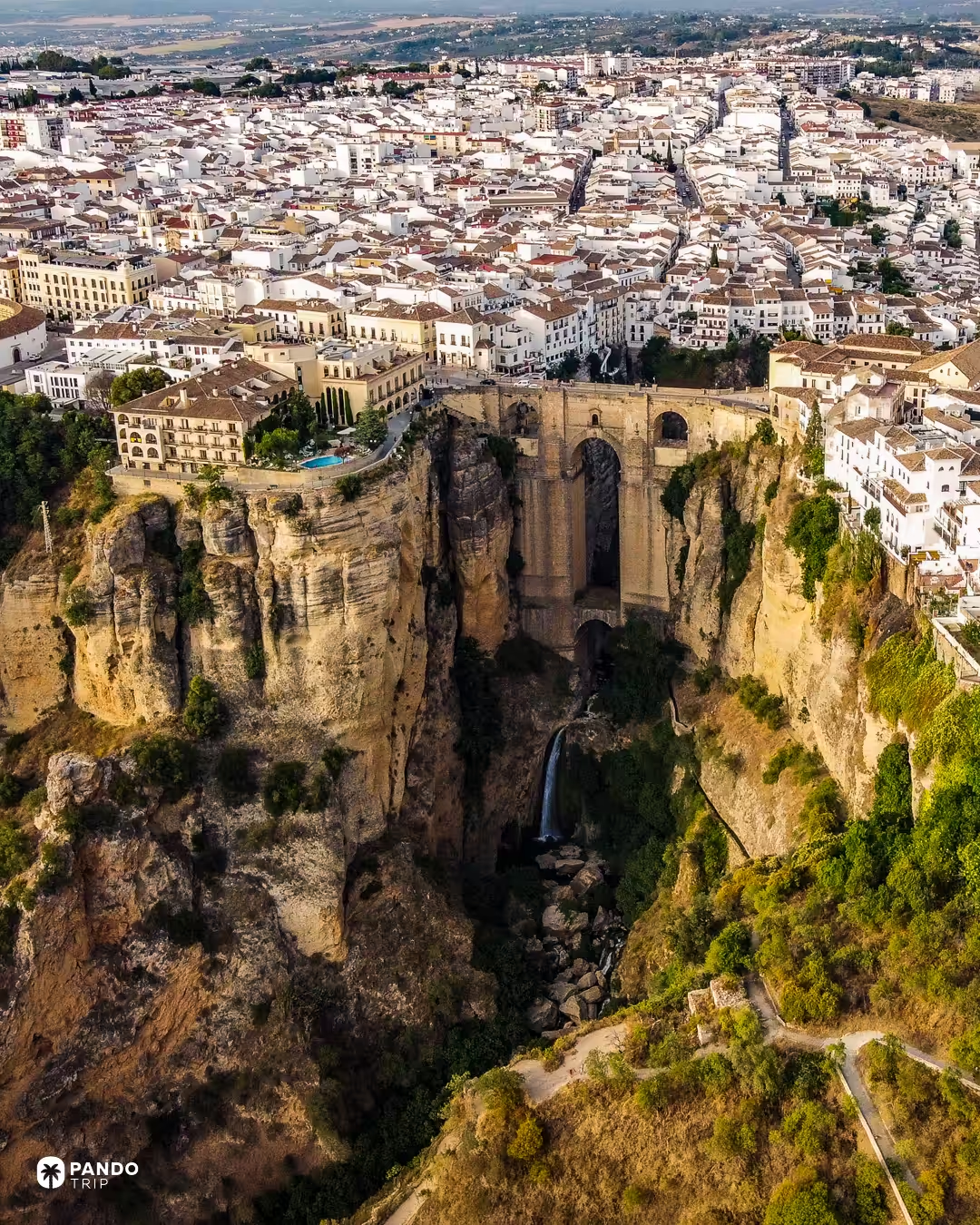
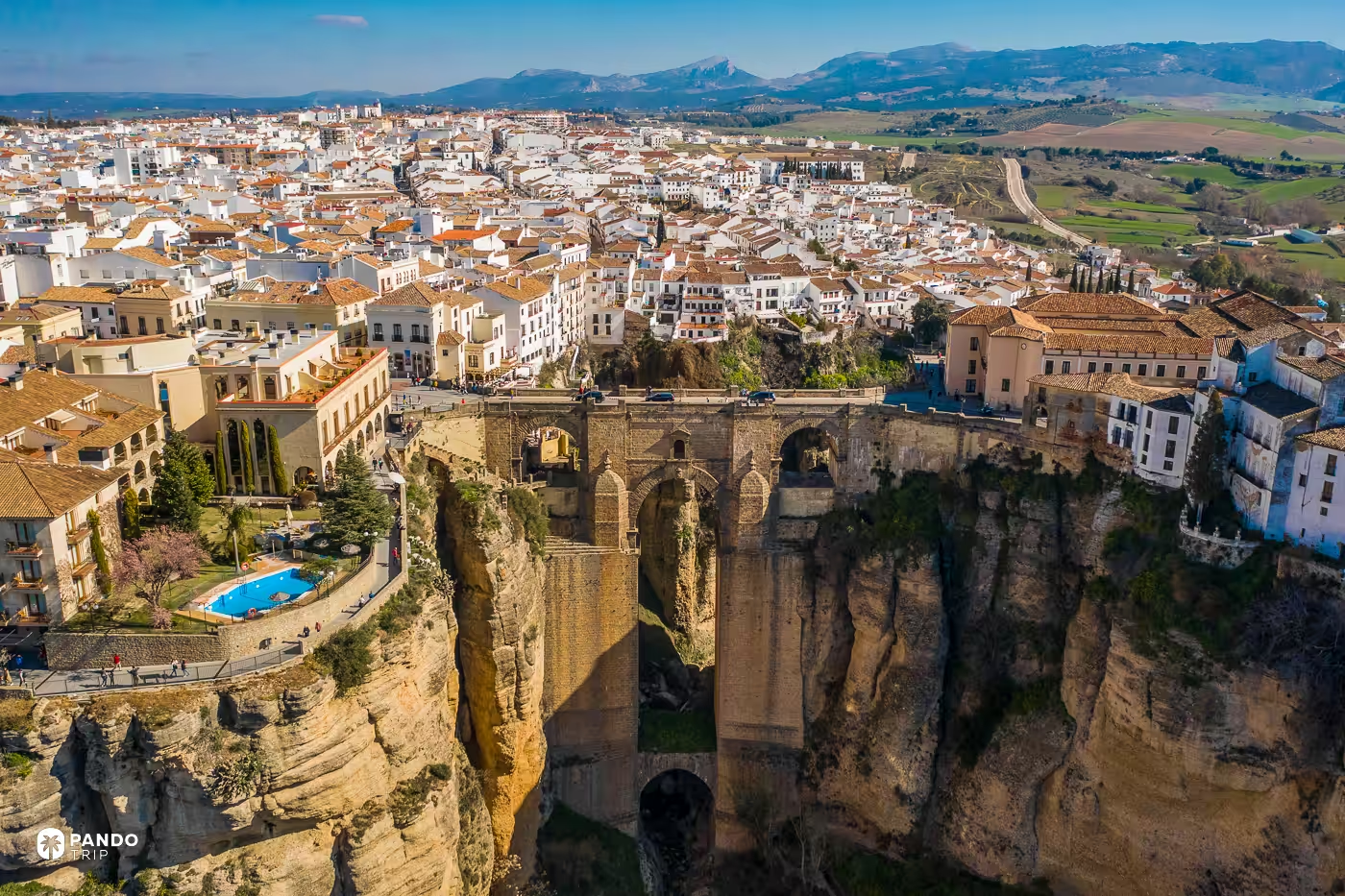
Ronda’s houses run right up to the lip of a sheer limestone gorge in the hills of Málaga province, in southern Spain. Balconies hang over nothing. Hotel terraces end in a railing and then a drop of around 100 metres to the river, and a stone bridge stands on piers that start at the bottom and keep going until they meet the town. It looks like a planning mistake that nobody got around to correcting.
It wasn’t a mistake. For most of its history the cliff was the whole point. A town that sits on a rock wall is a town that nobody can walk into uninvited, and Ronda was built by people who needed exactly that. The irony is that the same drop that kept armies out for centuries now pulls in the coaches.
The gorge was the wall
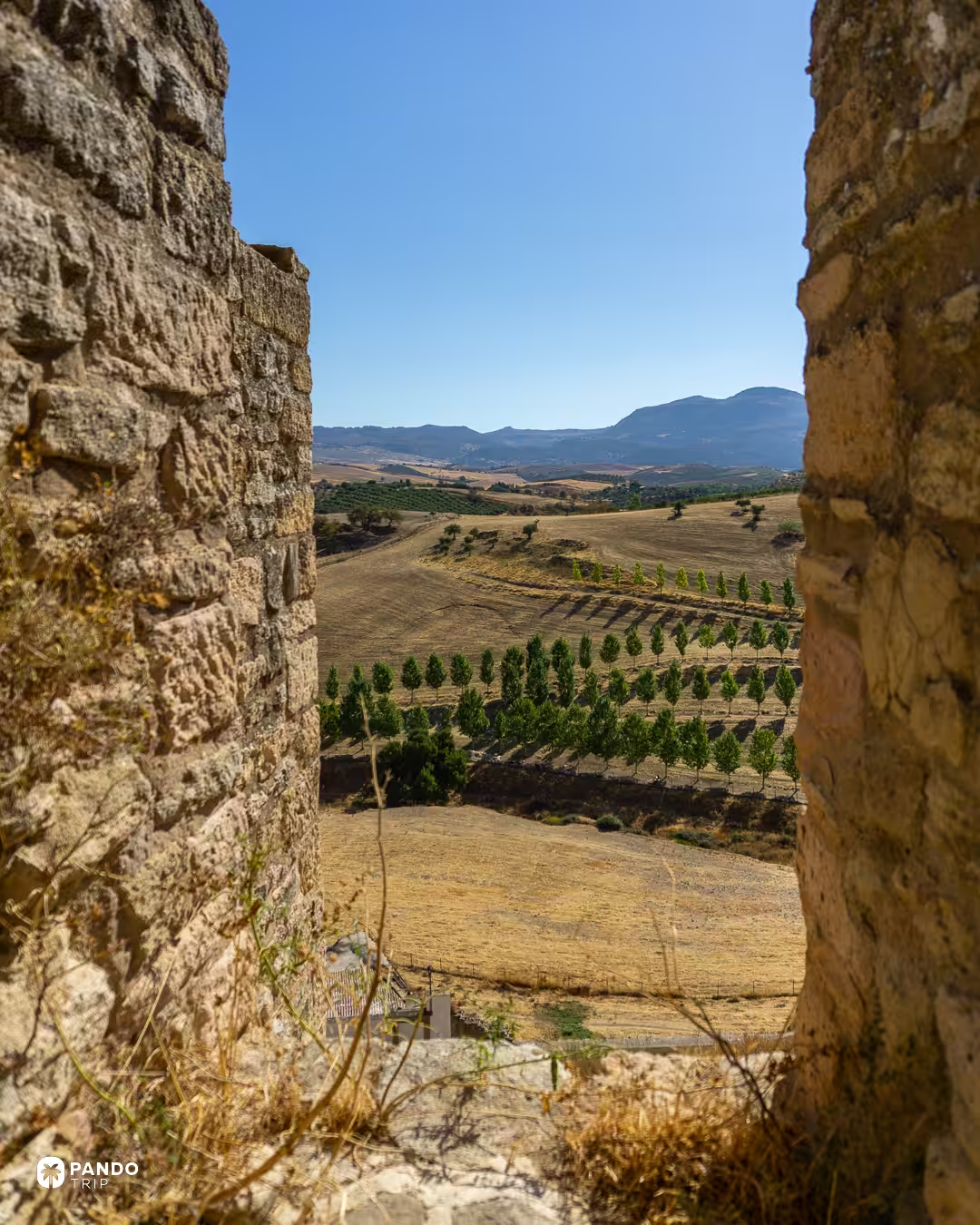
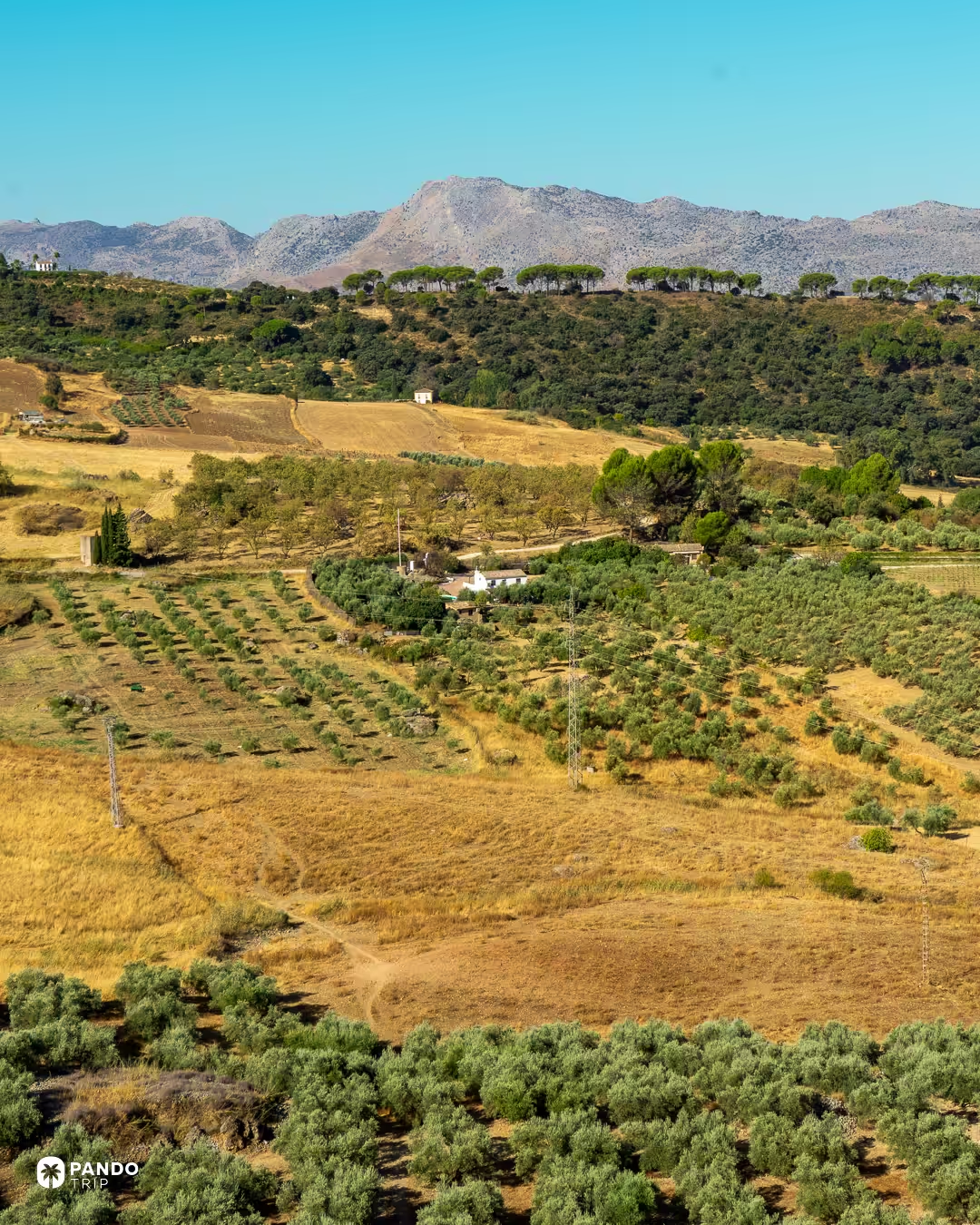
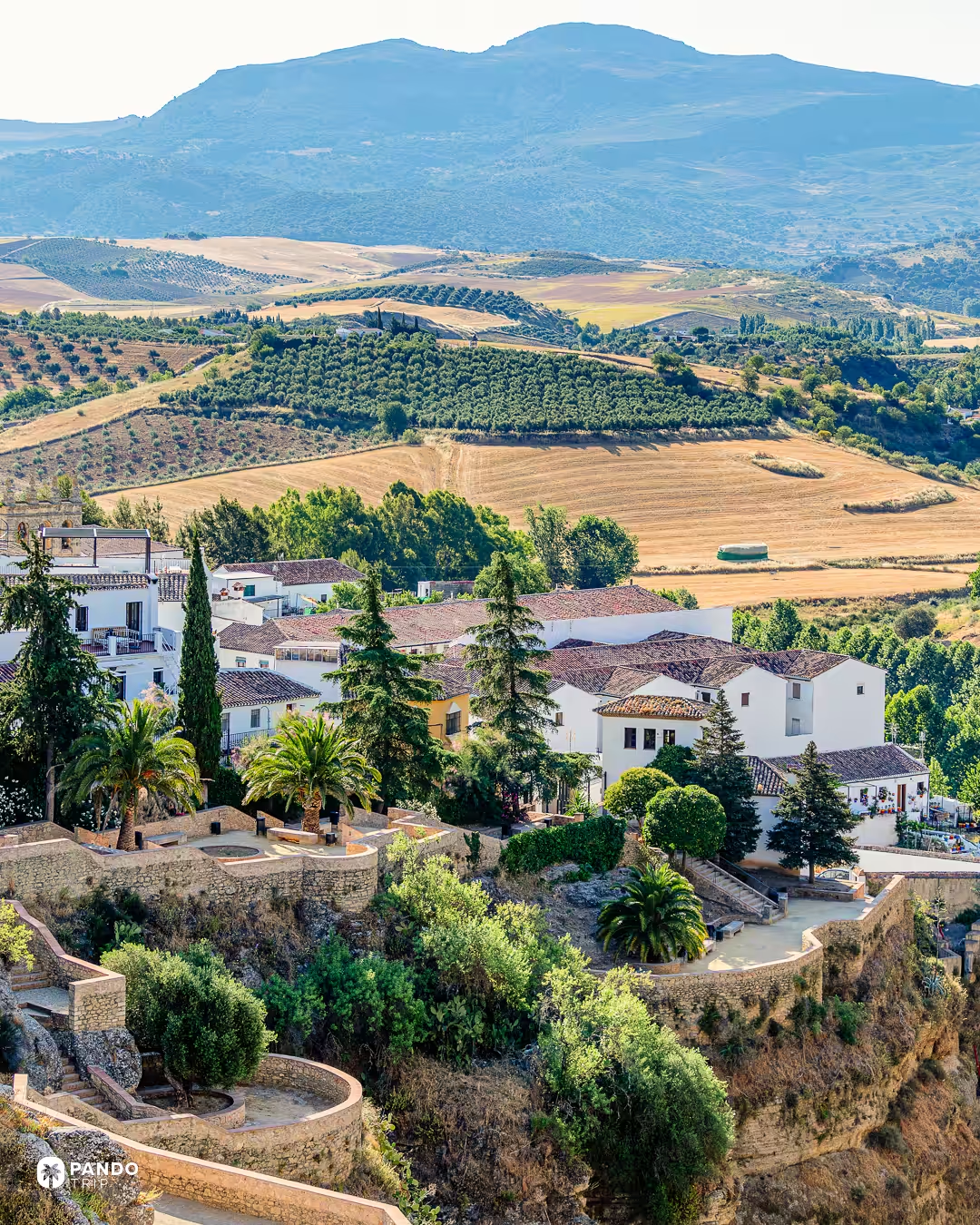
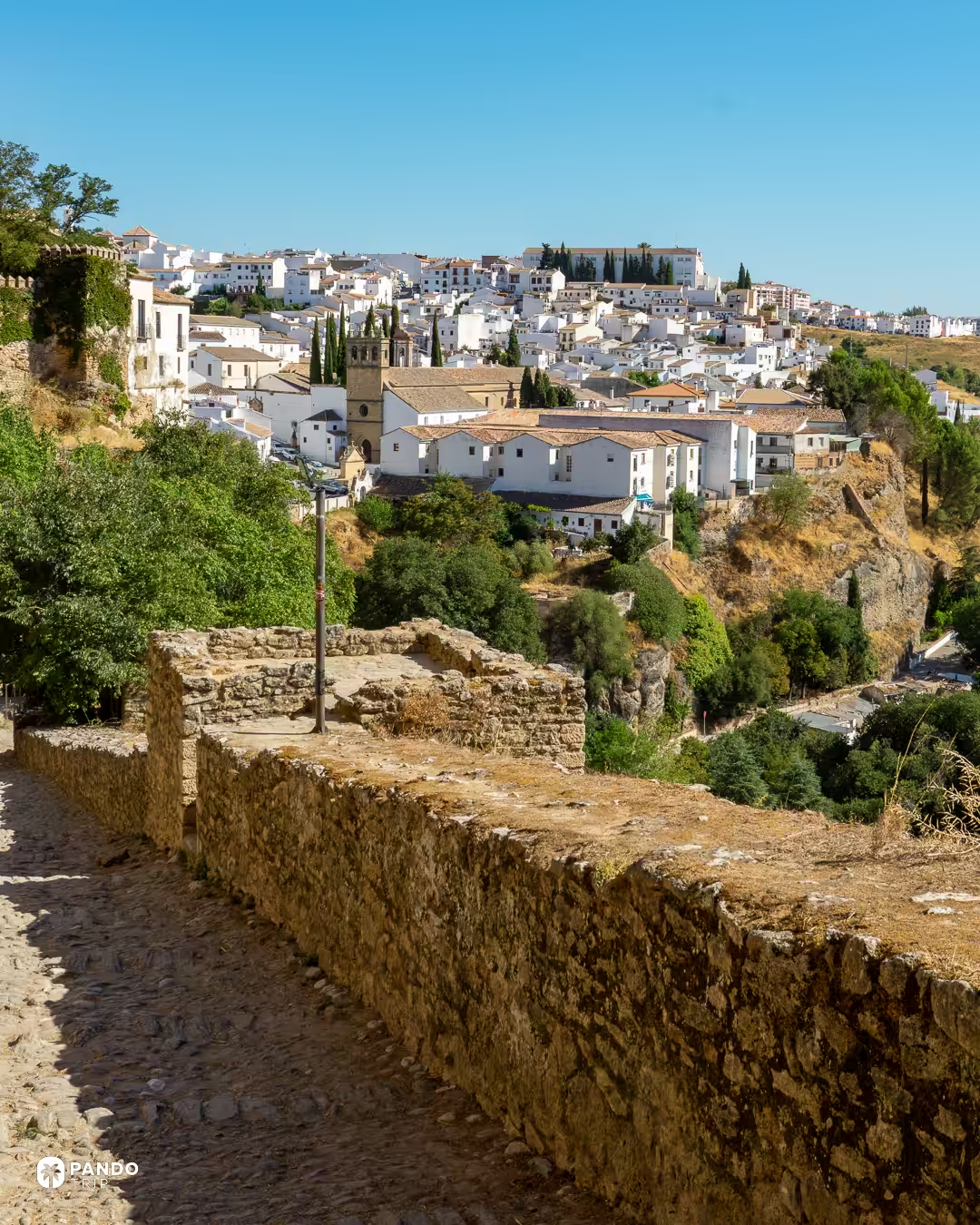
Ronda stands on a plateau roughly 750 metres up, and the Guadalevín river has spent a very long time sawing it in half. The result is El Tajo: a slot about 100 metres deep and in places only a few dozen metres across, its walls streaked in ochre and grey and stuck with stubborn green wherever a plant has found a crack. On the south side sits La Ciudad, the old Moorish town. On the north, El Mercadillo, the newer quarter. To the west the plateau ends in another long escarpment above a valley of olive groves and dry golden fields.
For a medieval town that meant cliffs on several sides and only a few approaches to defend. It worked. Ronda stayed a Moorish town until 1485, and when the Castilian army of Ferdinand and Isabella finally came for it, it took a siege and heavy artillery.
A wall keeps the water out too
There is a catch to living on top of a rock. The river is at the bottom of it.
Ronda’s answer is still there, hidden behind the gardens of the Casa del Rey Moro: the Mina de Agua, a stairway cut down through the gorge wall to the water. It is usually dated to the 14th century, and it let the town keep drinking during a siege without sending anyone outside the walls. Counts vary; one puts it at 231 steps. Local legend prefers 365, cut one a day for a year by Christian captives, who then spent their lives hauling water back up in leather sacks. The tidy calendar arithmetic is folklore; the stairs, and the long wet climb, are not.
The mine also explains how the siege ended. According to the chroniclers, the Marquis of Cádiz learned of it and fought his way to the water. With the water access gone and the walls under bombardment, Ronda fell on 22 May 1485. The cliff had done its job for centuries. The weak point was the one place where the town had to go down to the river.
You can still walk down those steps today. They are steep, dark and wet, and the climb back up gives you a fair idea of how the water carriers felt about them.
The bridge that took two attempts
Once nobody needed to defend Ronda, the gorge stopped being an asset and became an inconvenience. The town had spread to both sides, and crossing meant going down into the valley and back up again.
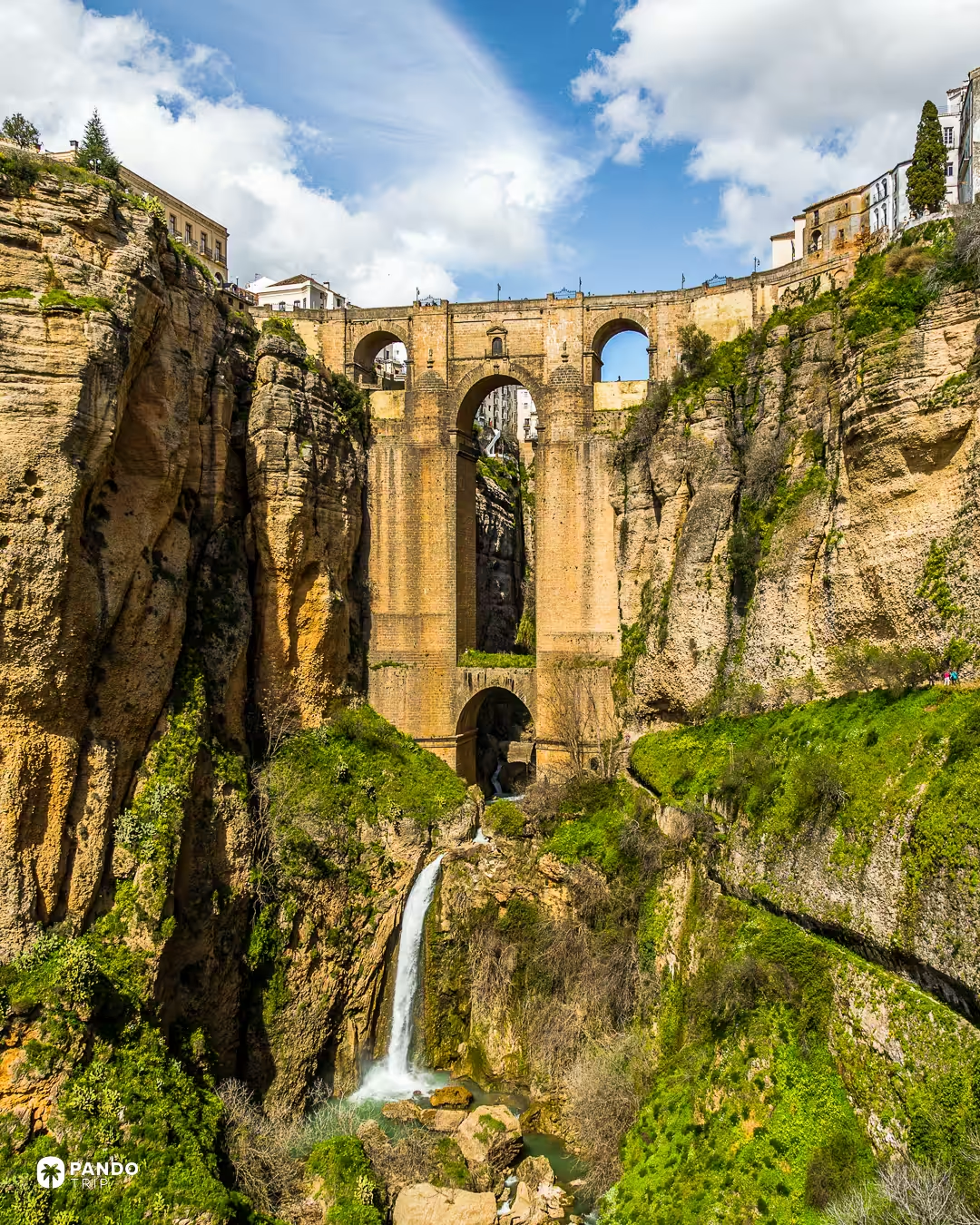
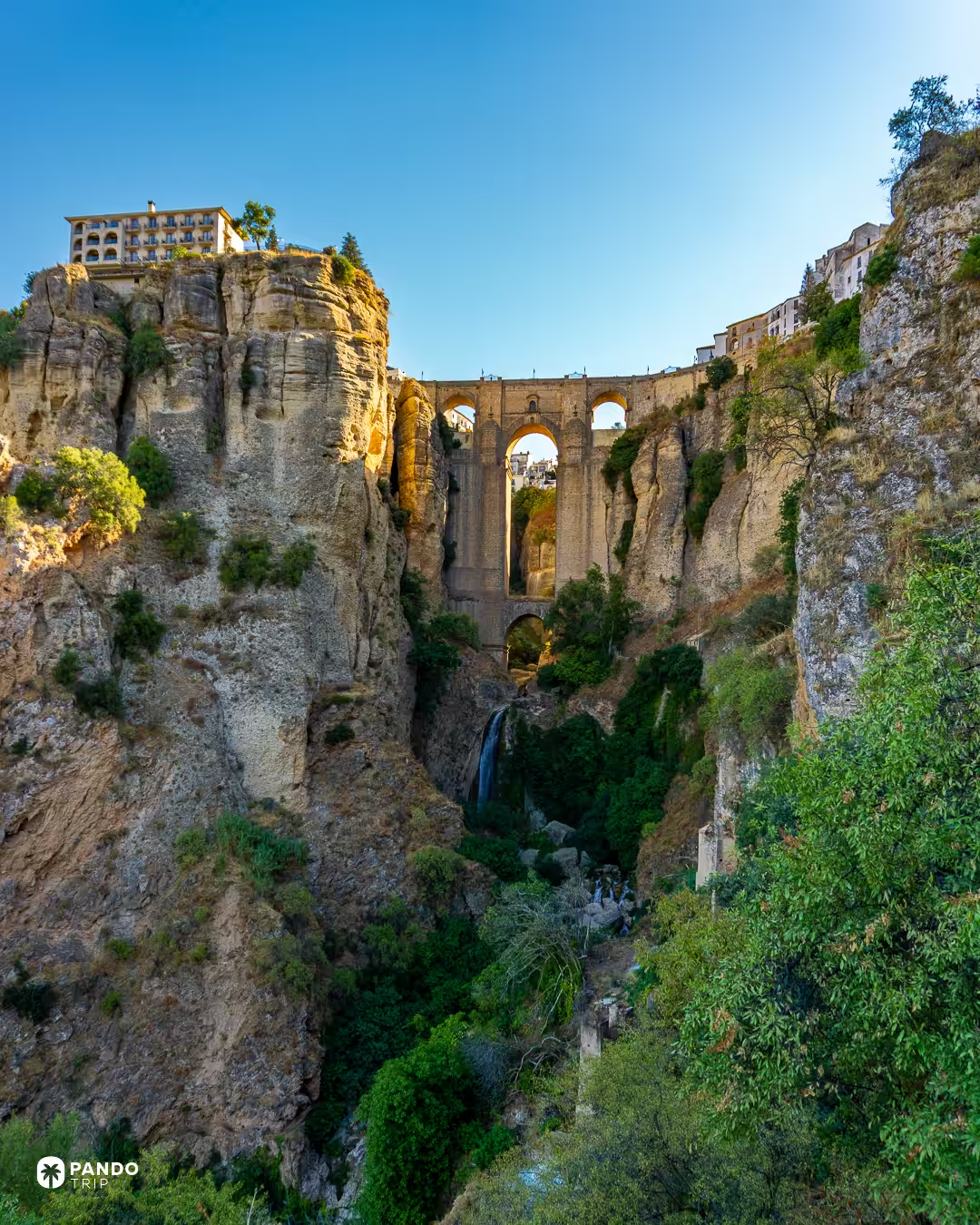
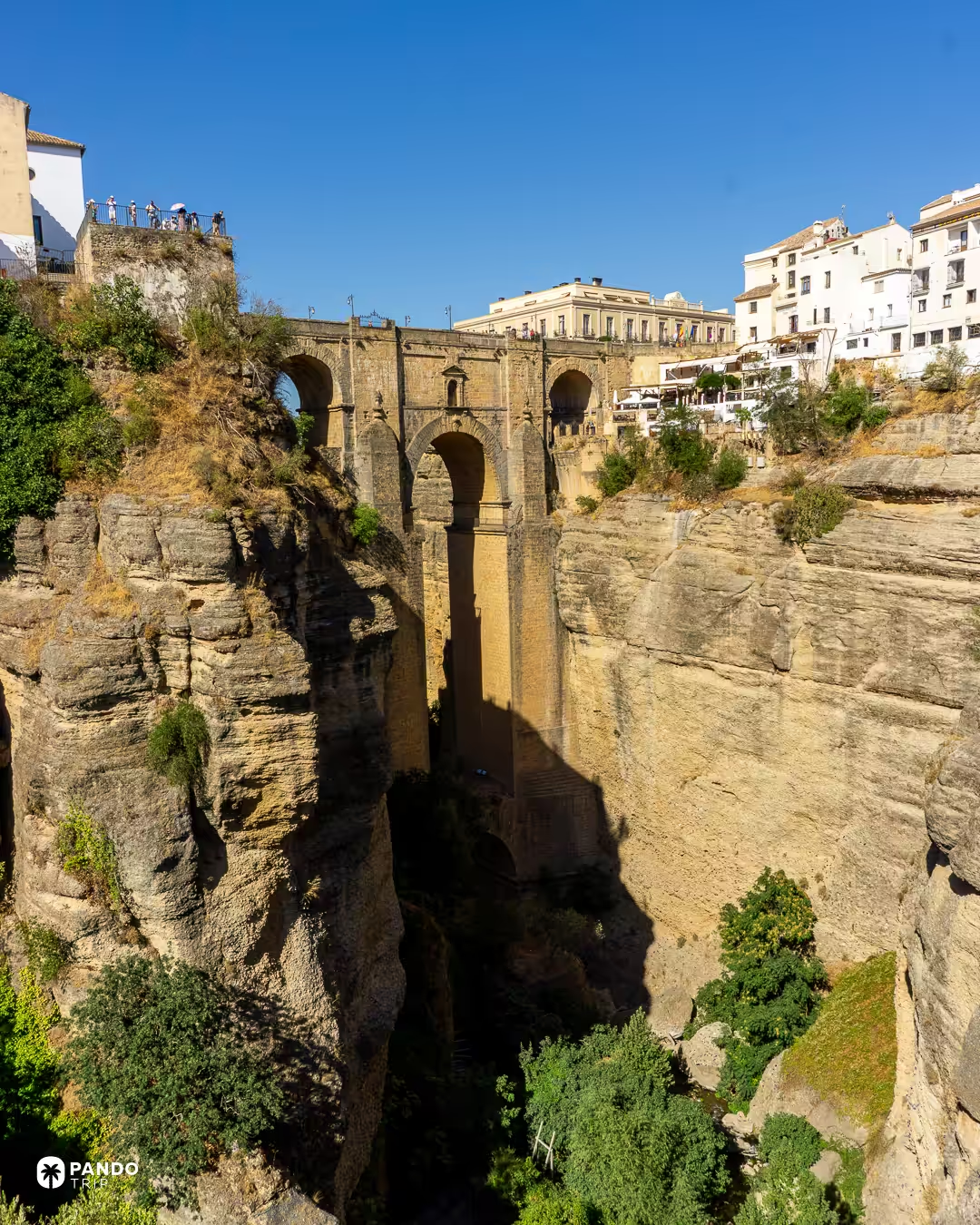
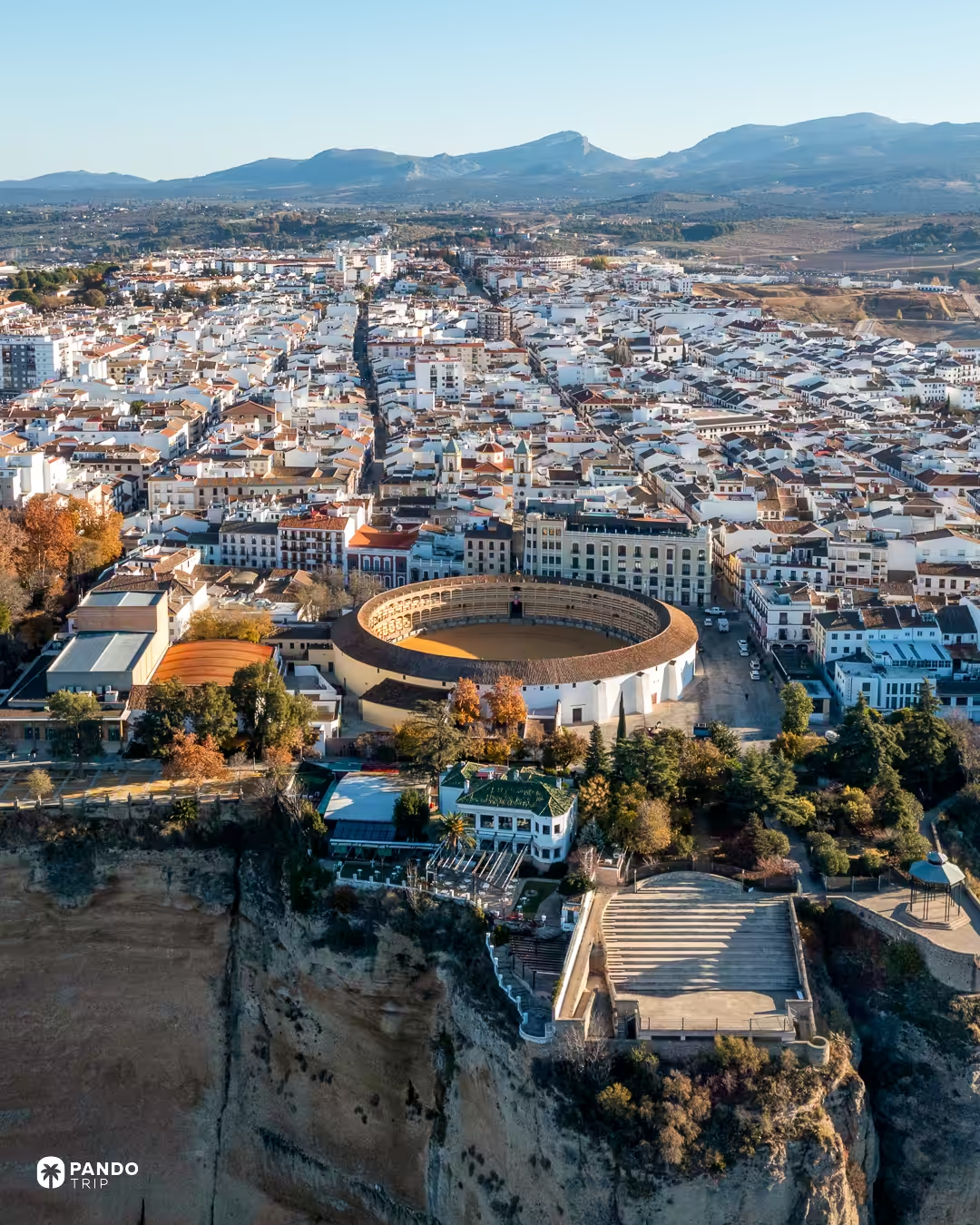
The first attempt at a high bridge began in 1735 – a single bold arch. In 1741 it collapsed, and about 50 people died. The second attempt was a great deal more cautious. Work began in 1759 and finished in 1793, and the bridge was completed by the architect José Martín de Aldehuela, who also designed the town’s bullring, one of the oldest in Spain. Instead of one daring span, the Puente Nuevo stands on massive piers rising about 98 metres from the riverbed, with a deliberately modest central arch. It looks less like an elegant solution than a decision never to let that happen again – which is roughly what it was.
Above that central arch is a room. Over the years it has served, among other things, as a prison, and it is now a small interpretation centre entered from Plaza de España. The exhibition is modest. You go for the windows.
One Ronda by day, another by night
Ronda is about 100 kilometres from Málaga and an hour from Marbella, which makes it one of the easiest day trips from the Costa del Sol. Coaches leave the coast at seven or eight in the morning, and a typical tour gives its passengers two hours with a guide and two hours on their own. The town council counted around two million visitors in 2025, and it has turned the problem into a slogan: “una Ronda de día y una Ronda distinta de noche” – one Ronda by day, and a different Ronda at night. It wants people to stay longer. Most don’t.
The morning half of that slogan I can vouch for. I got there early on a September day, and until about eleven it was a quiet town where you could take your time over photographs, stand on the bridge without negotiating for space and walk the old streets at no particular pace. By midday the groups had arrived and the town had filled up.
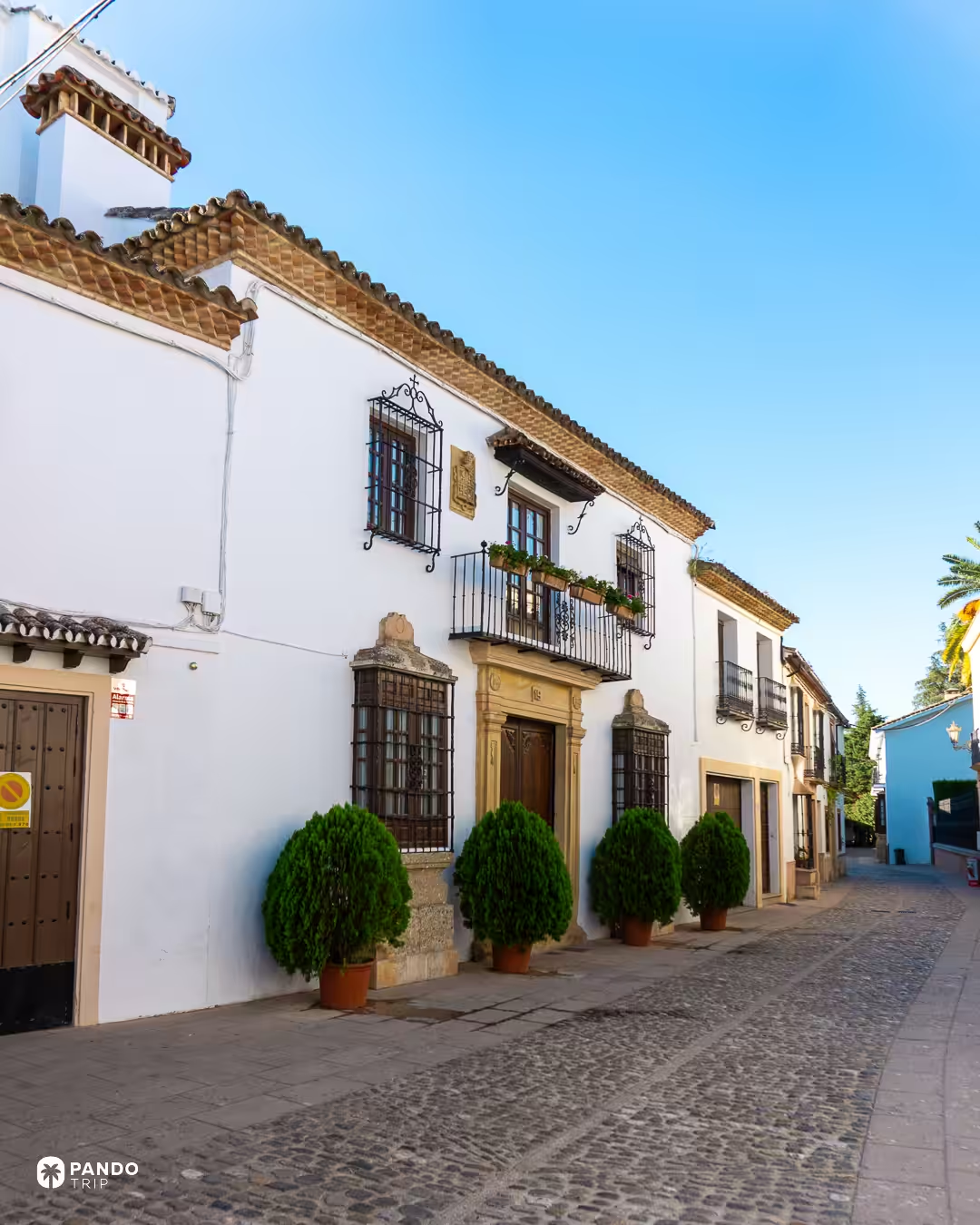
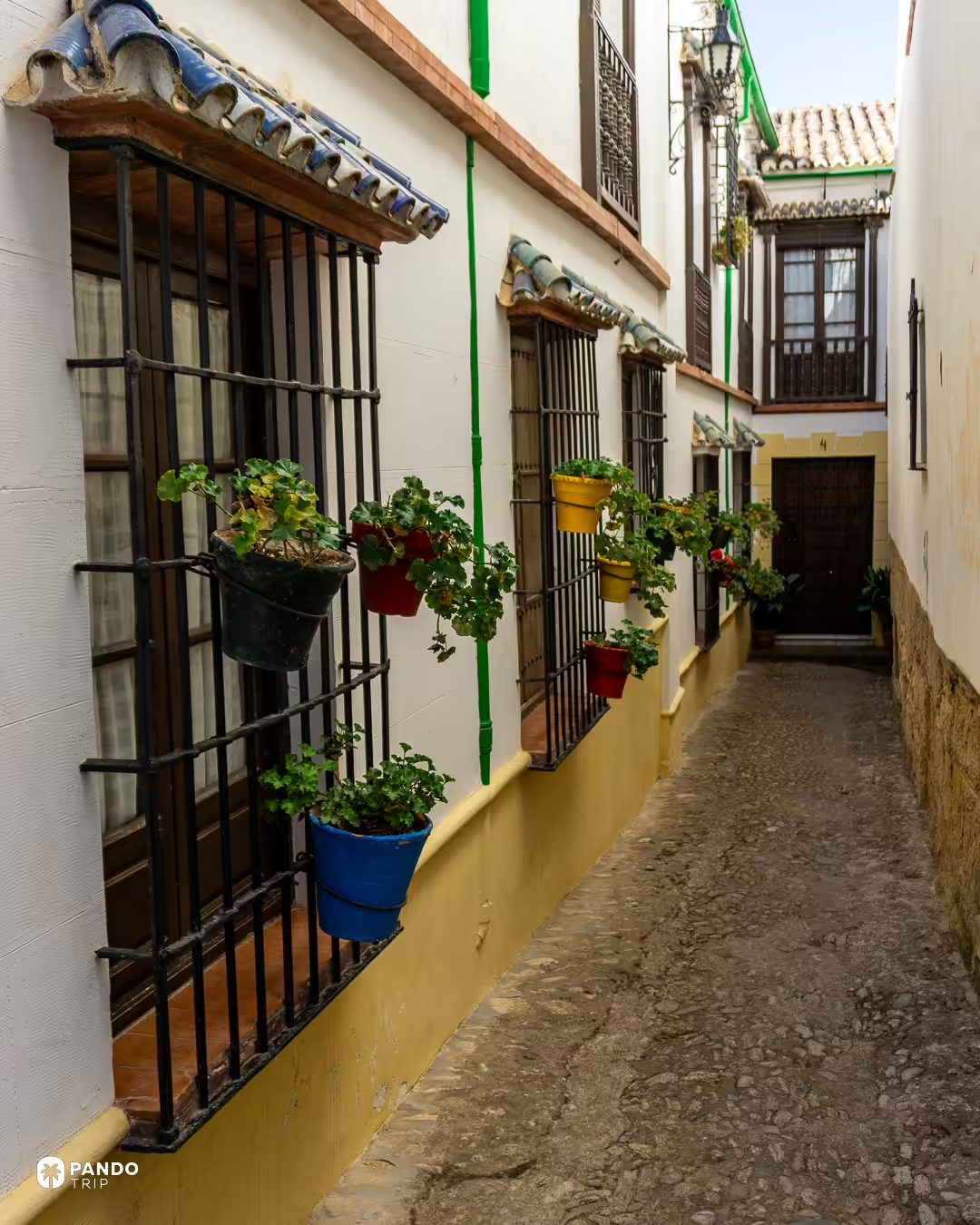
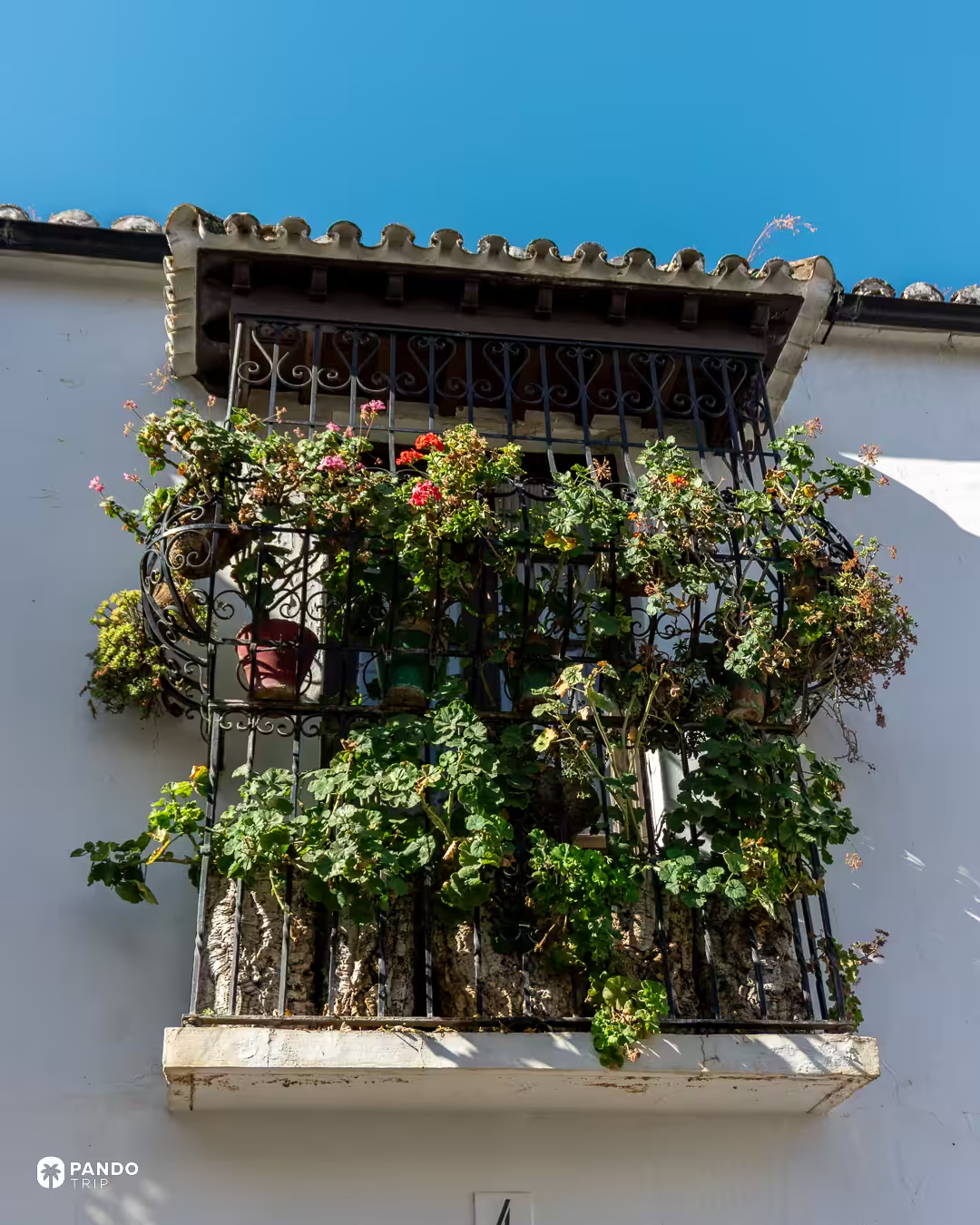
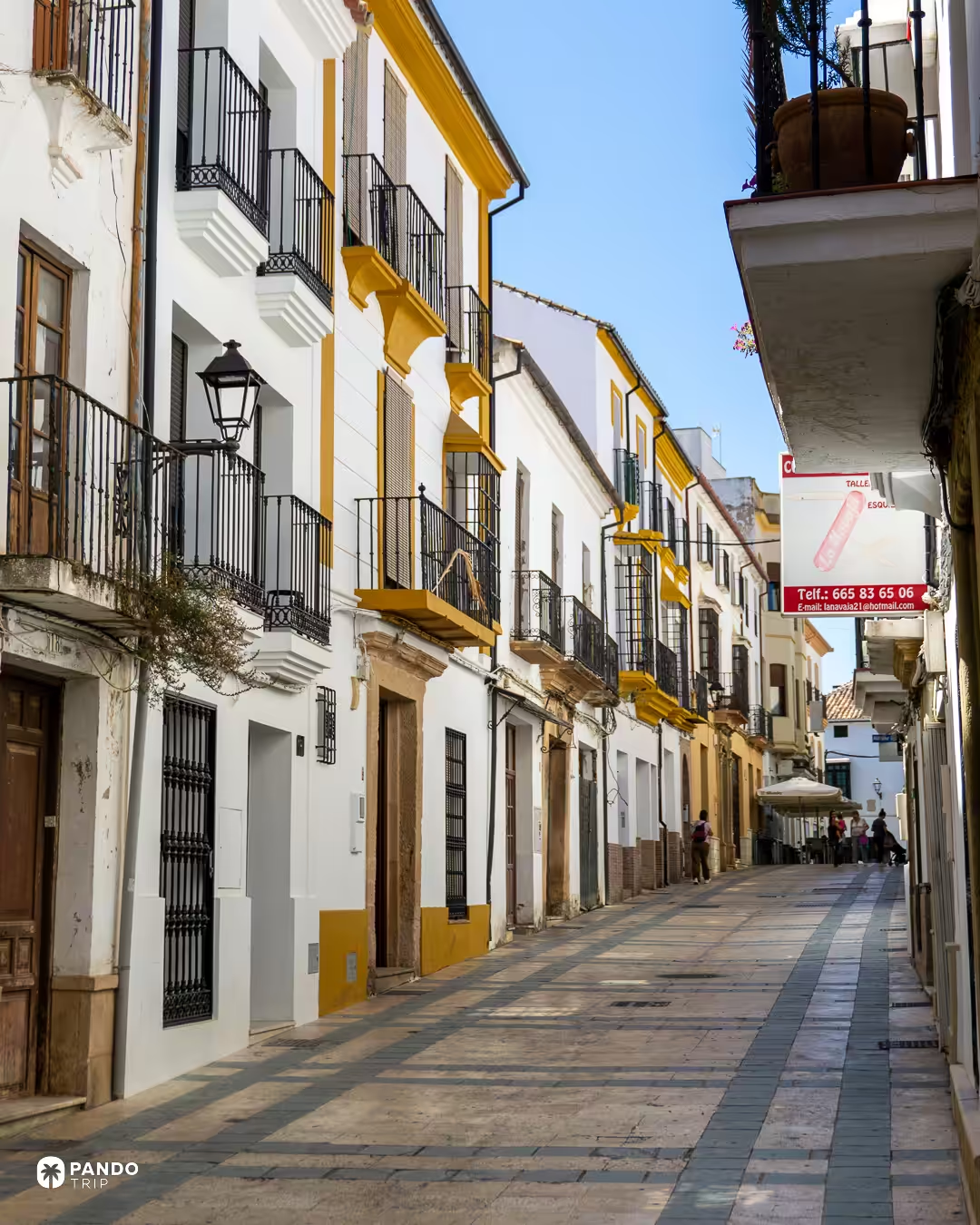
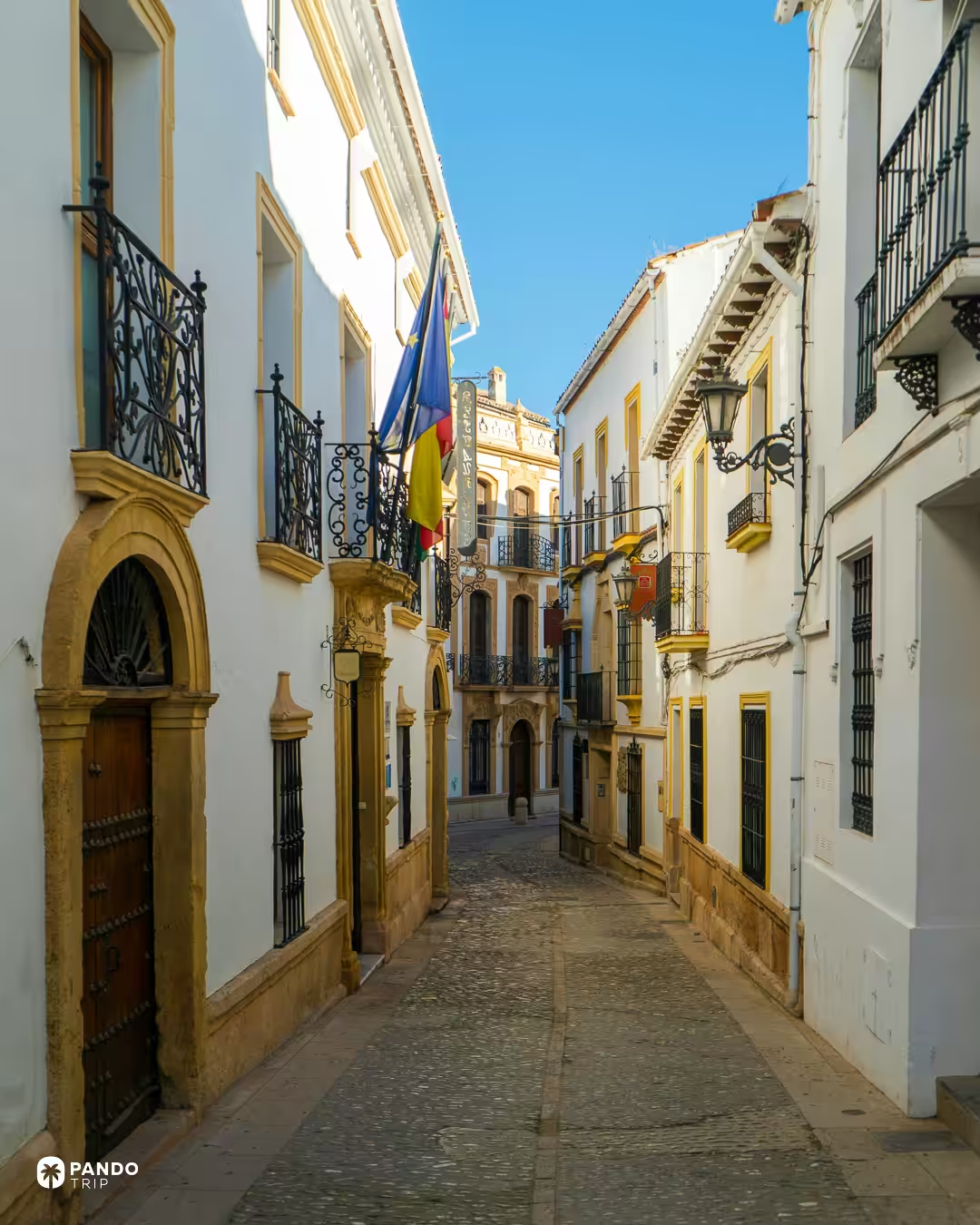
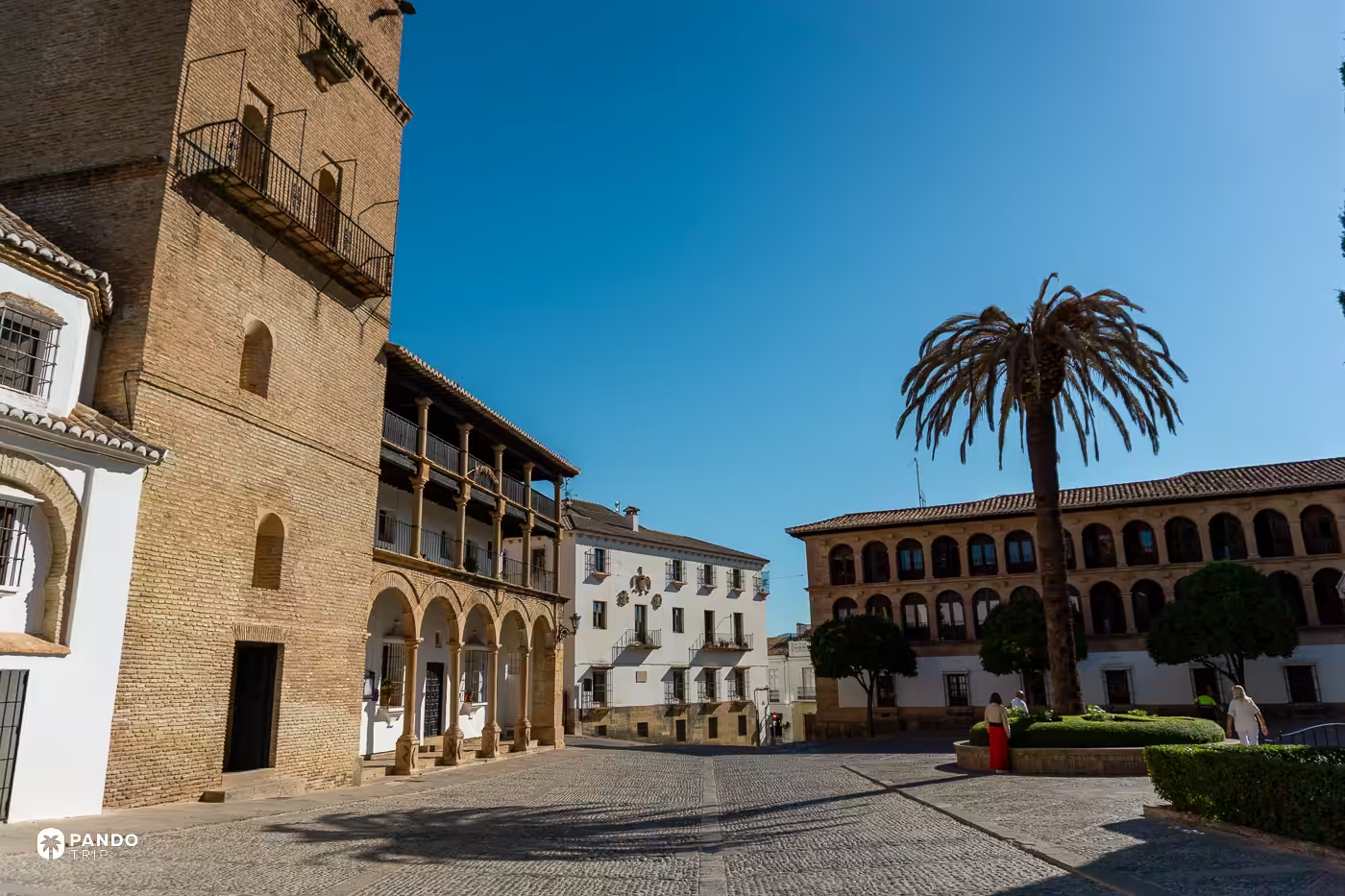
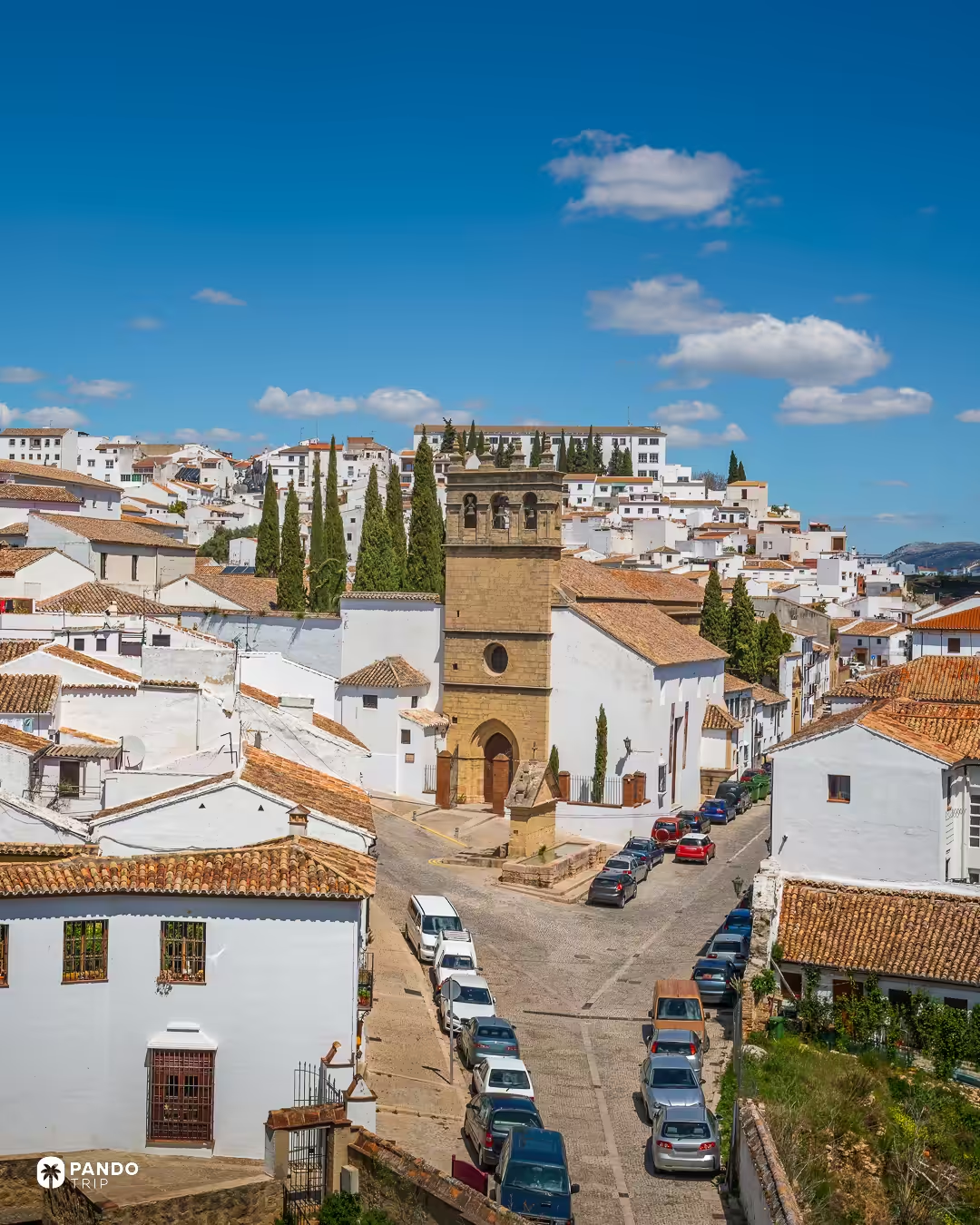
Most coaches have gone by evening, and an overnight stay gives you both quiet ends of the day instead of the busy middle. Use them for La Ciudad as much as for the bridge: whitewashed lanes, iron window grilles crowded with geraniums, a palm-shaded square by the church of Santa María la Mayor. The coaches come for the bridge. The town around it is easier to enjoy when you aren’t sharing it with a timetable.
Where to sleep on the edge
If the point of Ronda is the cliff, it seems a waste not to sleep on it.
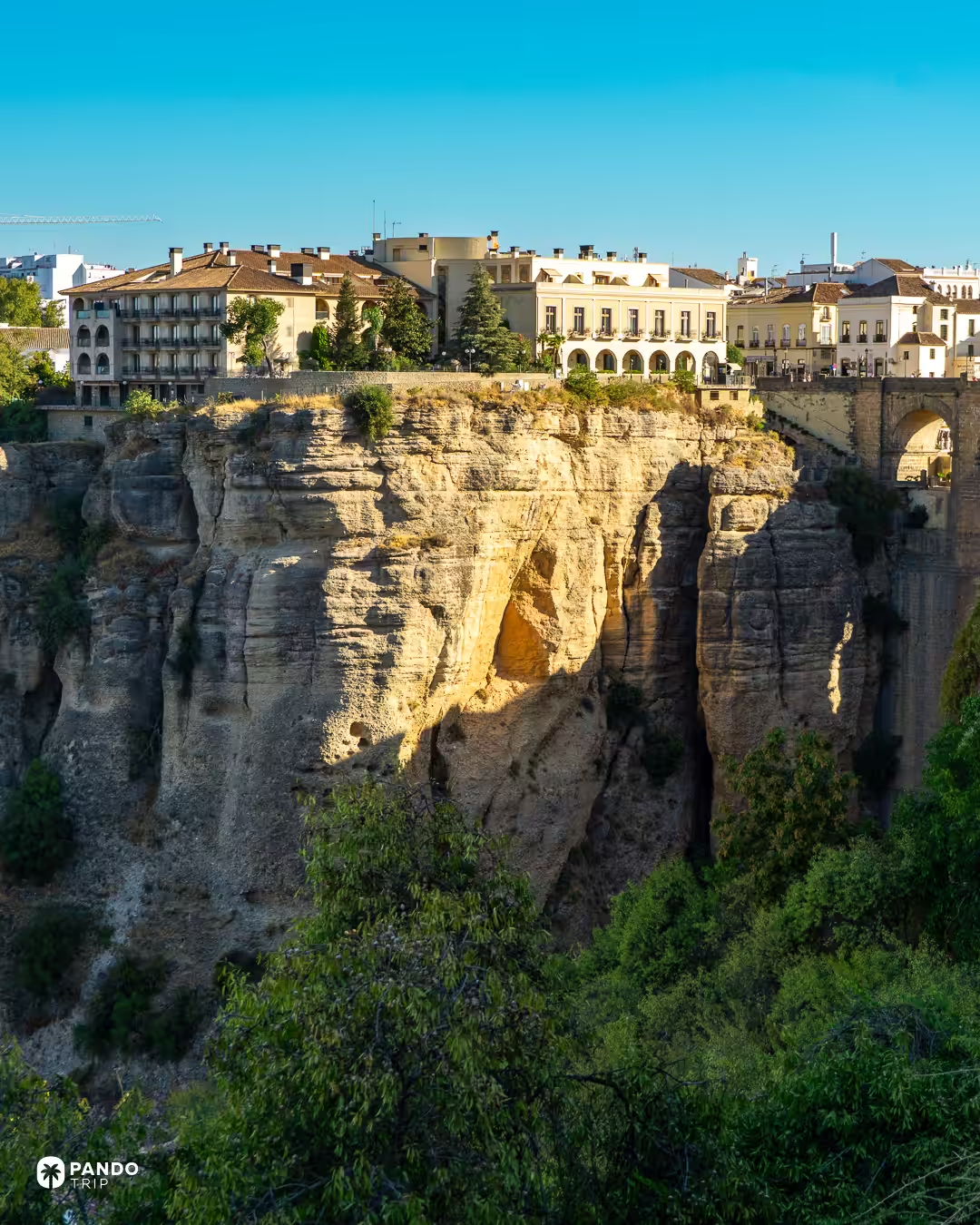
Parador de Ronda – in the old town hall on Plaza de España, on the very lip of the gorge beside the bridge. Many rooms and the terrace look straight into the Tajo or across the valley; few beds in Ronda are closer to the Puente Nuevo.
Hotel Don Miguel – on the edge of the gorge right next to the bridge, with a restaurant terrace overlooking the drop. The simpler option; ask for a room with a gorge view, because not all of them have one.
Hotel Montelirio – a converted 17th-century palace in La Ciudad, set on the edge of the gorge with views of the Puente Nuevo from its terraces.
Catalonia Reina Victoria – built in 1906 on the western cliff, above the valley rather than the gorge. Rainer Maria Rilke spent the winter of 1912–13 here, and his room is kept as a small exhibit.
Getting there, and if you can’t stay
From Málaga it is about an hour and a half to an hour and three quarters by car, and roughly two hours by Damas or Avanza bus. From Marbella the A-397 climbs through the mountains in about an hour, and Avanza buses run the route too. From Seville it is around two hours by car or Damas bus. Ronda has a railway station, but at the time of writing its line is affected by long-running works, so check Renfe before relying on a train. If you’re planning a wider trip in the south, our guide to the best holiday destinations in Spain covers the Costa del Sol below.
If a night isn’t possible, a guided day trip is still a perfectly good way to see Ronda – just expect company.
- From Málaga: Ronda and Setenil de las Bodegas
- From Seville: White Villages and Ronda
- From Marbella and Estepona: Ronda and Setenil de las Bodegas
Where to stand for the photographs
None of these needs special effort, and most are free.
- Mirador de Aldehuela – beside the bridge on the old-town side, looking straight down into the gorge. Best in the morning, before the groups.
- The path down to the Arco del Cristo – from Plaza de María Auxiliadora a paved path drops below the town to an old gateway where the whole bridge and its waterfall come into view from beneath. It is free, and it is the view most people picture when they think of Ronda. It is as far down as I went; the walk to the gorge floor needs more time than a day trip usually allows.
- Camino del Desfiladero del Tajo – the new way to the bottom: a path that zigzags down to the foot of the bridge, then a walkway that in places runs just three metres above the river. It is one-way, about a kilometre long, costs €12 and is best booked ahead; children under eight are not allowed. Allow well over an hour with the walk back up.
- Jardines de Cuenca and Puente Viejo – upstream, on the narrower part of the gorge, for a quieter angle on the Puente Nuevo.
- Paseo de Blas Infante – balconies on the western cliff, facing the valley and the mountains rather than the bridge. This is the sunset side.
Ronda already appears on our list of places that feel like the edge of the world. Stand on any of these at eight in the morning and you will see why.