
Two stone towers, a crescent of sand and a steep path down — a wild cove on Portugal’s Sintra coast.
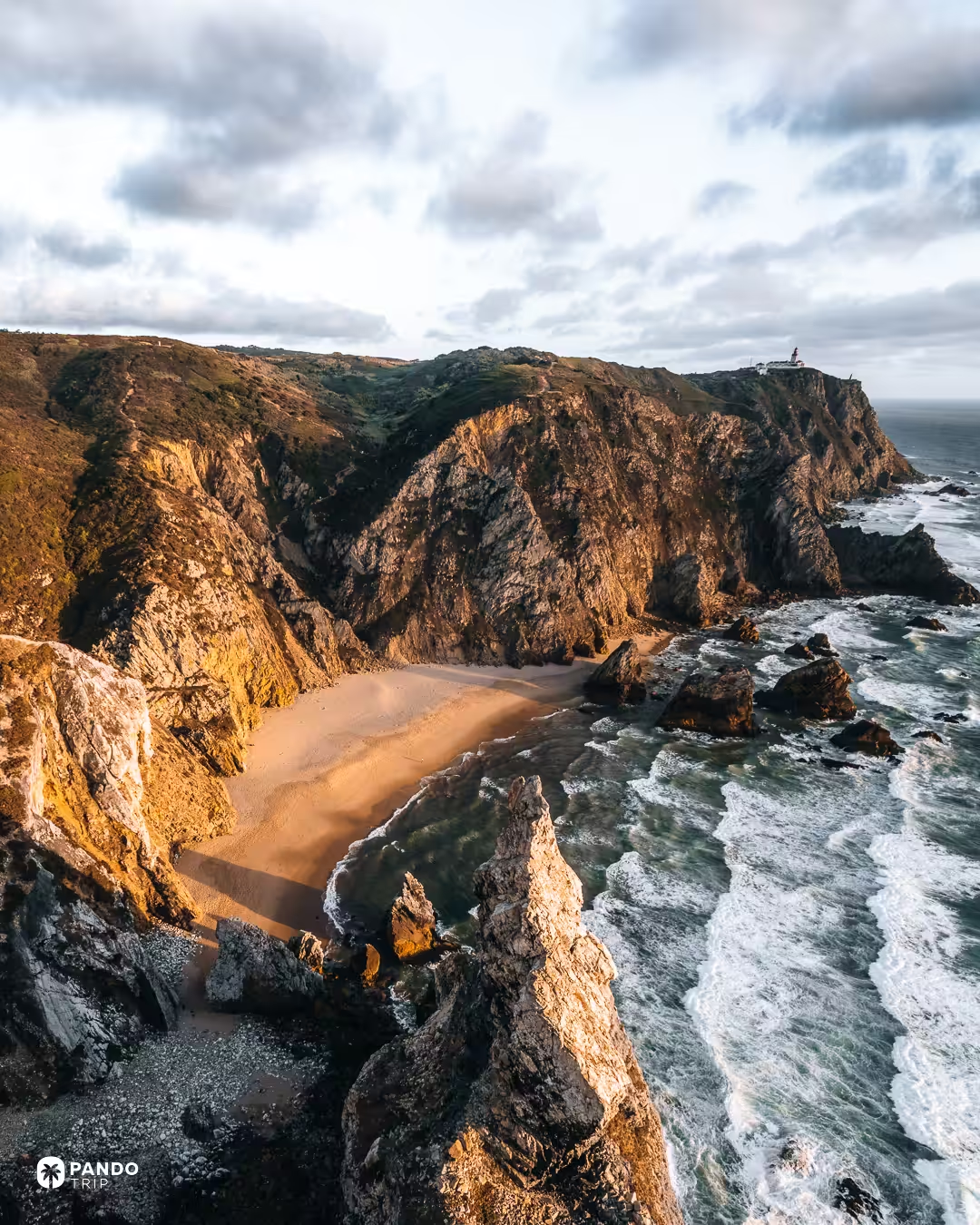
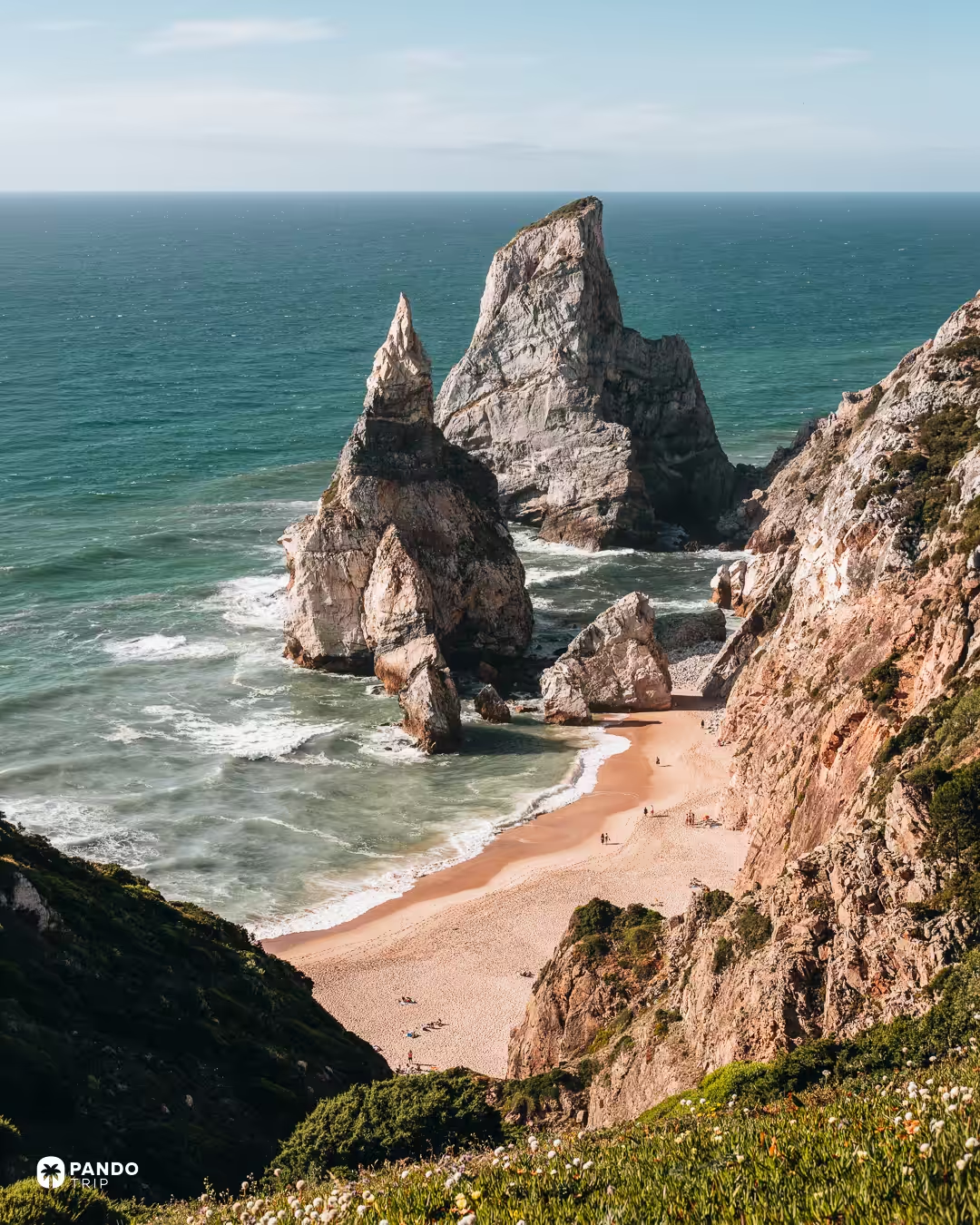
The first look comes from above. A dirt track leaves the road to Cabo da Roca, runs out across a scrubby clifftop and stops at the edge, and there below is Praia da Ursa: a short curve of sand pressed between cliffs, and rising out of the surf at its northern end, two great spikes of pale rock. Behind you are the green hills of the Sintra hinterland; in front, the open Atlantic.
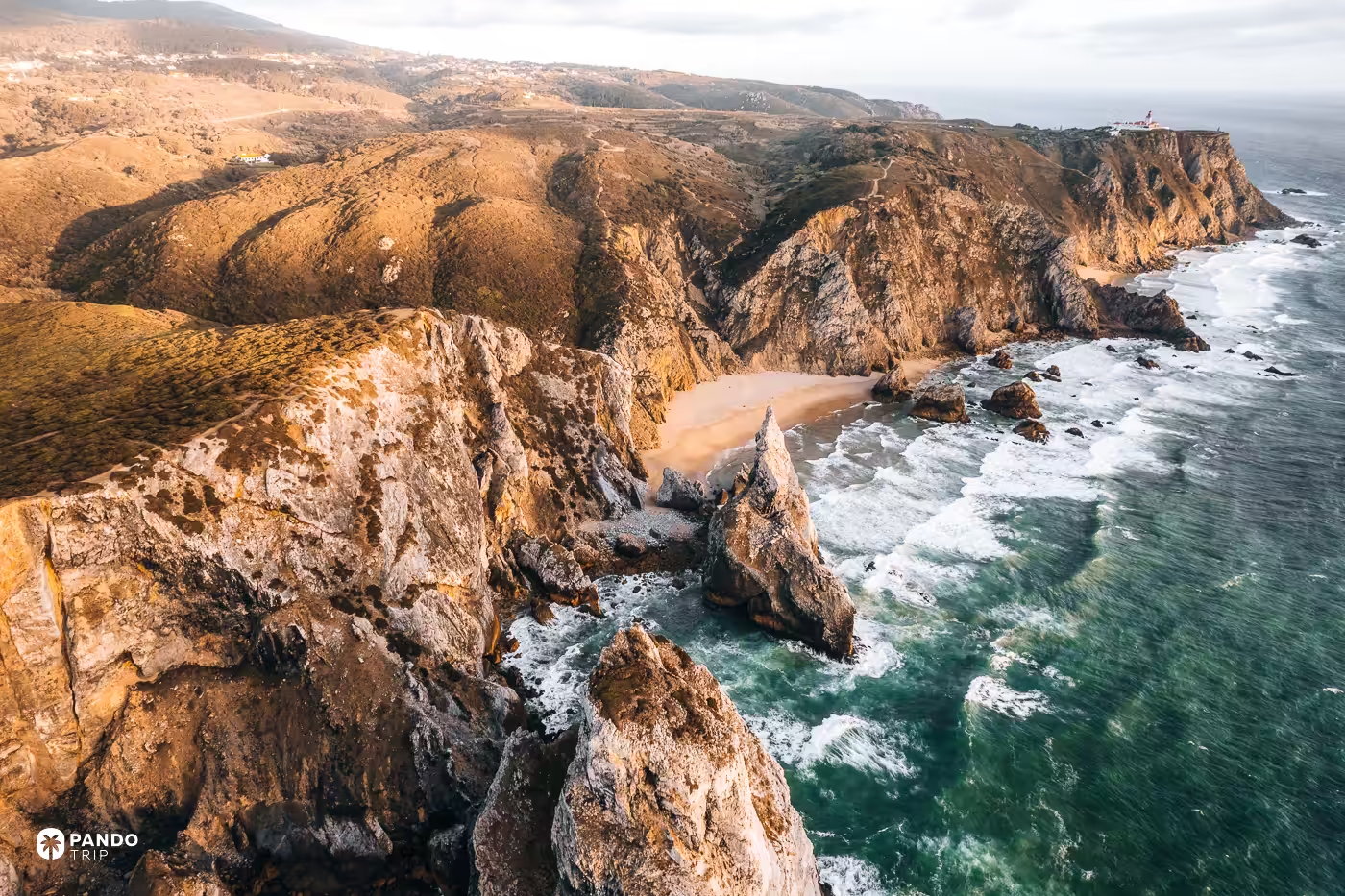
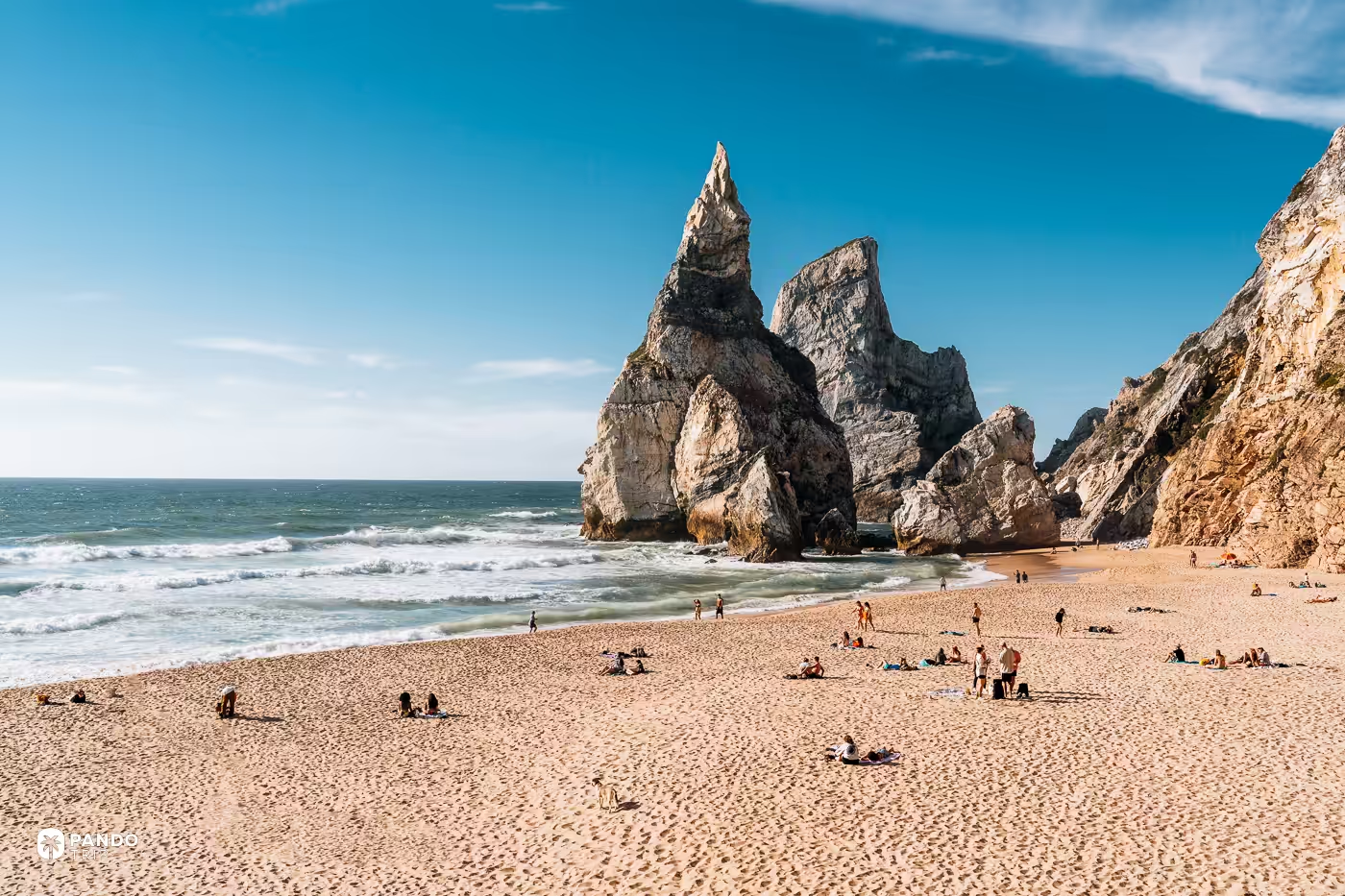
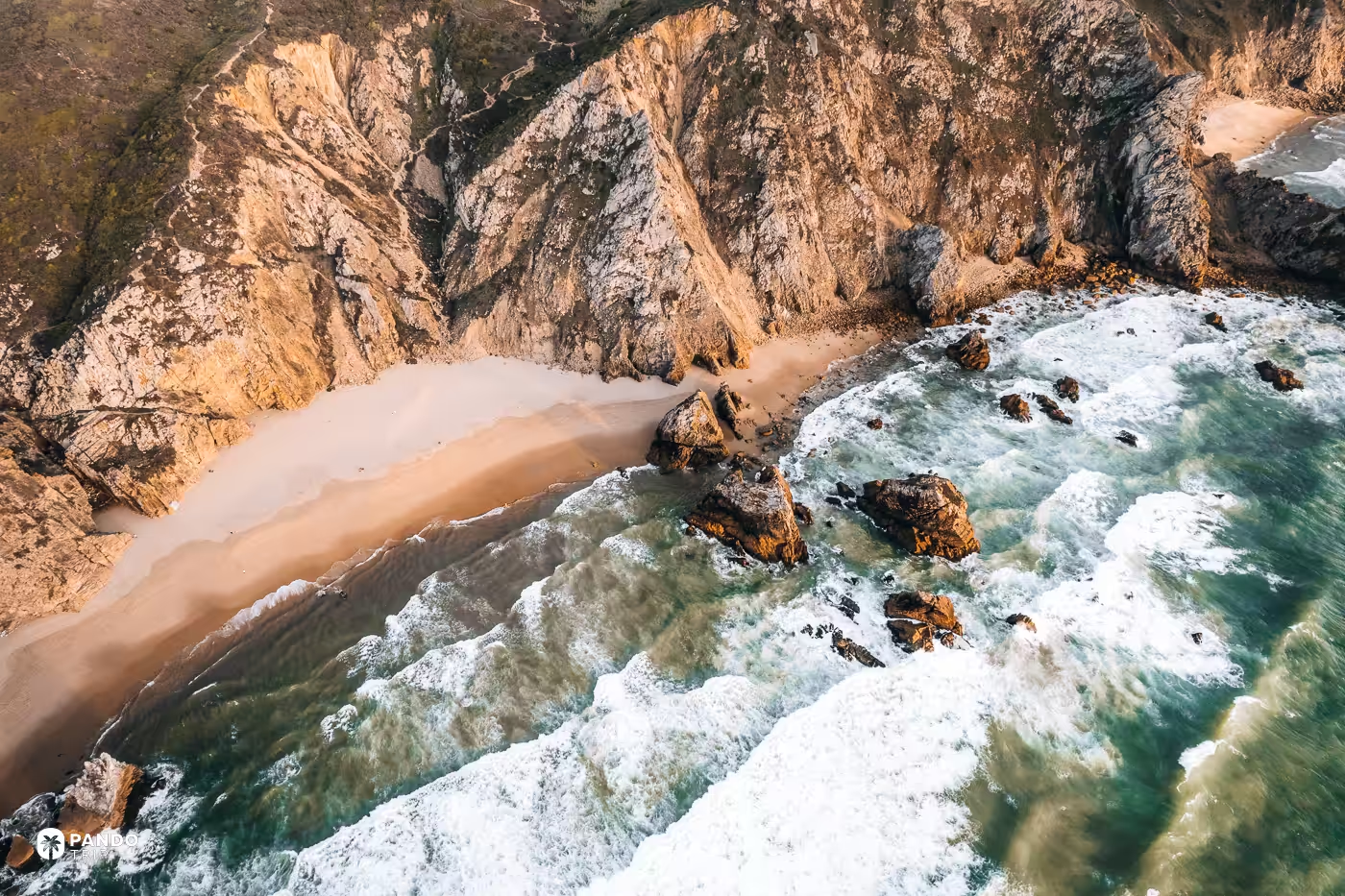
If we had to pick one beach in Europe for its looks alone, it would be this one. Not for the sand, which is lovely but ordinary, but for the stone. A ragged needle stands in front of a heavier, broad-shouldered tower, both of them grey limestone, set in a cove of warmer granite that turns rust and orange as the sun drops. The surf breaks white around a scatter of boulders, and the water between them runs from bottle green to turquoise. The catch is a steep walk down and nothing at the bottom but sand, rock and sea. For some people that is exactly the point.
A bear, a giant and a missing head
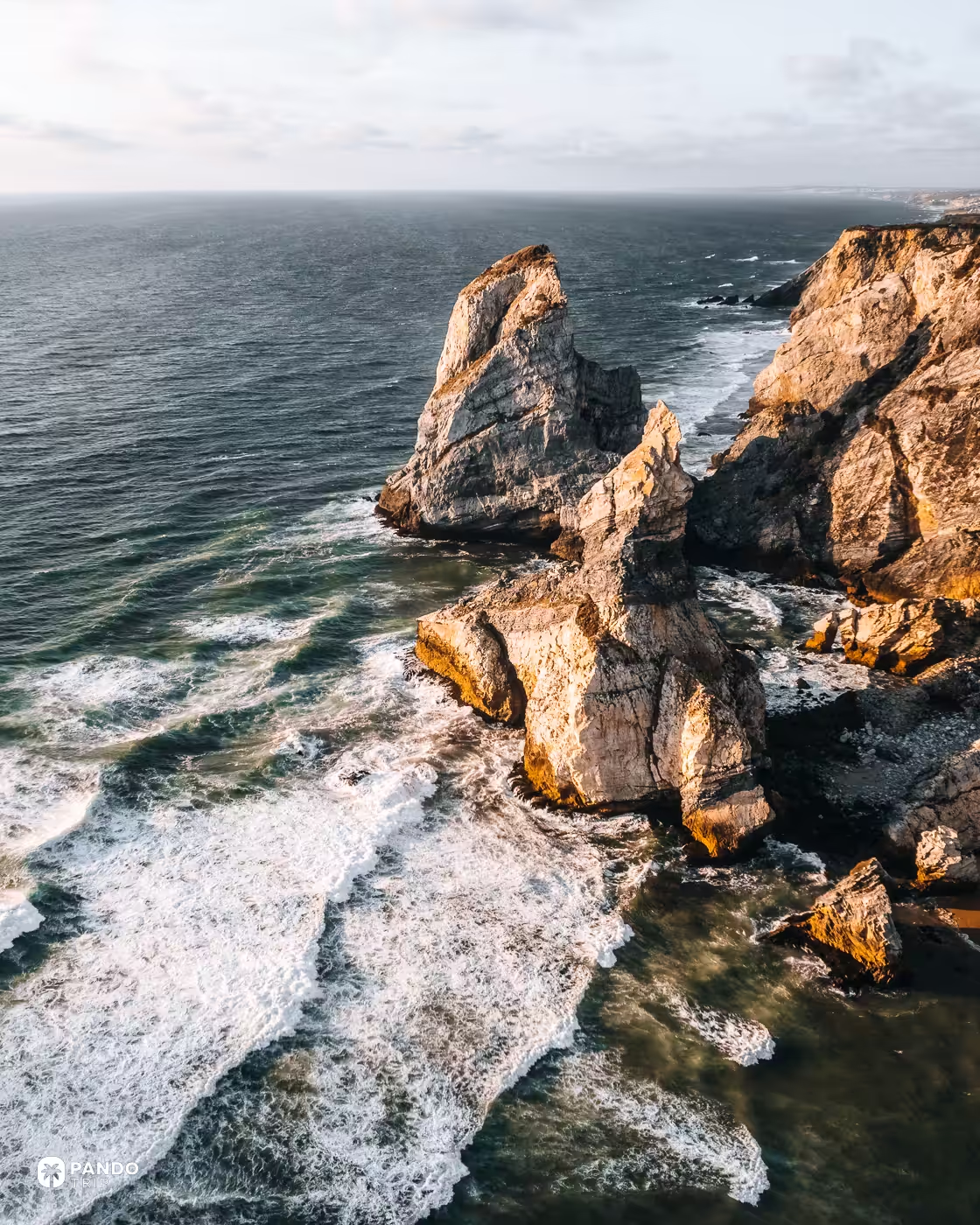
The beach takes its name from the Pedra da Ursa, the She-Bear Rock. It is usually identified as the slimmer, sharper of the two stacks; the bigger one behind it is the Gigante, the Giant. Before 2011, people described the Ursa as a bear rearing up out of the water, or gazing at the sky — though the likeness always needed a generous eye and the right angle. Then, in April 2011, the top of the rock broke away. The bear lost its head. What stands today is a jagged spire you’d struggle to see an animal in, and the name has become a kind of memory.
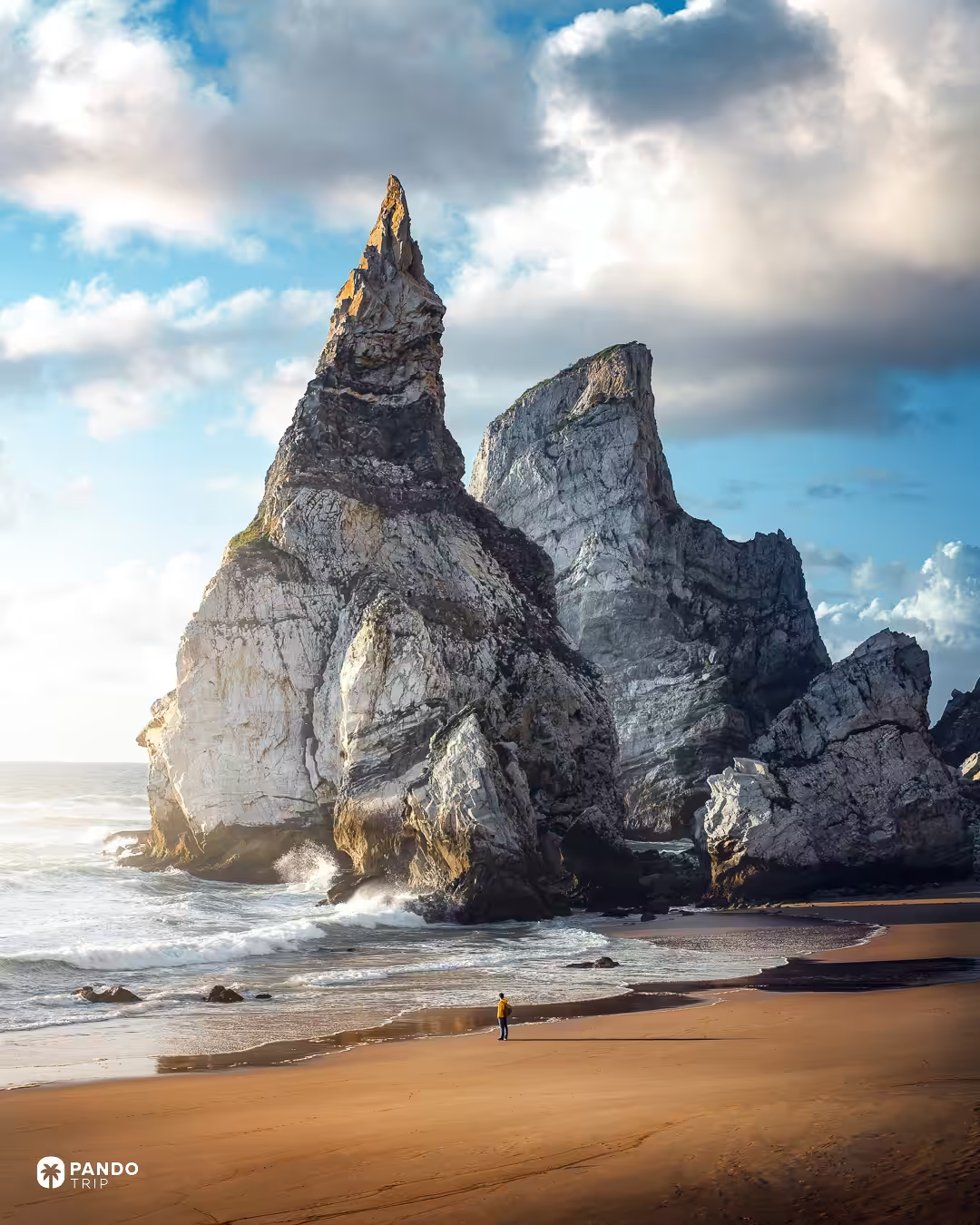
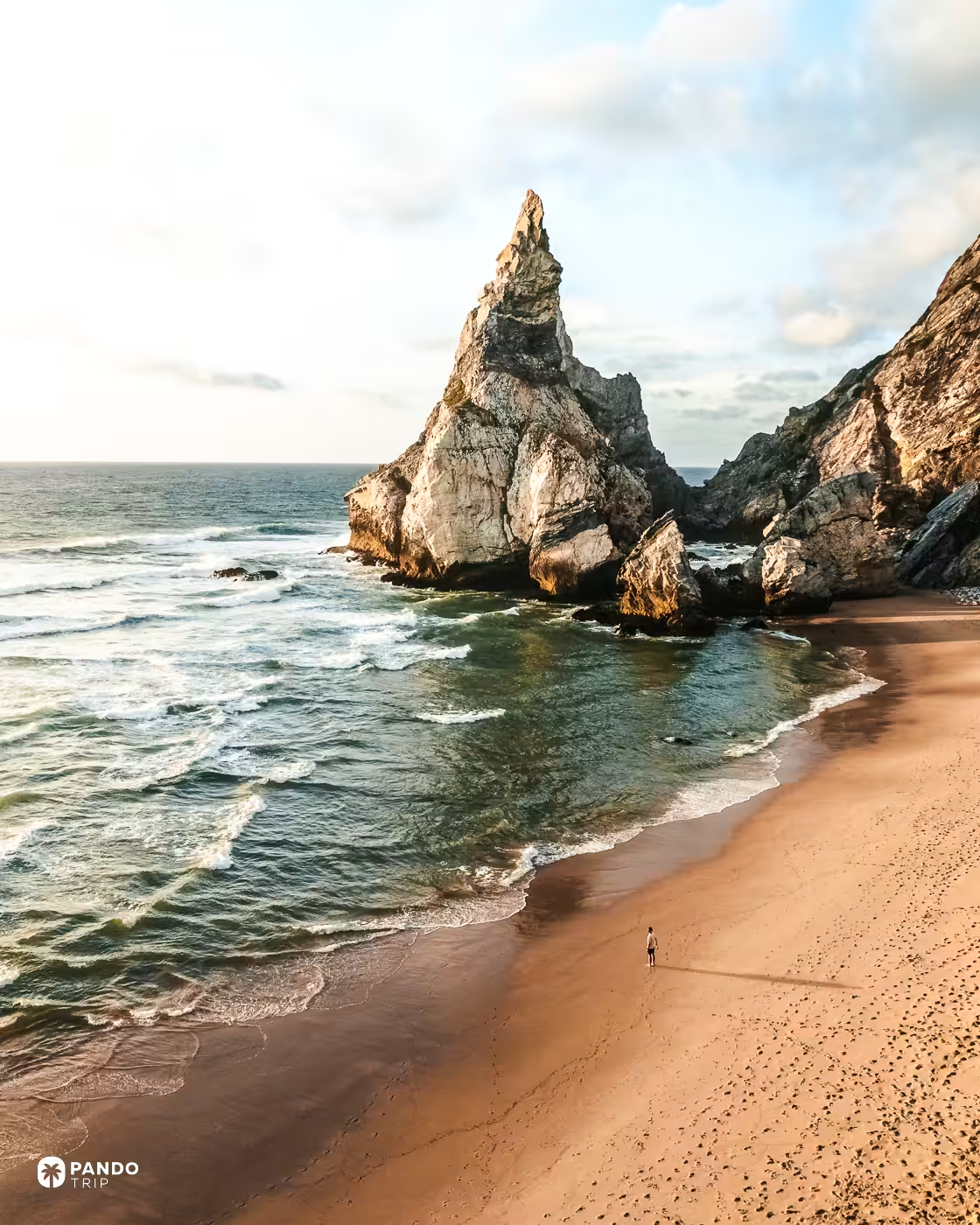
The local legend goes back much further. During the Ice Age, the story runs, a she-bear lived on this shore with her cubs. When the ice melted and the gods ordered every animal away from the coast, she refused to leave the place where she was born, so they turned her to stone, and her cubs into the smaller rocks scattered in the surf. The tale has no known early source, but at low tide, with those boulders strewn around the big stacks, it is easy to see why it stuck.
The stacks were admired long before anyone posted them online. Sintra’s municipal archive keeps an old picture postcard titled Praia da Ursa (Almoçageme-Sintra) – Pedras da Ursa e Alvidar, part of a collection dating from before 1930.
Made for the last hour of light
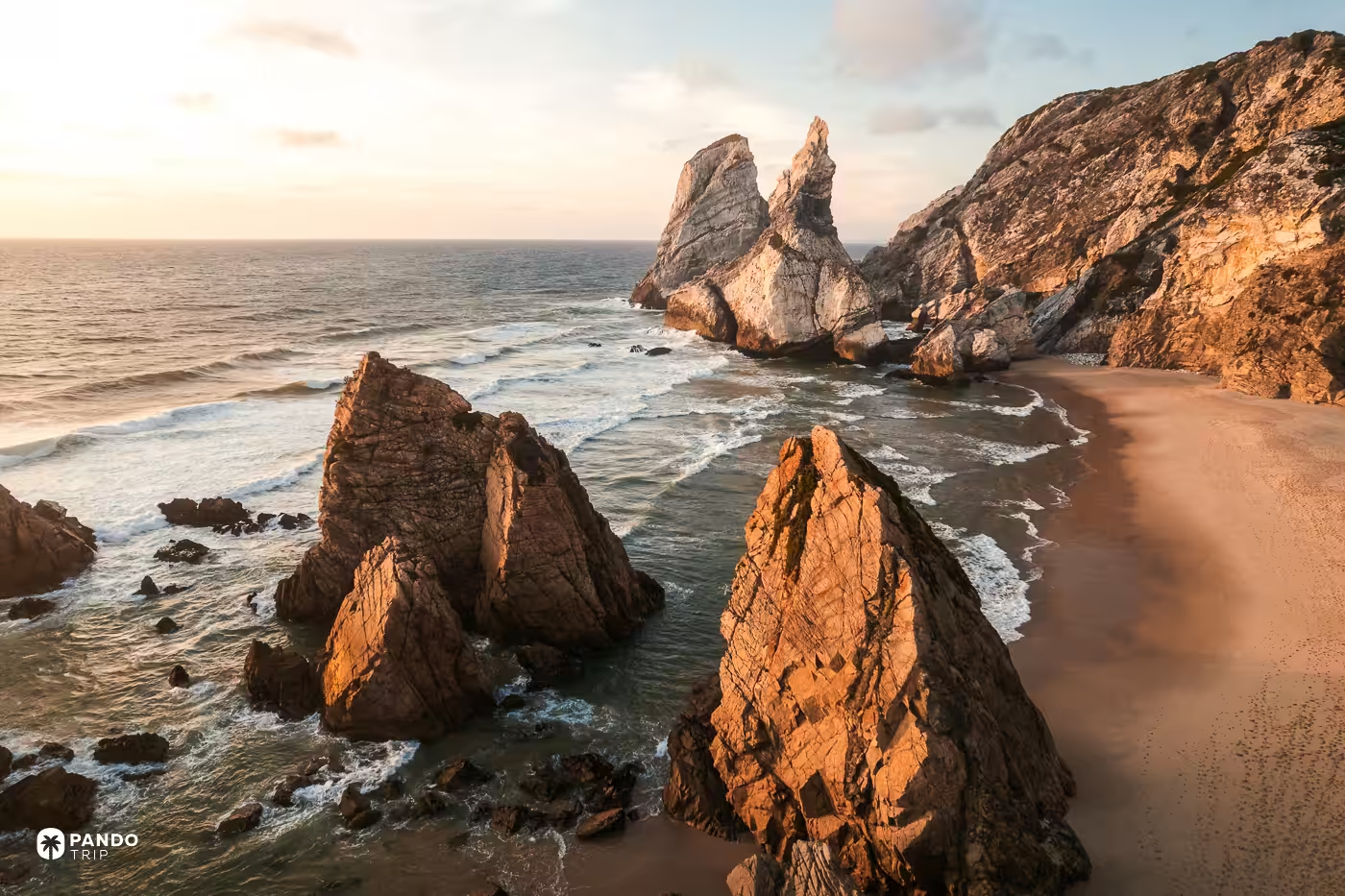
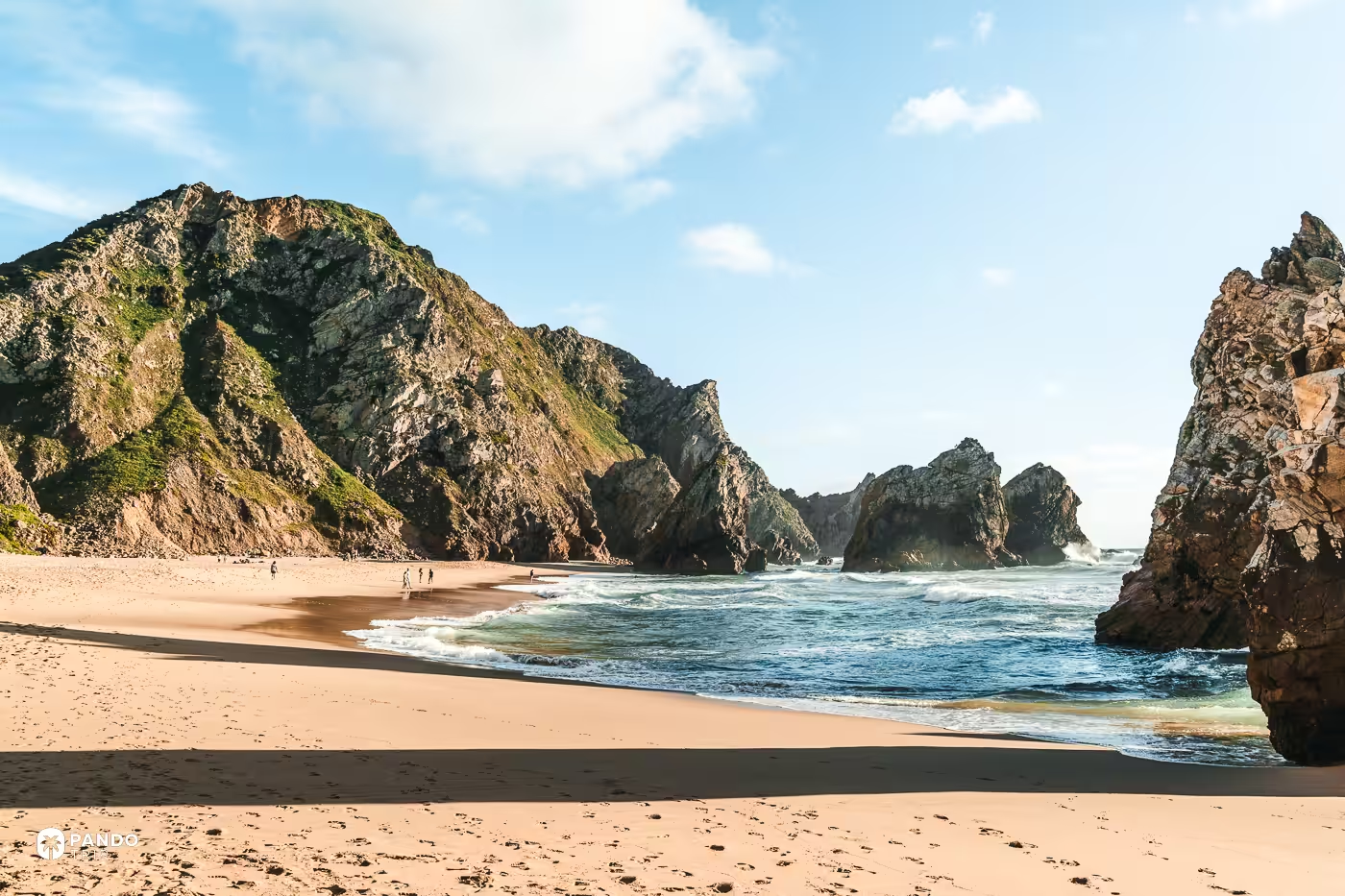
The two kinds of rock are what make the cove so photogenic. Praia da Ursa sits where the granite of the Sintra hills meets much older limestone, so the towers read pale and cool while the cliffs around them are warm and rough. In places along the beach the rock changes again, into a jumble of dark, layered boulders.
The beach faces west, and the sun sets over the sea. In the last hour the low light catches the stacks and warms their grey stone to the colour of the granite. The sand drops into the cliffs’ shadow first, while the tips of the towers and the headland beyond still hold the sun. From above, the boulders throw long shadows across the beach, and the surf draws pale lines around every one of them.
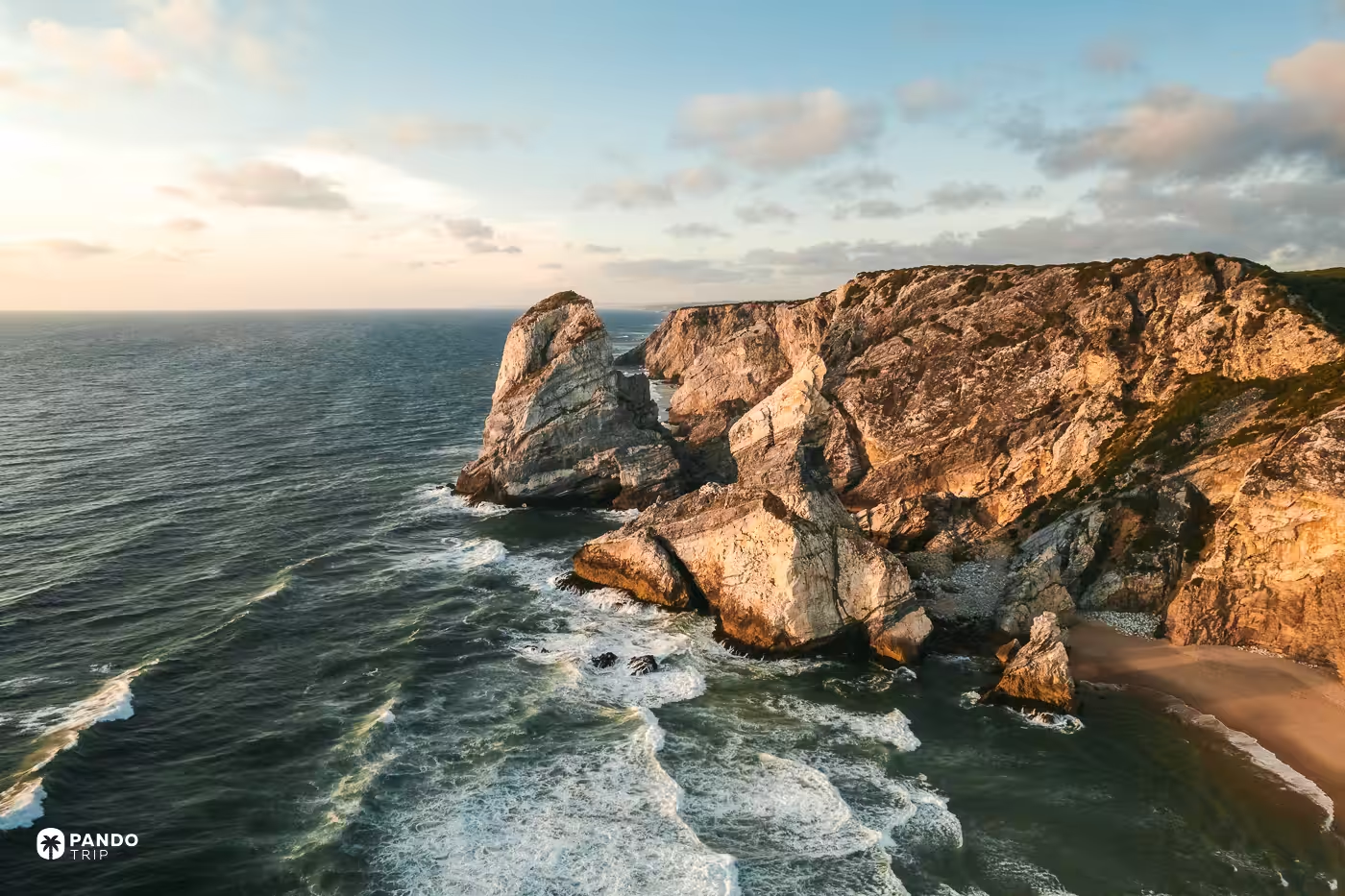
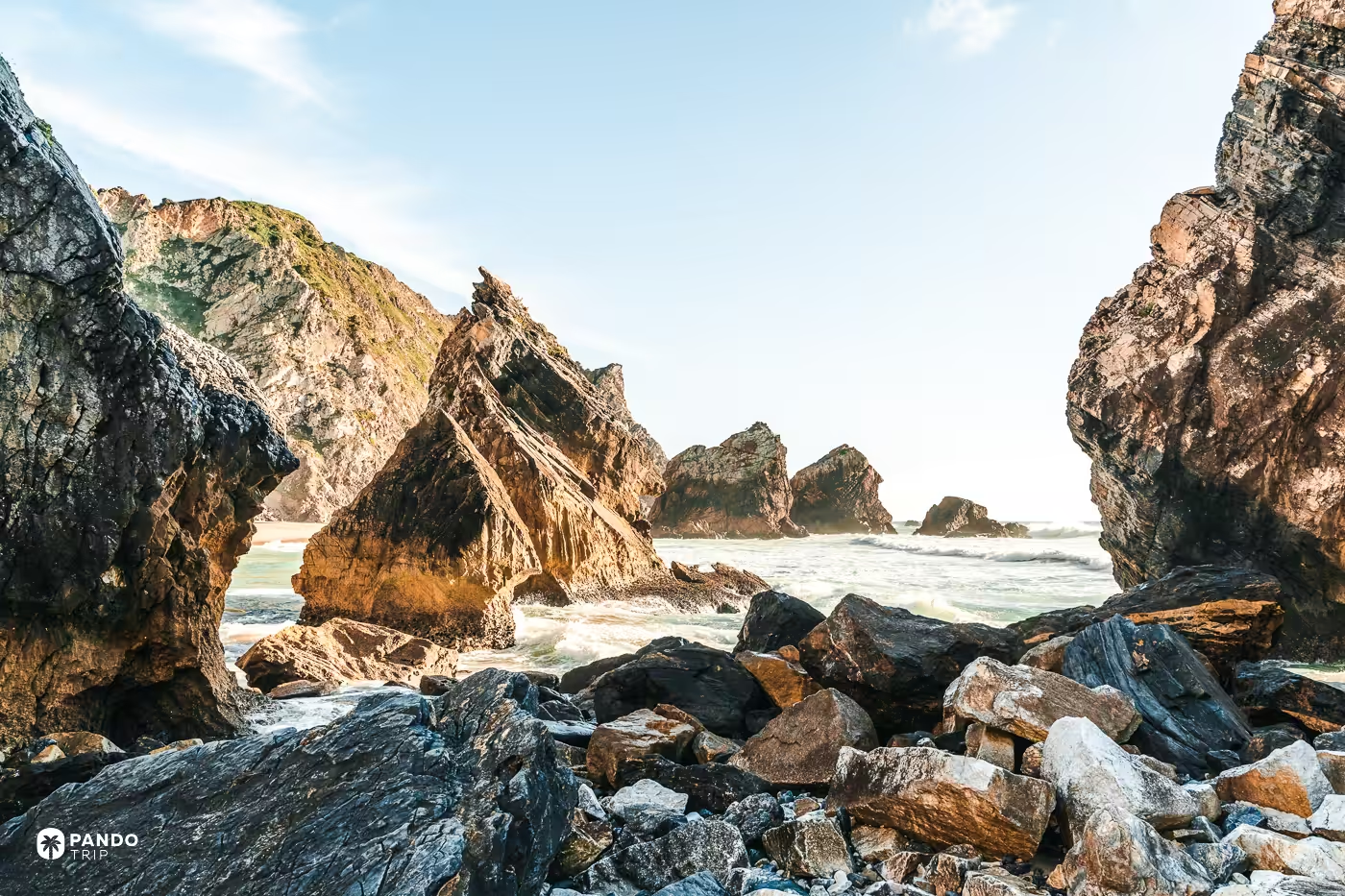
Worth knowing what you will see, and from where. The clifftop path already gives you the whole cove, both stacks and the people on the sand, and, looking back south, the Cabo da Roca lighthouse on its headland. Down on the beach you get the stacks head-on, which is where the spire looks tallest. The views straight down, or back at the cliffs from over the water, are drone pictures. No path will give you those.
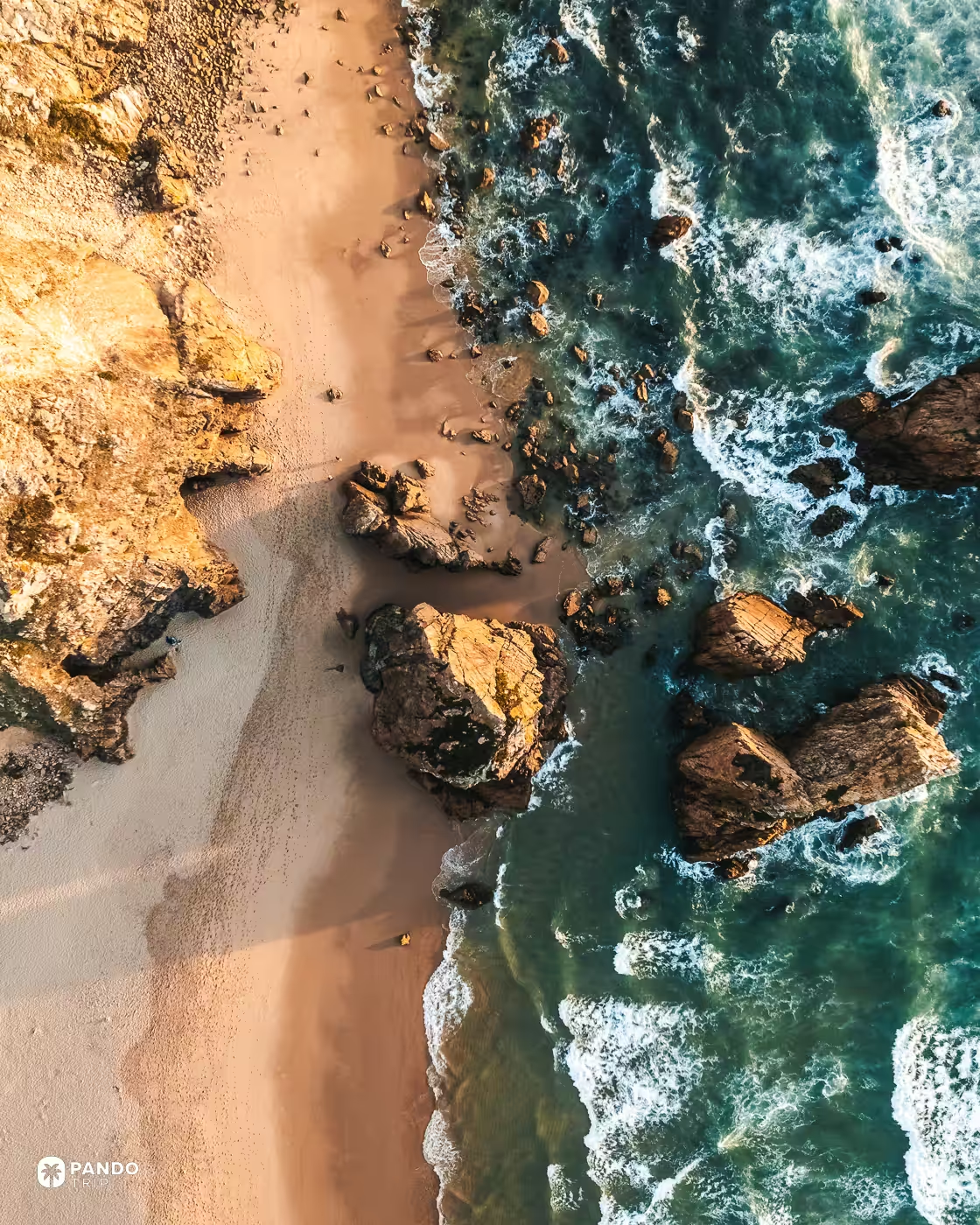
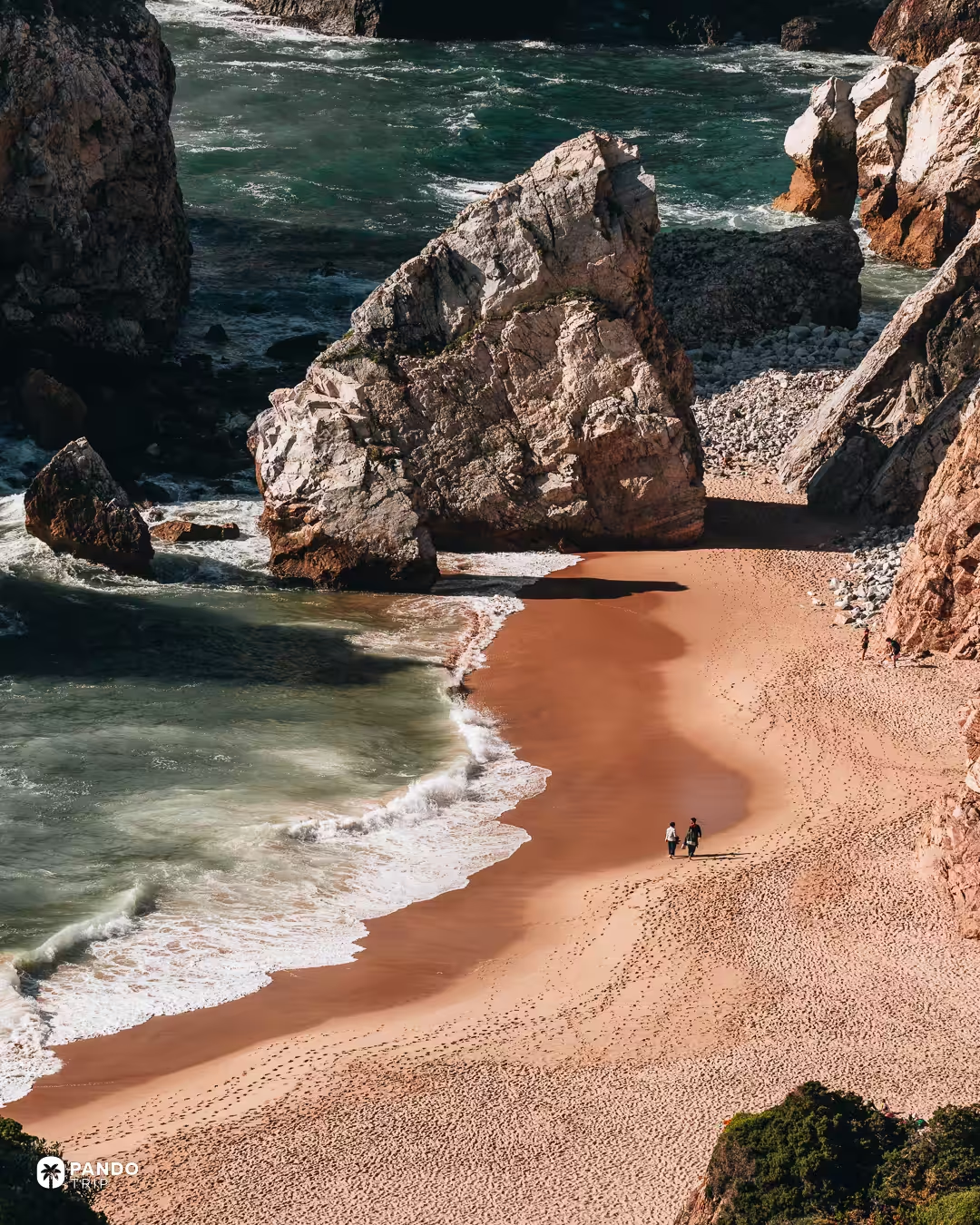
Why it isn’t for everyone
The walk is the main filter. The first part is an easy track across the clifftop; the last stretch zigzags steeply down the cliff on loose, stony ground, with no steps or handrails. Good shoes matter, and so does a dry day. There is nothing at the bottom except sand, rocks and sea: no café, no toilets, no shade and no drinking water. Bring what you need and carry it back up.
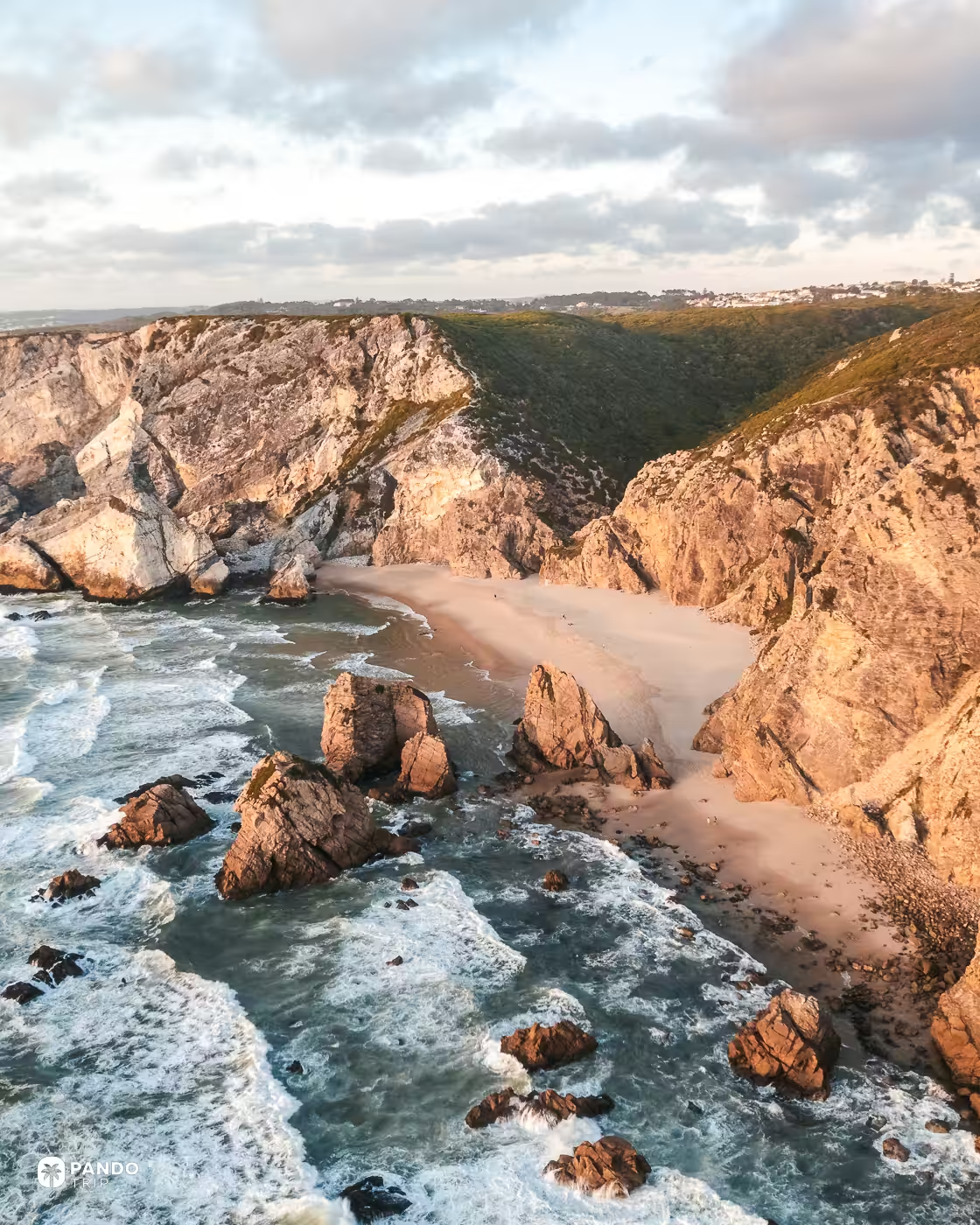
Don’t expect solitude on a sunny summer afternoon. The beach is far quieter than the busy Sintra and Cascais beaches, but its pictures have travelled, and on sunny days dozens of people make the walk. Early mornings and the months outside summer are calmer. At high tide the sea takes most of the sand, so plan around low water, which also uncovers rock pools at the southern end and gives access to the small coves either side. And Praia da Ursa has an unofficial reputation as a clothing-optional beach, so you may see a few nude sunbathers.
Can you swim at Praia da Ursa?
You can, but it isn’t the best idea. Praia da Ursa is not a designated bathing beach, there are no lifeguards, and this is the open Atlantic: the waves are powerful and the water is rarely calm. It is also cold, typically in the high teens even in August. A paddle at the water’s edge on a calm day is the better plan. For a proper swim, pick one of the lifeguarded beaches along the Sintra and Cascais coast in summer.
Getting there, when to go and where to stay
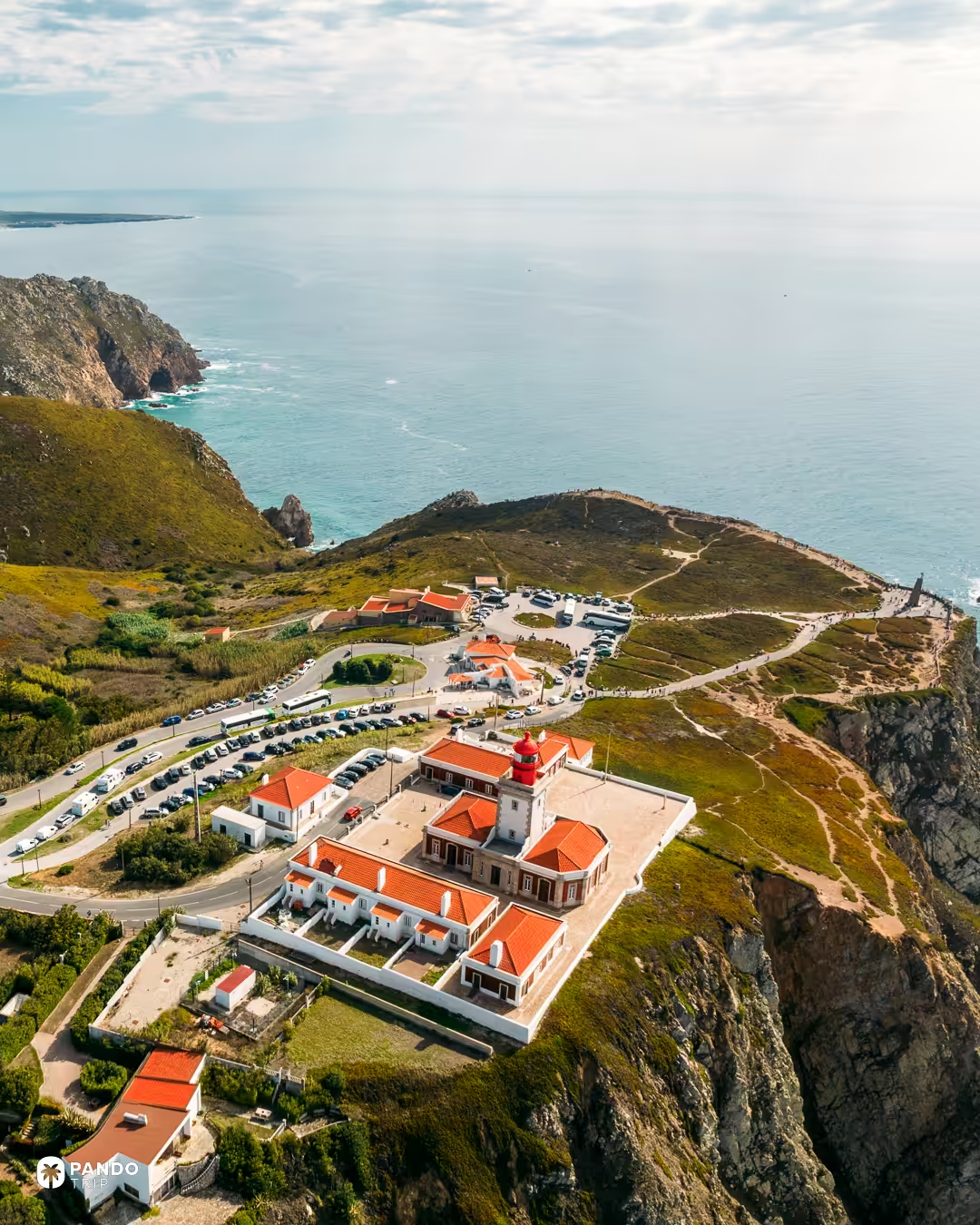
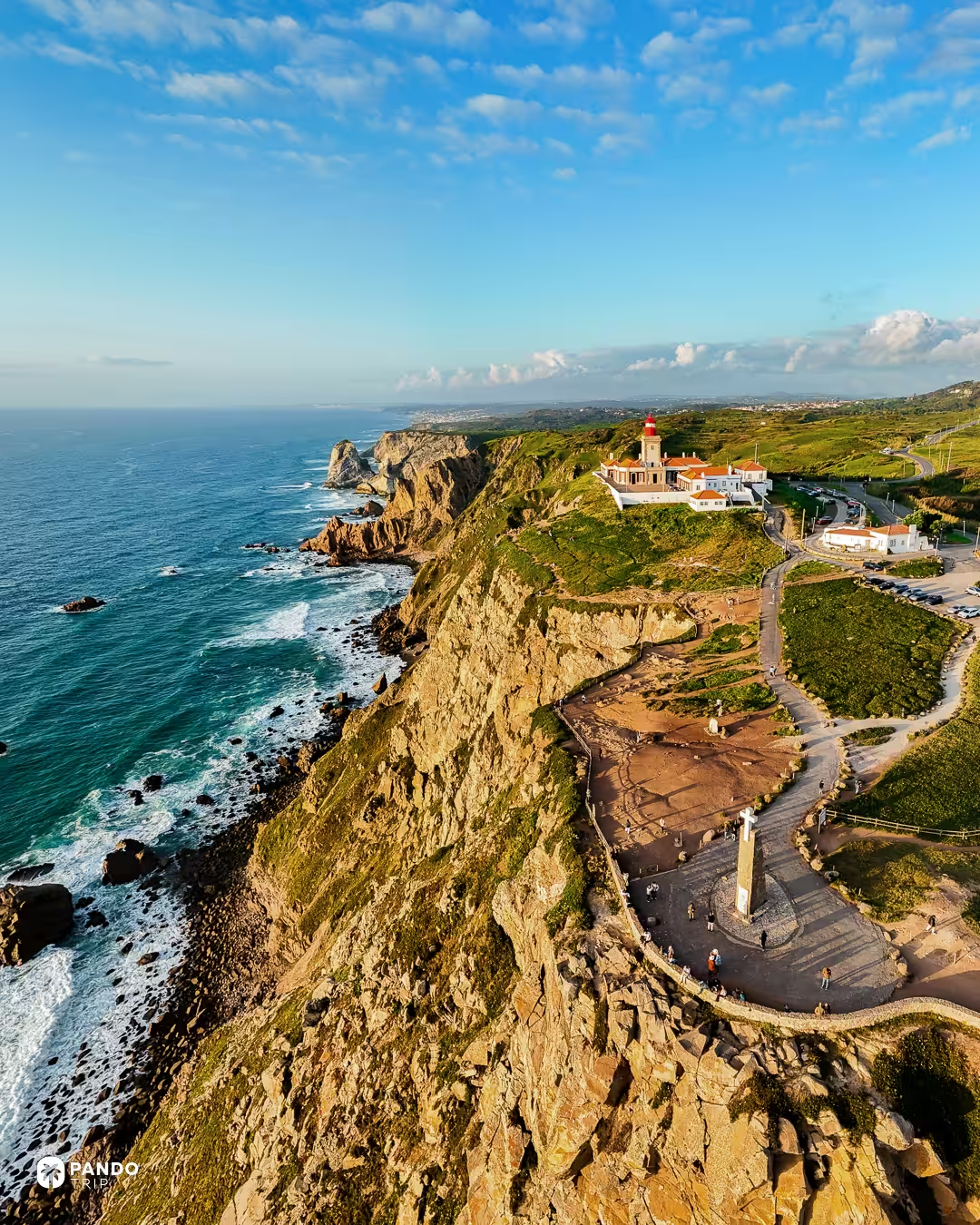
Praia da Ursa lies in the Sintra municipality, about a kilometre north of Cabo da Roca, the westernmost point of mainland Europe. The cape has a lighthouse on the cliffs and a stone cross carrying the line by Camões, “where the land ends and the sea begins”. It is busy with coaches and car parks, a different world from the cove just up the coast, but a fine place to begin or end the day.
Getting there. By car, Cabo da Roca is about 40 kilometres from Lisbon, roughly 40–45 minutes, and 20–30 minutes from Sintra or Cascais. The trail starts from the Cabo da Roca road, a short way before the cape; parking is limited, along the tracks or at the cape itself. Without a car, take the train from Lisbon to Cascais (from Cais do Sodré) or to Sintra (from Rossio), then a Carris Metropolitana bus: the 1624 from Cascais (only departures running “via Cabo Roca” go to the cape) or the circular 1253 from Sintra station. Check times at carrismetropolitana.pt. From the road it is roughly 900 metres of easy track to a natural viewpoint, then about 400 metres of steep descent. Most people take 20 to 40 minutes to get down and longer to climb back; the round trip is about 2.6 kilometres.
When to go. Late afternoon into sunset for the light, early morning for quiet. Spring brings flowers to the clifftops; summer is the busiest season. Check the tide table and aim to be on the sand around low water, and skip the descent in or just after rain.
Where to stay. The village of Azóia, a few minutes from the cape, has a handful of small guesthouses; Quinta do Cabo has a pool and sea views, and at O Moinho da Roca you can sleep in a converted windmill. For something grander, Fortaleza do Guincho is a 17th-century fort turned hotel on the coast road towards Cascais. Sintra and Cascais both make good bases for a longer stay, linked to the cape by bus.
With a guide. Most Sintra and Cascais day tours stop only at the Cabo da Roca viewpoint and don’t go down to the beach. One that does is Flamingo Experiences’ Sunset Hike, Tapas & Wine at Secret Beach: a vintage jeep ride from Sintra, about half an hour’s hike down to Praia da Ursa, and tapas and Portuguese wine on the sand as the sun goes down. It lasts around five hours and costs from about €89 per person.