
Spain’s oldest rivalry, settled the traveller’s way: nine concrete tests, a running score, and a verdict that depends on who you are.
On 13 May 1902, in a cup held for a young king’s coronation, a team from Barcelona beat Madrid FC 3–1 on a racecourse in the capital. More than a century and some 260 official meetings later, the head-to-head is still roughly level, and most of the world knows these two cities first as the two halves of El Clásico.
Travellers face a quieter version of the same contest. In 2025 the two cities finished almost exactly level on hotel nights, Barcelona first in Spain and Madrid a whisker behind. They sit about two and a half hours apart by high-speed train, and every year a great many first-time visitors to Spain have to pick one.
So instead of the usual “Weather / Architecture / Food” scorecard, here are nine rounds that each test something specific: a price, a timetable, a gate that closes, a train that takes 33 minutes or 90. One point per round, a half only for a genuine tie, and an odd number of rounds so nobody gets to hide behind a draw.
Round 1: One kilometre, no ticket
The rule for this round: walk about a kilometre, pay nothing, and count what you see that you’d otherwise have to pay to enter.
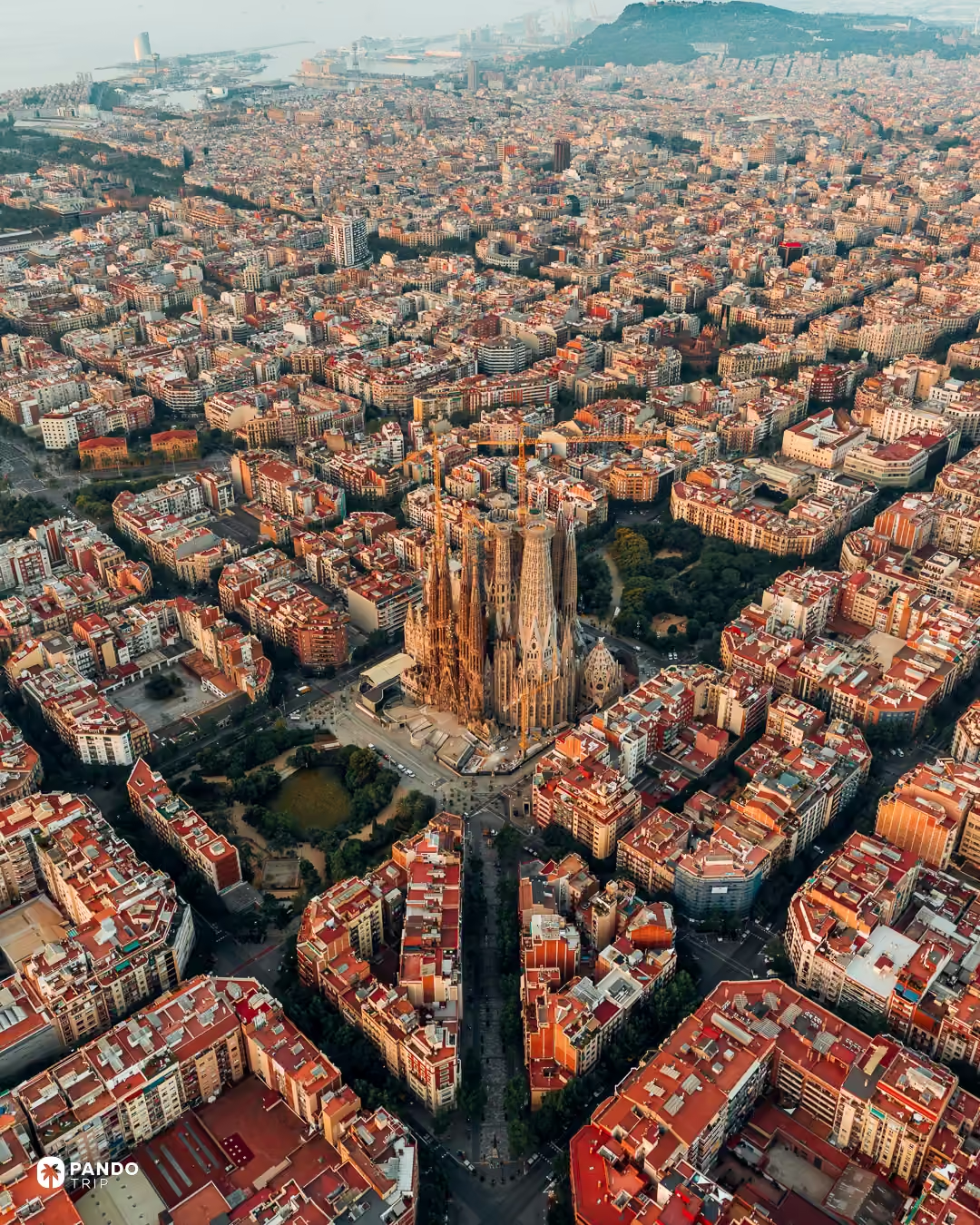
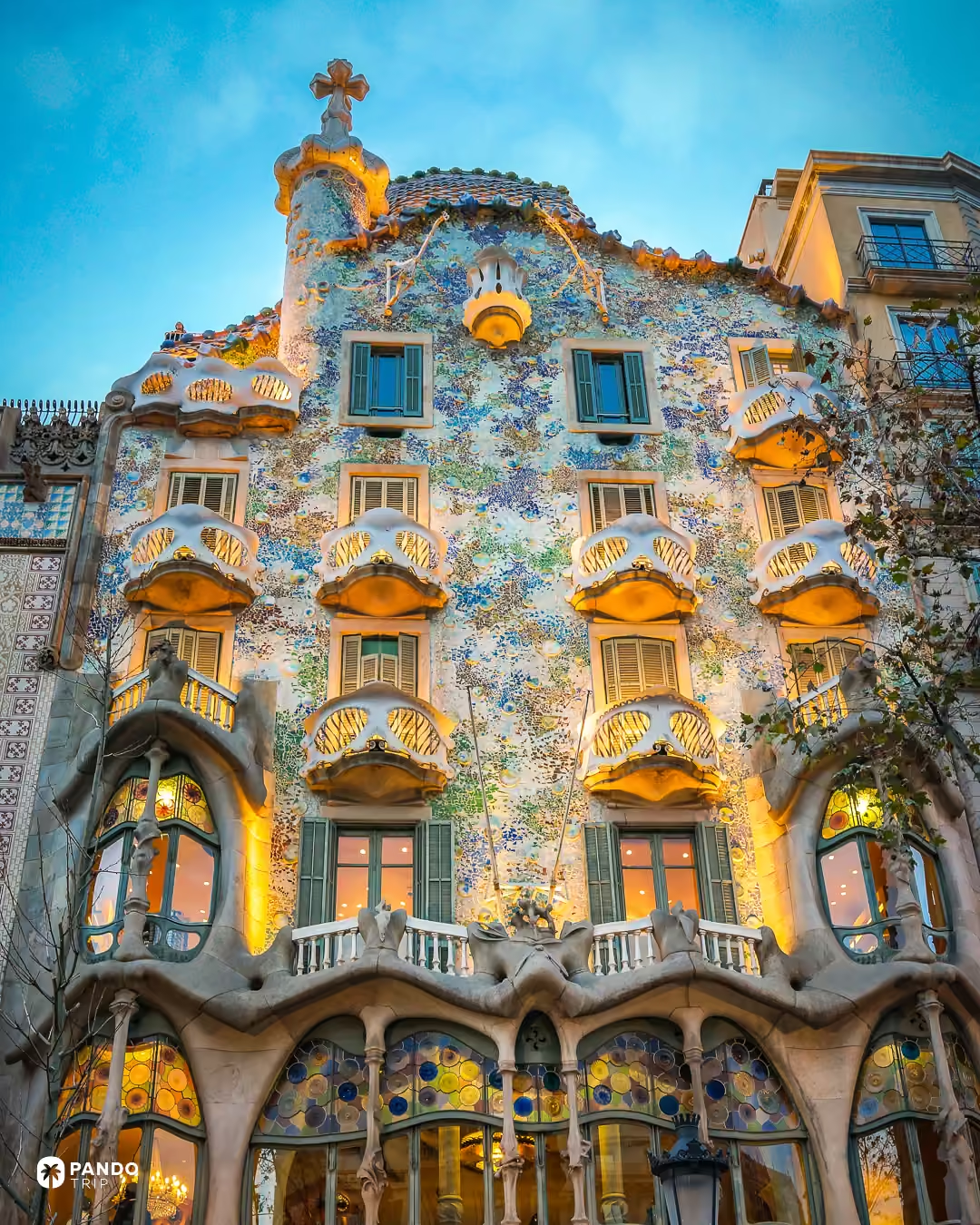
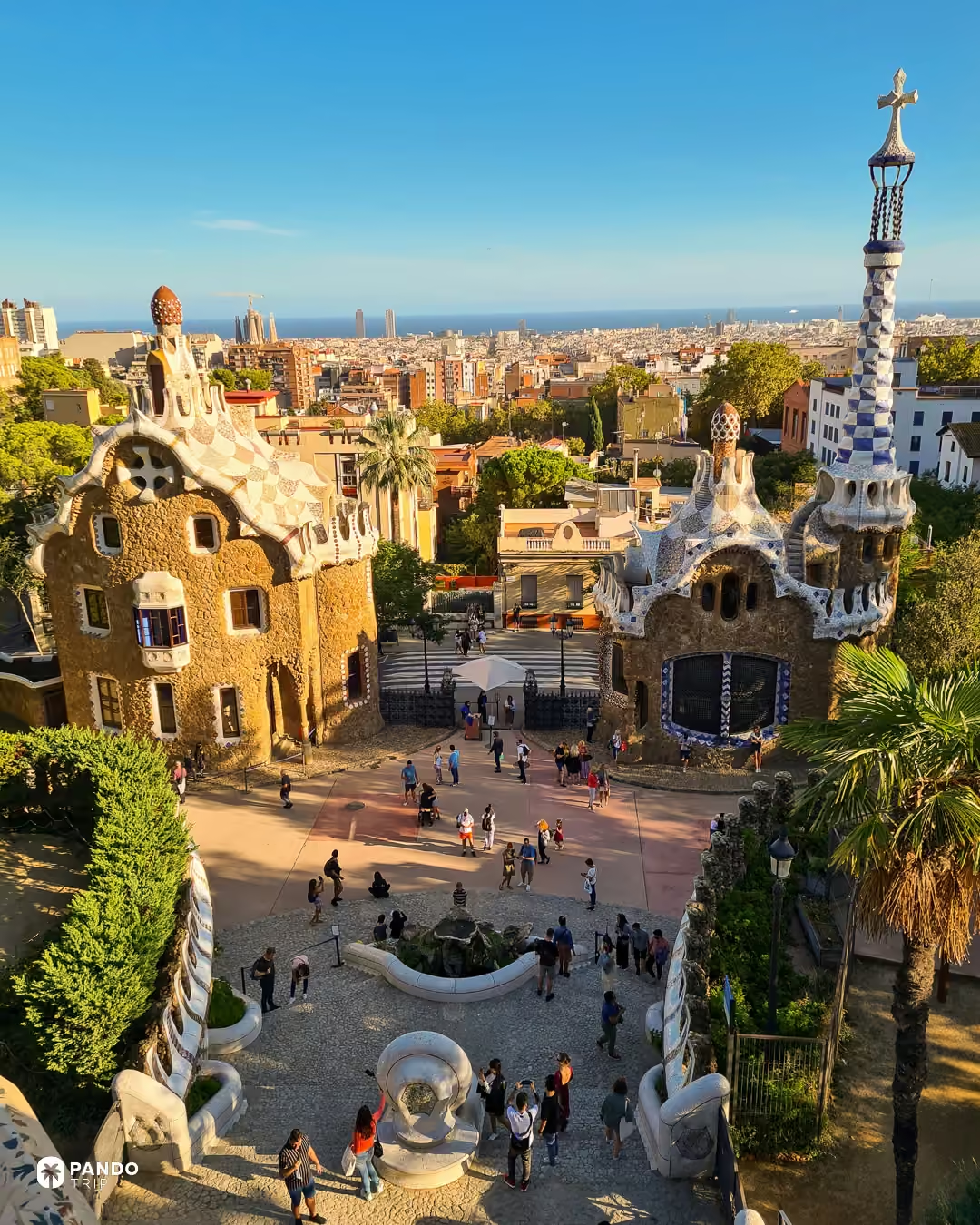
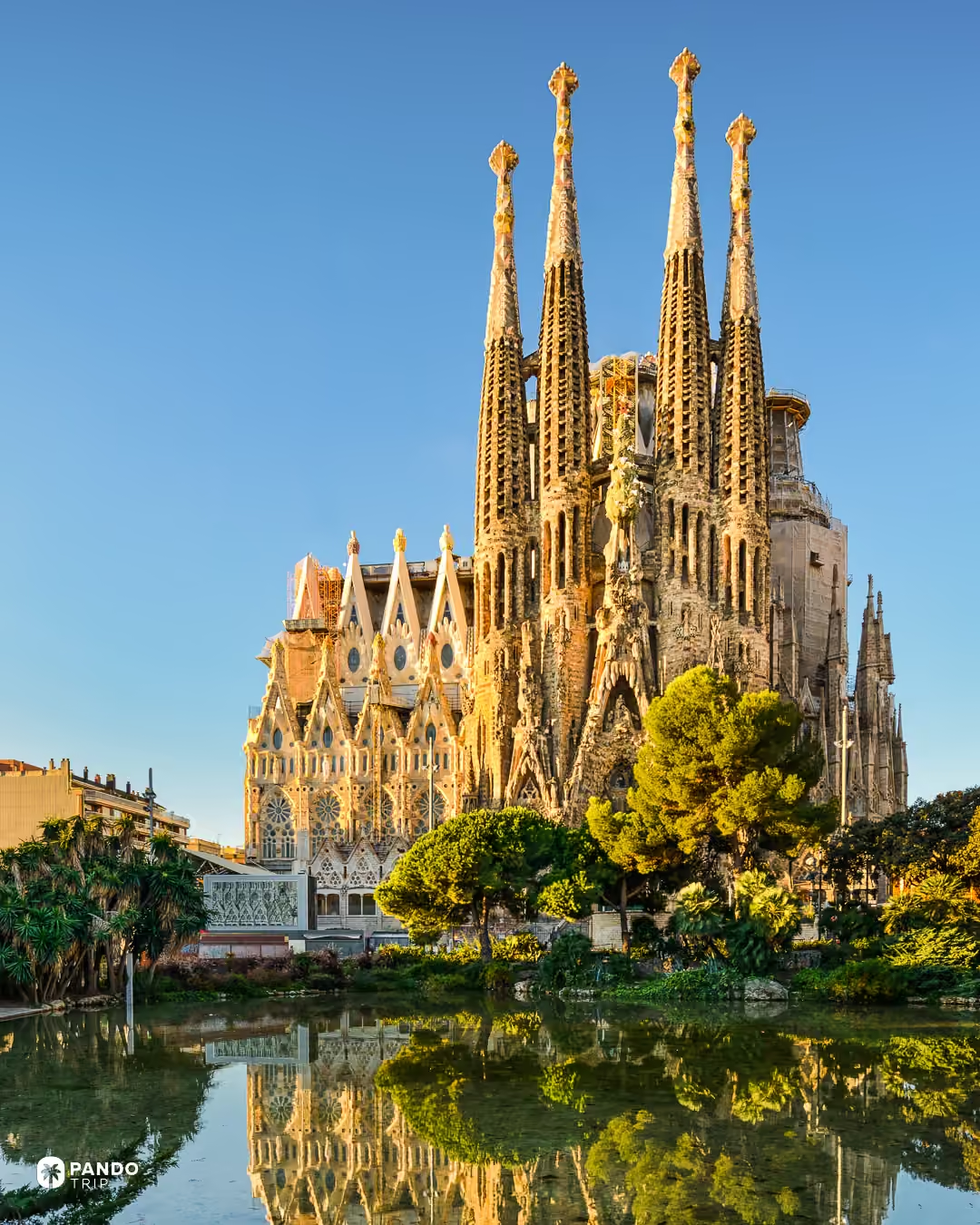
Start at Plaça de Catalunya and walk up Passeig de Gràcia. After about half a kilometre you reach the block between Consell de Cent and Aragó, where three of Barcelona’s star architects remodelled neighbouring houses within a few years of each other around 1900: Domènech i Montaner’s Casa Lleó Morera, Puig i Cadafalch’s stepped-gable Casa Amatller and Gaudí’s Casa Batlló, all scales and bone-like balconies. The block is known as the Manzana de la Discordia, the block of discord. Three blocks further up, Gaudí’s Casa Milà, La Pedrera, rolls around its corner like a cliff face. Batlló and La Pedrera are both UNESCO-listed, and each costs from €29 to enter. From the pavement they cost nothing, and so do the street’s 1906 bench-lamps and the hexagonal Gaudí-designed tiles under your feet.
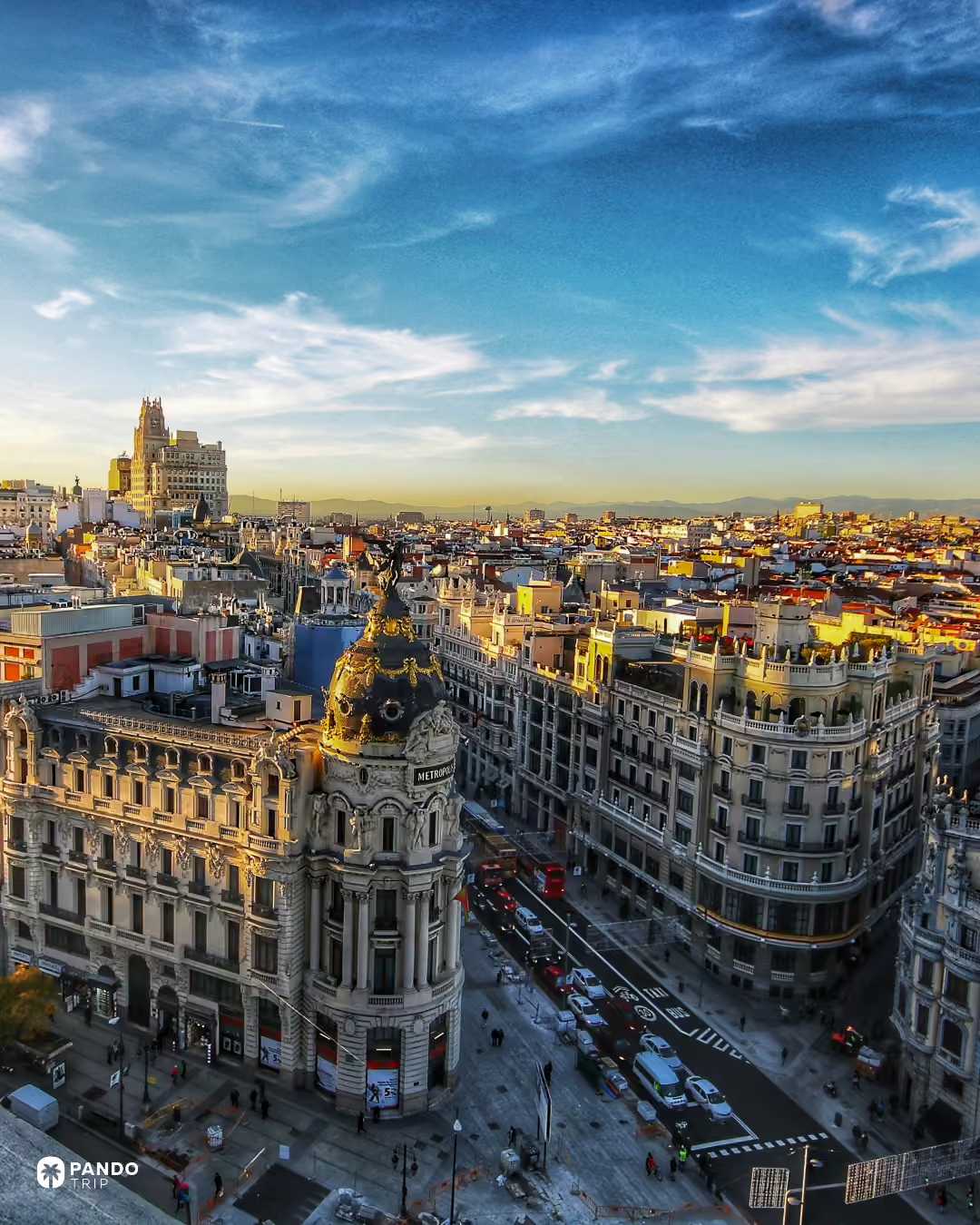
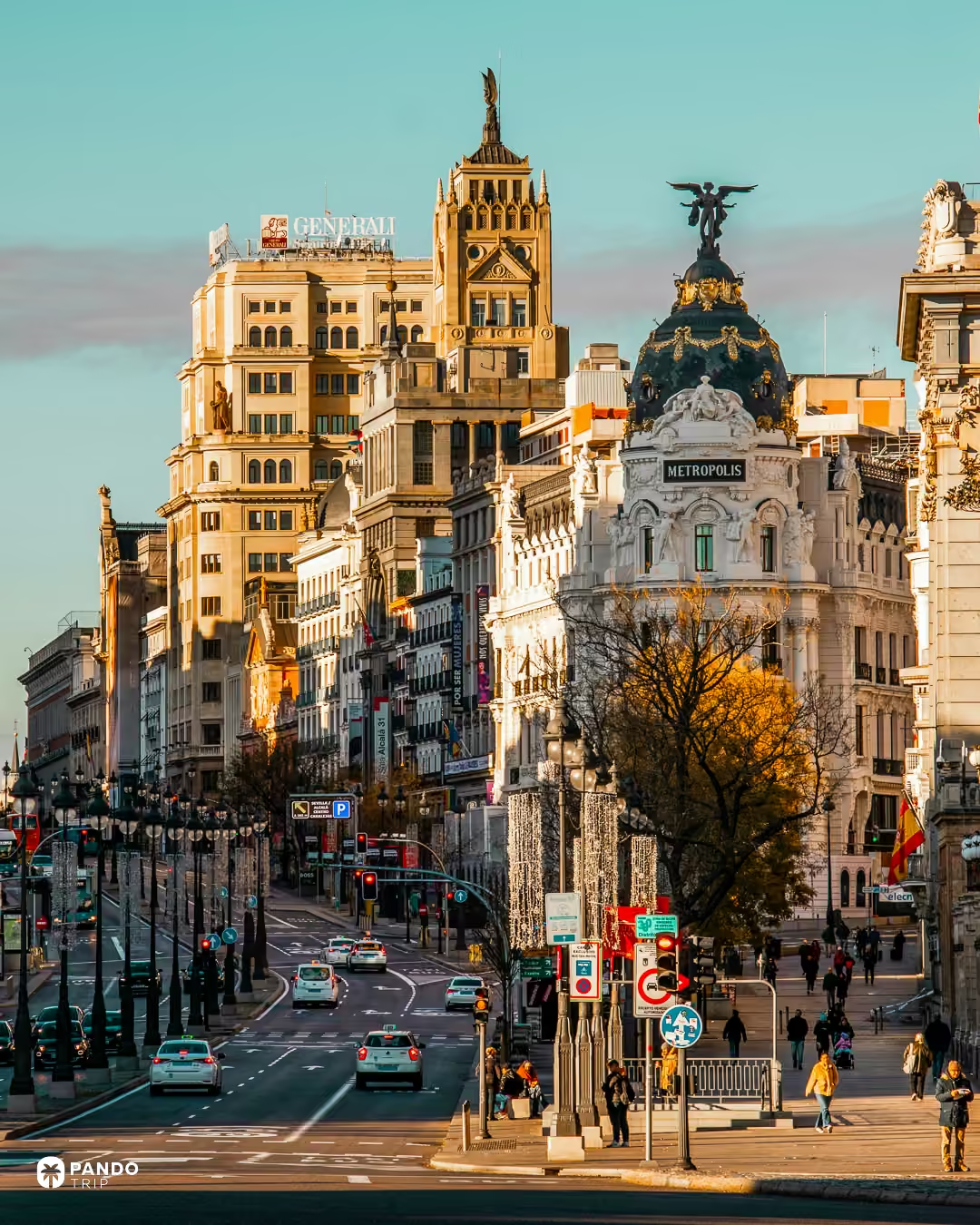
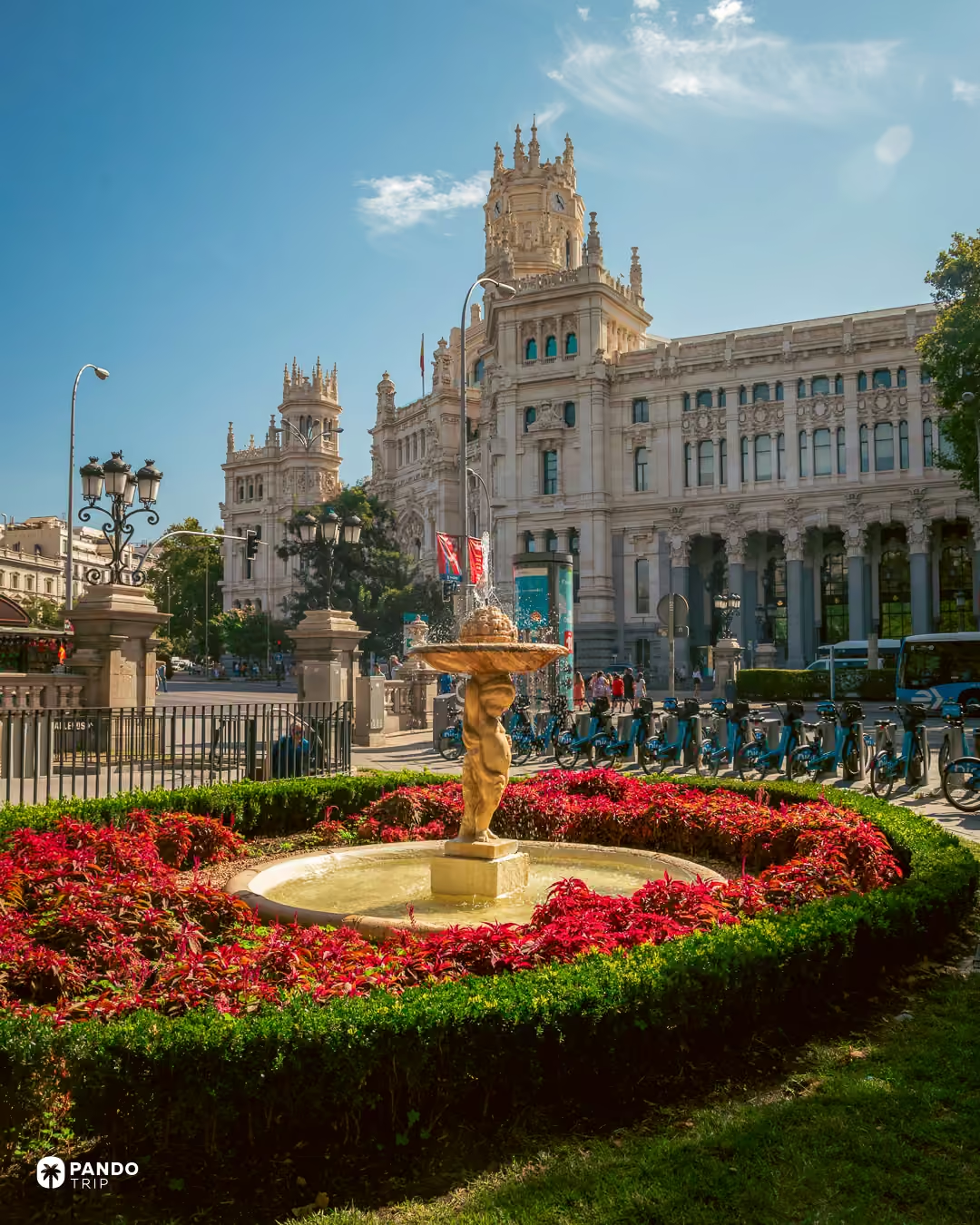
Madrid’s answer runs from Cibeles to Callao, about 1.1 kilometres along Calle de Alcalá and Gran Vía. On the way you pass the wedding-cake Cibeles Palace, the Círculo de Bellas Artes, the domed Metrópolis building (opened in 1911, with a winged Victory on top), the 89-metre Telefónica tower (Madrid’s tallest building until 1953) and the Art Deco Carrión building, whose Schweppes neon has glowed over Callao since 1972. That’s more buildings, and a better lesson in how a capital dressed itself between 1907 and 1933.
If I had one free hour in either city, though, I’d spend it on Passeig de Gràcia. It lines up four facades people cross oceans to see, and lets you keep the €58 it would cost to go inside two of them.
Point: Barcelona. Score: Barcelona 1, Madrid 0.
Round 2: The €15 lunch
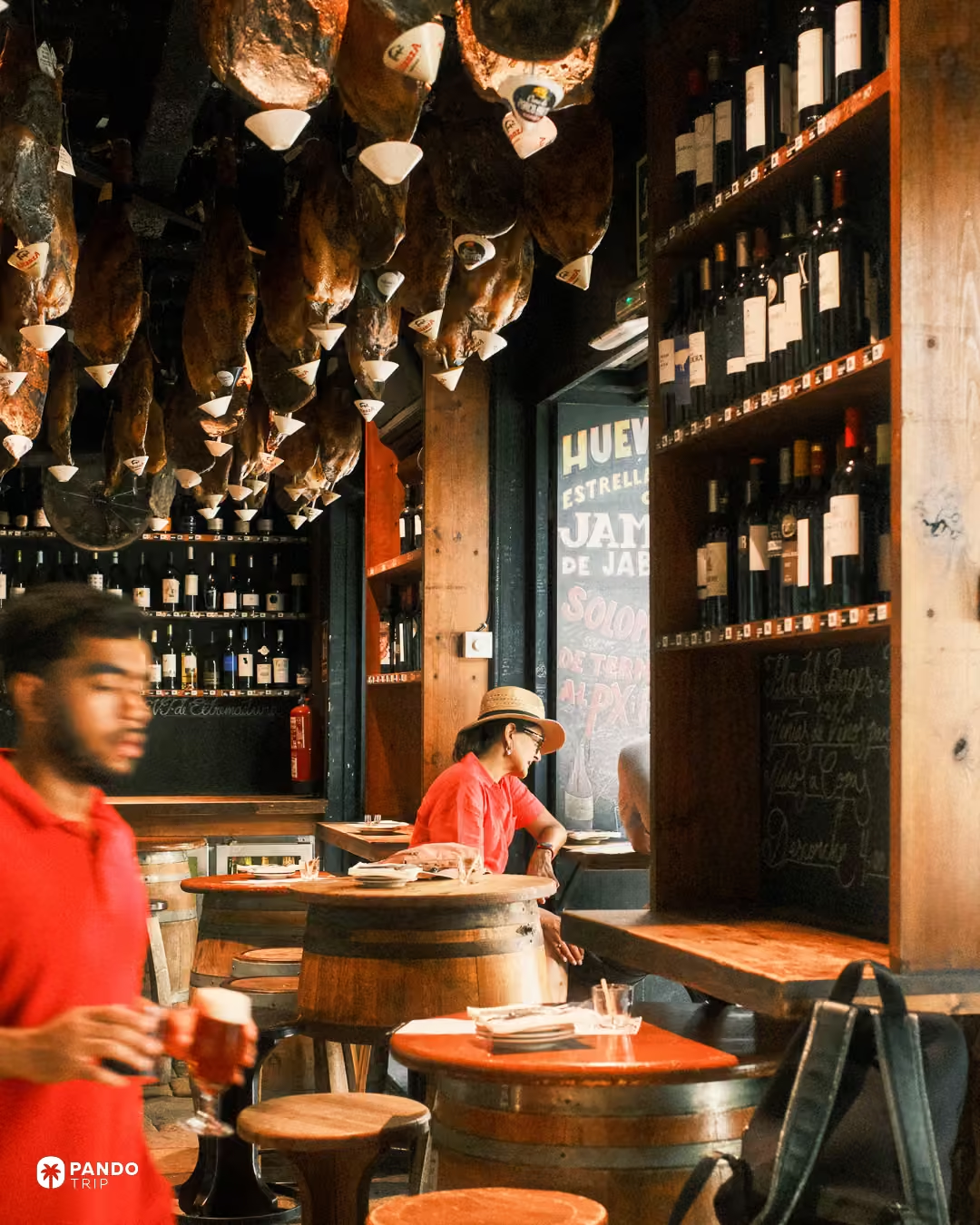
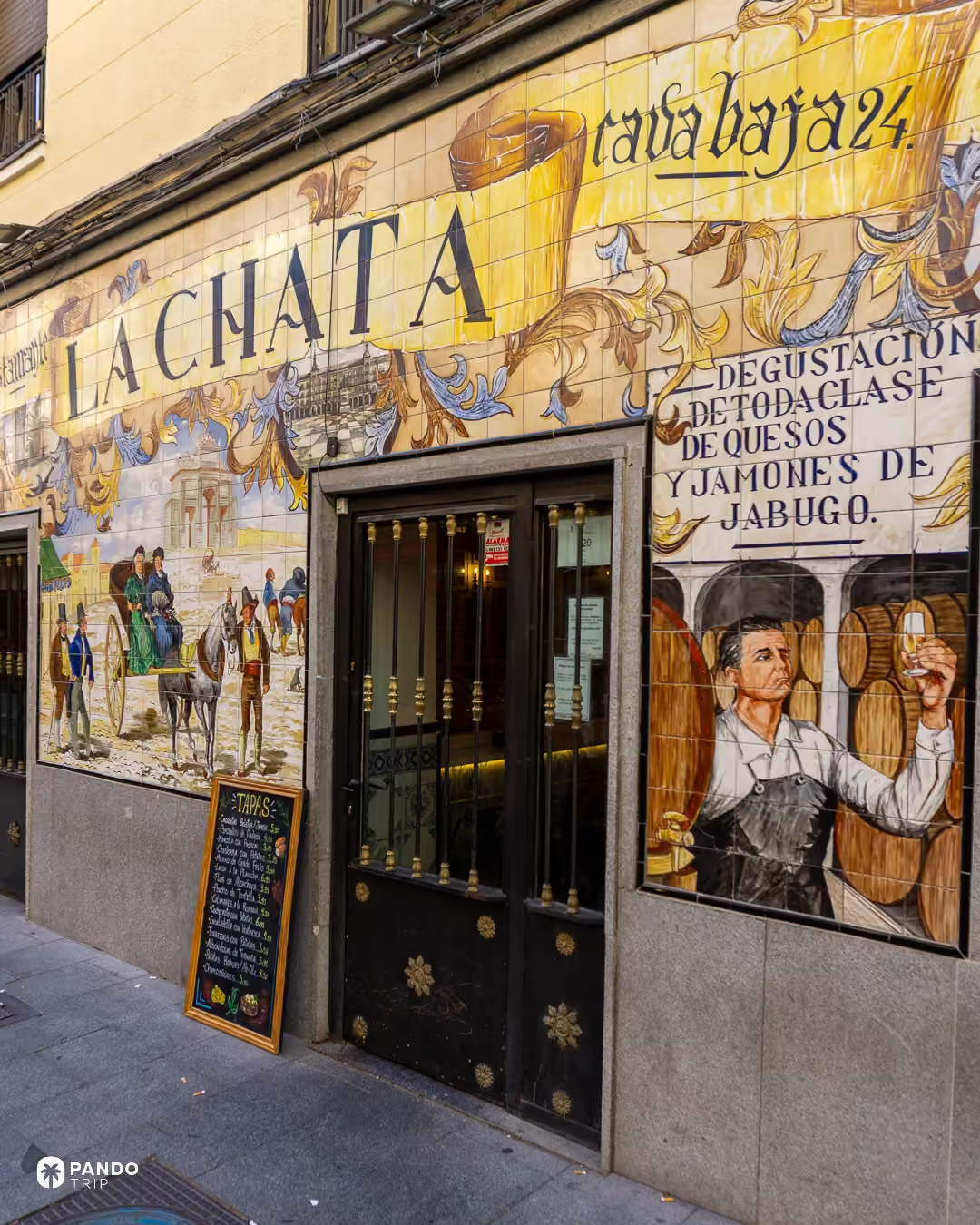
In Madrid, €15 at lunchtime on a weekday buys the menú del día more or less as Spain intends it: a starter, a main, dessert, bread and a glass of wine or water. A restaurant app that tracks published menus puts the Madrid median at €15.50, from a small sample.
In Barcelona the same app found a median of €16.90 across 276 restaurants, and €22 in the Gothic Quarter. So €15 buys you a cheaper-than-typical menú in Barcelona, and in the old lanes around the cathedral it buys you about two-thirds of one.
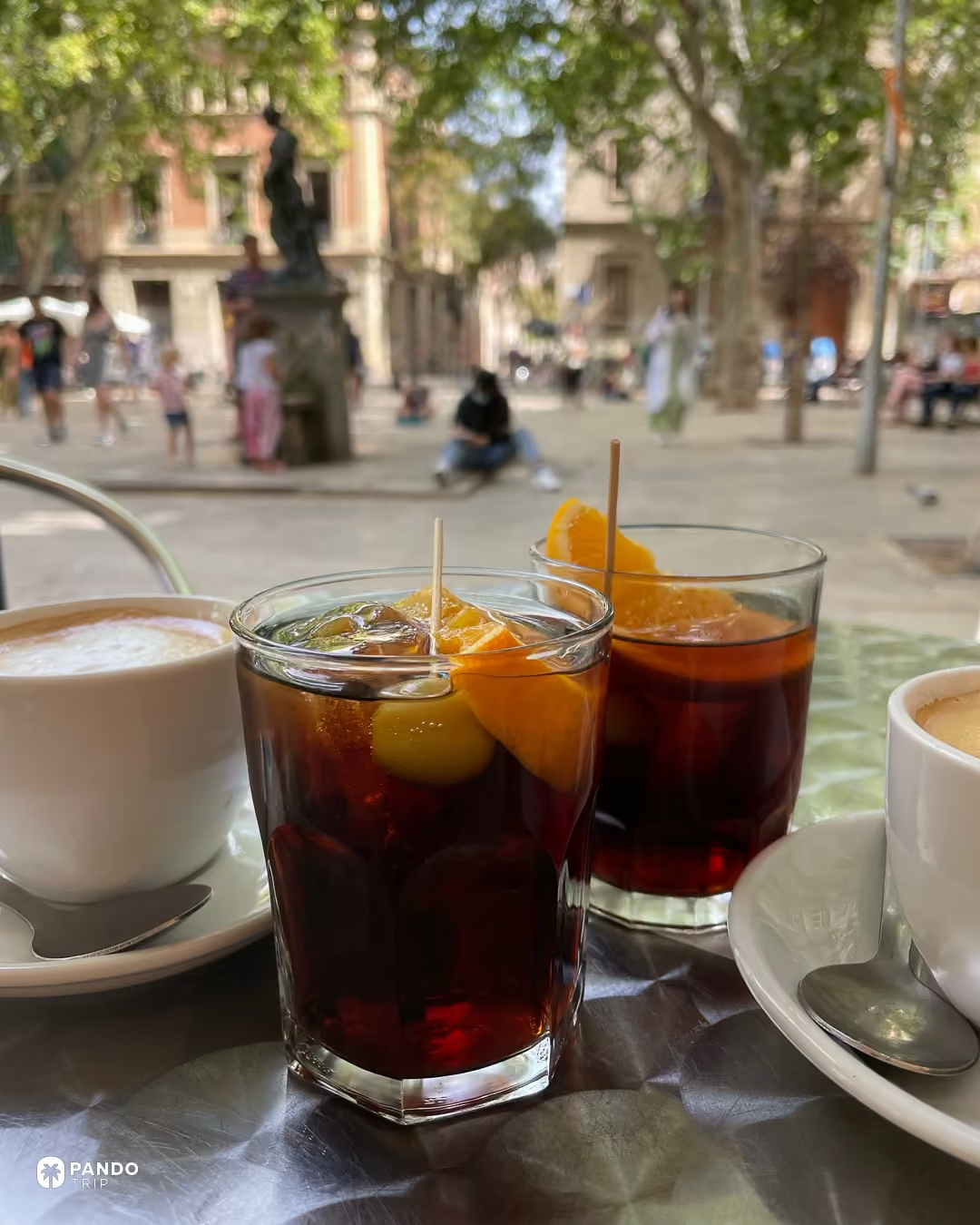
Then there’s the tapa. In parts of Madrid, the old habit of a small free plate arriving with your beer or vermouth survives in a scatter of bars, never guaranteed and never everywhere. In Barcelona it’s a rarity.
Point: Madrid. Score: Barcelona 1, Madrid 1.
Round 3: The hot afternoon
It’s 4pm in July and the city is radiating heat. Where can you cool off within about 20 minutes of the centre?
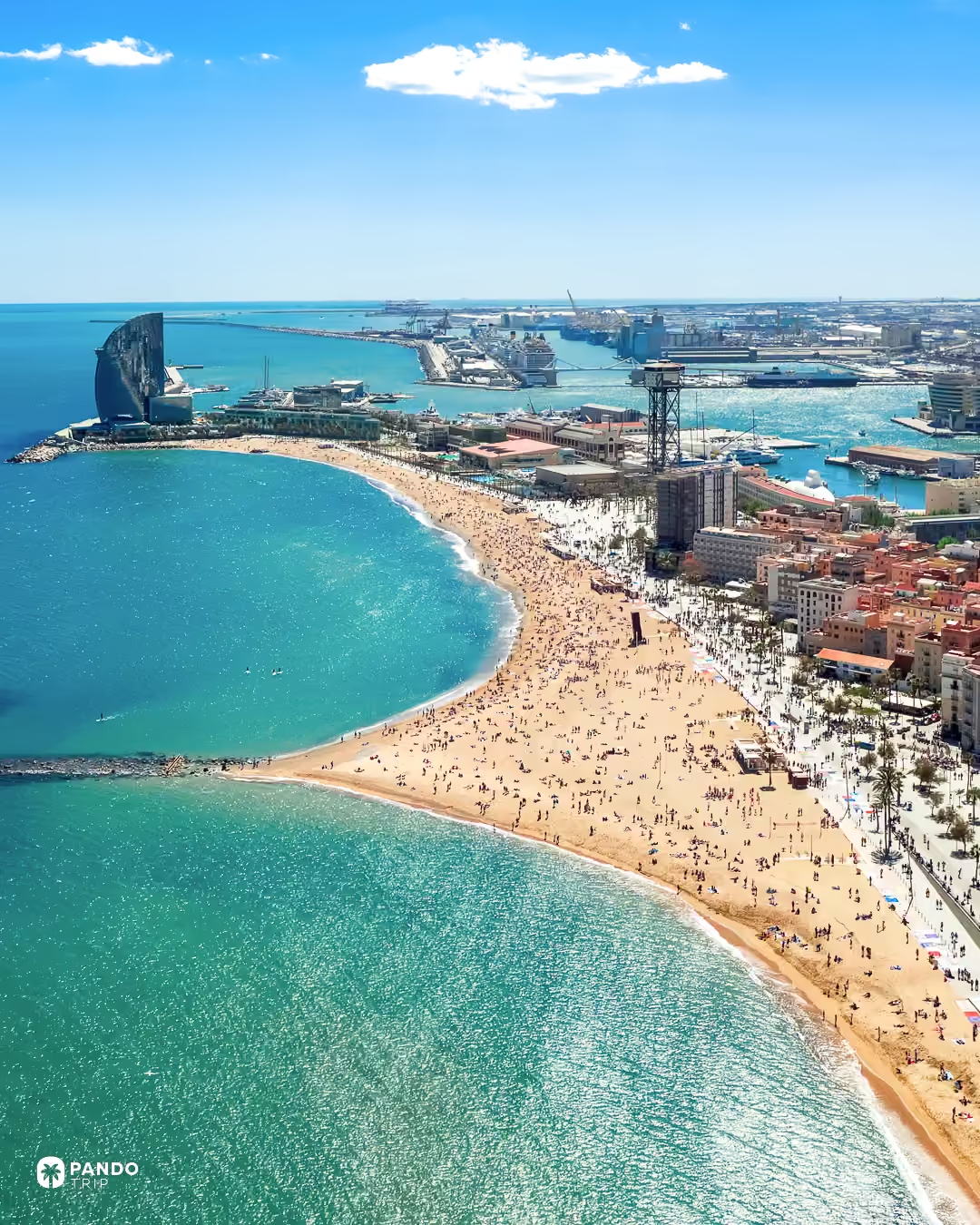
Barcelona barely has to answer. Its seafront runs for roughly four and a half kilometres across ten beaches, with metro line 4 stopping a short walk from several of them, and the water sits at around 24–26°C in July and August. It’s free, it’s the Mediterranean, and it’s one of the reasons Barcelona makes our list of the world’s best beach cities.
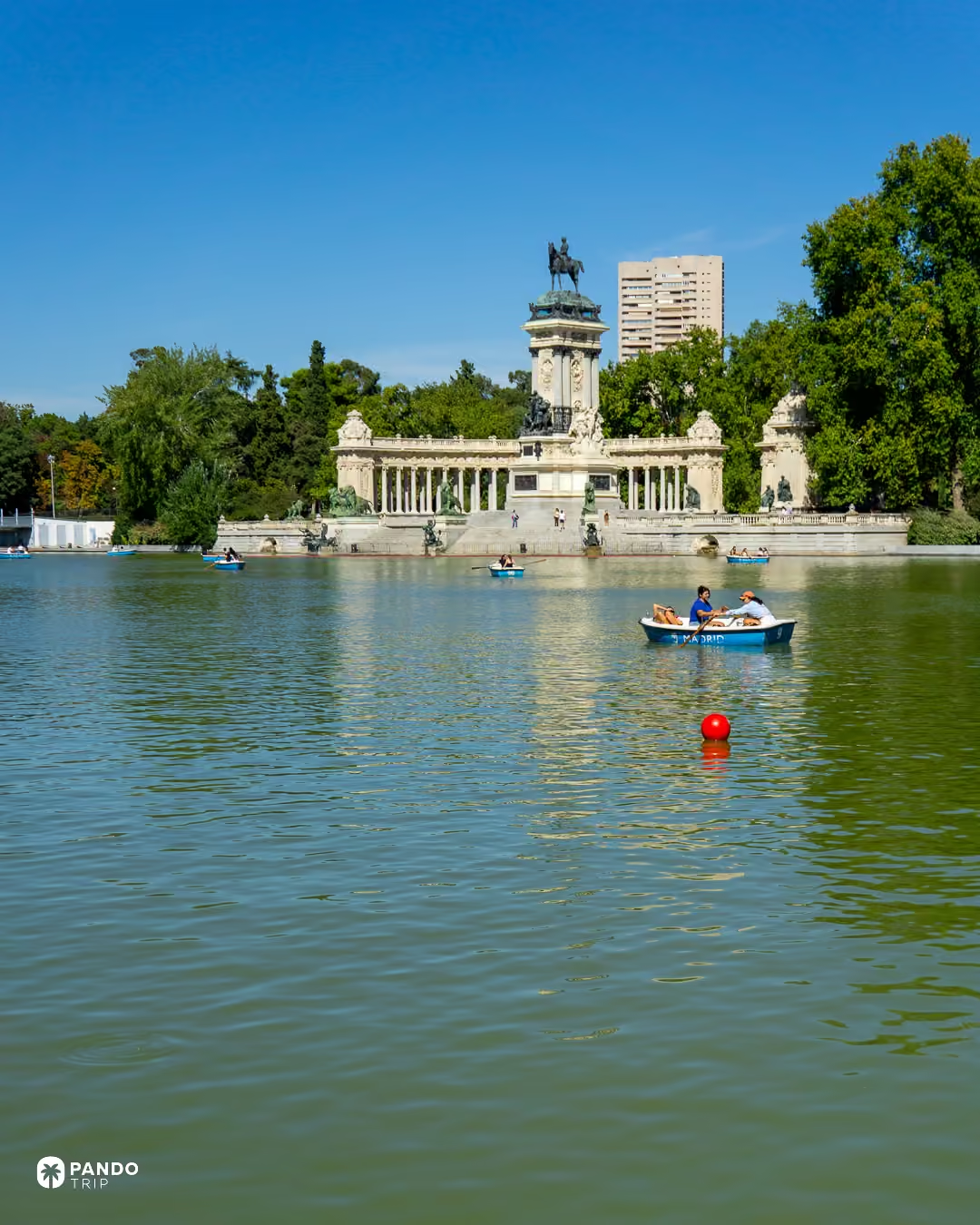
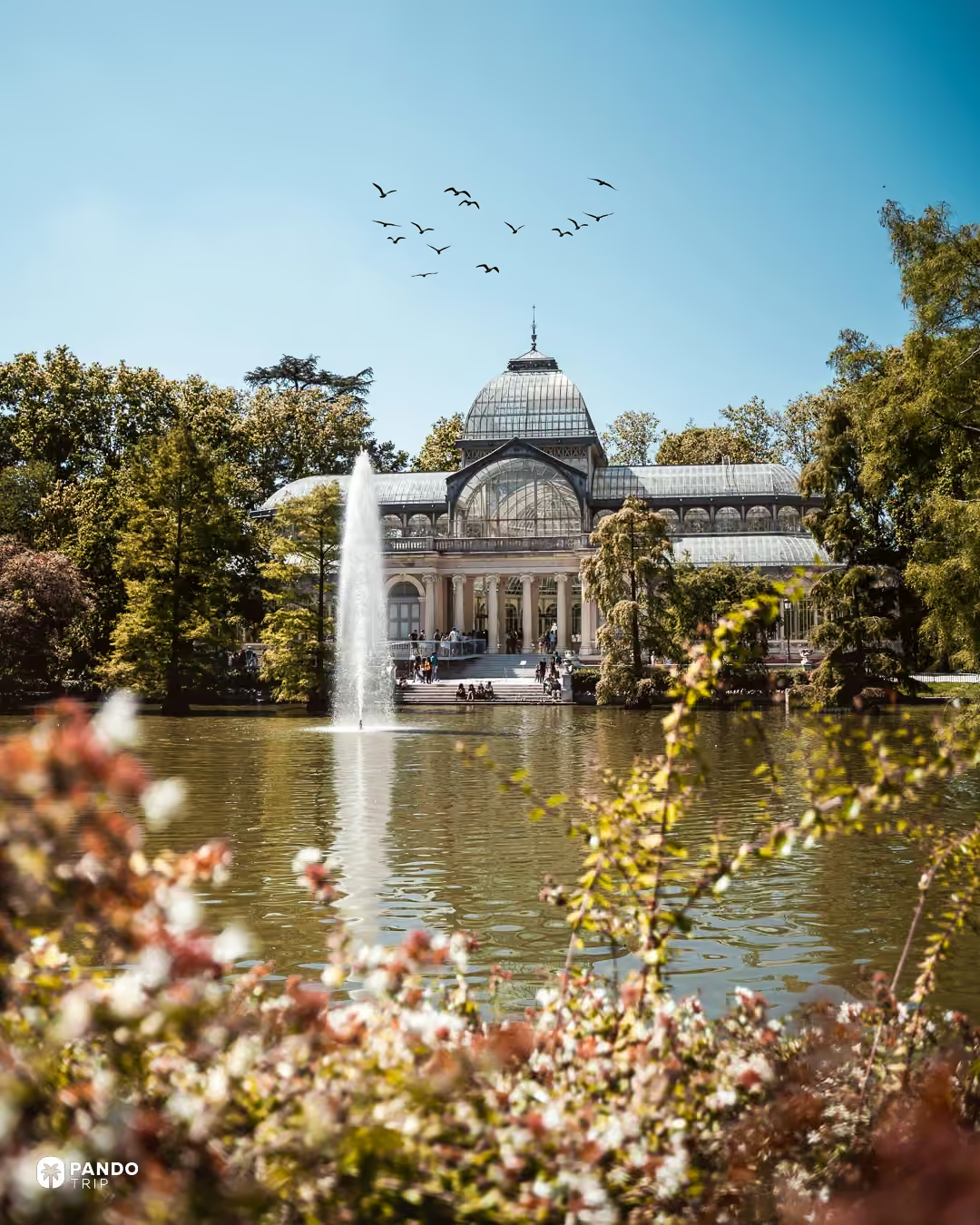
Madrid, more than 600 metres up on the Castilian plateau, has to improvise. The best answer is the Retiro, about 120 hectares of shade three metro stops from Sol, where you can rent a rowing boat on the Estanque Grande for a few euros. Madrid Río adds a summer splash zone of fountain jets, with no sand and no swimming. One Retiro favourite is out of action for now: the glass Palacio de Cristal, which Kimsooja turned into a room of rainbows in 2006, is closed for restoration and expected to reopen in 2027.
A rowing boat is lovely. The Mediterranean is better.
Point: Barcelona. Score: Barcelona 2, Madrid 1.
Round 4: Sunset for €0
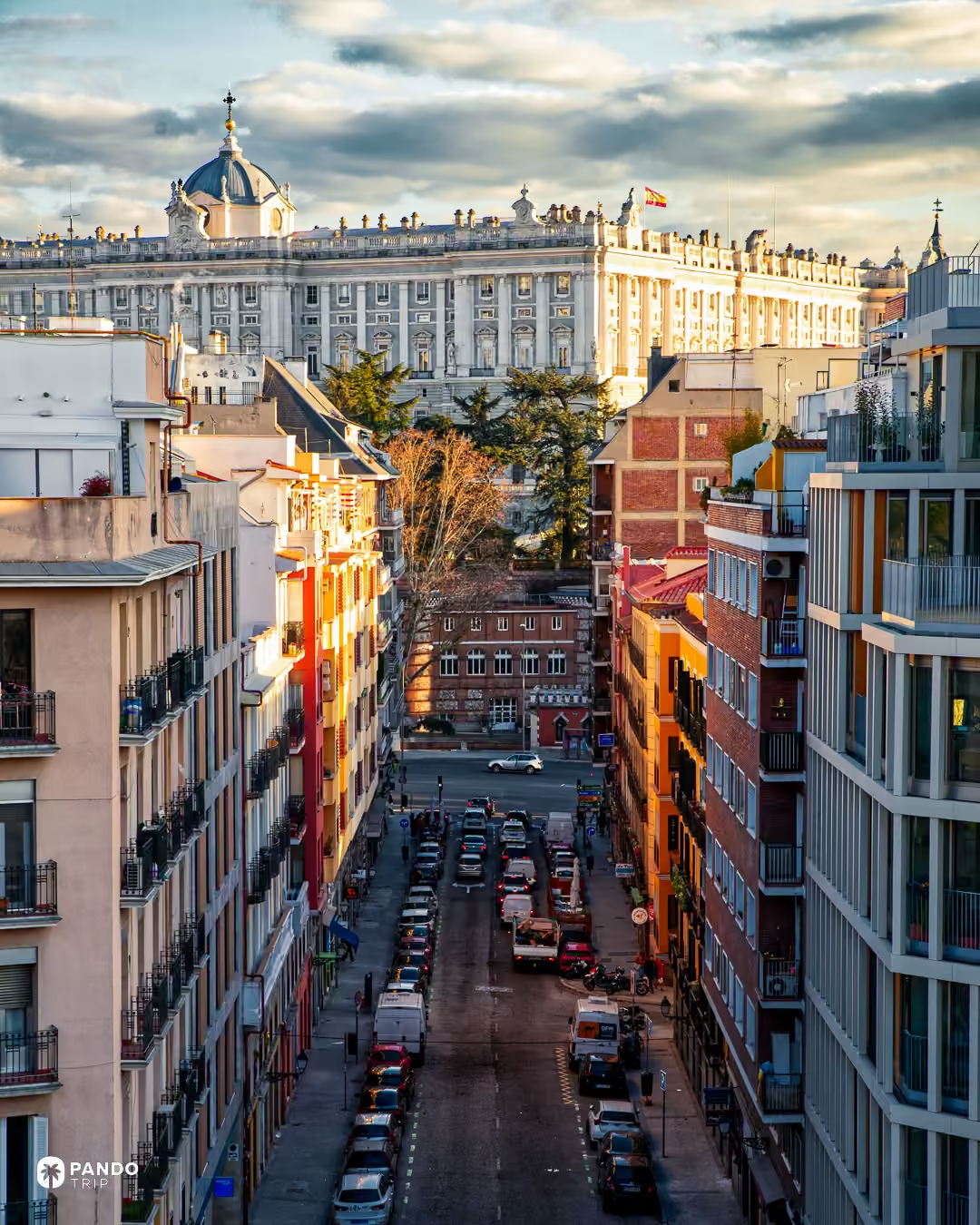
Madrid’s classic sunset spot has no gate at all. The Templo de Debod is a genuine Egyptian temple from the 2nd century BC, given to Spain in thanks for its help in rescuing Nubian monuments before the Aswan High Dam flooded them. It was rebuilt stone by stone in the Parque del Oeste and opened in 1972. The grounds are open-air and free, and the view runs west over the Casa de Campo, with the Royal Palace and the Almudena cathedral to the south. Because Madrid lies further west in the same time zone, its sun also sets 20 to 27 minutes later than Barcelona’s, depending on the season.
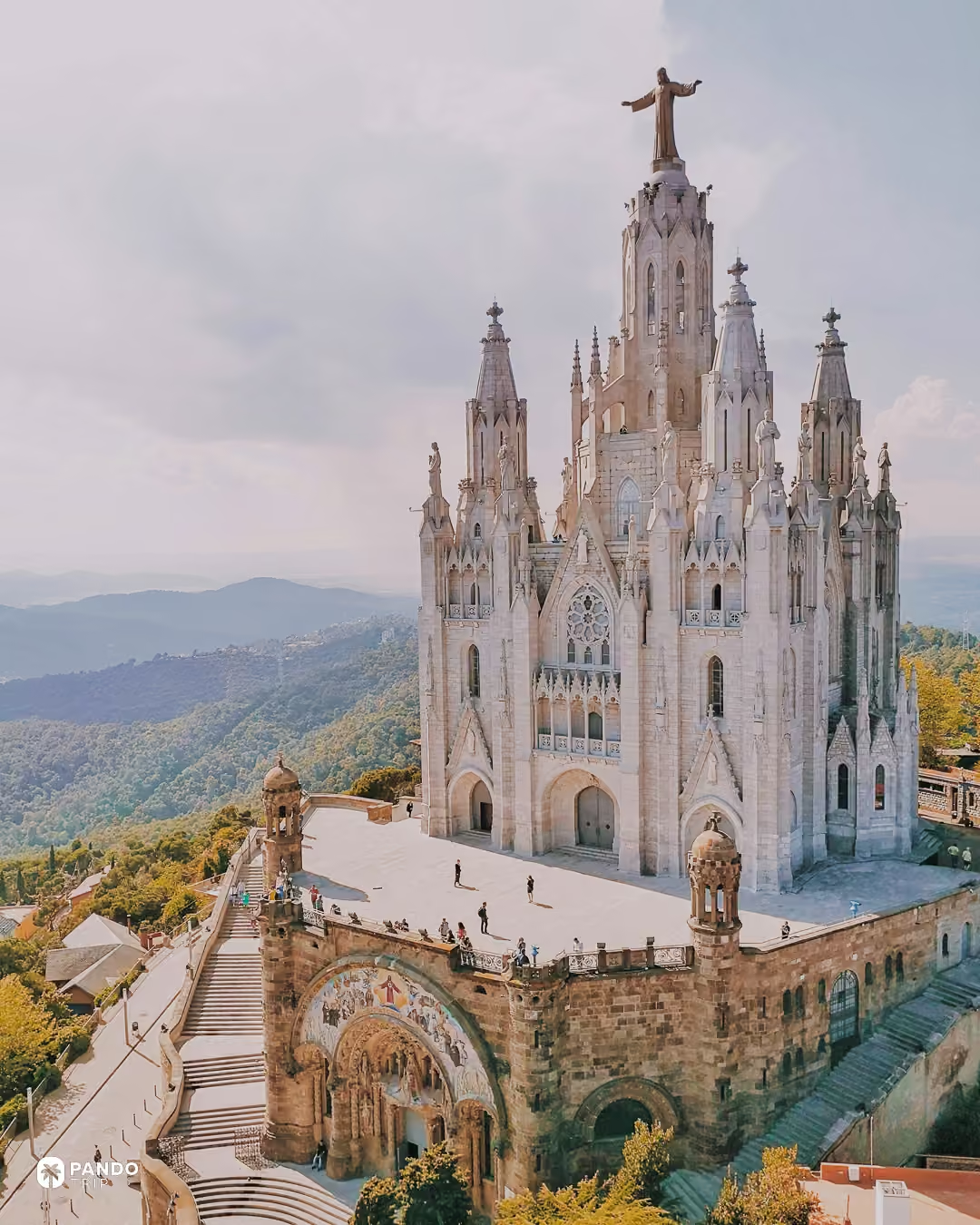
For years Barcelona had an equally obvious answer: climb to the Bunkers del Carmel, the remains of a Civil War anti-aircraft battery 262 metres up on the Turó de la Rovira, and watch the whole city go gold, grid, Sagrada Família, sea and all. Then the crowds and the late-night parties got too much for the neighbours. Since May 2023 the site has been fenced and closed at night, with the gate shutting at 19:30 in summer and 17:30 in winter. For most of the year that is before the sun goes down, and in May 2026 the city voted to regulate access further. The obvious alternative, Park Güell, now charges €18.
Barcelona’s view is the bigger one. Madrid’s is the one you can actually stay for.
Point: Madrid. Score: Barcelona 2, Madrid 2.
Round 5: The football weekend
Here’s the round that 1902 match set up. You fly in for a weekend of football: which city gives you the better stadium visit, and the better shot at a match?
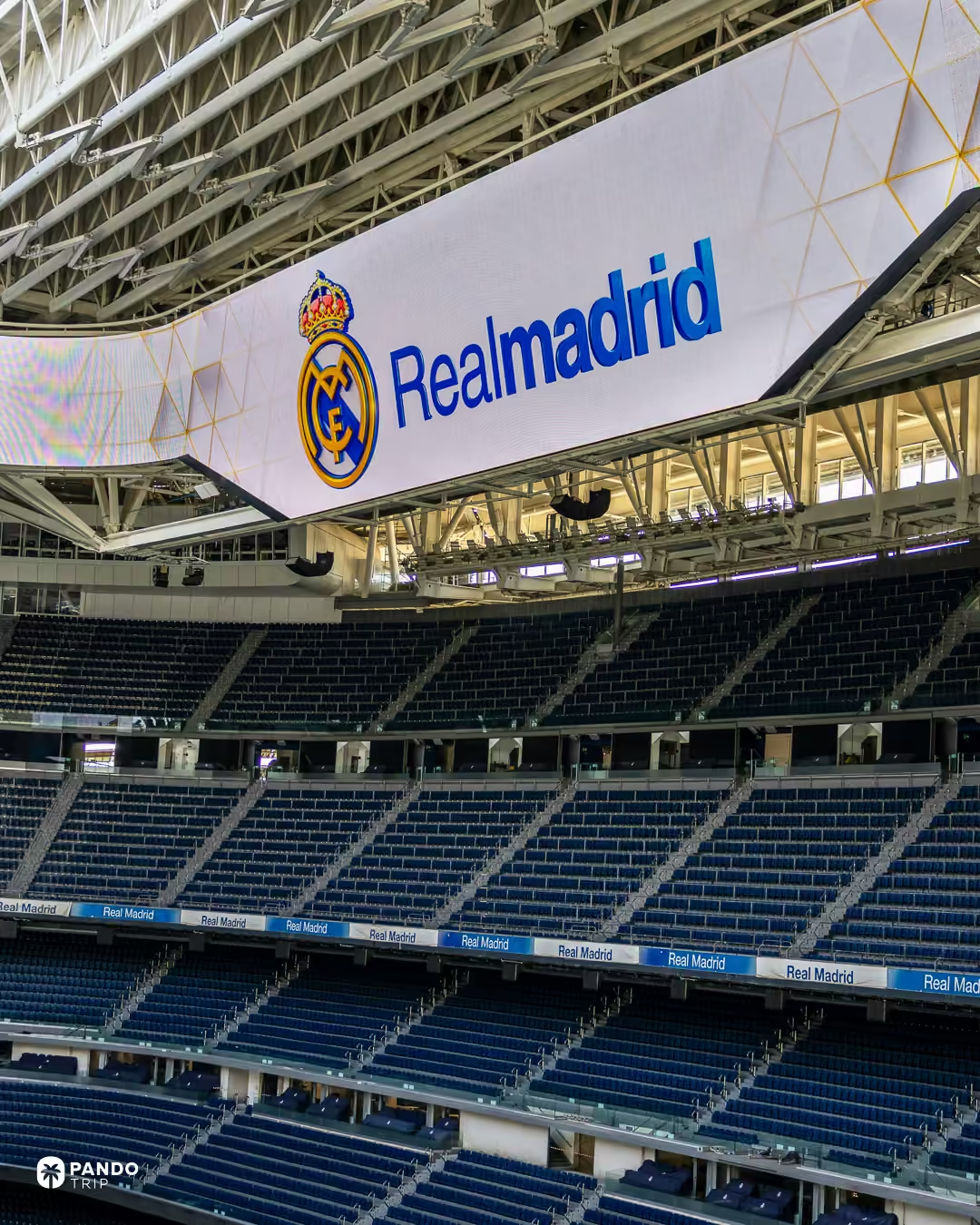
The Santiago Bernabéu is finished. Its rebuild added a retractable roof and a pitch that splits into trays and slides underground, and it holds around 80,000. The standard tour, from around €37 online, takes in the museum, a panoramic view of the bowl and, except on matchdays and the day before, the dressing rooms and the benches. Its metro station is at the stadium door, one change from Sol.
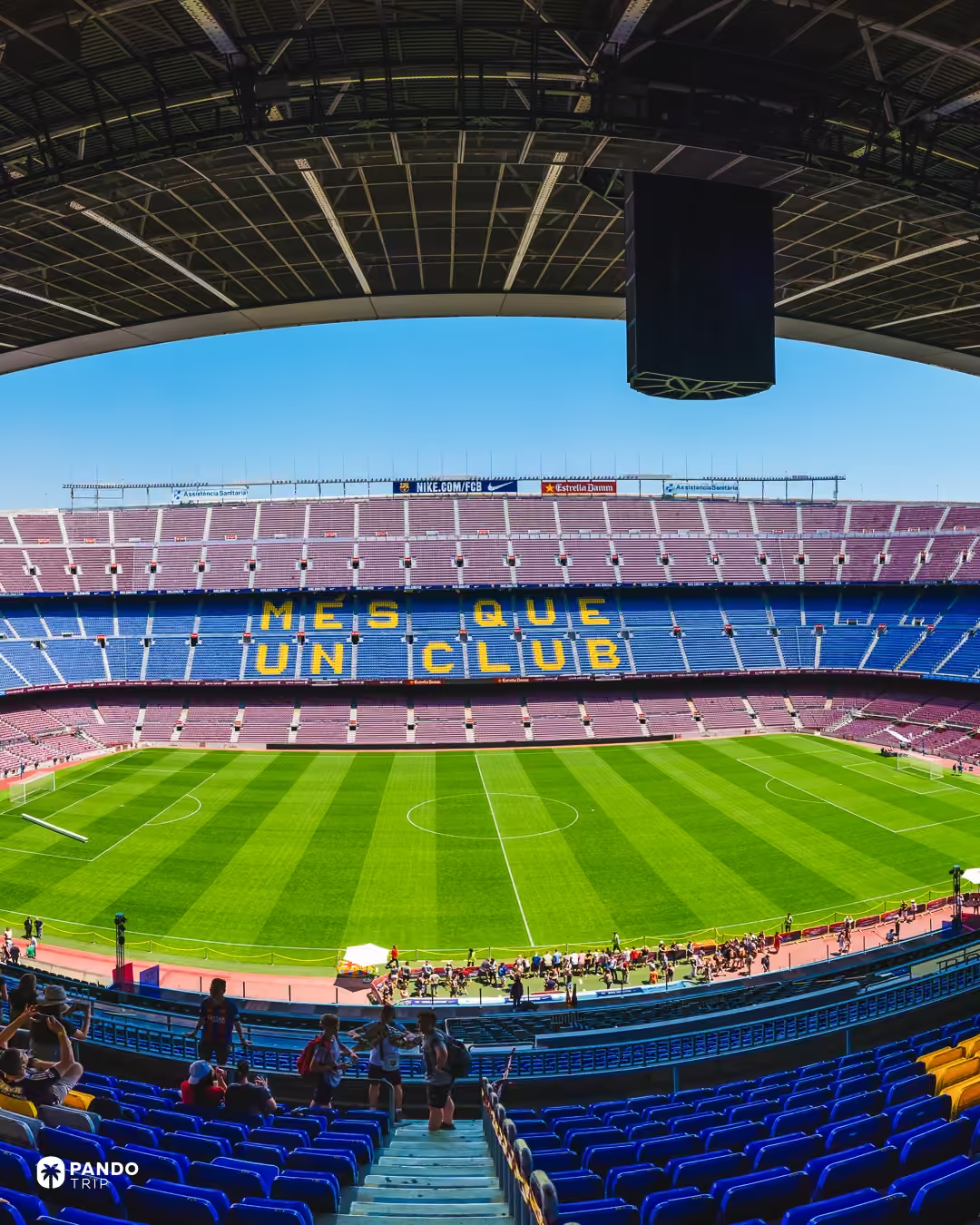
The Spotify Camp Nou is still a building site. Barça moved back in November 2025, but this season only two of its three tiers are open, about 62,650 seats of a planned 105,000, and the roof isn’t due until after mid-2027. The tour from €28 covers the museum and a viewpoint over the construction, with no stands, dressing room or pitch. Seeing the bowl itself costs from €69.
Tickets tip it further. Both clubs sell to members first, and fewer seats at the Camp Nou means fewer left for everyone else. The cheapest seat for Barça’s homecoming match was €199. In Madrid, even a Champions League night against Manchester City in March 2026 still had seats on sale two days before kick-off. A Clásico is a different matter in either city: public tickets for the October 2025 meeting at the Bernabéu ran from €130 to €455.
Watching a giant being rebuilt has its own thrill, and the Camp Nou will be extraordinary when it’s done. This season, for the full stadium day, Madrid wins comfortably.
Point: Madrid. Score: Barcelona 2, Madrid 3.
Round 6: The bill
Madrid charges visitors no tourist tax. Both the city and the regional government have rejected one.
Barcelona raised its tax again on 1 April 2026. In a four-star hotel it comes to €8.40 per person per night, €3.40 for Catalonia plus a €5 city surcharge, so €50.40 for two people staying three nights. The surcharge is scheduled to rise by €1 a year until 2029.
The rooms themselves are closer than you might expect. Spain’s statistics office tracks the average price hotels actually take per room per night. Over the twelve months to September 2026 it averaged about €179 in Barcelona and €173 in Madrid, before VAT, across all categories. Add VAT and Barcelona’s current tax and an average three-night stay for two comes to roughly €640 in Barcelona against €570 in Madrid. Madrid came out cheaper in nine of those twelve months, by as much as €200 for the three nights in August.
The exception is worth knowing. From November to January, Madrid’s average rates ran higher, and Barcelona’s hotels were cheaper even after the tax.
Point: Madrid. Score: Barcelona 2, Madrid 4.
Round 7: The night test
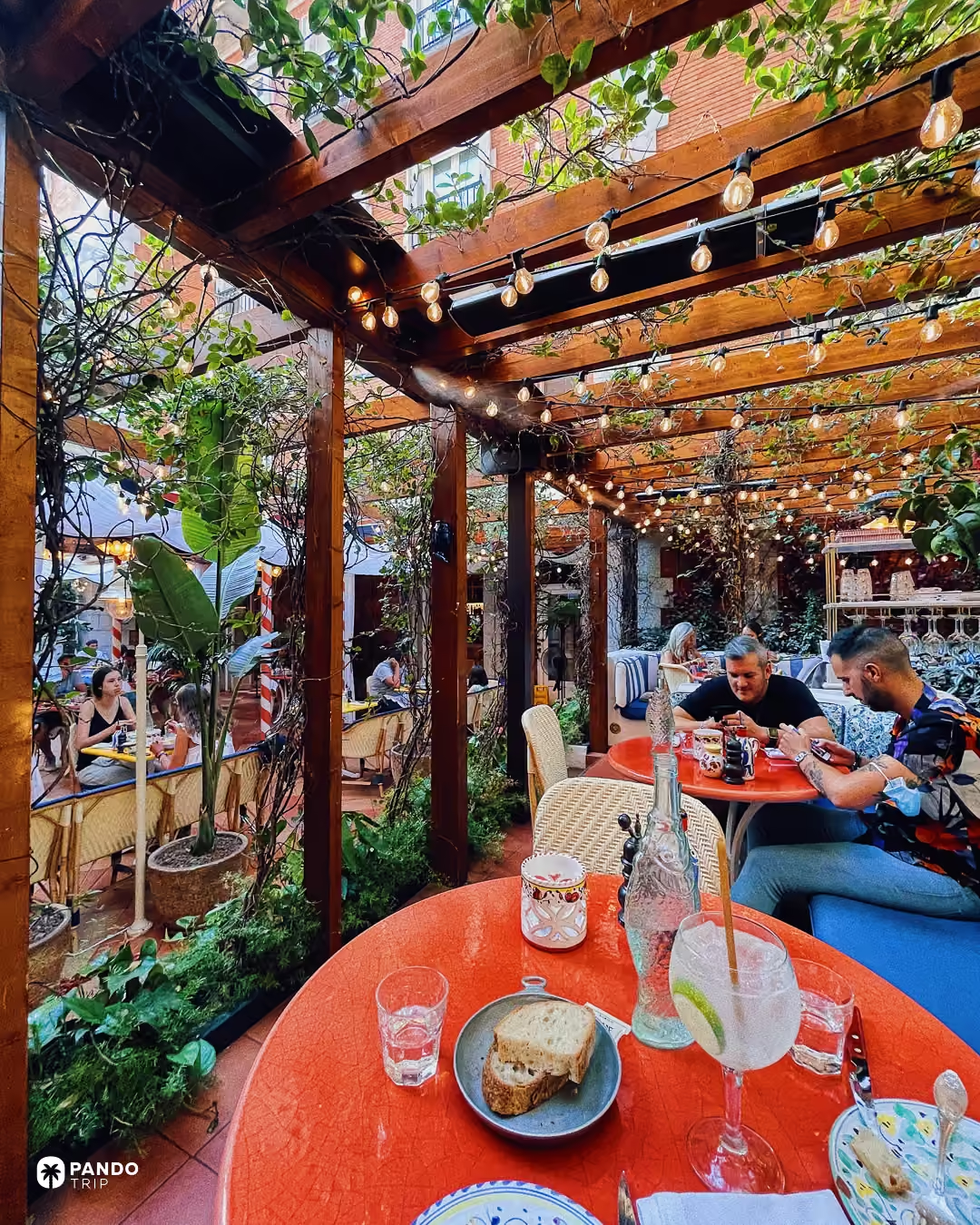
Both cities eat late. Barcelona’s city council tells newcomers that dinner at 9pm, even 10pm, is normal, and Madrid’s tourist board says only that Spaniards rarely sit down after 11. Call dinner a draw. The real test comes at 3am on a Saturday night, when you need to get home.
Madrid’s metro closes at 1:30am, weekends included. Its night buses, the búhos, are good: most leave from Cibeles, they cost the same €1.50 as a daytime bus, and at weekends they run every 15 minutes.
Barcelona’s metro runs all night from Saturday morning into Sunday, and until 2am on Fridays; the transport operator confirmed again in September 2026 that the Saturday all-nighter continues. Only one of these cities will take you home underground when the clubs empty out.
Point: Barcelona. Score: Barcelona 3, Madrid 4.
Round 8: The worst month
Every city has a month to avoid. The test here is whose bad month is less bad.
Madrid’s is July. Spain’s weather agency, AEMET, records an average July high of 32.1°C in the Retiro, and recent summers have run hotter: July 2026 peaked at 39.4°C. The air is dry, which helps a little, but there’s no sea to escape to.
Barcelona’s is August. It’s sticky, with humidity near 68% and warm nights, and it’s the peak of the summer crowds: in August 2026 the city’s hotel rooms were 87% full, the highest occupancy rate of the summer. But the average high at the coastal airport station is 28.5°C, some three and a half degrees cooler than Madrid’s July.
Crowded and humid beats an oven.
Point: Barcelona, narrowly. Score: Barcelona 4, Madrid 4.
Round 9: The day trip by train
The original test was “a great day out within an hour by train”. Only one of the two passed it, so the clock counts.
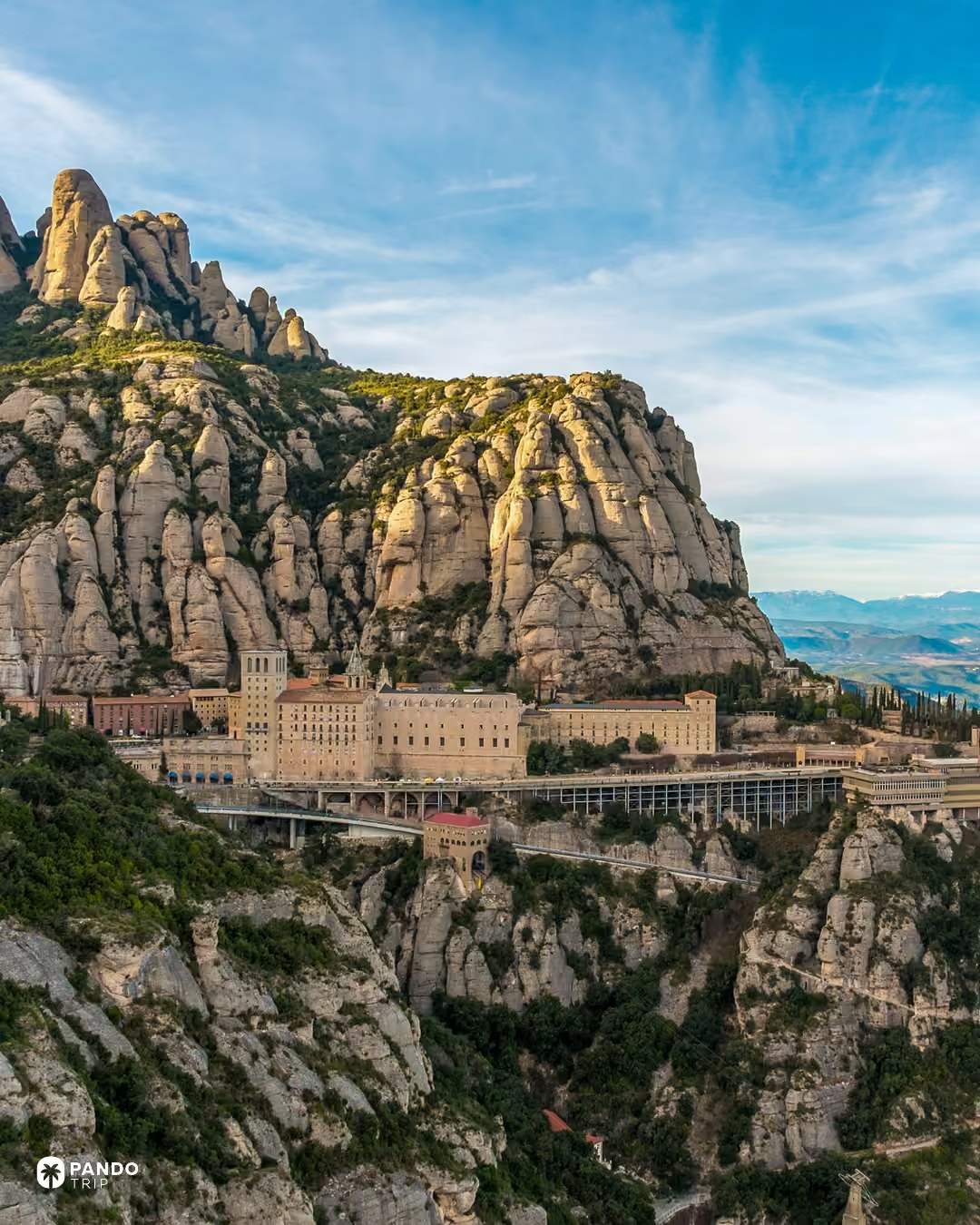
From Barcelona, the classic escape is Montserrat: a monastery wedged into a serrated mountain, with a black Romanesque Virgin and one of the oldest boys’ choirs in Europe. It’s spectacular, but it isn’t quick. The R5 train from Plaça d’Espanya takes about an hour, then a rack railway climbs the last stretch, roughly 90 minutes in all. The all-in Trans Montserrat ticket costs from €50.
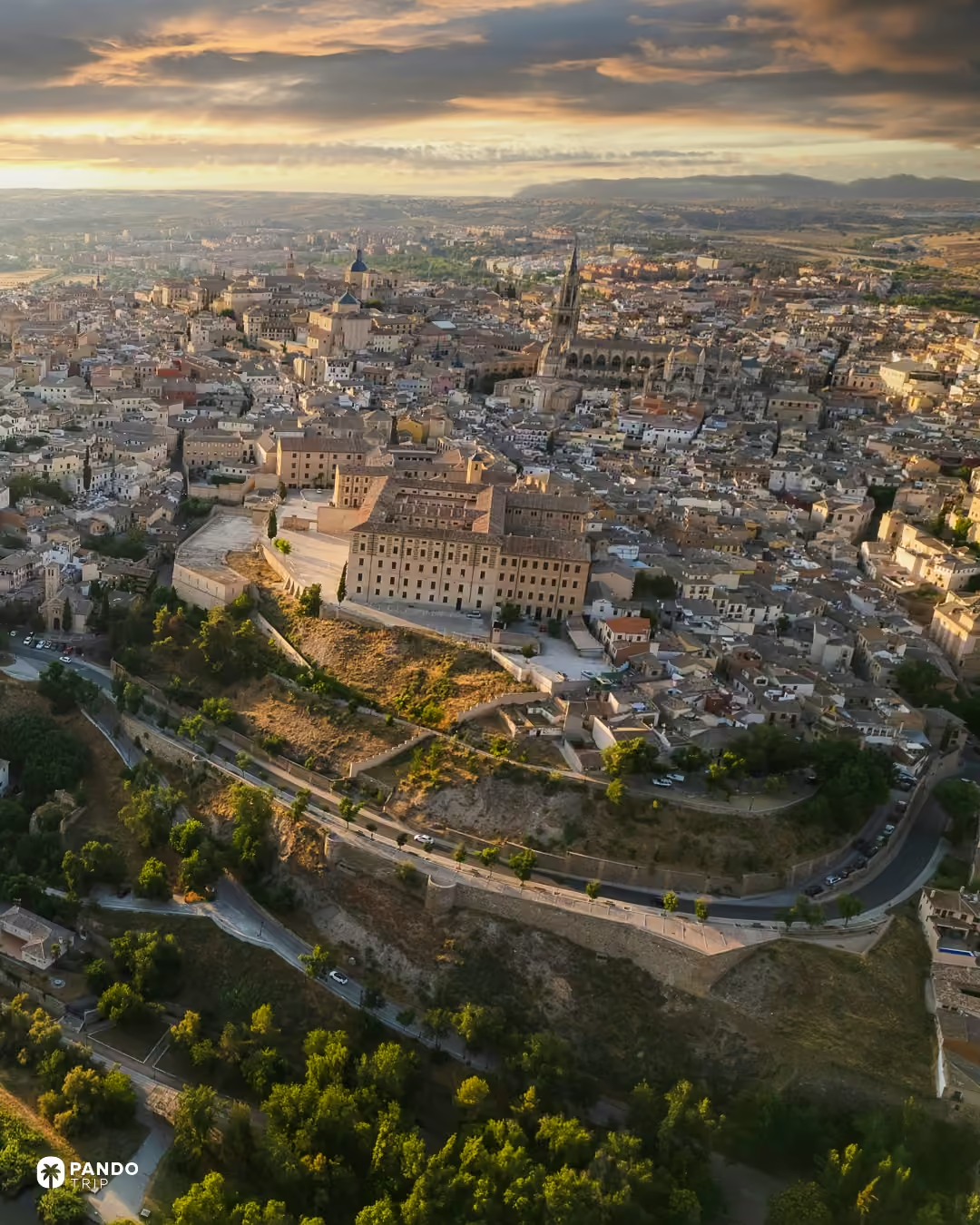
From Madrid, the Avant train to Toledo takes 33 minutes from Atocha and costs around €13–16 each way. From the station it’s a 20-minute walk uphill, or a short bus ride, into a whole UNESCO-listed city: the cathedral, two medieval synagogues, a mosque that became a church, and El Greco’s Burial of the Count of Orgaz in Santo Tomé. Montserrat has the better mountain, but for a first day trip I’d take Toledo every time.
Point: Madrid. Final score: Barcelona 4, Madrid 5.
The scoreboard
| Round | Test | Winner |
|---|---|---|
| 1 | One kilometre, no ticket | Barcelona |
| 2 | The €15 lunch | Madrid |
| 3 | The hot afternoon | Barcelona |
| 4 | Sunset for €0 | Madrid |
| 5 | The football weekend | Madrid |
| 6 | The bill | Madrid |
| 7 | The night test | Barcelona |
| 8 | The worst month | Barcelona |
| 9 | The day trip by train | Madrid |
| Final | Madrid 5 | Barcelona 4 |
Points vs the judge
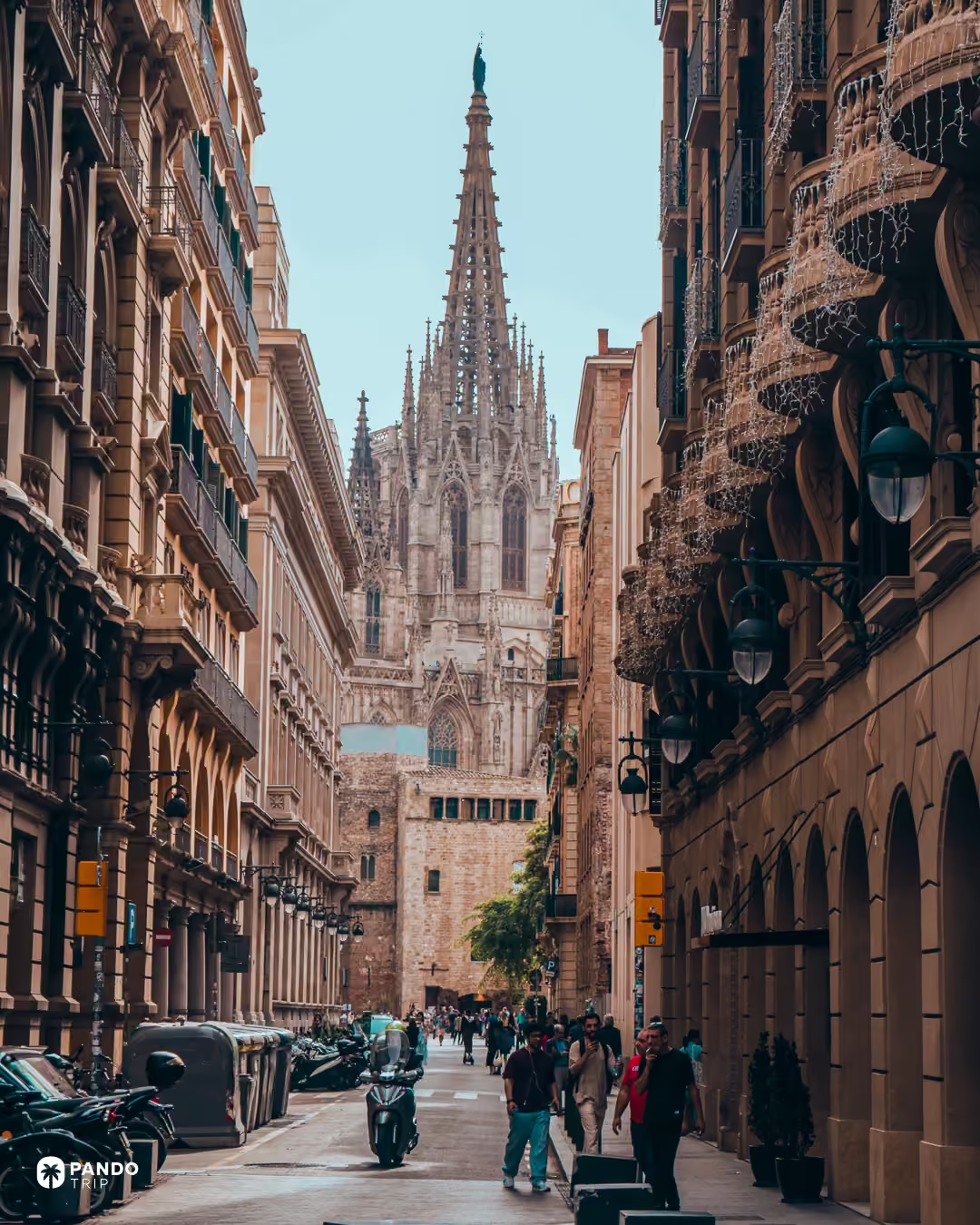
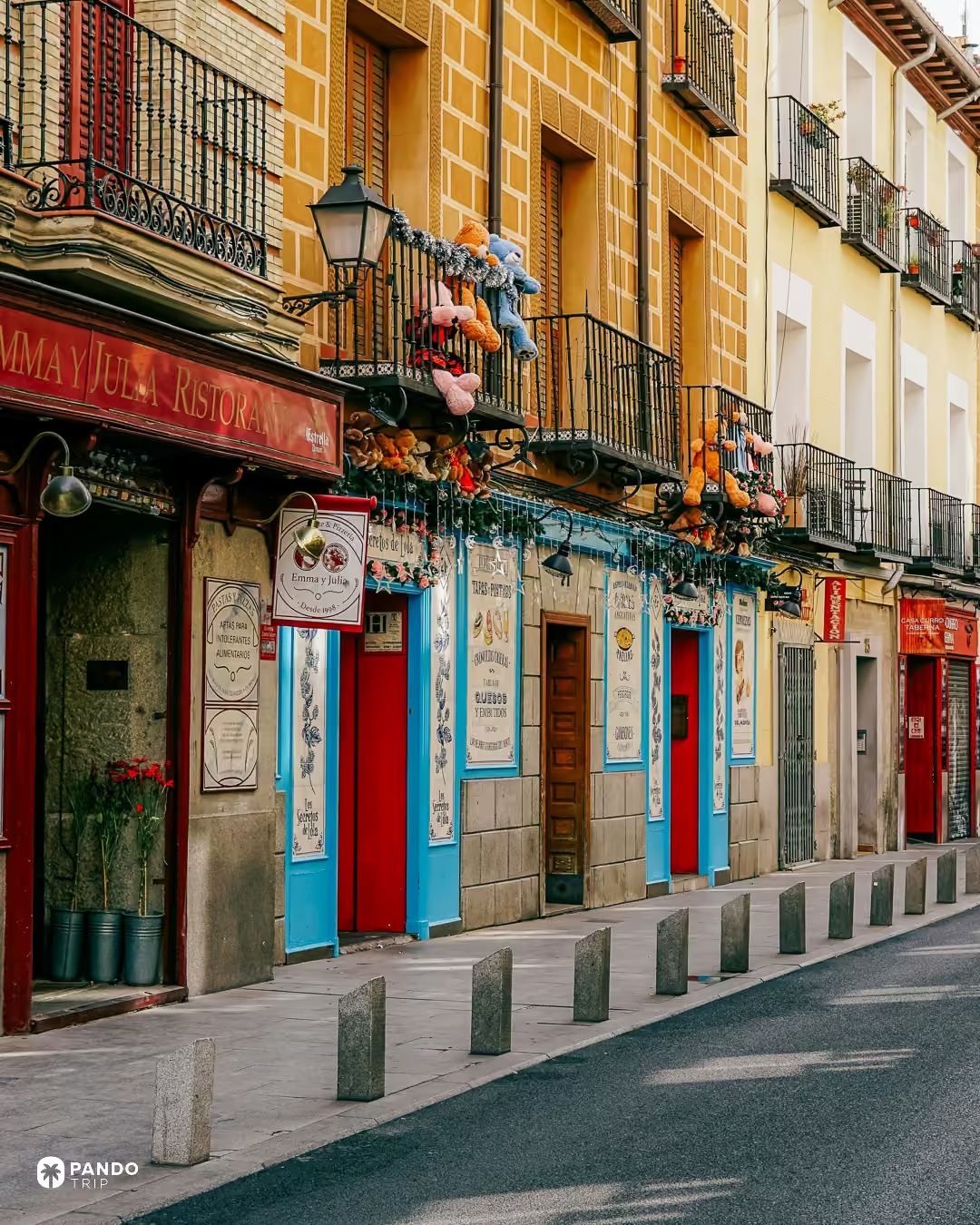
Madrid takes it on points, and deserves to. It’s cheaper to sleep and eat in, better for football this season, better for a free sunset and quicker to escape from. But look at what kind of rounds it won: price, access, timetables. They are tests of value and logistics. Two of Barcelona’s four wins are things no amount of value can buy: a street of Gaudí facades and a warm sea at the end of a metro line.
So the judge’s card reads differently from the scoreboard.
If it’s your first time in Spain and you want the postcard, go to Barcelona. Nowhere else gives you Gaudí and the Mediterranean in the same afternoon.
If you’re travelling between November and January, look at Barcelona again: last winter its hotels were cheaper than Madrid’s even after the tax.
For almost everyone else, whether you’re a football fan, on a budget or squeezing in a long weekend, trust the scoreboard and go to Madrid.
And if you can, do both. The high-speed train covers the distance in about two and a half hours, and the rest of the country deserves a detour too: these are the Spanish destinations we’d add next.
Madrid wins 5–4 on points. But if this is your first trip to Spain, the judge sends you to Barcelona.