
One of these is two-thirds in another country’s hands. Another you may look at, but no longer swim in.
Nobody stumbles onto a Himalayan lake. The Alps will hand you a reflection if you set an alarm and beat the coaches — we’ve timed that one — but here the water is defended by permits, passes that open in May and shut in October, flights that don’t come, and altitudes where a short walk feels like a long one. So we picked these purely on looks and let the difficulty fall where it fell: some you can drive to before lunch, some cost a week of walking, and three you cannot legally reach without a licensed guide. Three aren’t strictly Himalayan either — Pangong and Namtso sit out on the Trans-Himalayan plateau, Attabad in the Karakoram next door — and they stayed in because the brief was beauty, not geology.
Pangong Tso
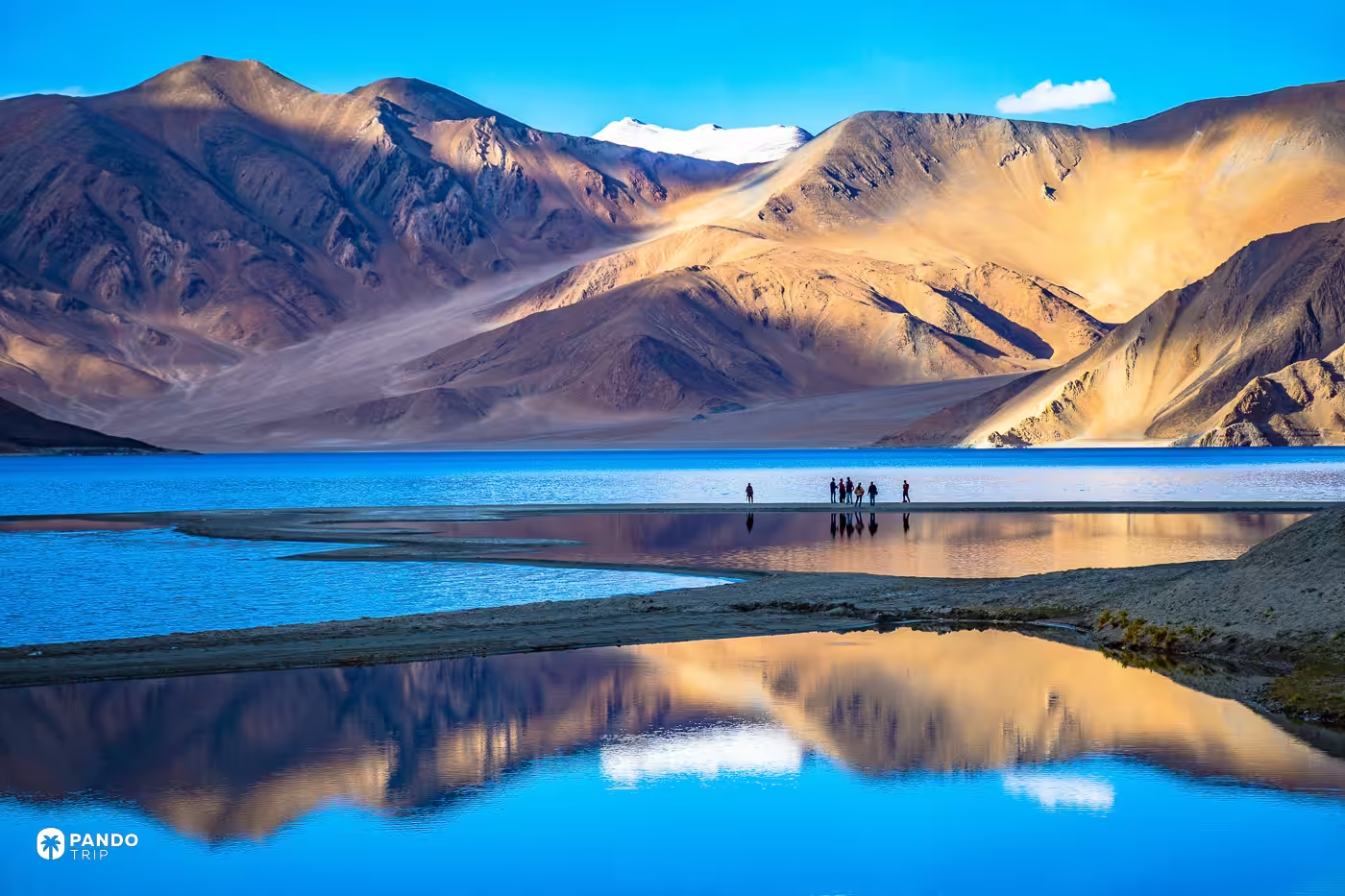
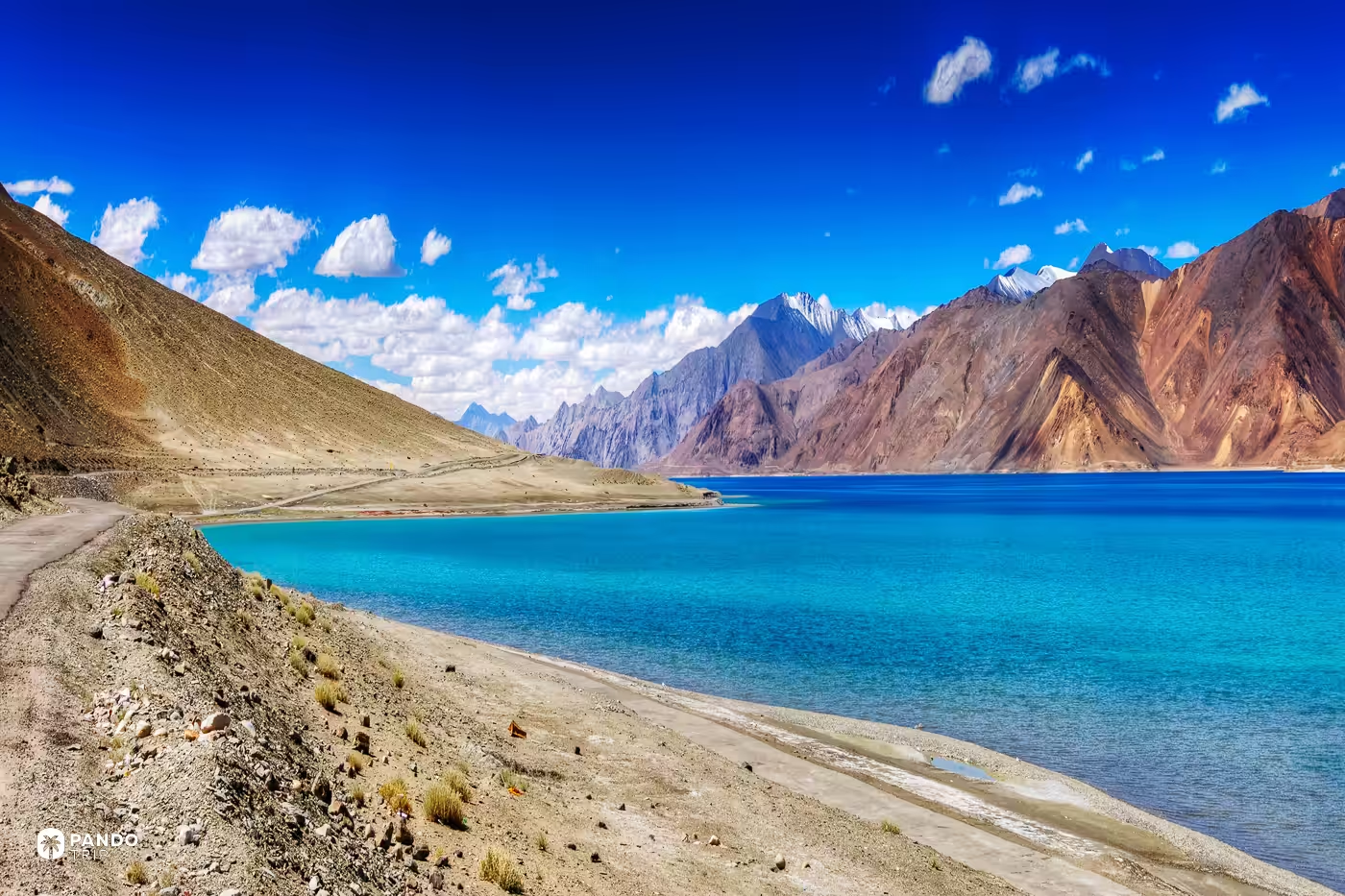
Two-thirds of this lake is not India’s. It runs 134 kilometres east from Ladakh, and only about 45 of them lie on the Indian side of the Line of Actual Control; the rest is Chinese-administered water, and the disputed shoreline between is mapped in blunt military shorthand as eight numbered “Fingers” — mountain spurs, counted off, with India claiming through Finger 8 and Chinese patrols long pushing to around Finger 4. None of that is visible from the beach at Spangmik, where the famous Bollywood postcard was shot and where the water spends the day changing character: ink at breakfast, hard cyan by noon, pale over the sand shallows by evening. Sun angle does that, not season. Sleep at Pangong Delight Camps, twelve tents on the shore with a fire outside, and expect the night to drop below freezing even in July.
Gokyo Lakes
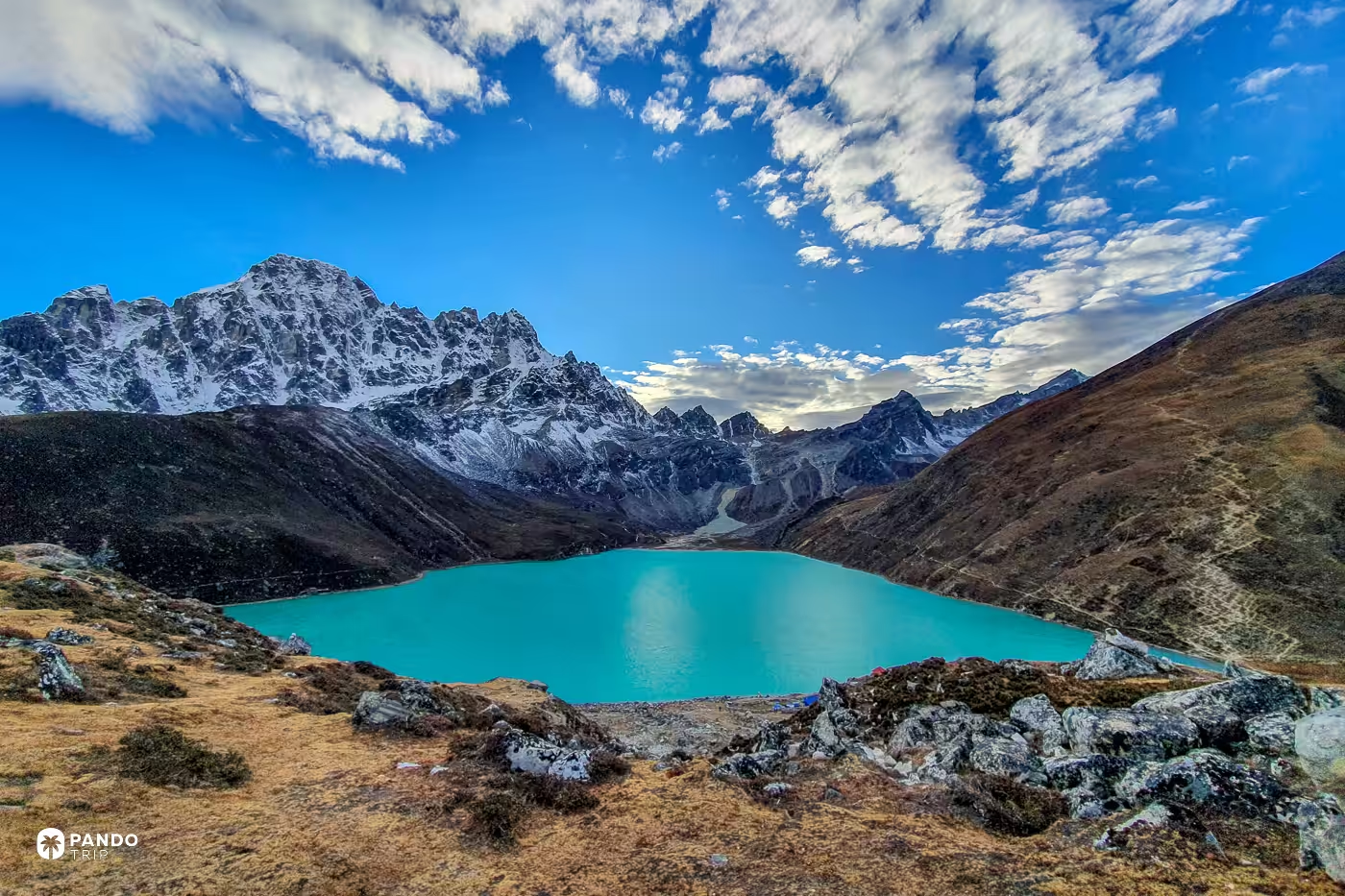
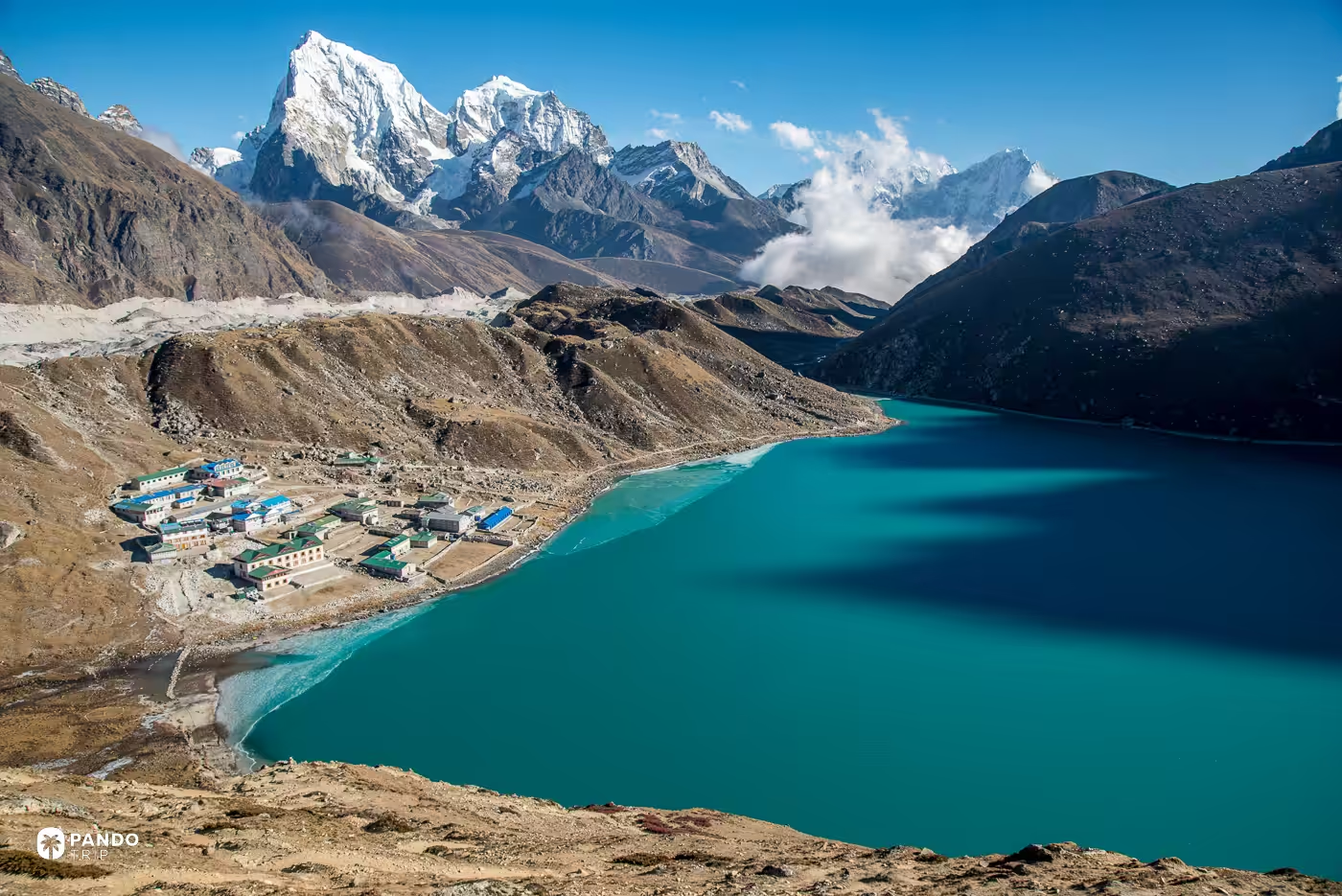
You climb the better part of a day alongside the ugliest thing in the Everest region — the Ngozumpa Glacier, 36 kilometres of Nepal’s longest ice, buried under so much grey rubble it looks like roadworks — and then the trail lifts and there it is in the hollow beside it: meltwater green, six lakes of it strung up the valley between 4,700 and 5,000 metres. The red-roofed Thanka Inn sits right on the water, and its owner keeps an art gallery running at 4,750 metres. Climb the ridge behind it at first light and you get the pair in one frame: the ice grey and wrecked, the water clean, a few hundred metres apart.
Attabad Lake
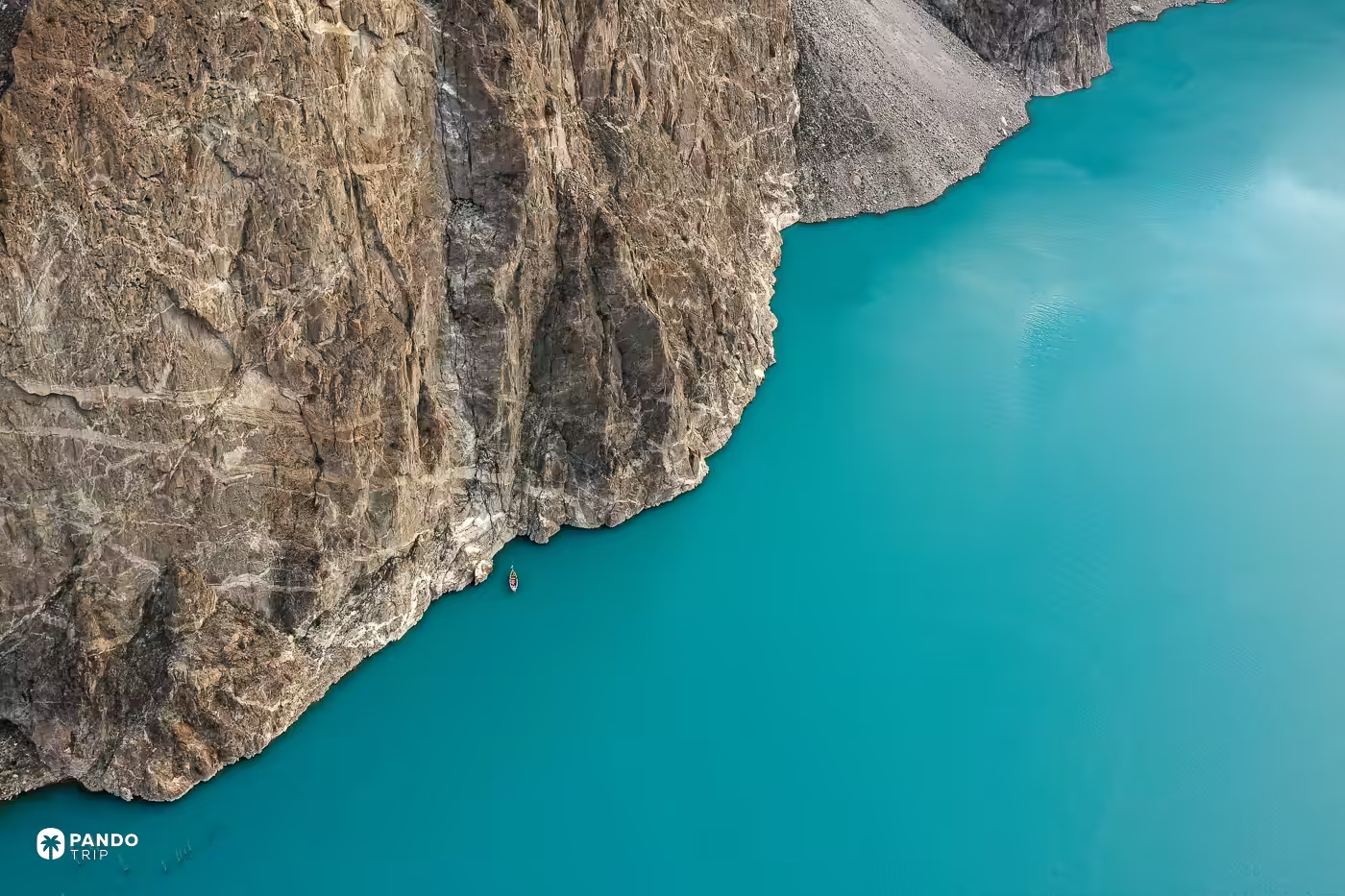
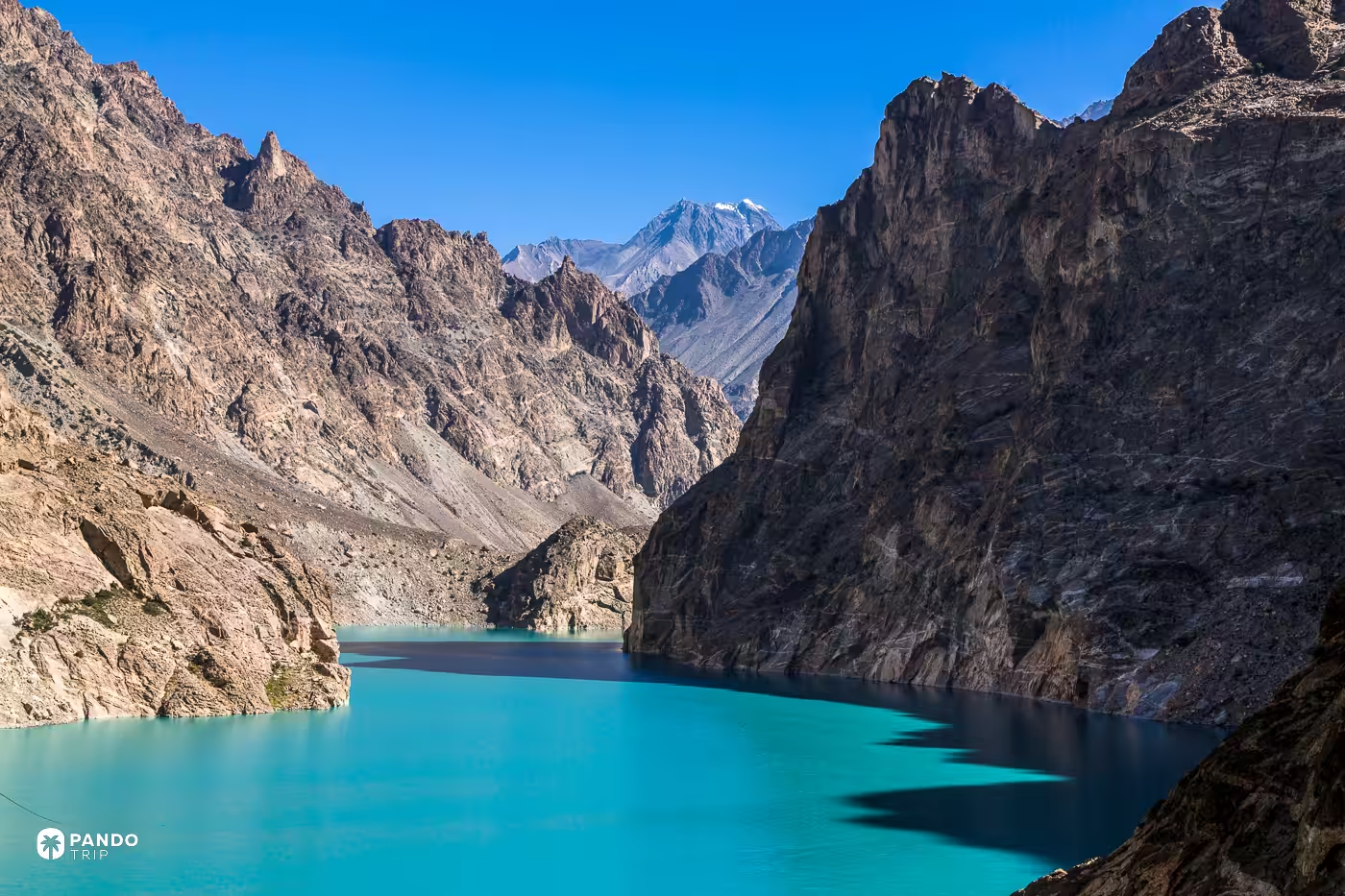
Blue like copper sulphate in a school chemistry jar on a clear day, grey and ordinary within minutes of cloud arriving. In January 2010 the hillside above Attabad village slid into the Hunza River and dammed it. The water rose for five months, and when it stopped, more than 19 kilometres of the Karakoram Highway lay underneath. Traffic runs through tunnels cut high along the valley wall now, and in summer jet-skis carve over the drowned road, between rock walls with nothing growing on them at all. Book the shore-side Luxus Hunza; its terrace takes in the whole trough.
Tilicho Lake
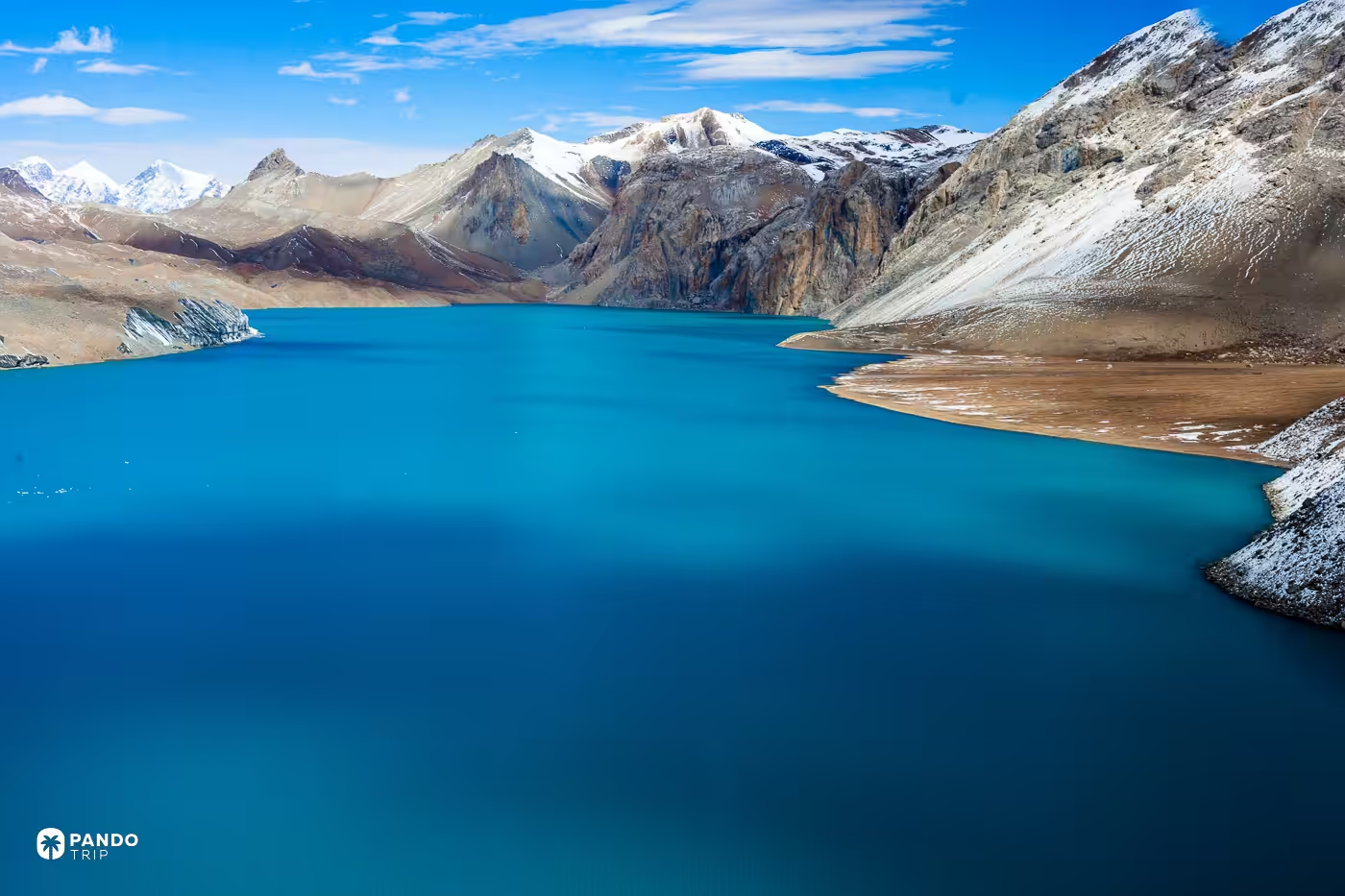
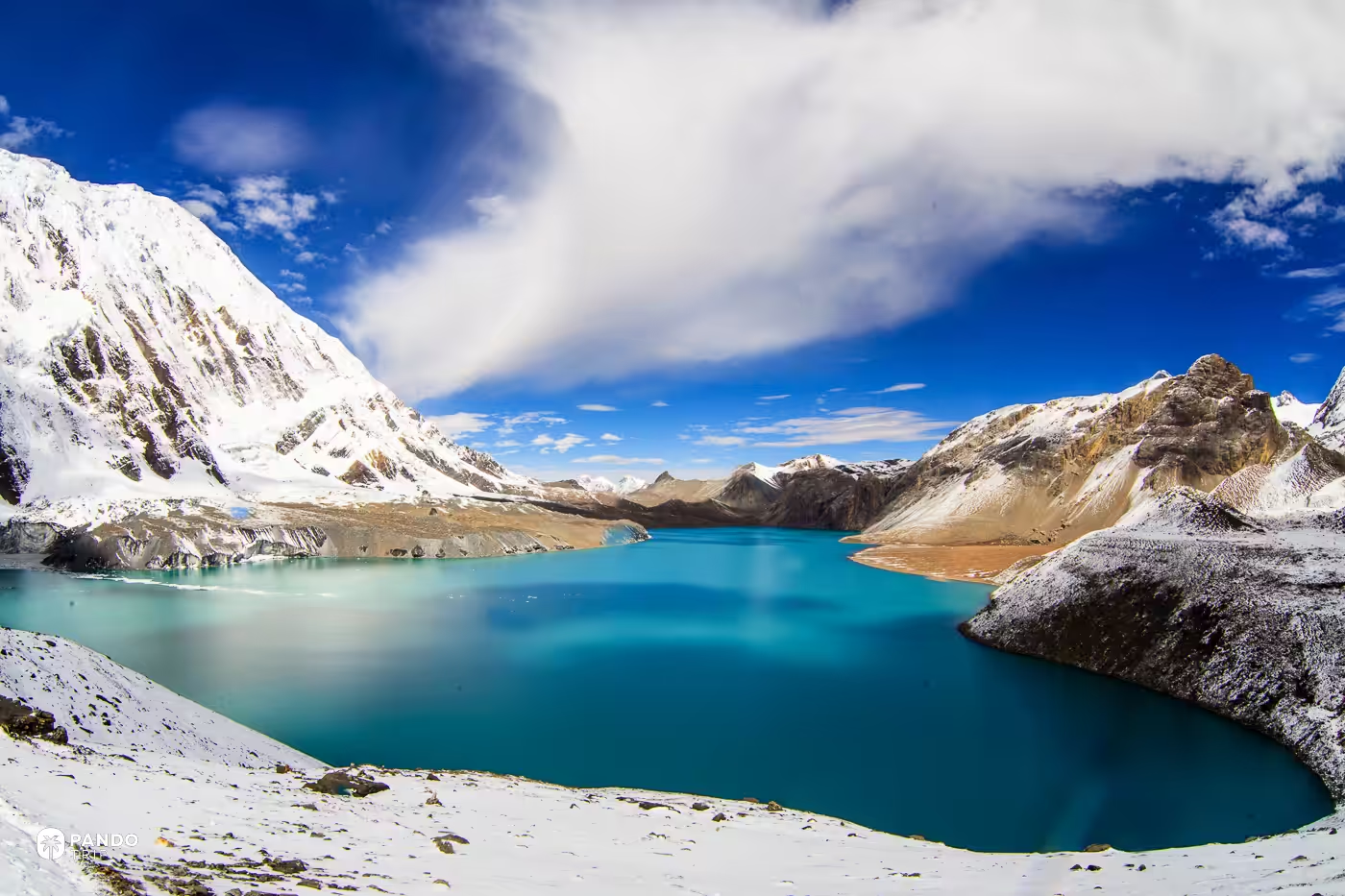
The trekking companies, the trail signs and roughly half the internet will tell you this is the highest lake in the world. It isn’t. Snopes has taken the claim apart, and Tilicho isn’t even the highest lake in its own Nepali district — Kajin Sara, found by climbers in 2019, sits higher by a margin nobody has properly surveyed, somewhere between one and three hundred metres depending on whose reading you take. The Himalayan Times has asked in print that somebody either prove the record or stop printing it. What Tilicho actually is: a pane of flat water almost four kilometres long, 4,919 metres up, held in a bowl of bare scree averaging 85 metres of cold underneath it and no vegetation, no village and no boat anywhere on it. A better thing to be than a record.
Namtso
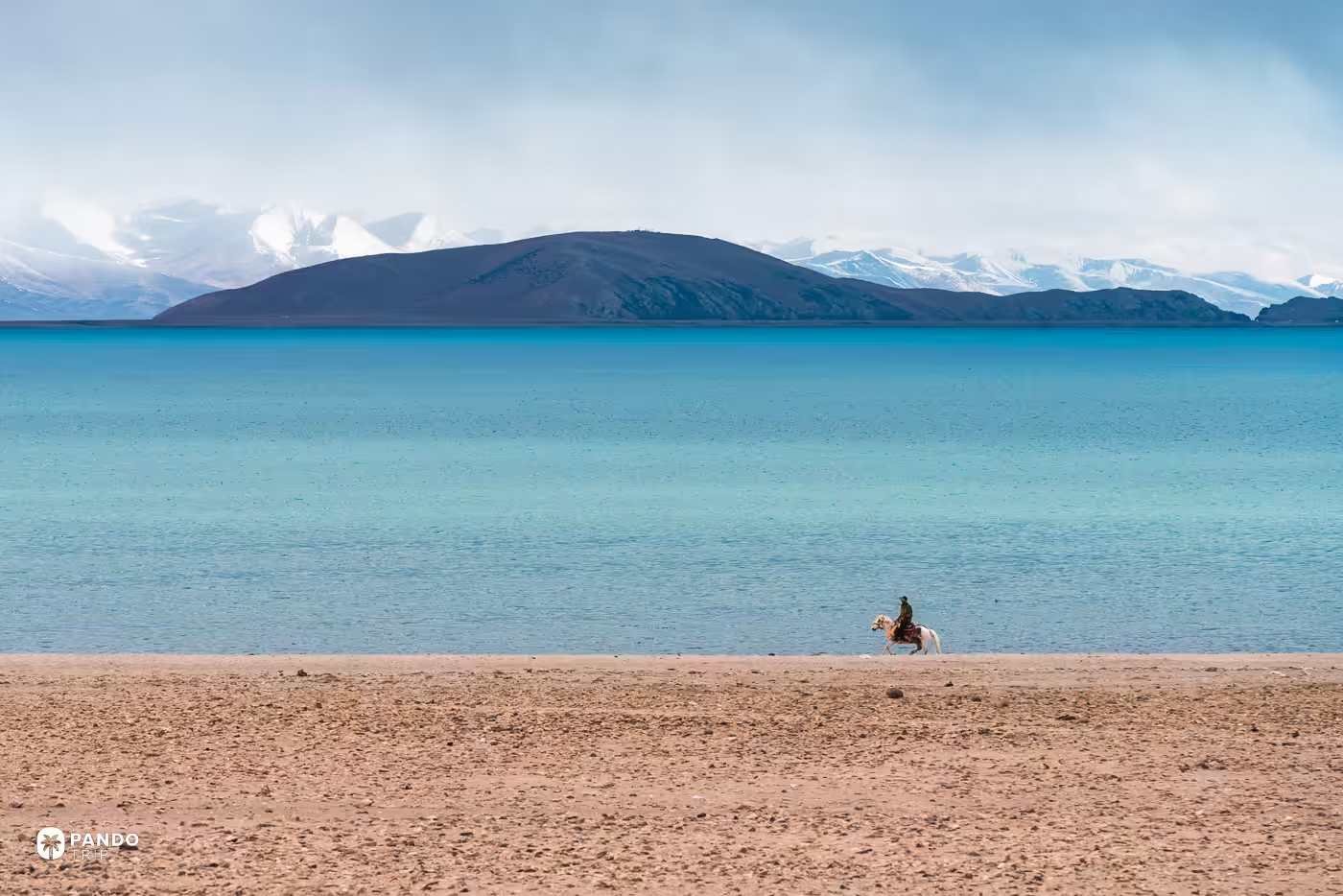
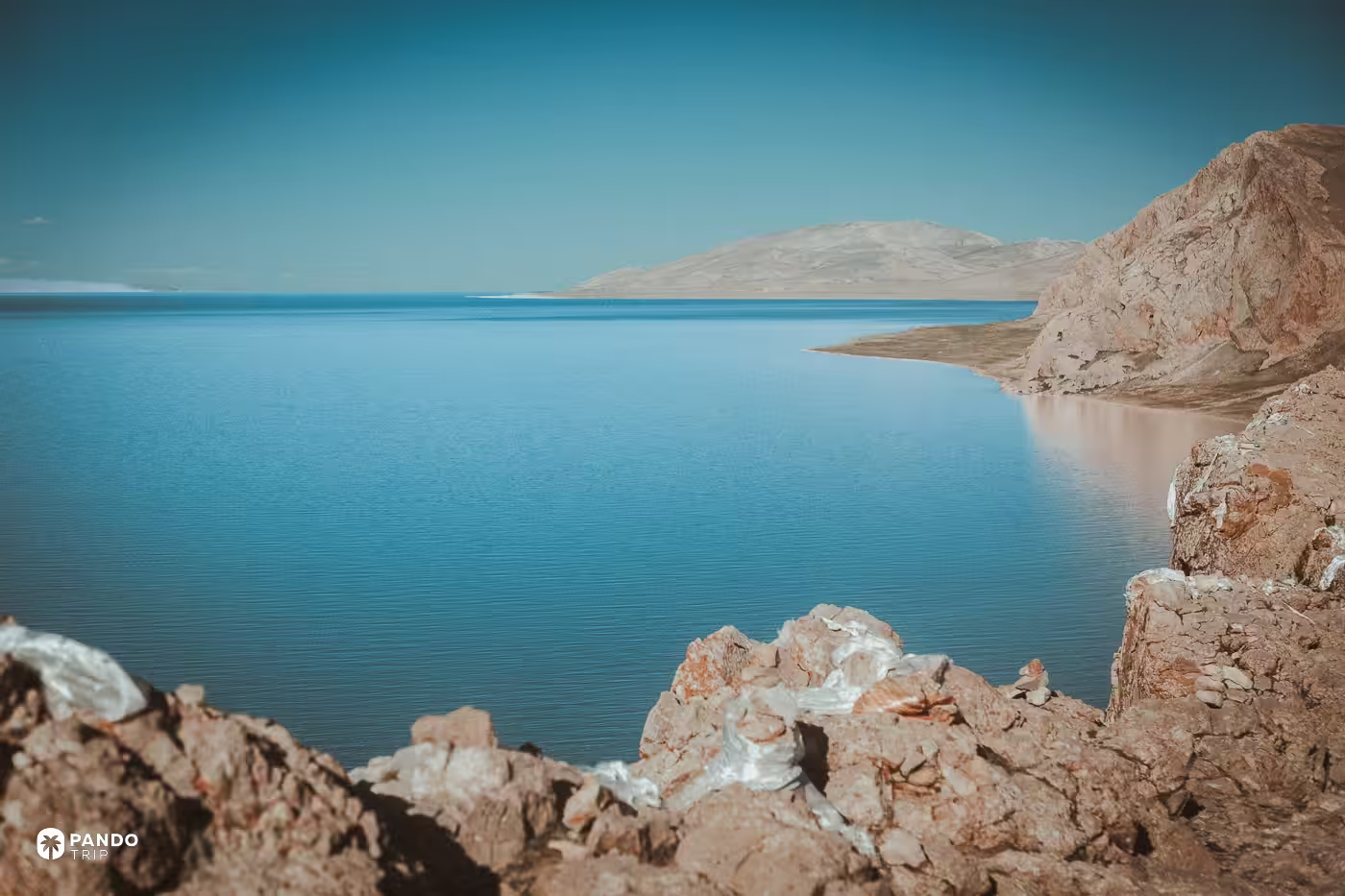
Big enough to have its own weather. Namtso covers something like 1,920 square kilometres — the largest lake in Tibet, and the highest saltwater lake in the world once you restrict the field to lakes above a thousand square kilometres, which is the qualifier the tourist boards tend to drop. Pilgrims walk the shoreline as an act of merit; the circuit takes a fit person a week and an unhurried one closer to a month. Late in the day the water goes the blue of a gas flame under the snow wall of the Nyenchen Tanglha. Permanent building beside it is banned, so the only way to be there for that hour is a shared bed in one of the tent guesthouses on the Tashi peninsula — up from April to late October, packed away for the rest of the year.
Phoksundo Lake
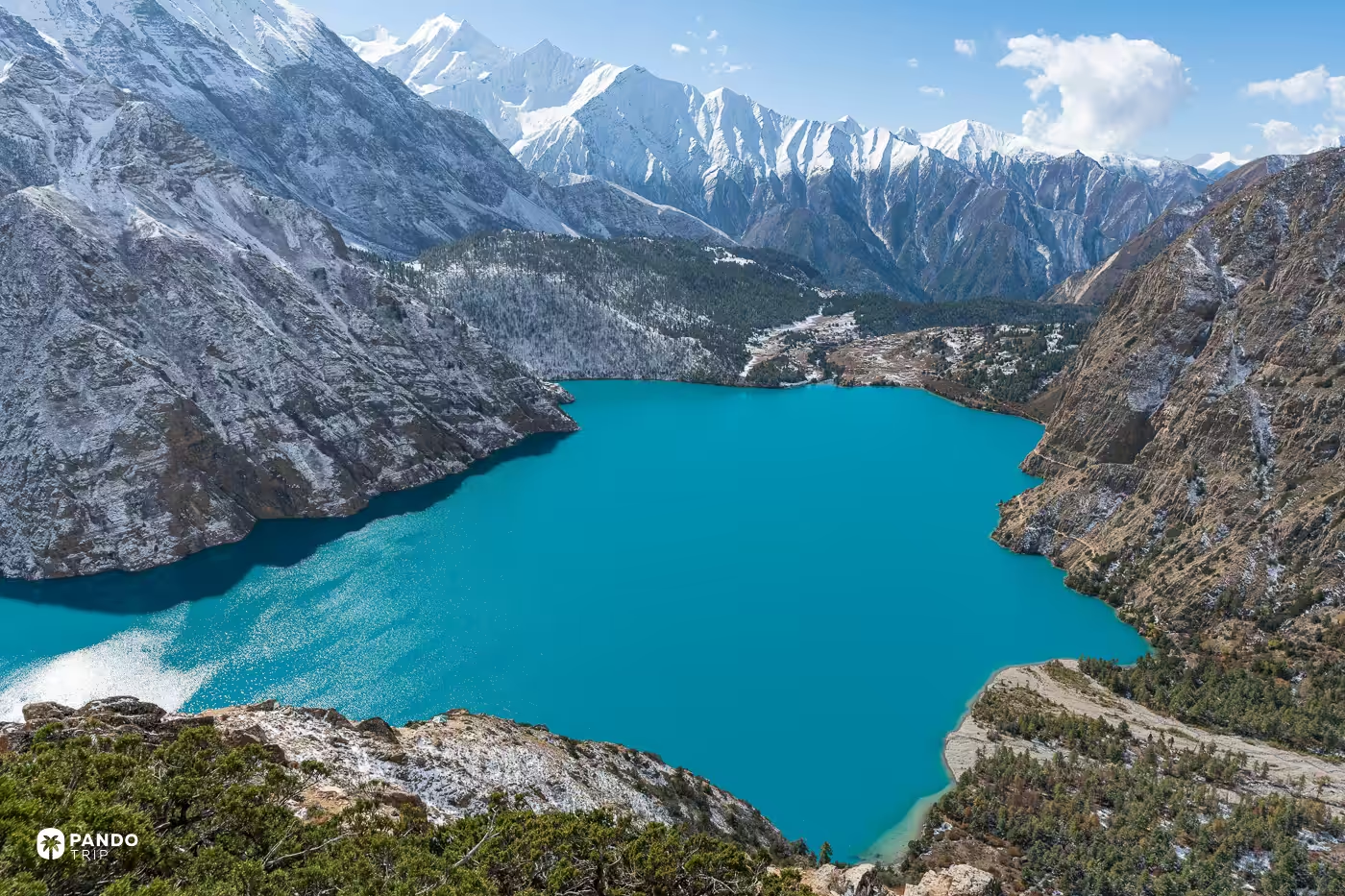
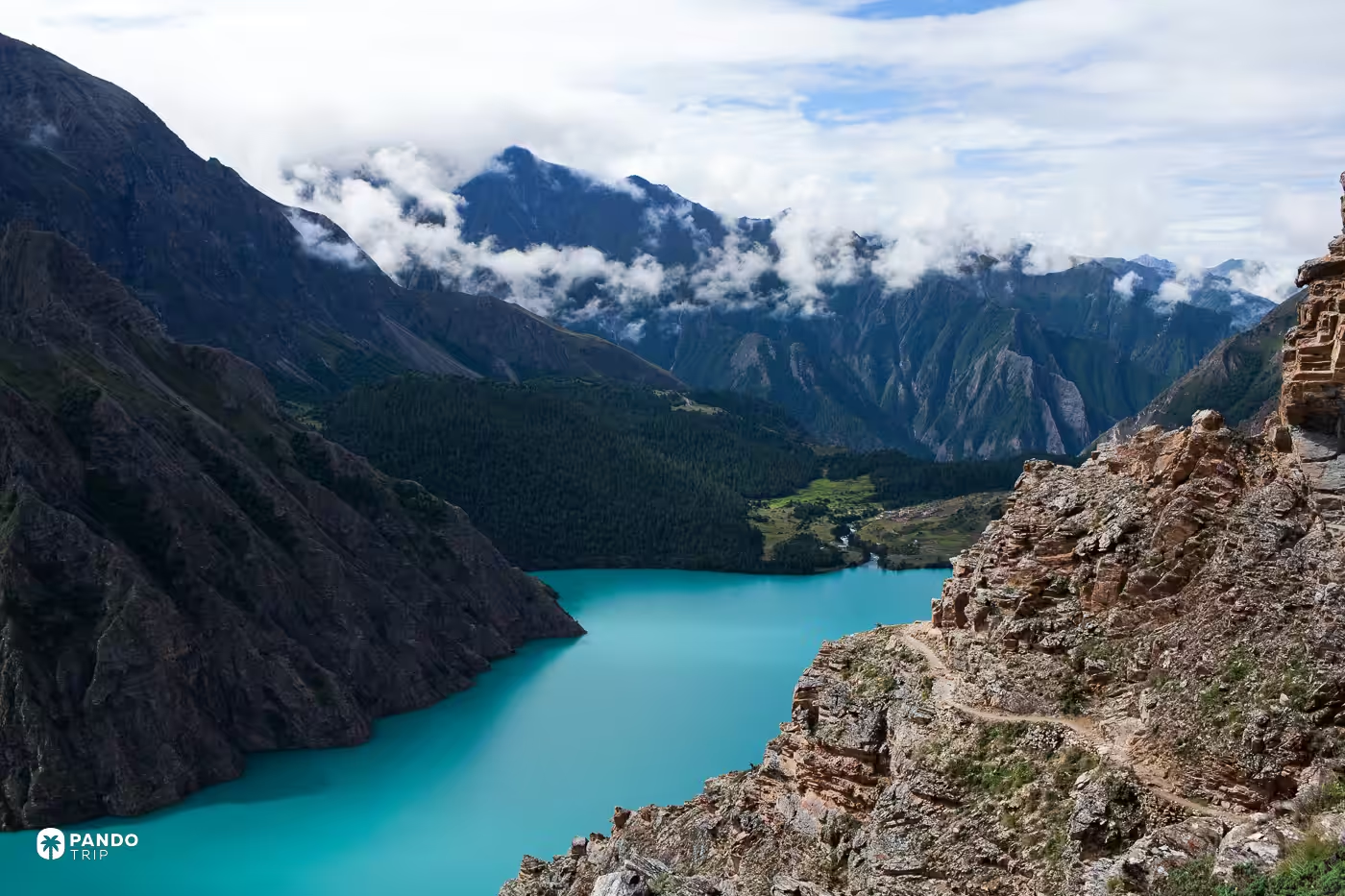
The stone houses of Ringmo stand on the rubble that made the lake: a landslide dam thrown across the valley 30,000 to 40,000 years ago, long before anyone here had thought of farming. Behind it sits the one honest turquoise in this article, a mineral colour closer to a gemstone than to water; in front, the overflow drops 167 metres off the edge of the dam. The government’s 2019 survey put it 136 metres down. Nothing here takes a booking. Ringmo calls a couple of its buildings hotels, but no platform lists them, so you sleep in a family’s spare room and eat what the family eats: dal bhat, bitter buckwheat roti, a table nobody reserved.
Tso Moriri
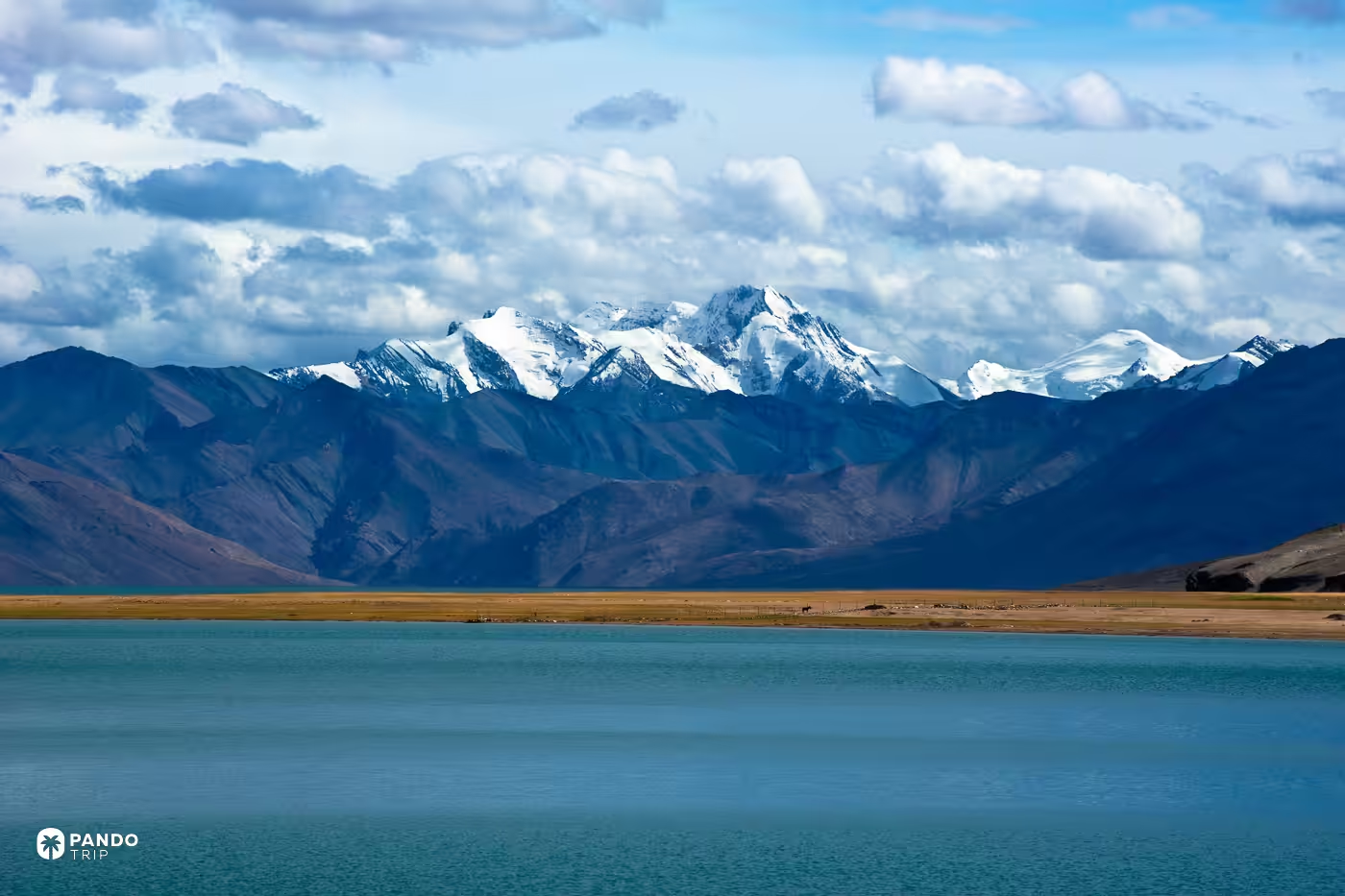
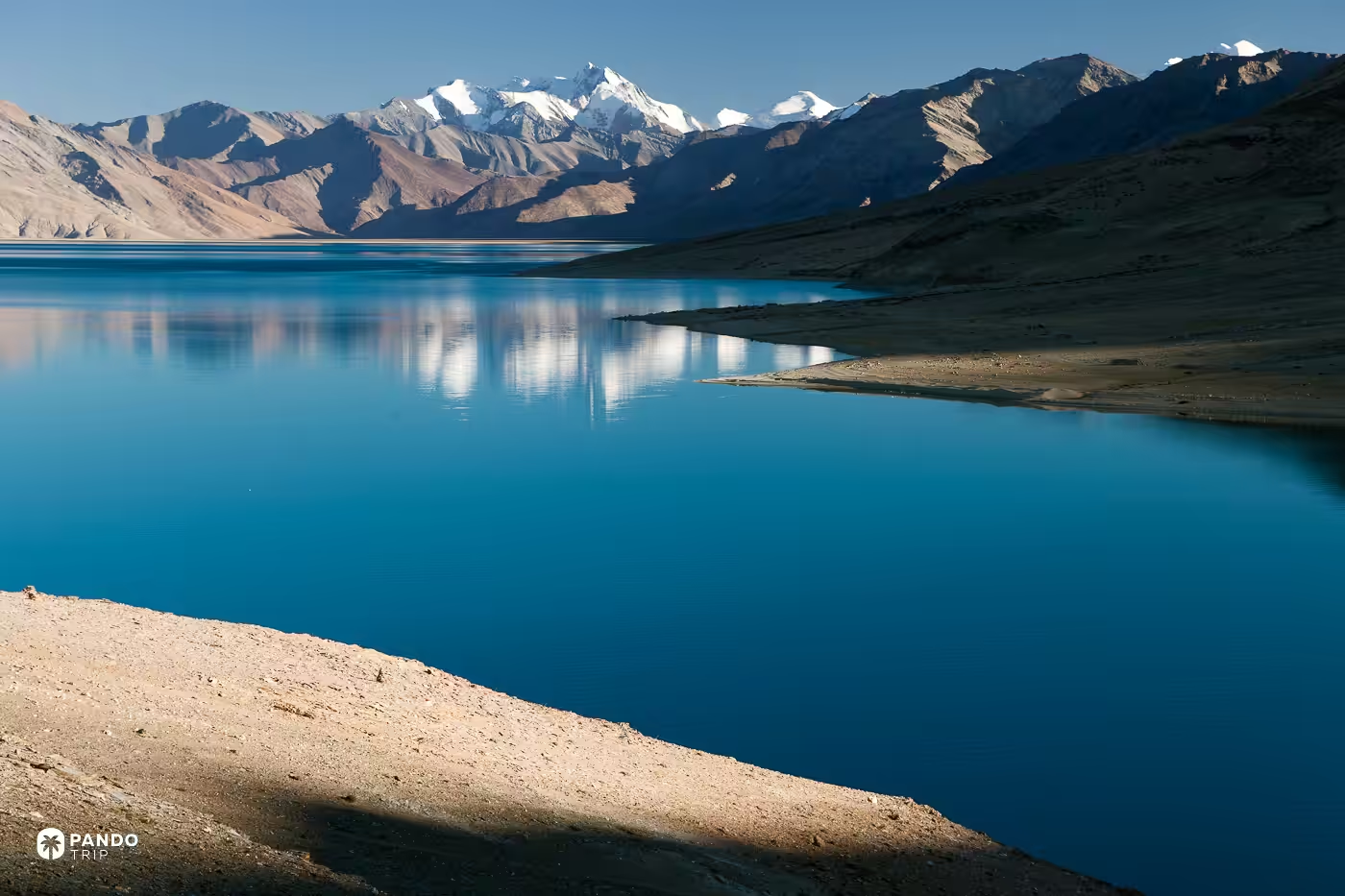
Pangong gets the visitors; Tso Moriri gets the birds. Six to eight hours south of Leh, deep in the Changthang, it is the only place in India where bar-headed geese breed — the birds that cross the Himalaya at altitudes where helicopters struggle — and black-necked cranes nest in the shallows above 4,400 metres. That wildlife has a consequence you can feel: nobody may camp on the shoreline, because the shoreline is the nursery. So Korzok village keeps its distance from 26 kilometres of sapphire, Changpa herders bring pashmina goats down to the margins in the warm months, and you take a room at the Tsomoriri Hotel Lake View and walk the last stretch like everyone else. If you have room for one Ladakhi lake, take this one over the film location.
Vishansar
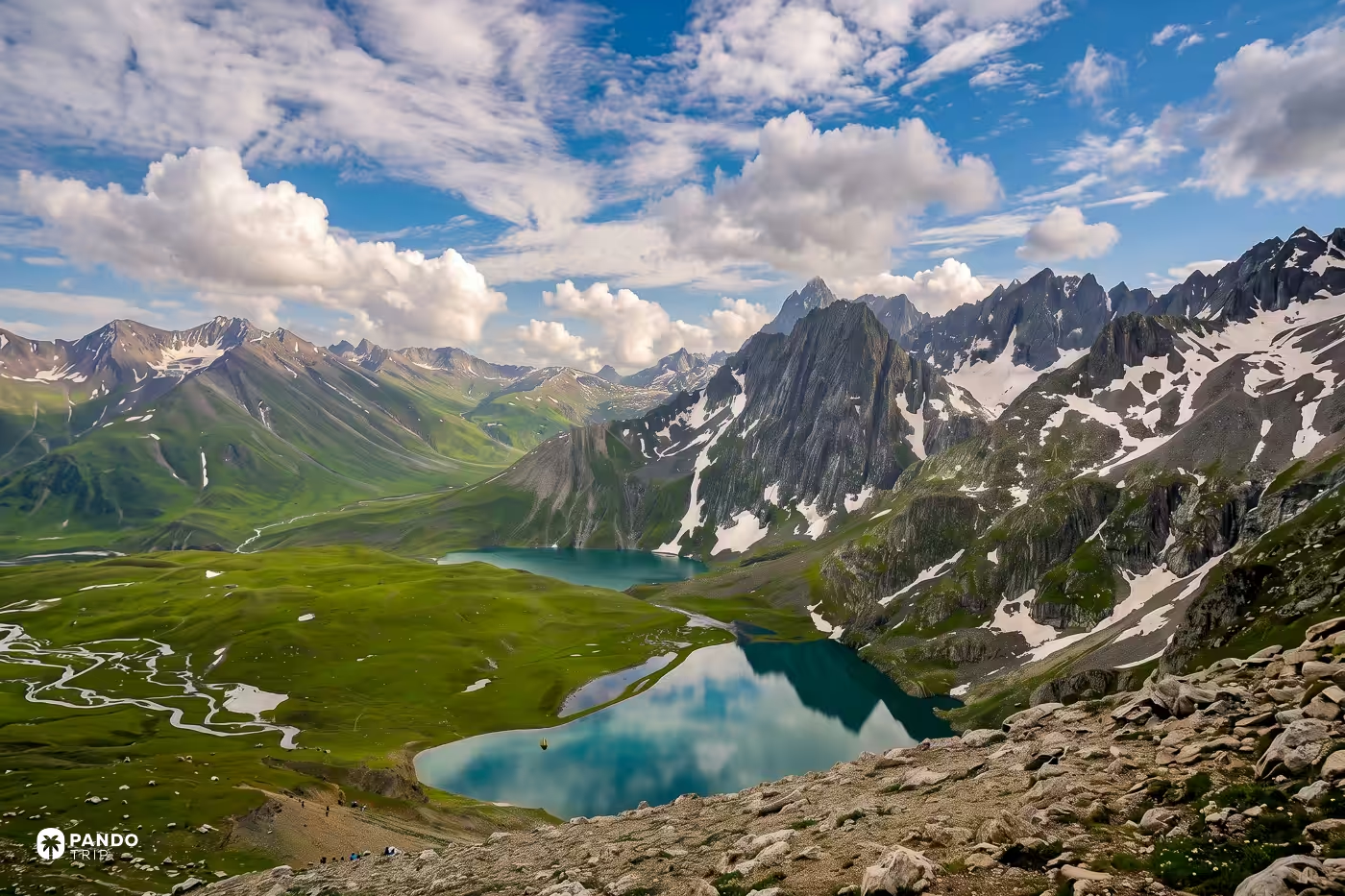
You walk two days to see this one. The Kashmir Great Lakes route climbs out of Sonamarg on paths the Gujjar shepherds have used for generations — their stone-and-turf huts are still the only buildings up there, and the sheep still have right of way — and Vishansar arrives at 3,710 metres with its twin, Krishansar, sitting just above it. From the ridge between them both lie in one frame, slate-coloured, holding the peaks upside down. Take a room at the Radisson Sonamarg the night before, and don’t pack assuming you’ll leave: trekking permits across Jammu and Kashmir were pulled after the April 2025 attack at Pahalgam, and while fourteen tourist sites reopened in February 2026, operators were still waiting on trek clearance through mid-2026. Confirm yours has come through before you book the flight.
Rara Lake
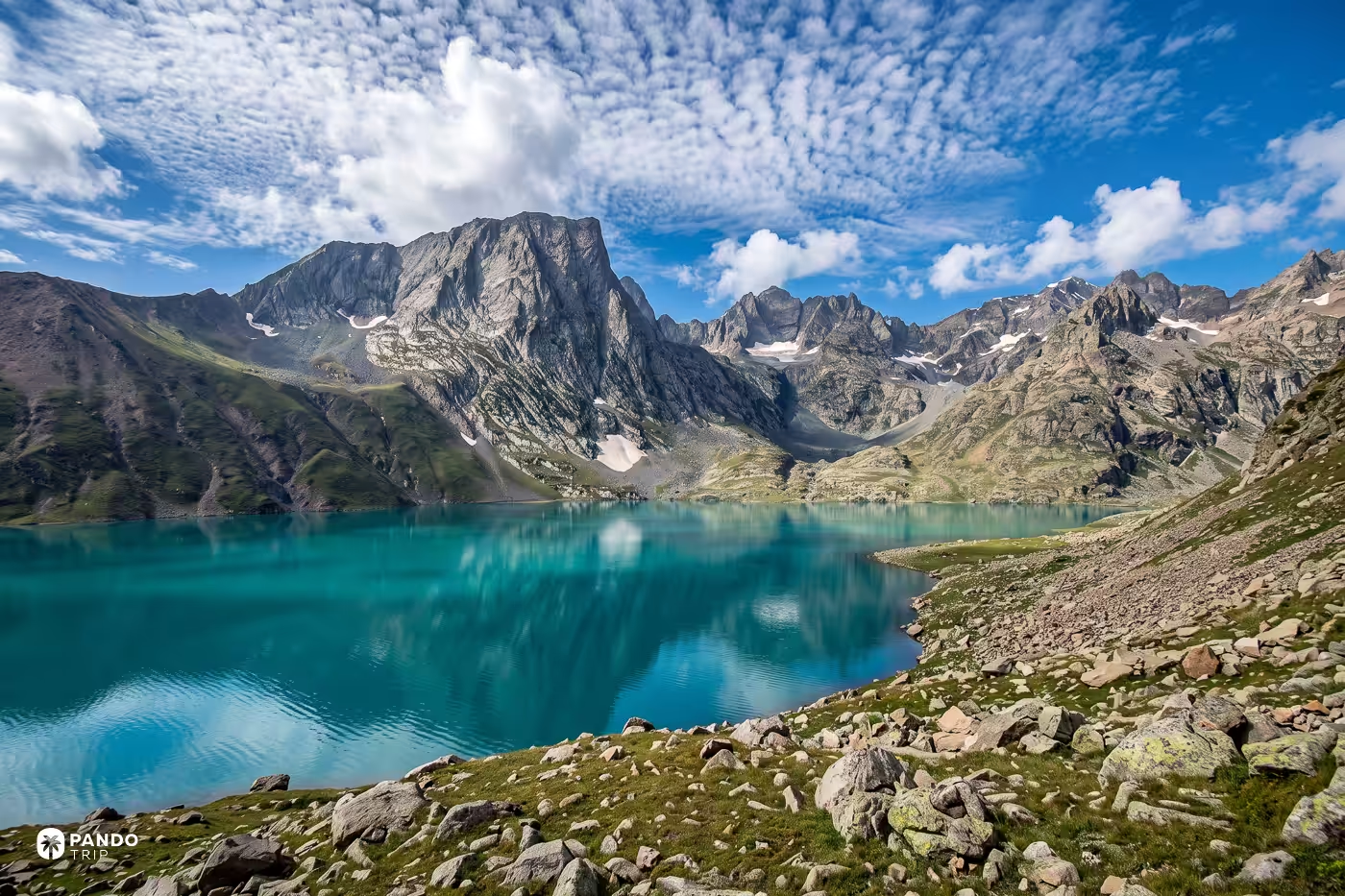
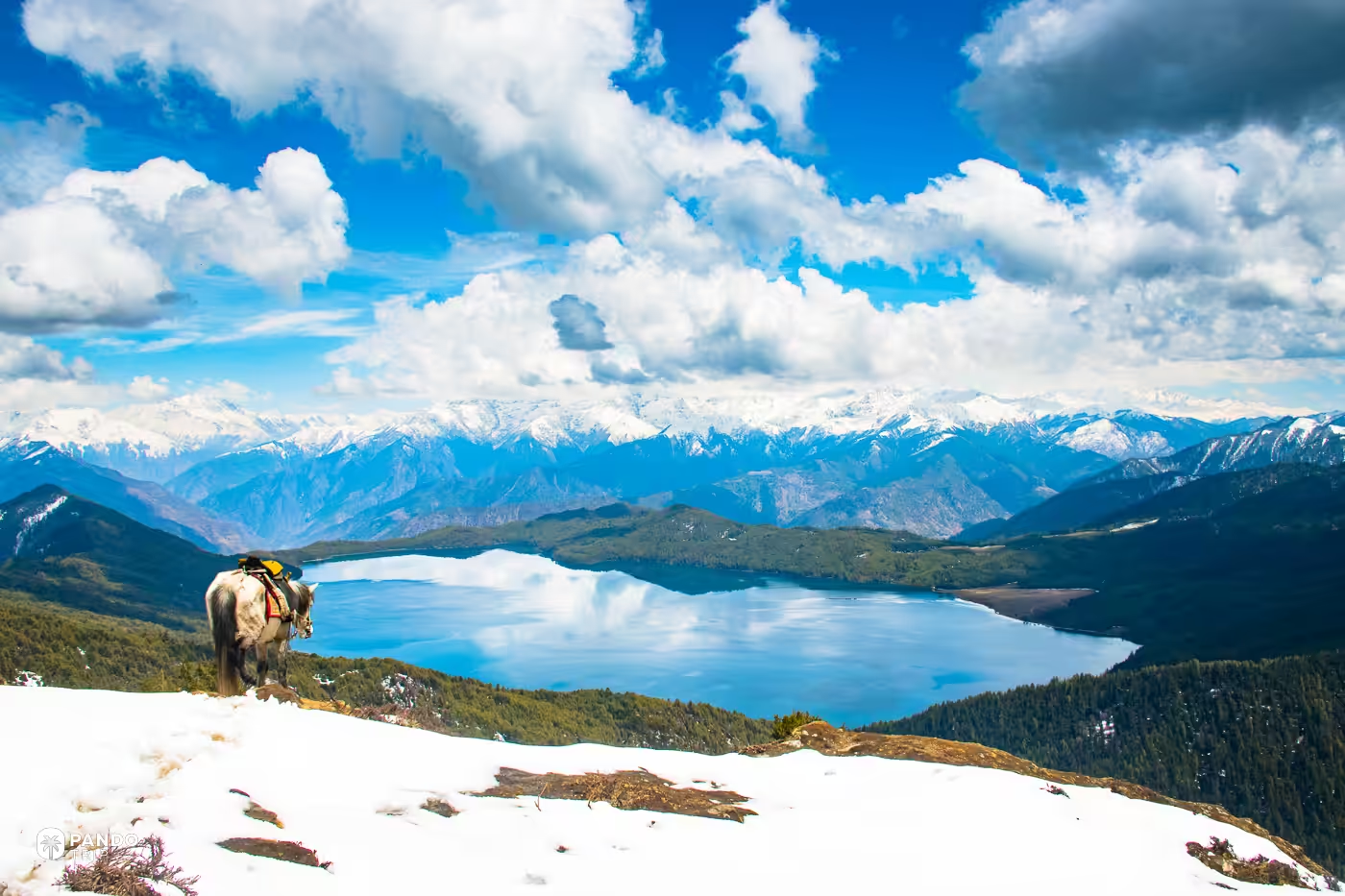
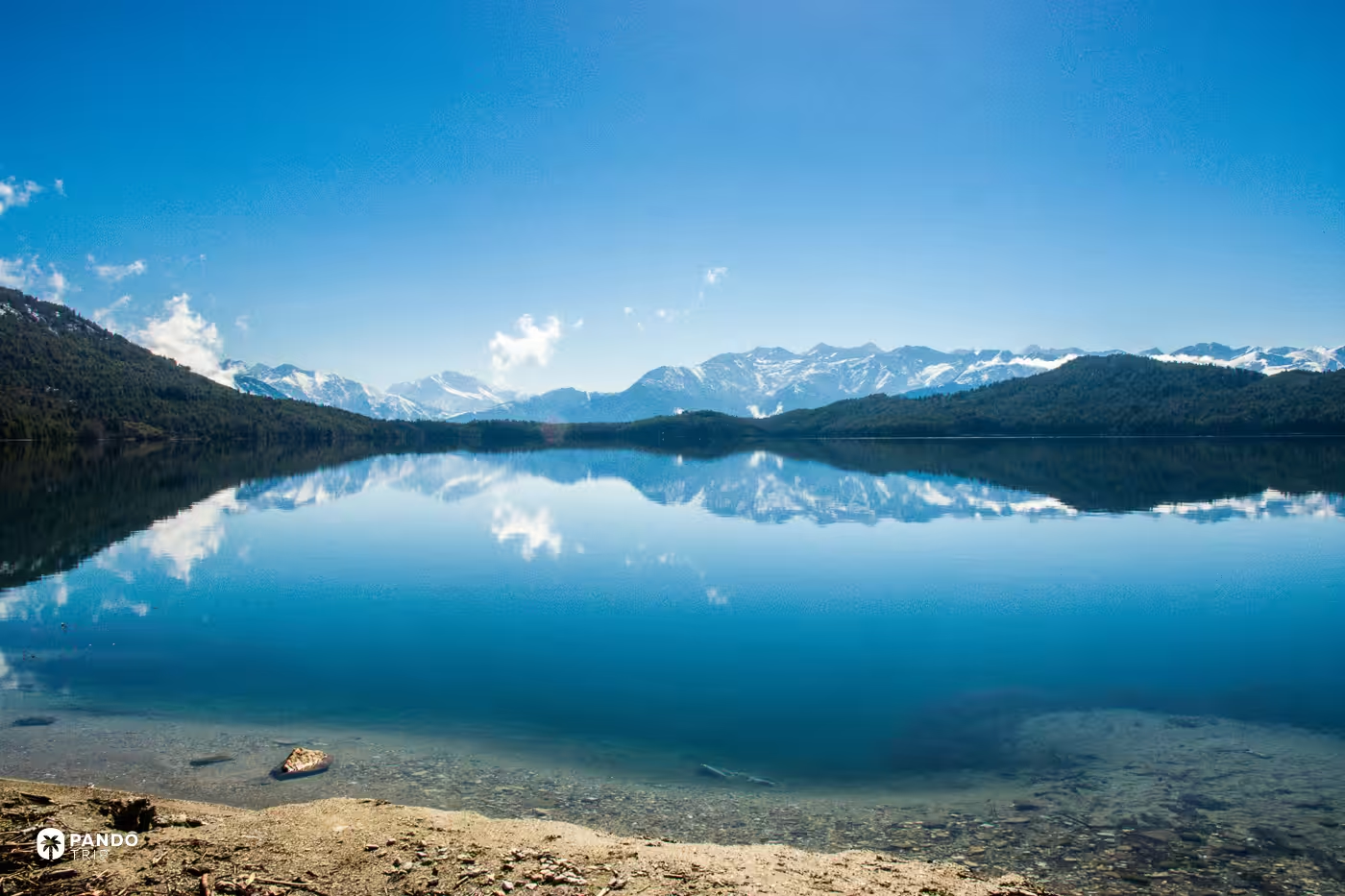
The trees are the surprise. Nearly every lake here sits above the tree line in bare rock; Rara, the largest in Nepal at 10.8 square kilometres, is ringed by pine at a comfortable 2,990 metres, and it changes colour four or five times a day as the shadows of the peaks move over it. No vehicles are allowed in — you walk the last half-hour or so, or ride a horse. The Rara Shangri-La Resort is essentially the entire hospitality industry.
Gurudongmar Lake
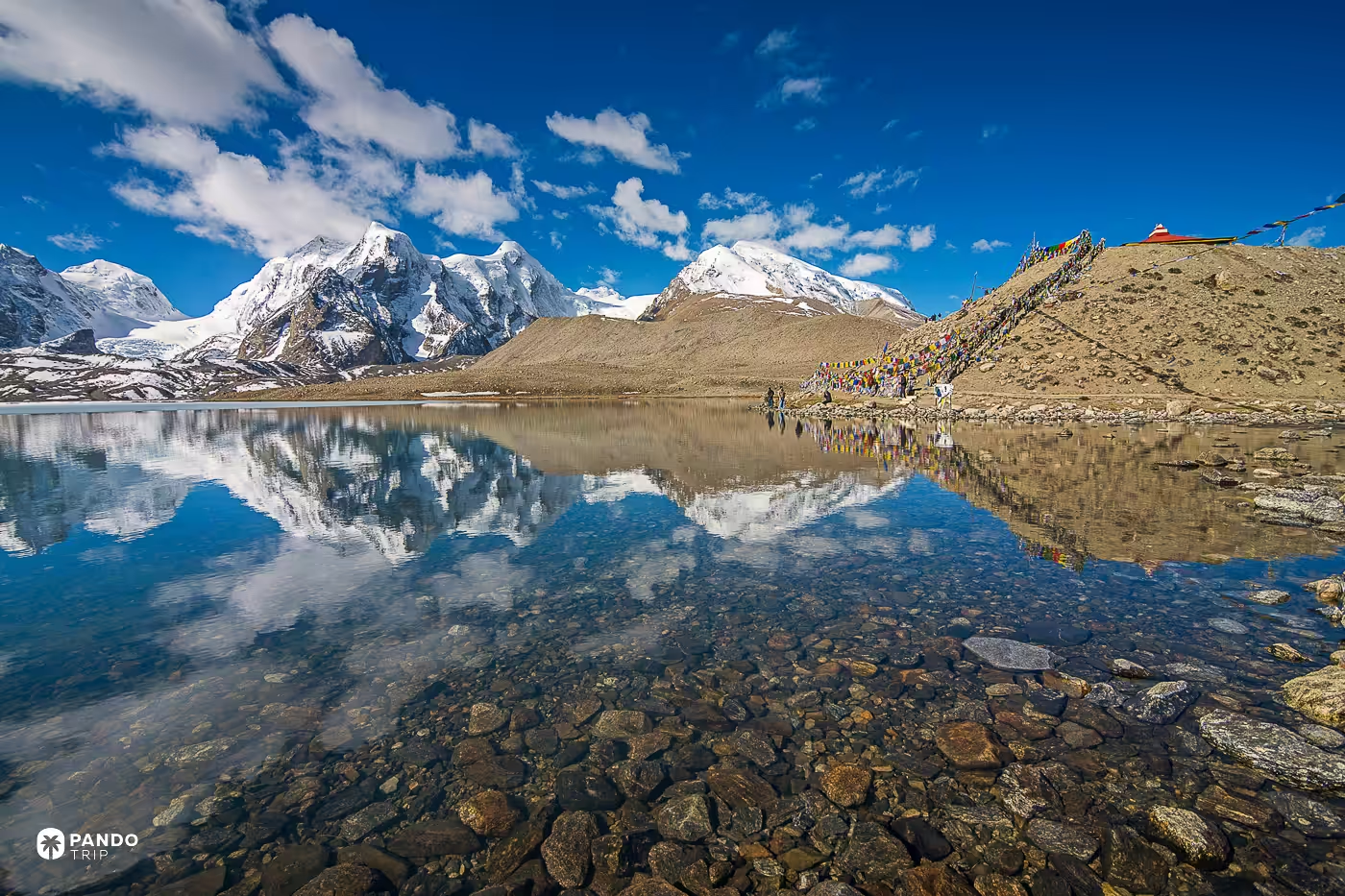
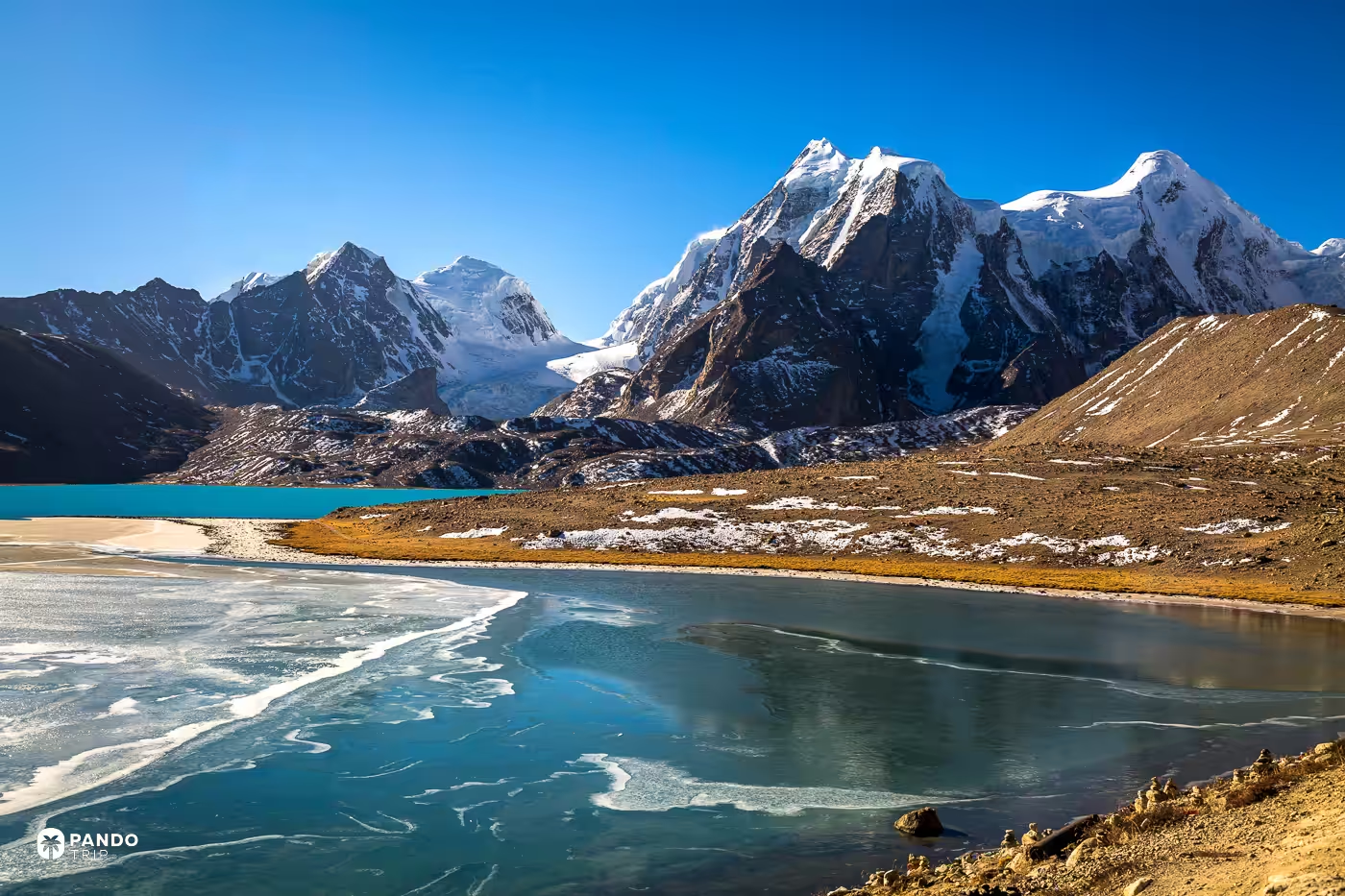
Somewhere above 5,000 metres — the state government’s figure and the terrain maps disagree by nearly 300 of them — the whole lake goes bone-white with ice, except for one section that never freezes at all. Whether you ever see it depends on your passport: foreign nationals are stopped down at Chopta valley and turned back, everything past the checkpoint is a restricted zone, and the rule is not negotiable. Buddhist tradition says Guru Padmasambhava thawed it by hand so herders would have water through the winter. Sikh tradition says Guru Nanak did it with his staff, and there is a gurdwara down in Chungthang making that case. Nobody has offered a better explanation, which is most of the pleasure of the thing.
Yamdrok Tso
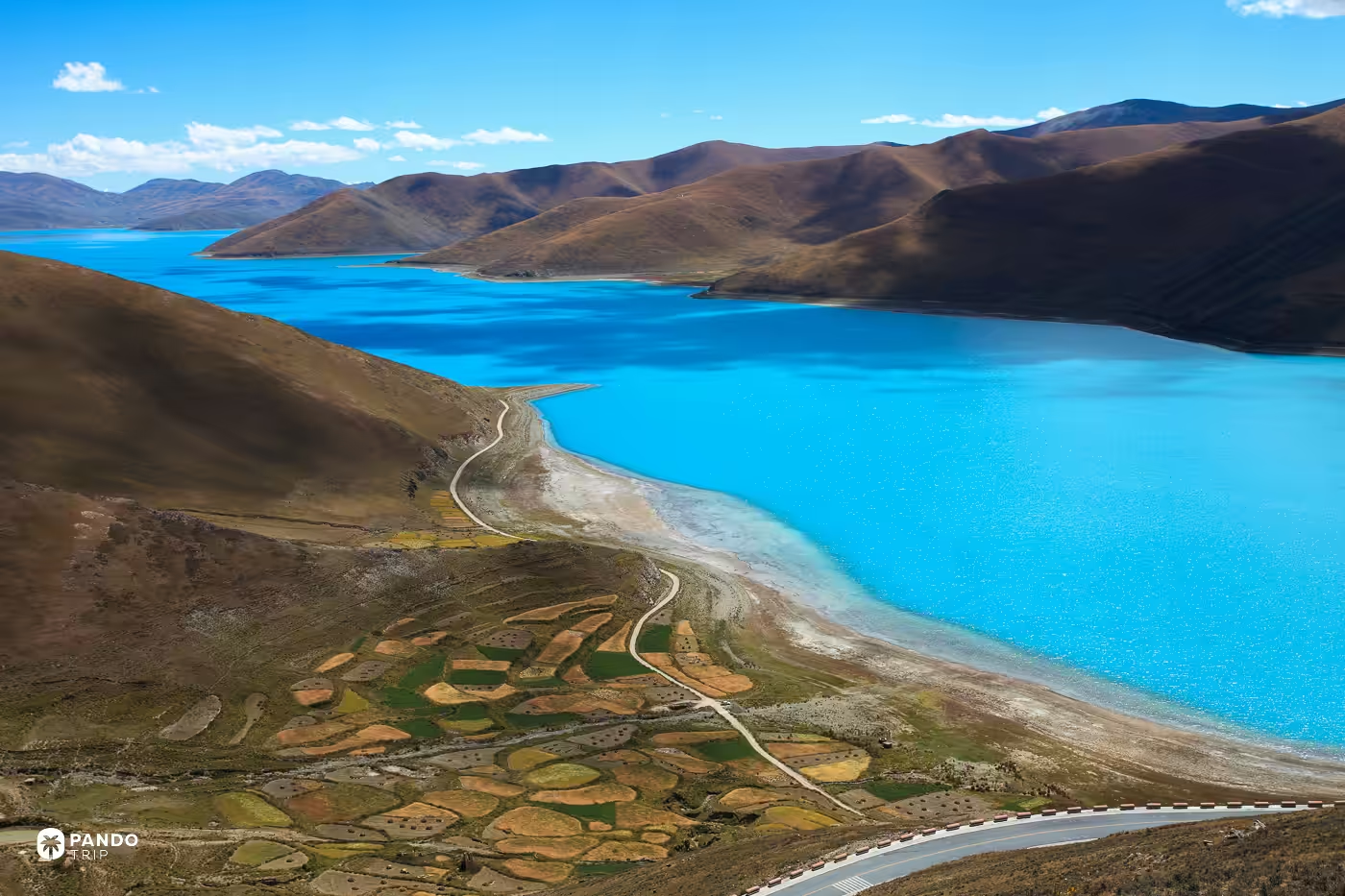
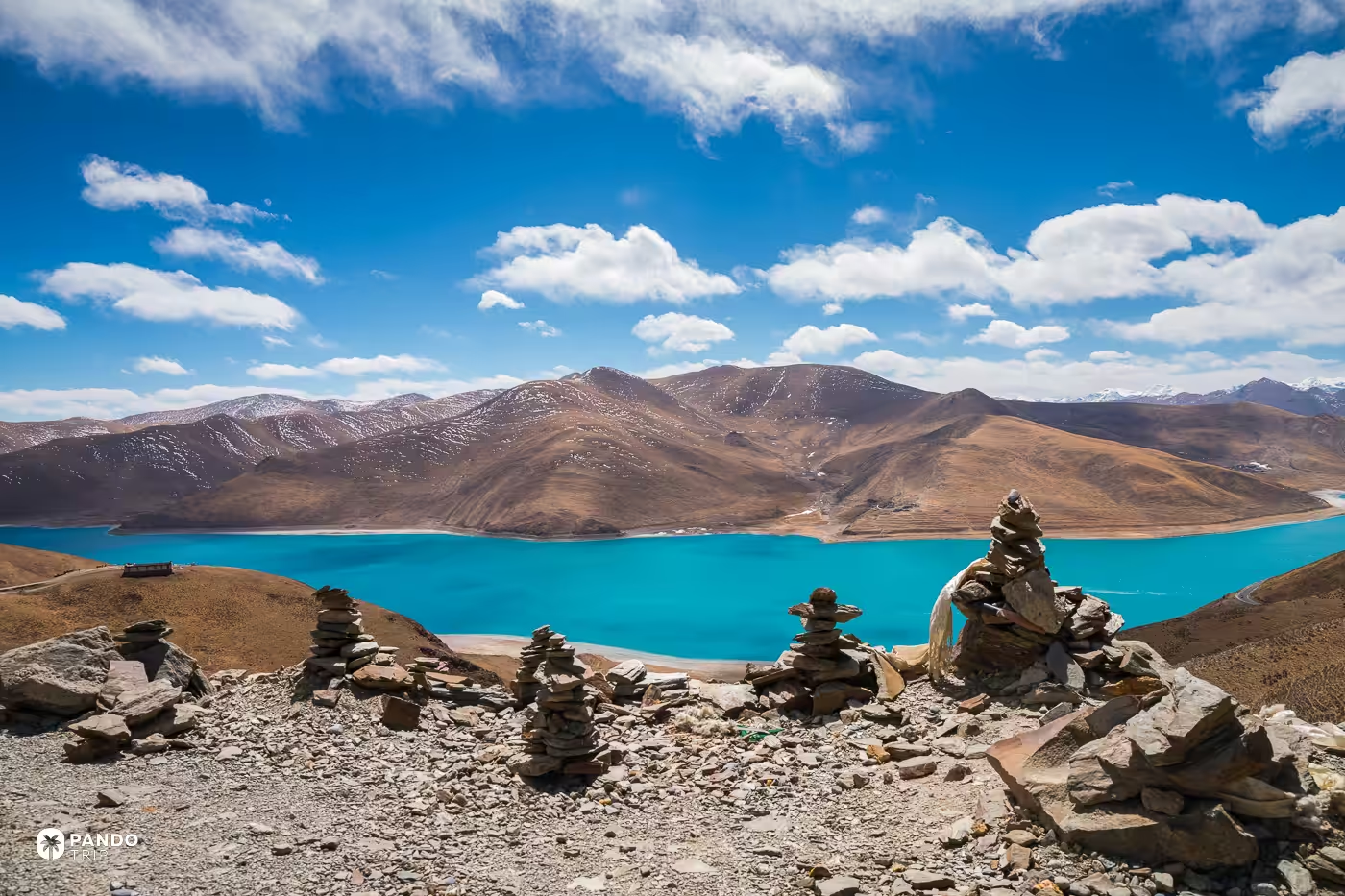
The reveal is engineered. You come over the Kamba La pass from Lhasa and 4,441 metres of bottle-glass water appears below, wrapped around brown ridges in a shape nobody describes without reaching for an animal — a scorpion, usually. Yamdrok runs 72 convoluted kilometres, holds 21 islands, and is usually counted among Tibet’s three sacred lakes; pilgrims take a week to walk the shore. It is also plumbed: a hydropower scheme on the lake was halted in 1986 after the Panchen Lama objected in public, then finished in 1998 anyway, and critics have argued ever since that the pumping changes the water it borrows. Beds are back in Gyantse, a couple of hours on. You meet this one for an afternoon and drive away.
Lake Manasarovar
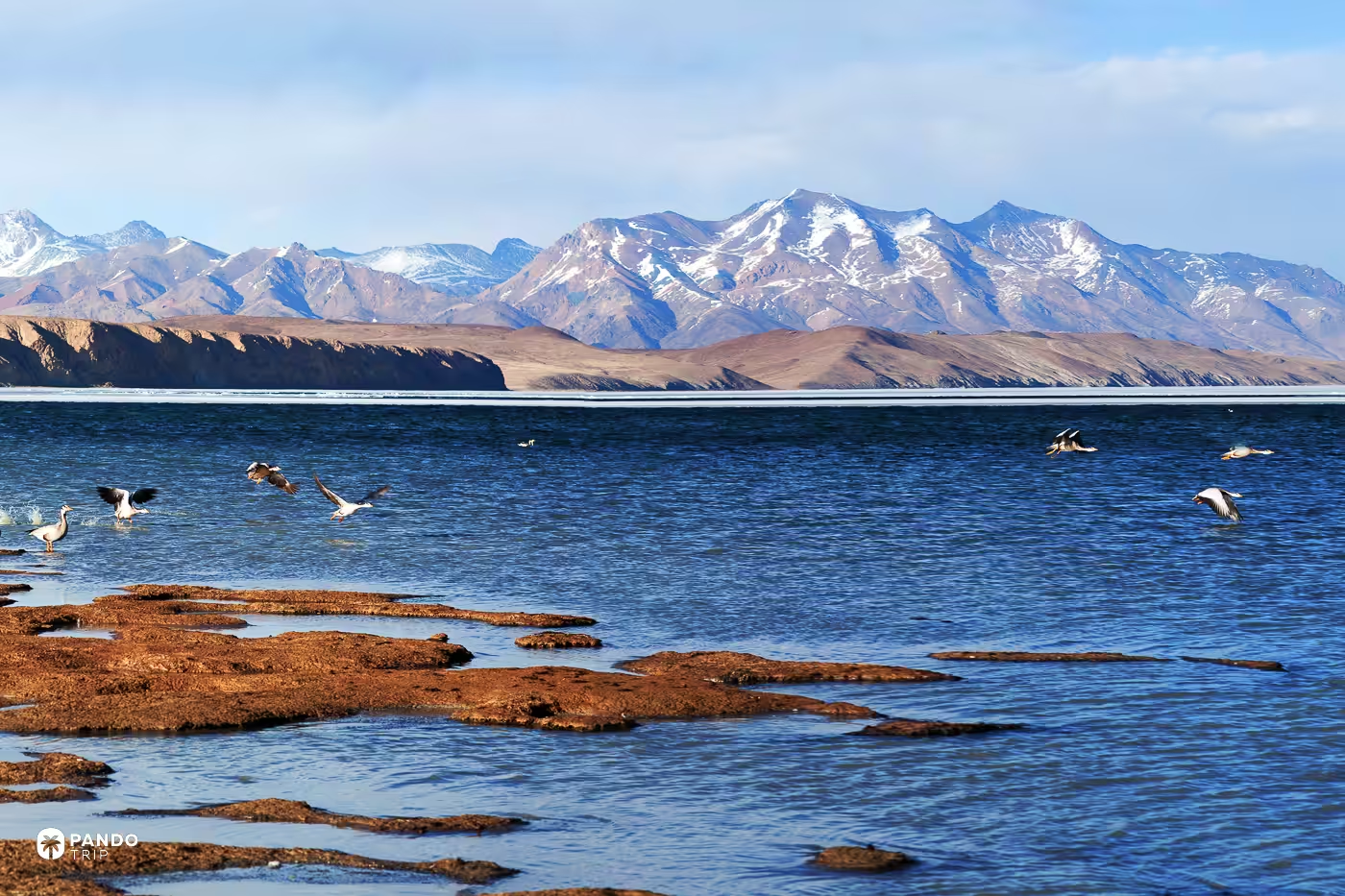
You may look at this one; you may not get into it. Since 2018 nobody bathes in Manasarovar — pilgrims fill a container at the edge and pour it over themselves on the shore — which is a strange rule to need for water this clear: fourteen metres of visibility, and a claim every Tibetan travel guide repeats without sourcing, that it is the most transparent freshwater lake in China. It is round, it is fresh, and it is sacred to Hindus, Buddhists, Jains and Bön alike, four traditions that revere it for four entirely unrelated reasons. Its neighbour Rakshastal, a crescent of salt water a few kilometres west, is left deliberately alone. Getting to either is the strictest business of the three Tibetan lakes here: Ngari is a restricted prefecture, every route in runs through a licensed operator with permits filed months ahead, and the nearest hotel-grade bed is the Himalaya Kailash Hotel, forty kilometres back in Darchen.

If we could take only one, it would be Phoksundo — about four thousand people a year make it in, the colour is the hardest to believe here, and the bed is somebody’s spare room. Save the ones you’d walk two days for.