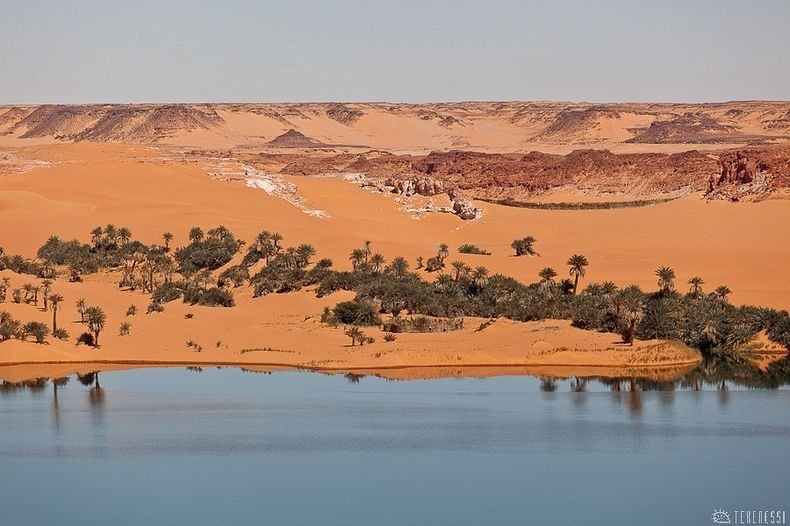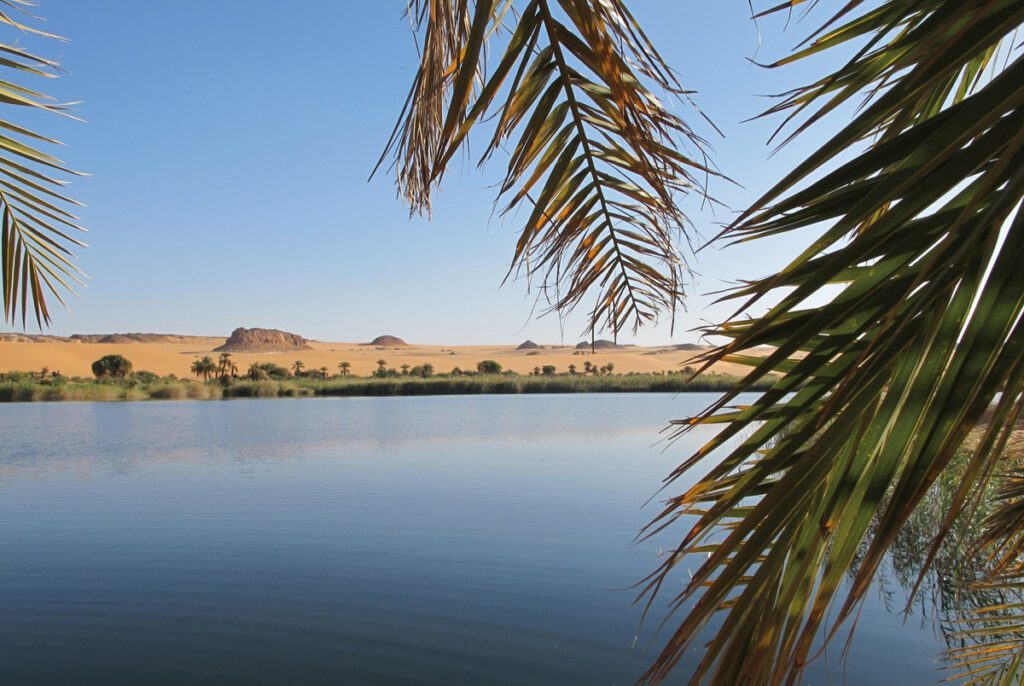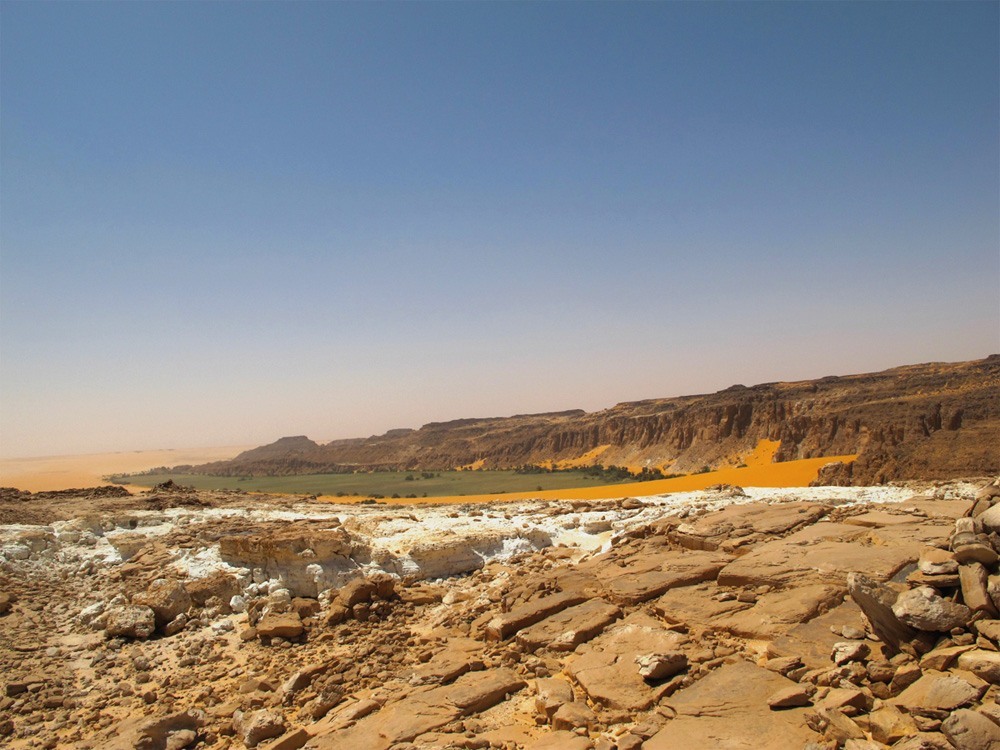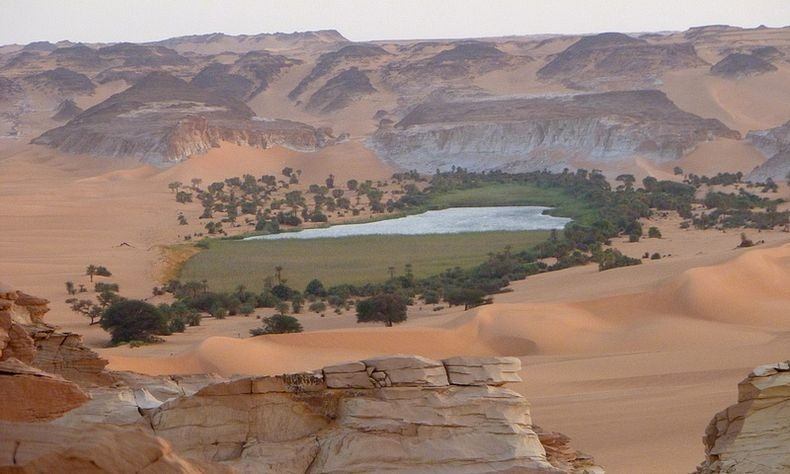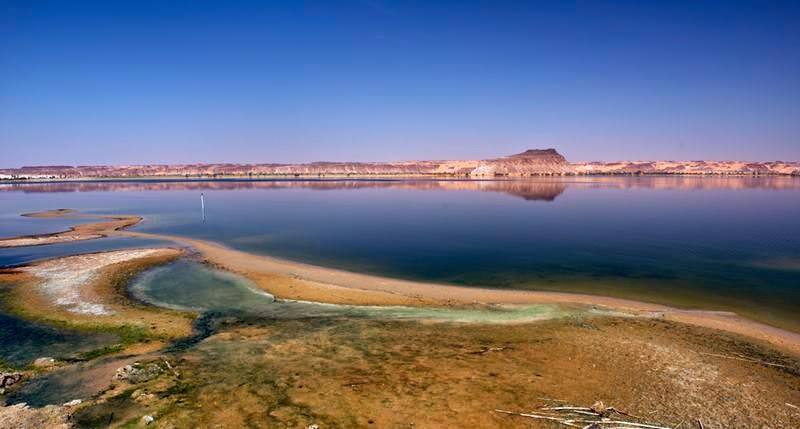
Deep in the Sahara Desert’s Ennedi-Tibesti basin of northeastern Chad, 18 lakes persist in a landscape that receives two millimeters of annual rainfall. The Lakes of Ounianga exist because they tap into fossil water laid down during the African Humid Period more than 10,000 years ago – an underground reservoir that continues to feed these improbable oases despite the Sahara’s best efforts to reclaim them.
Two Distinct Lake Systems
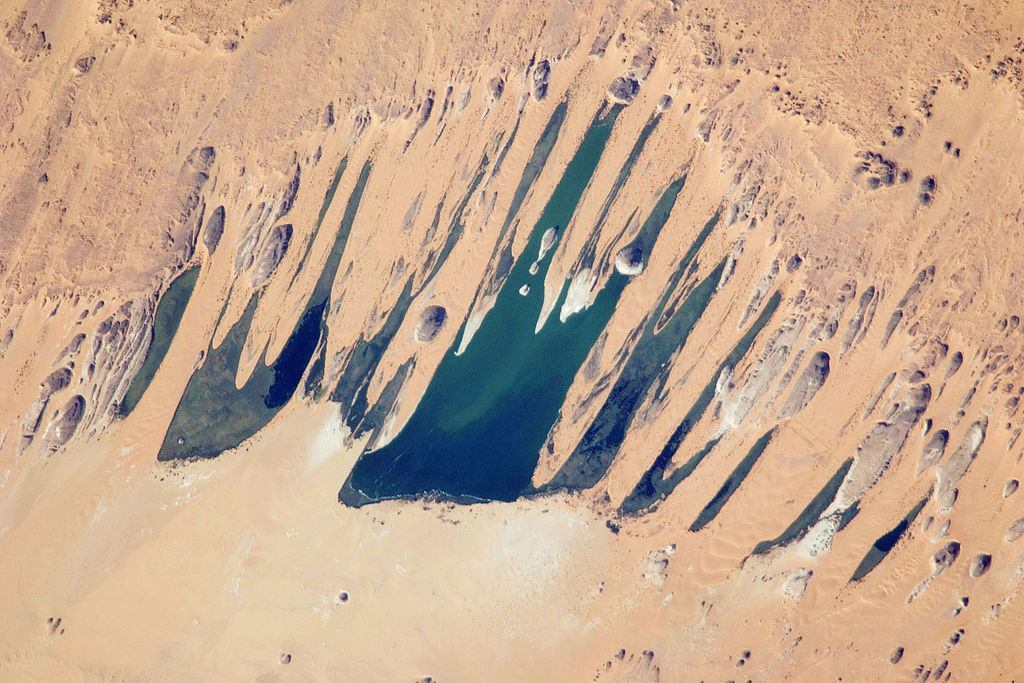
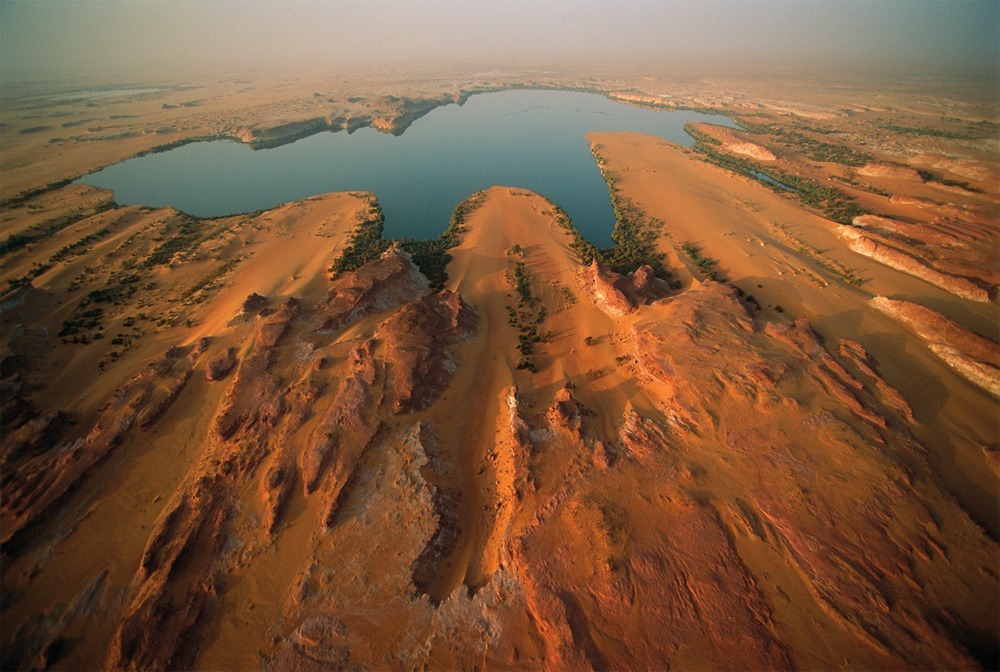
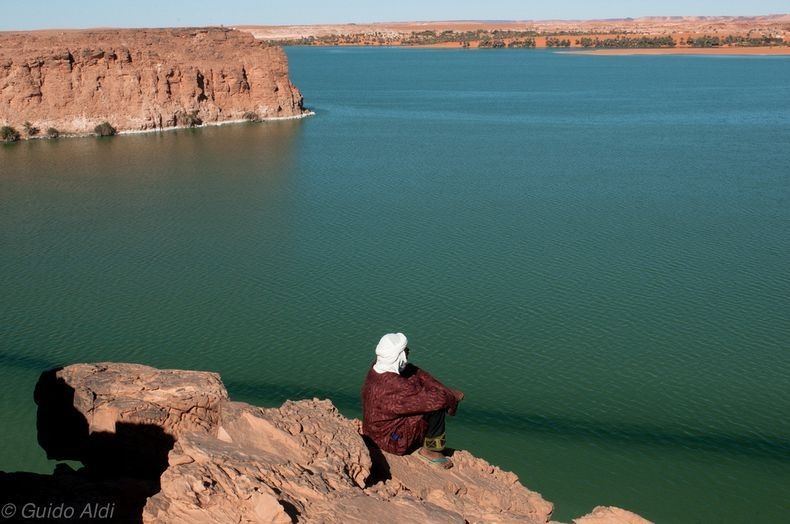
The lakes divide into two distinct clusters 40 kilometers apart. Ounianga Kebir to the west contains four broad, saline basins where six meters of water evaporate annually, concentrating minerals until only algae, brine shrimp and salt-tolerant bacteria survive. Lake Yoan, the largest at 358 hectares, plunges nearly 30 meters deep while its shores crystallize with salt deposits.
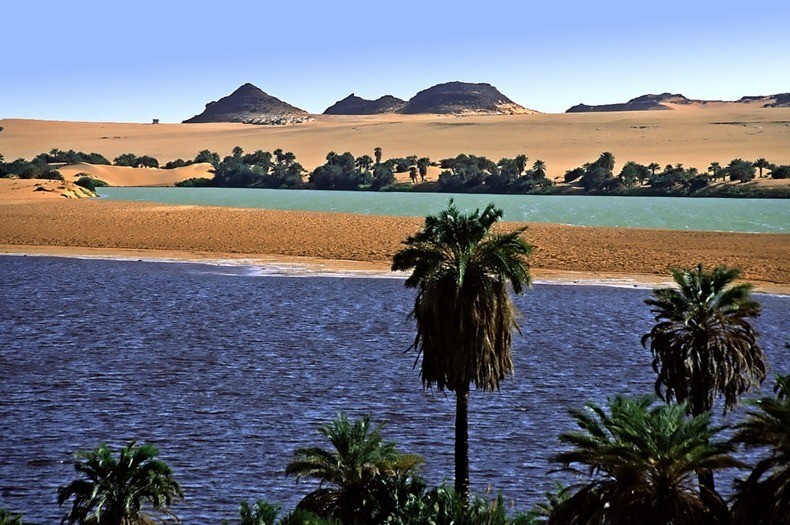
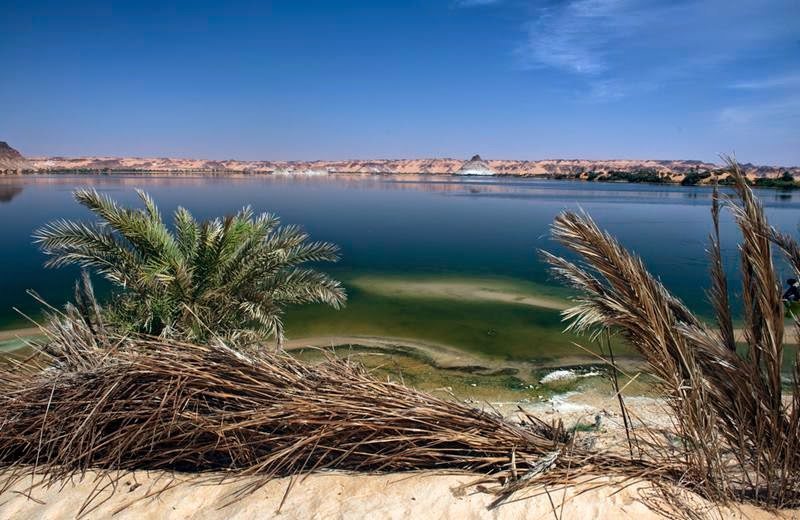
Ounianga Serir presents a radically different ecosystem. Here, 14 smaller lakes nestle between dunes, many covered by floating reed mats that act as natural parasols. These living blankets slow evaporation enough to maintain freshwater conditions suitable for fish and migrating birds. Through porous sand, groundwater flows toward Lake Teli at the basin’s center, which acts as a salt sink – it turns hypersaline so its neighbors can remain drinkable. No other Sahara Desert oasis self-regulates this way.
Why This Matters
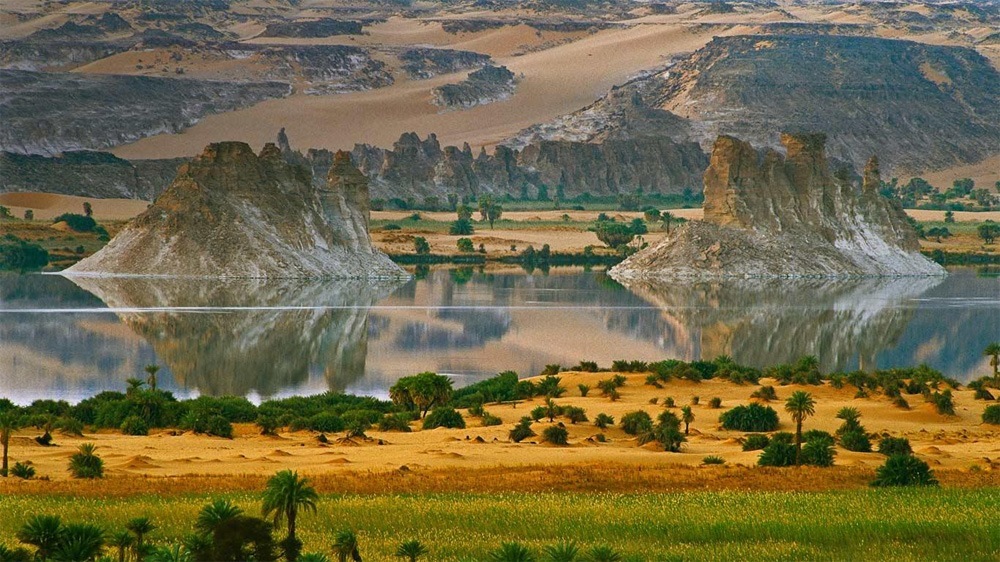
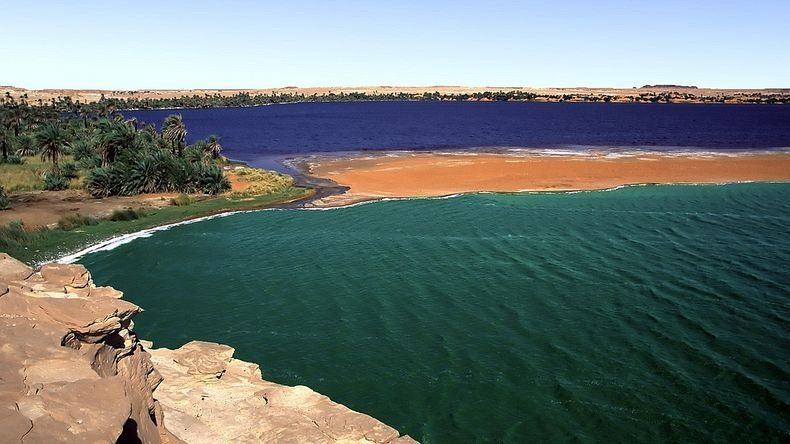
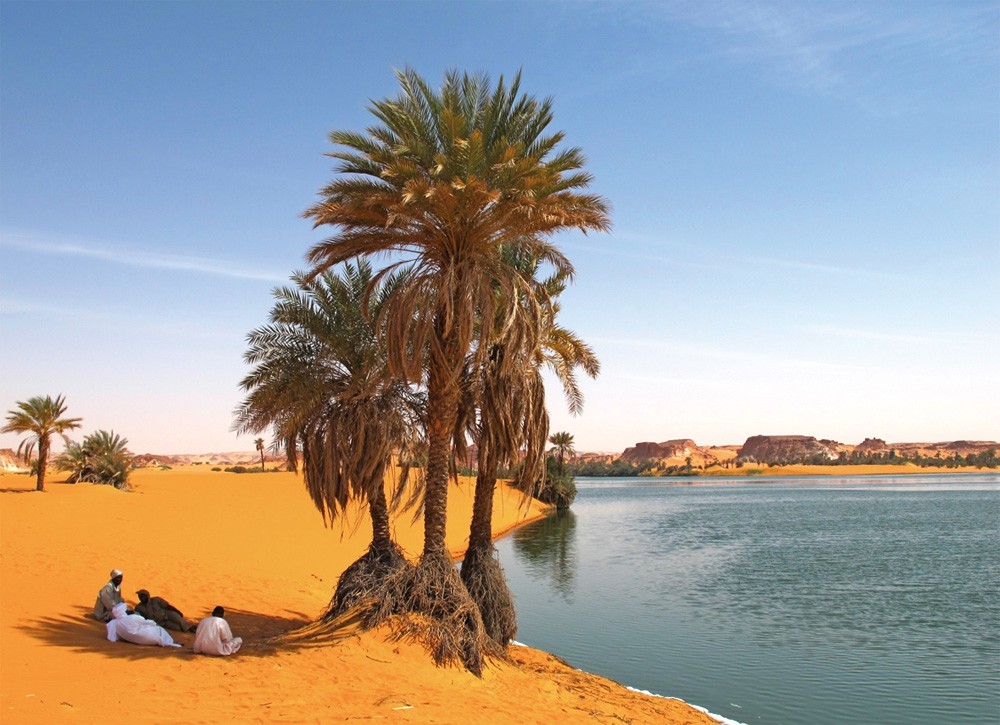
In 2012, UNESCO recognized this extraordinary natural wonder by inscribing the Lakes of Ounianga as a World Heritage site. But the lakes offer more than scientific curiosity. Waters flash from cobalt to jade to rust red depending on their mineral content. Date palms cluster along certain shores. Sandstone escarpments and wind-carved dunes frame each basin in the Chad landscape. At night, with zero light pollution, the Milky Way reflects in still water.
Getting There
Only about 500 travelers reach Ounianga annually – the journey alone filters out casual visitors. From N’Djamena, you fly to Faya-Largeau, northern Chad’s main oasis town. Here you arrange permits, fuel, and crucially, an experienced driver-mechanic. The 550-kilometer track to Ounianga crosses gravel plains and soft dunes, requiring two days of bone-jarring travel in a minimum two-vehicle convoy.
When to Visit
November through February brings the most tolerable conditions, with daytime temperatures dropping to the low 30s Celsius and cool nights for camping. May and June can exceed 50°C, while late summer brings haboub dust storms that reduce visibility to meters. March and October remain possible but challenging.
Practical Considerations
At Ounianga Kebir village, mud-brick houses offer basic rooms and well water. From here you explore on foot along shorelines or climb surrounding escarpments for dawn photography. Pack a week’s supplies including fuel, water, food, two spare tires per vehicle, comprehensive tools, satellite phone, and GPS. Swimming is prohibited in most lakes to protect the reed mats and water quality.
The lakes matter culturally as much as environmentally to local communities. Dress conservatively and ask permission before photographing residents. In a desert that seems engineered to exclude life, these 18 lakes prove that even the Sahara’s heart can harbor water – if you know where to look, and if you’re willing to work for the view.