
From Como’s quieter shore to a French reservoir with a drowned village at the bottom.
Everyone pins the same three. Como for the villas, Bled for the little church on its island, maybe Hallstatt if they’ve been scrolling long enough — and then they arrive at nine on an August morning to find the viewpoint already three tripods deep. The Alps hold dozens of lakes worth the airfare, spread across six countries and every shade of cold water there is. The catch is knowing which ones repay the detour, and what hour to show up so you get the reflection to yourself. Here are twelve we’d cross a border for, and a few honest words about when not to bother. Save the ones that stop you mid-scroll.
Lake Como
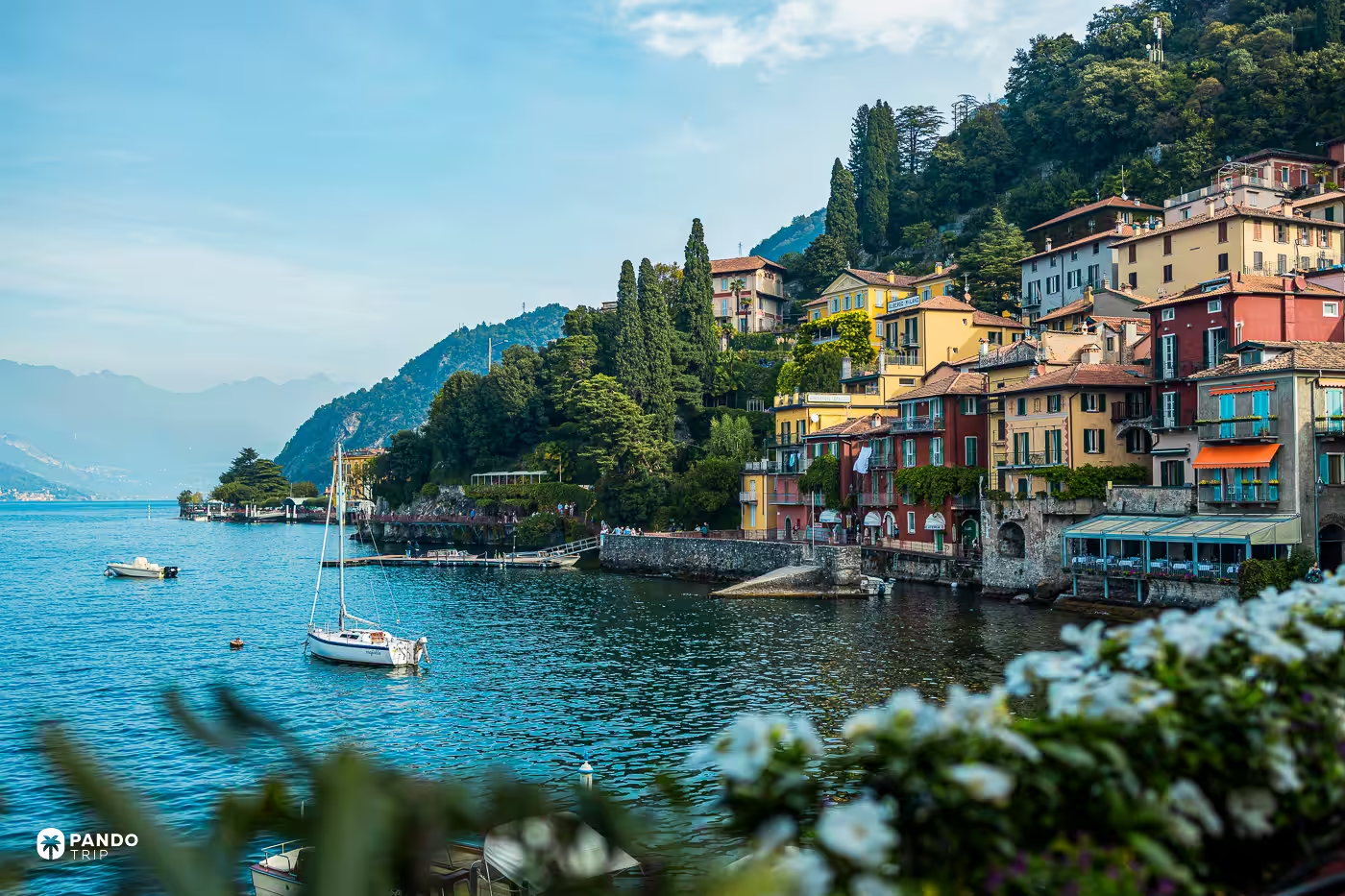
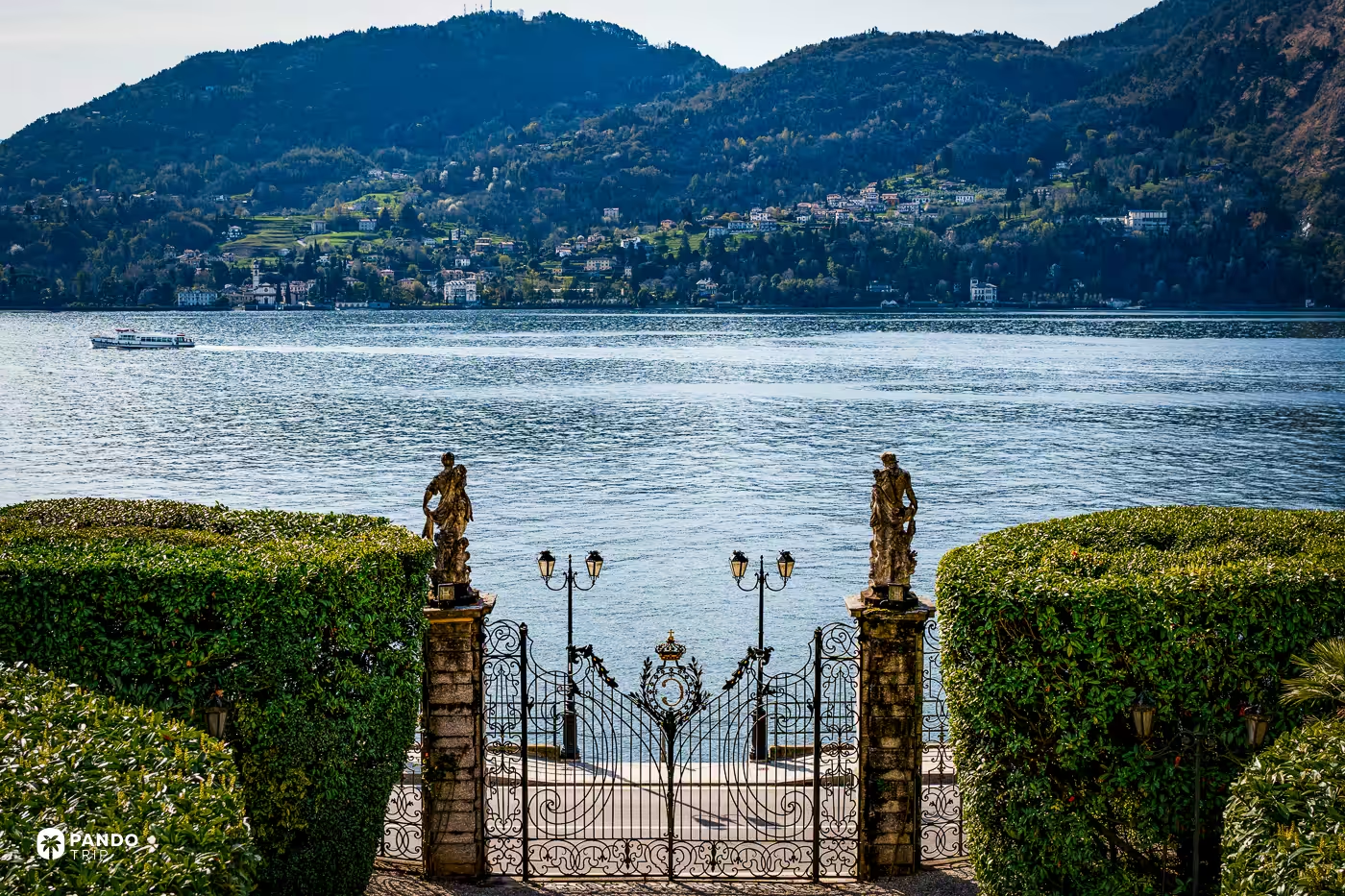
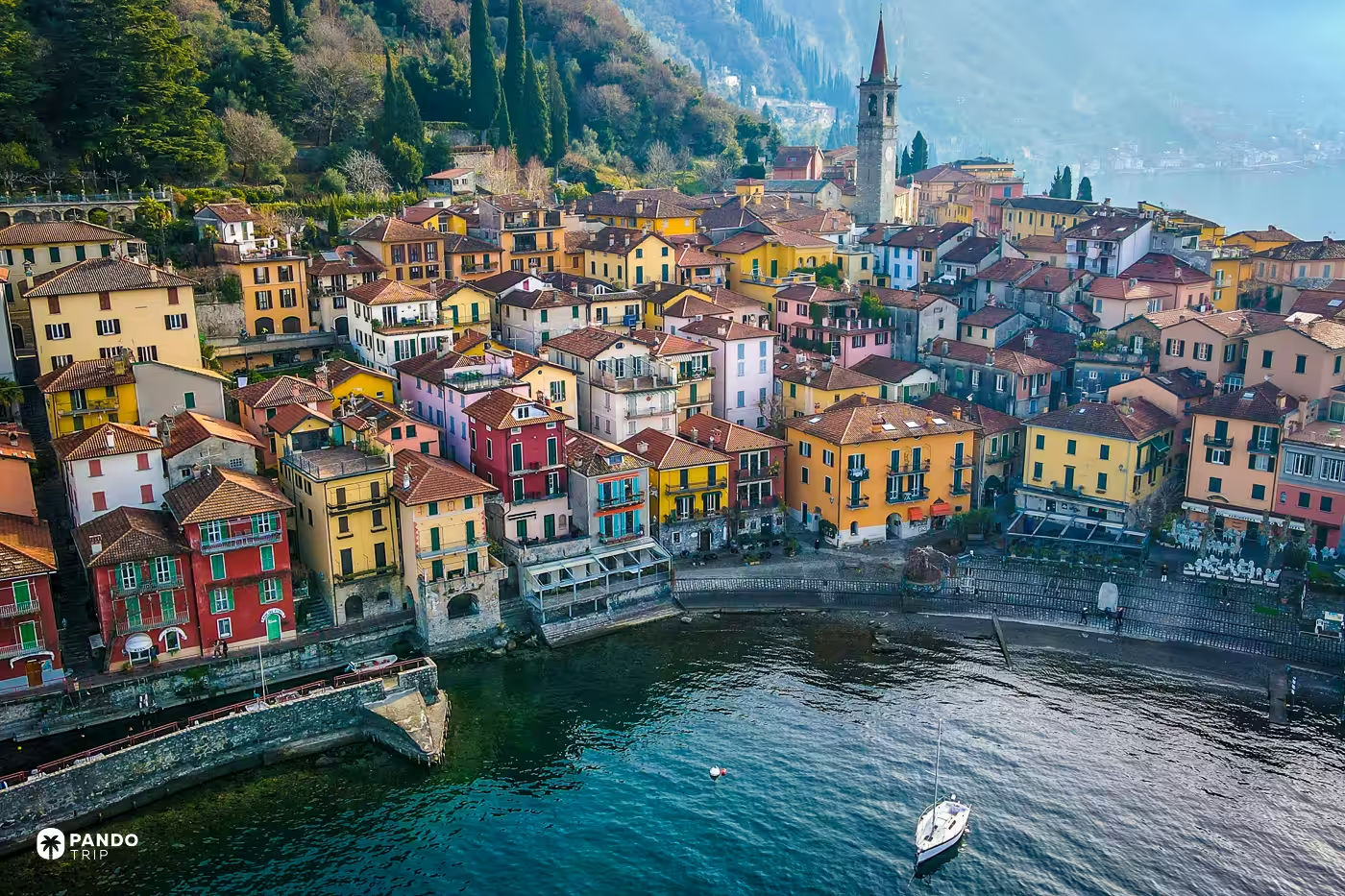
Skip Bellagio. We mean it kindly — Bellagio is lovely and everyone already knows, which is exactly the problem in July. Base yourself instead in Varenna, on the eastern shore, where the pastel houses stack down to a waterfront barely wide enough to pass and the western light comes in low over the water at dinner. Como is 410 meters deep, the deepest lake in Italy, its floor lying more than 200 meters below sea level — a drowned glacial trench in the shape of an upside-down Y. Book a room at Hotel Villa Cipressi, whose terraced botanical gardens spill down to the shore, then eat at Ristorante Vecchia Varenna, one of the few places in the village with a terrace built out over the water, in a fifteenth-century building that was once a black-marble workshop. Come in May, June, or September. August is for ferry queues.
Lago di Braies
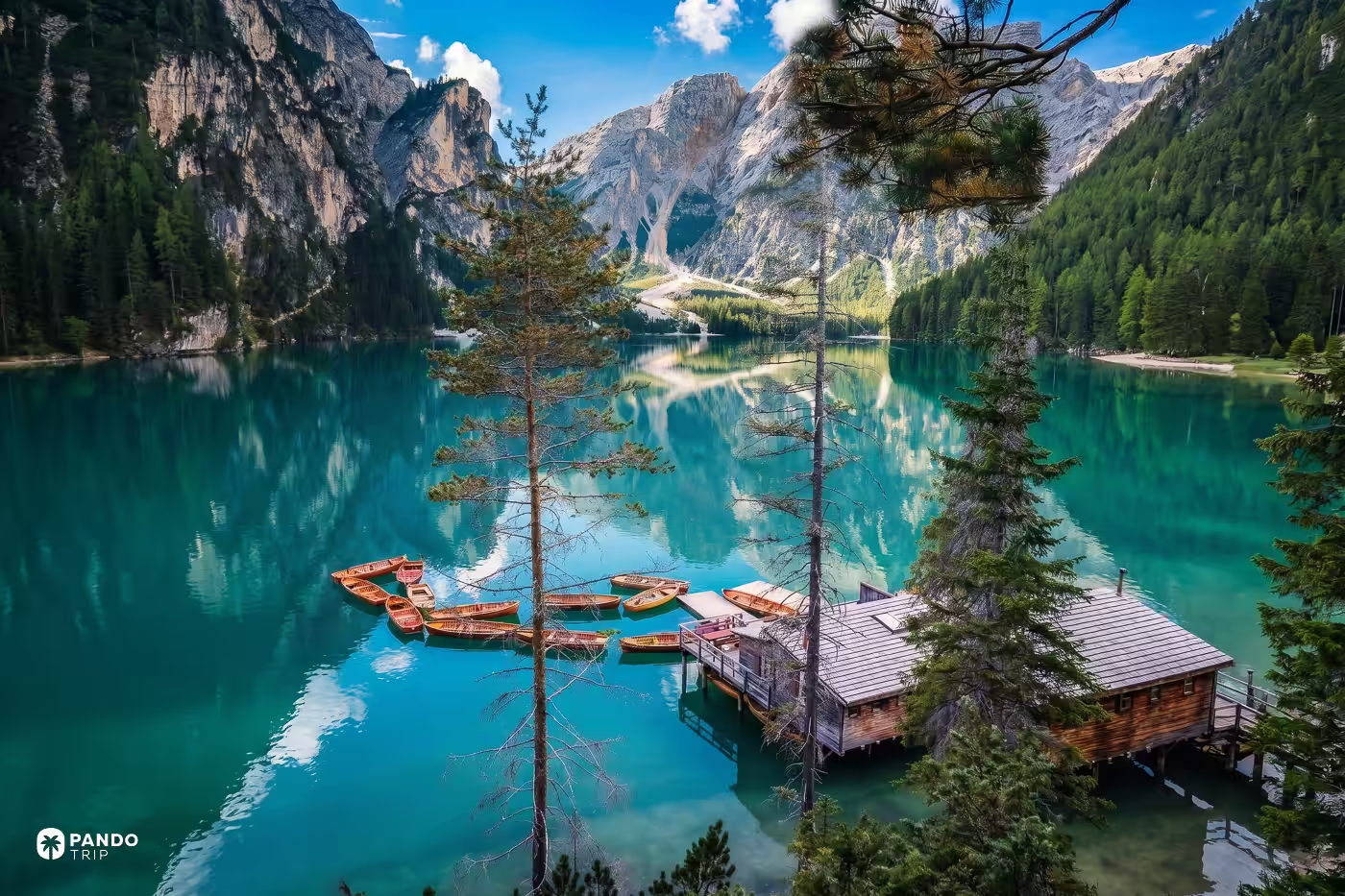
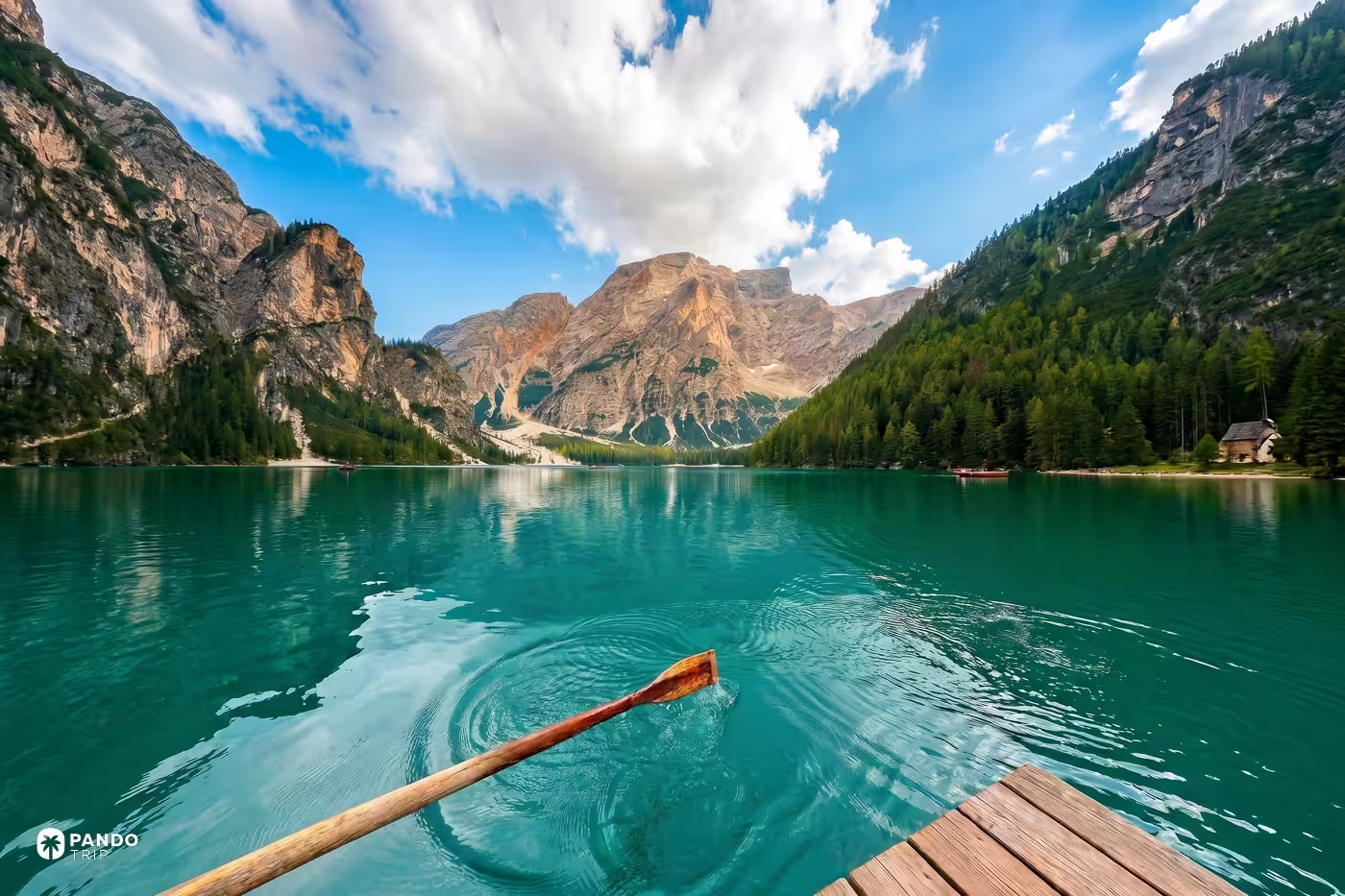
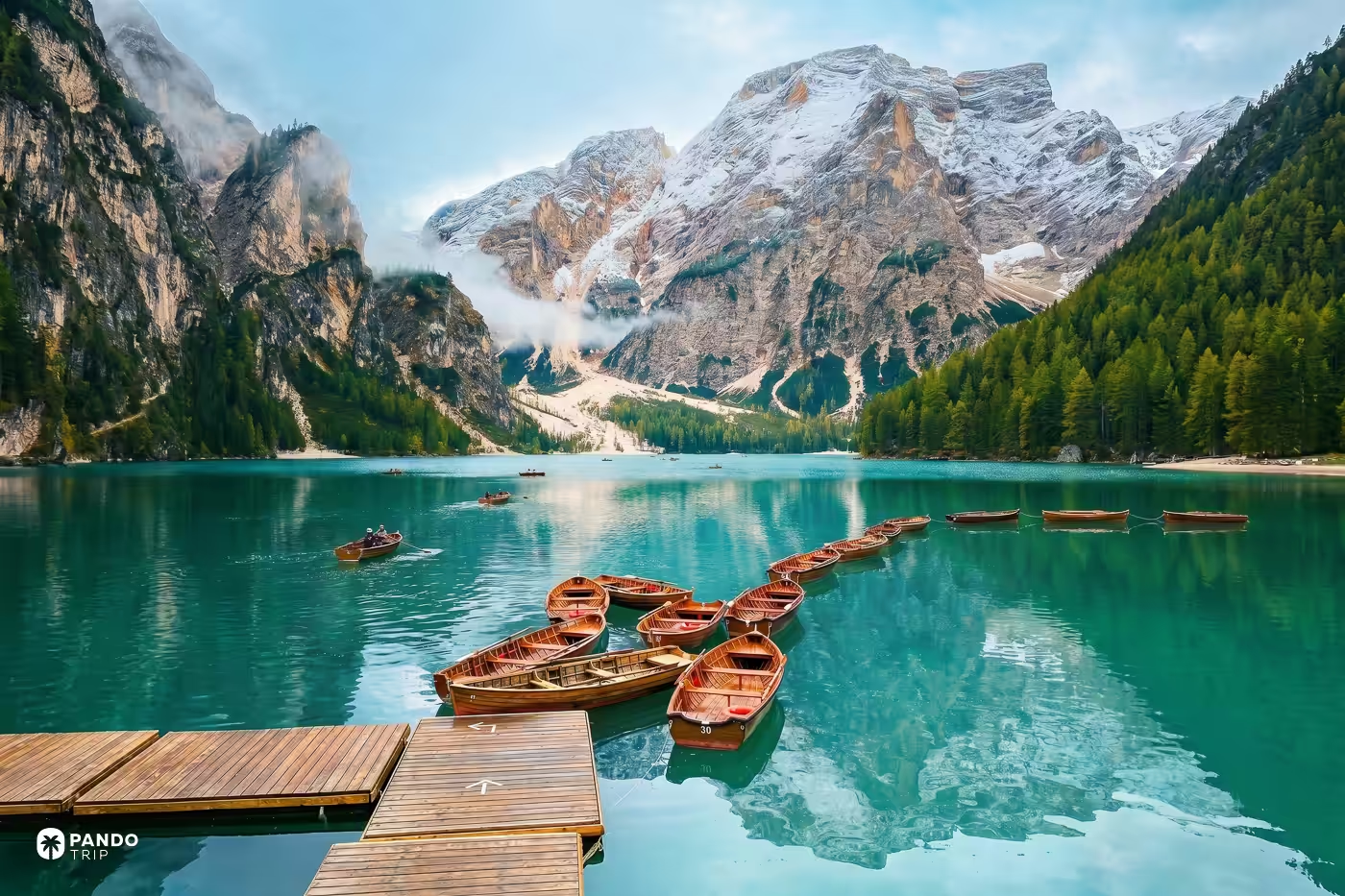
Let’s be blunt about the most photographed lake in the Dolomites: by mid-morning in summer, the wooden boathouse everyone flies here for is a scrum, and from July 2026 the valley simply closes to cars without a reservation between nine and four — a €44 day ticket now buys your transit permit, a parking space, and a voucher to spend at the lakeshore. Come at first light instead, before the shuttle buses, when the moored rowboats double themselves in water the color of oxidized copper and the Seekofel holds its reflection unbroken. There is one hotel on the lake, the Hotel Pragser Wildsee, built in 1899 and still family-run; stay a night and you own the shore before breakfast. One thing almost no listicle mentions: in the spring of 1945 the SS held some 140 high-value prisoners in that hotel — a former French prime minister among them — until the US Army reached the lake in May. Go in late September for larch gold and thin crowds.
Lago di Sorapis
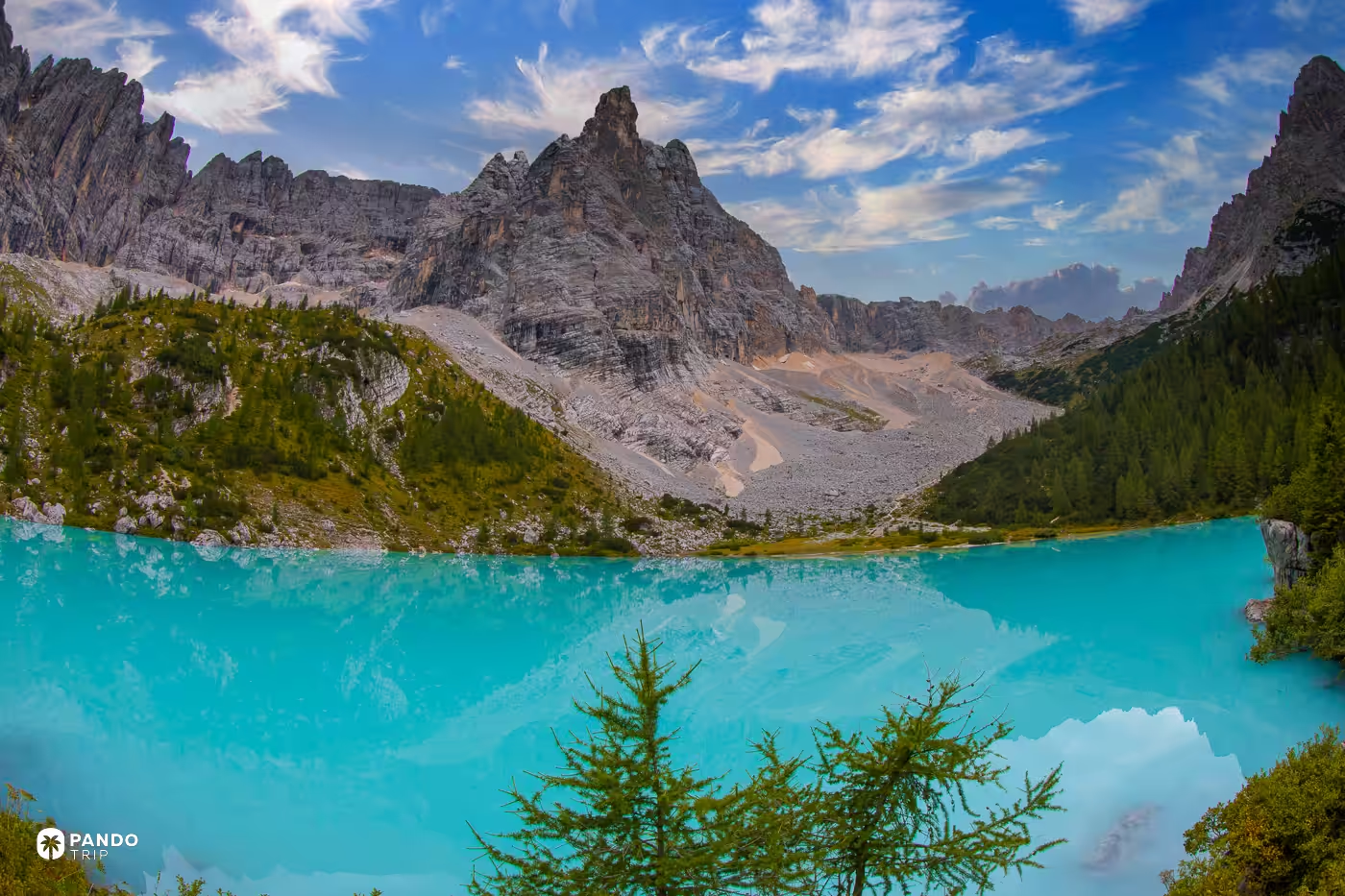
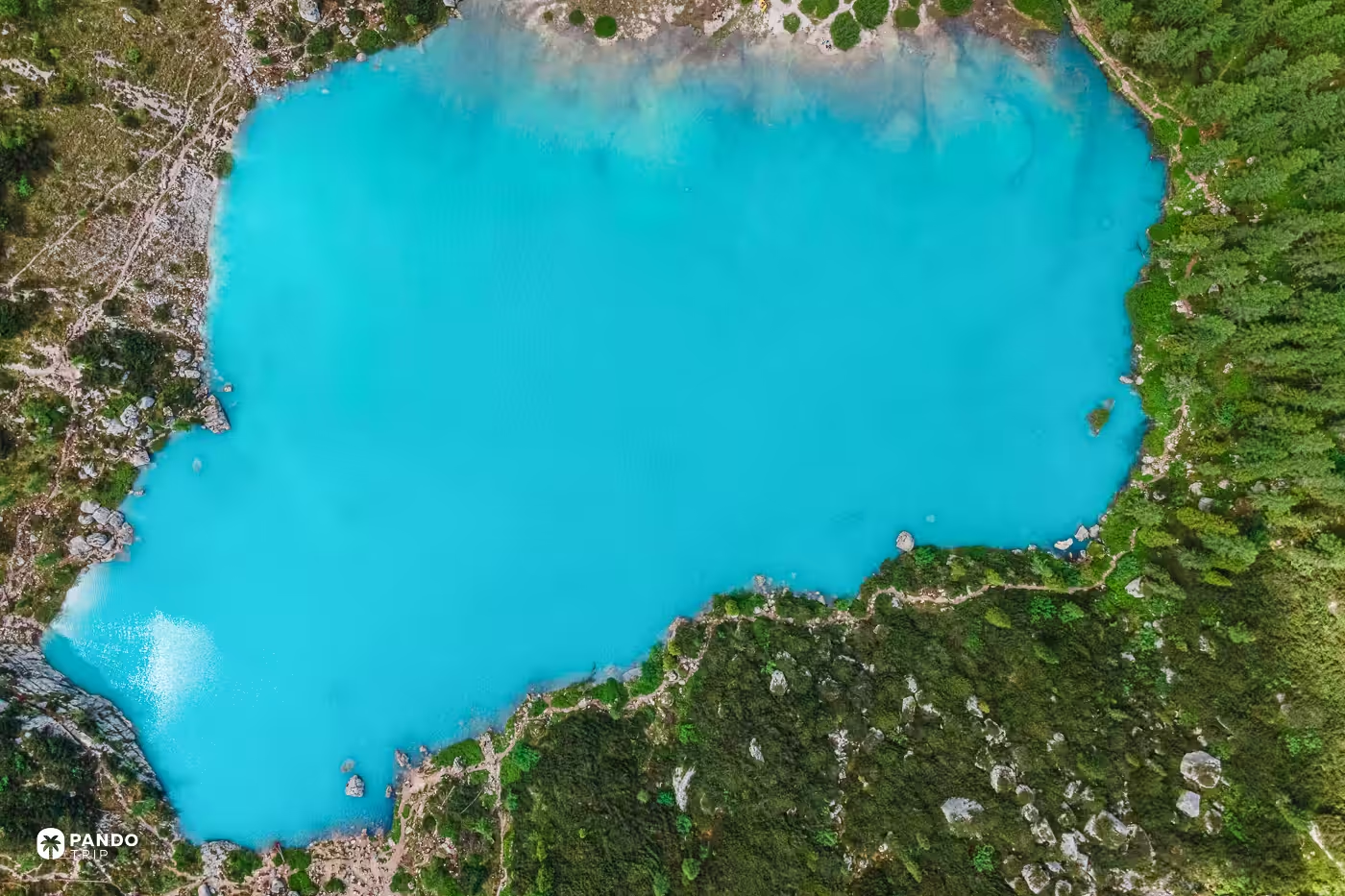
This is the one you have to earn. There’s no road, no boathouse, no gelato — just Trail 215 climbing roughly two to three hours out of Passo Tre Croci, along ledges strung with fixed cables, until the forest drops away and the water appears: a flat basin of glacial milk, opaque blue-green, so pale it looks lit from below. The color is suspended rock flour, ground fine by the Sorapiss glacier above and held in the meltwater, and it shifts through the season — vivid and full in early summer, thinner and quieter by August. Above it all rises the “Dito di Dio,” the Finger of God, a single rock spire that gives every photograph its exclamation point. Rifugio Vandelli, the hut 150 meters from the shore, pours drinks and hot food from about June 20 to September 20; below in the valley, the Grand Hotel Misurina faces the Tre Cime from its own smaller lake. Locals will tell you plainly to avoid July and August, or to be on the trail before the sun clears the ridge — and then, for an hour, the milk-blue water is yours alone.
Lake Bled
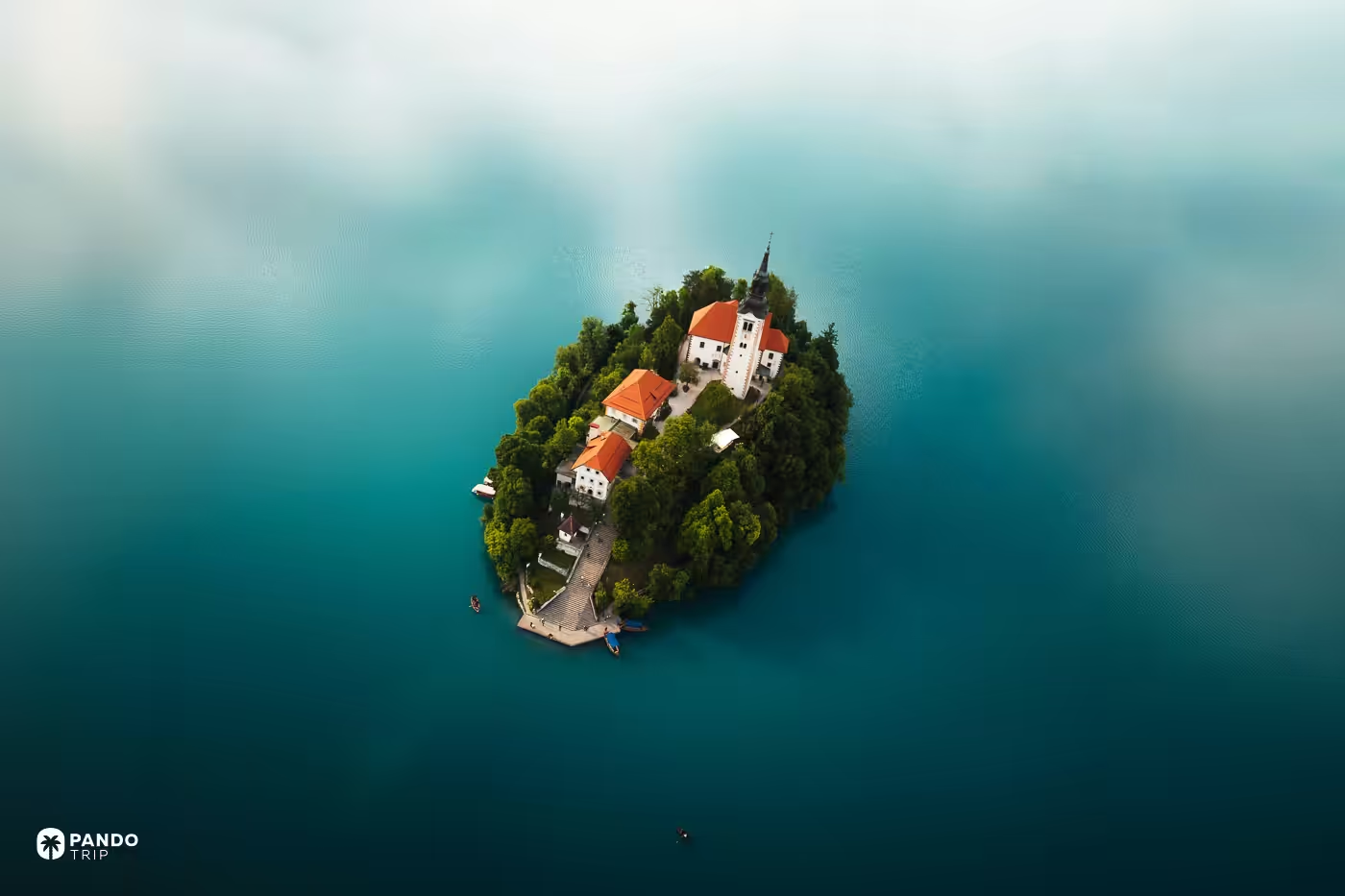
The little boats that ferry pilgrims to the island church are called pletne, and the right to row them has been inherited, father to son, since 1740 — the year Empress Maria Theresa handed about two dozen local families a monopoly on the crossing as compensation for farmland too poor to live on. Their descendants still stand to the oars today, and no one else may. It is the kind of closed-guild detail that makes Bled feel older than its postcards. Ninety-nine steps climb from the jetty to the church; back on shore, order a kremšnita, the cube of vanilla custard and cream between two sheets of puff pastry invented at the Hotel Park in 1953 and best eaten at Kavarna Park where it was born. Sleep lakeside at the Grand Hotel Toplice, and climb Ojstrica at dawn for the view down onto island and cliff castle before the coaches arrive.

Lake Bohinj
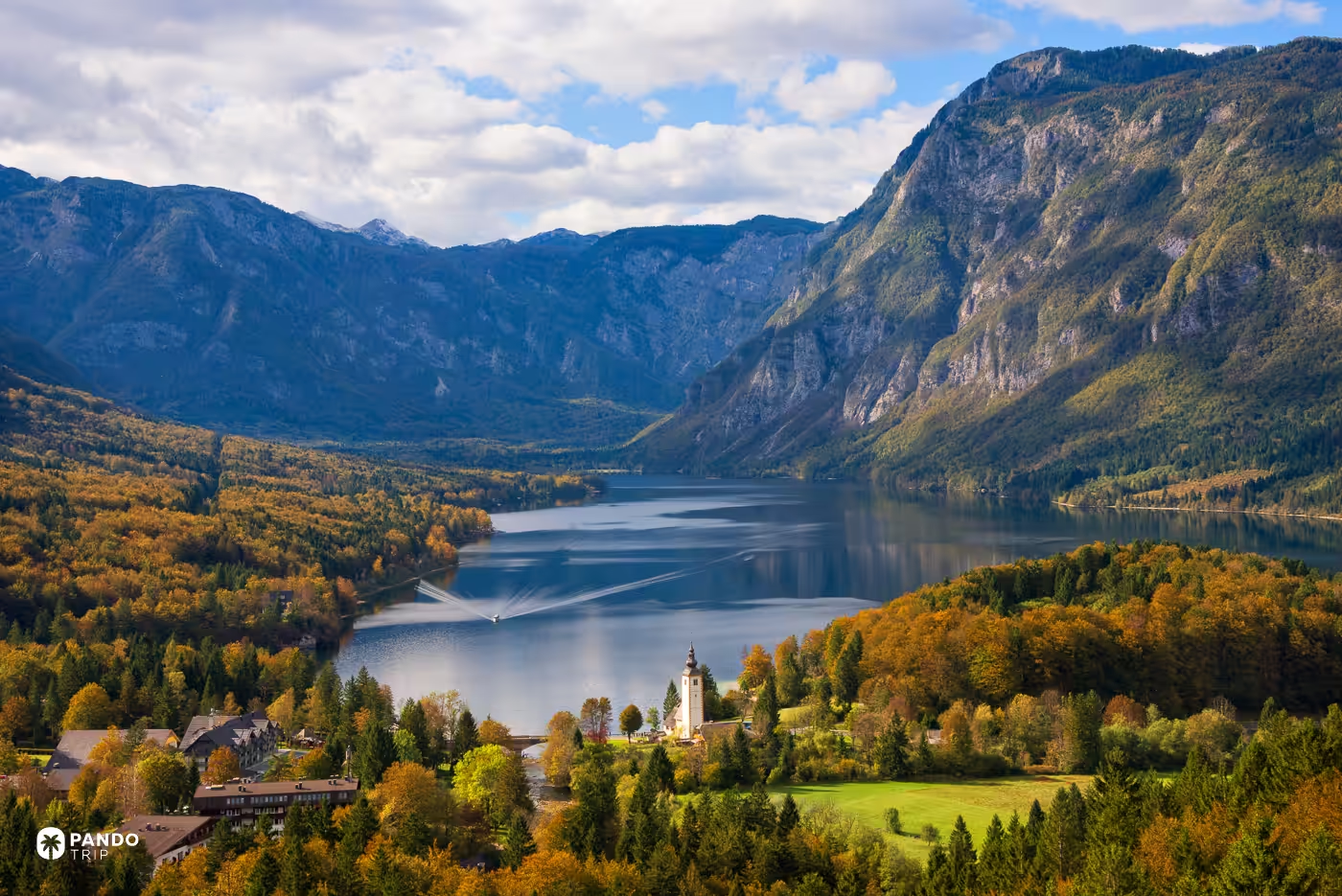
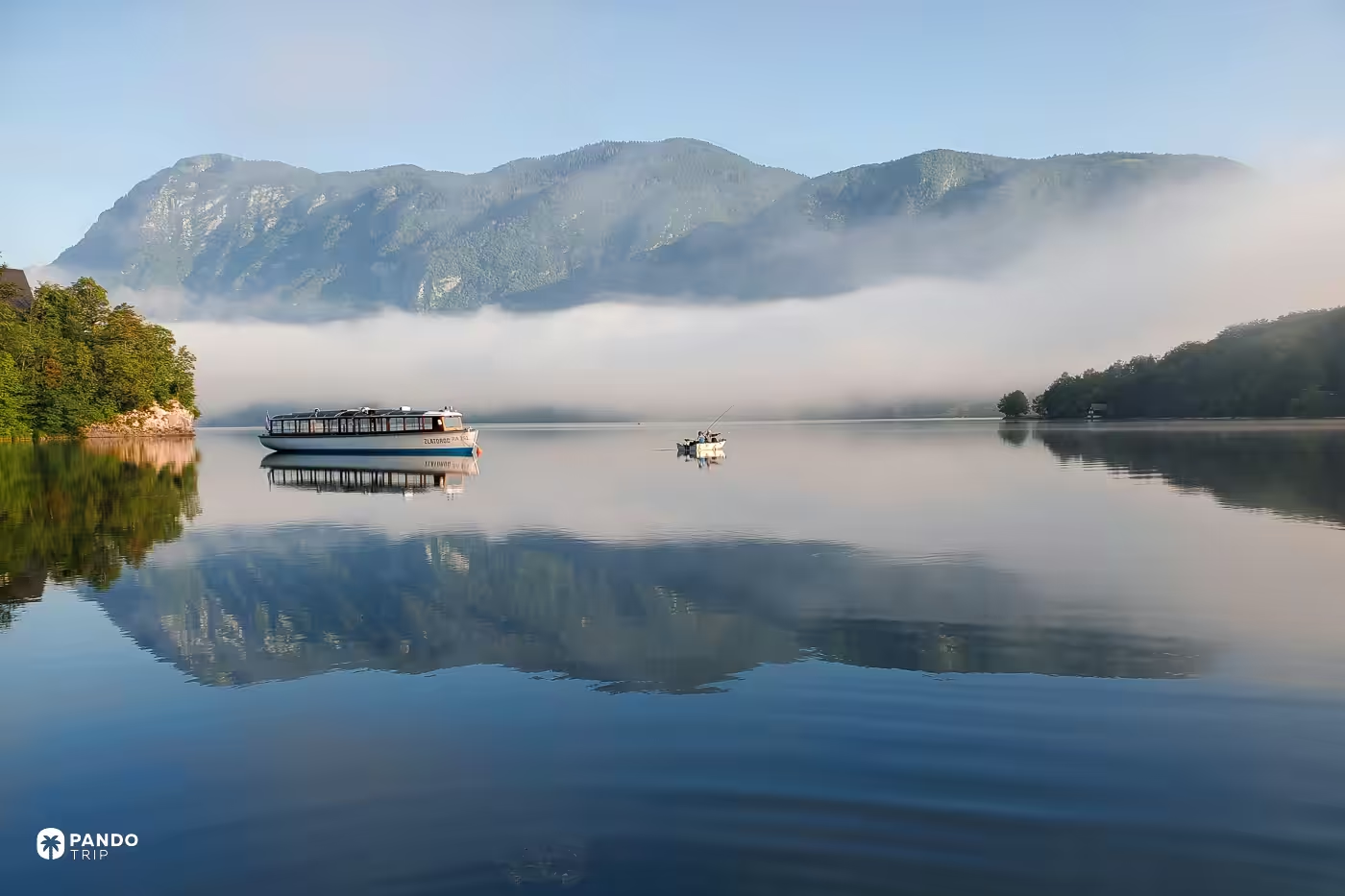
About twenty-five kilometers up the valley from Bled sits its quieter, larger sister — no villa sprawl, no coach queues, just the lake and the national park closed tight around it. Bohinj is the largest permanent natural lake in Slovenia, 45 meters deep and wrapped entirely inside Triglav National Park, which leaves the shoreline to the stone bridge and the little Church of St John the Baptist, mirrored in green water with the Triglav massif stacked behind. Stay at Hotel Jezero on the shore, walk to the 78-meter Savica waterfall, and come in June or September. The August day-trippers who overflow from Bled mostly stop at the bridge and never make it further.
Hallstätter See
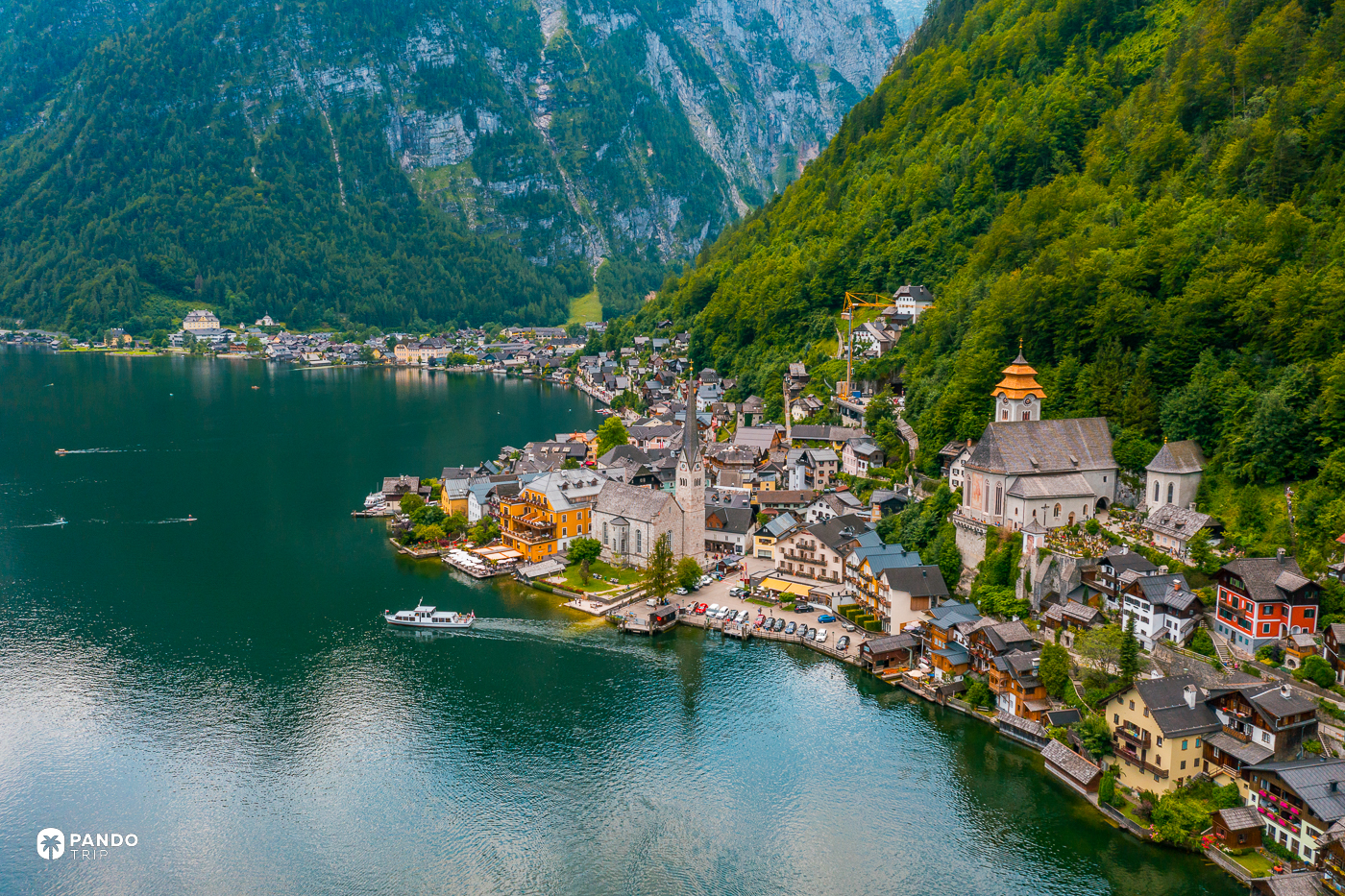
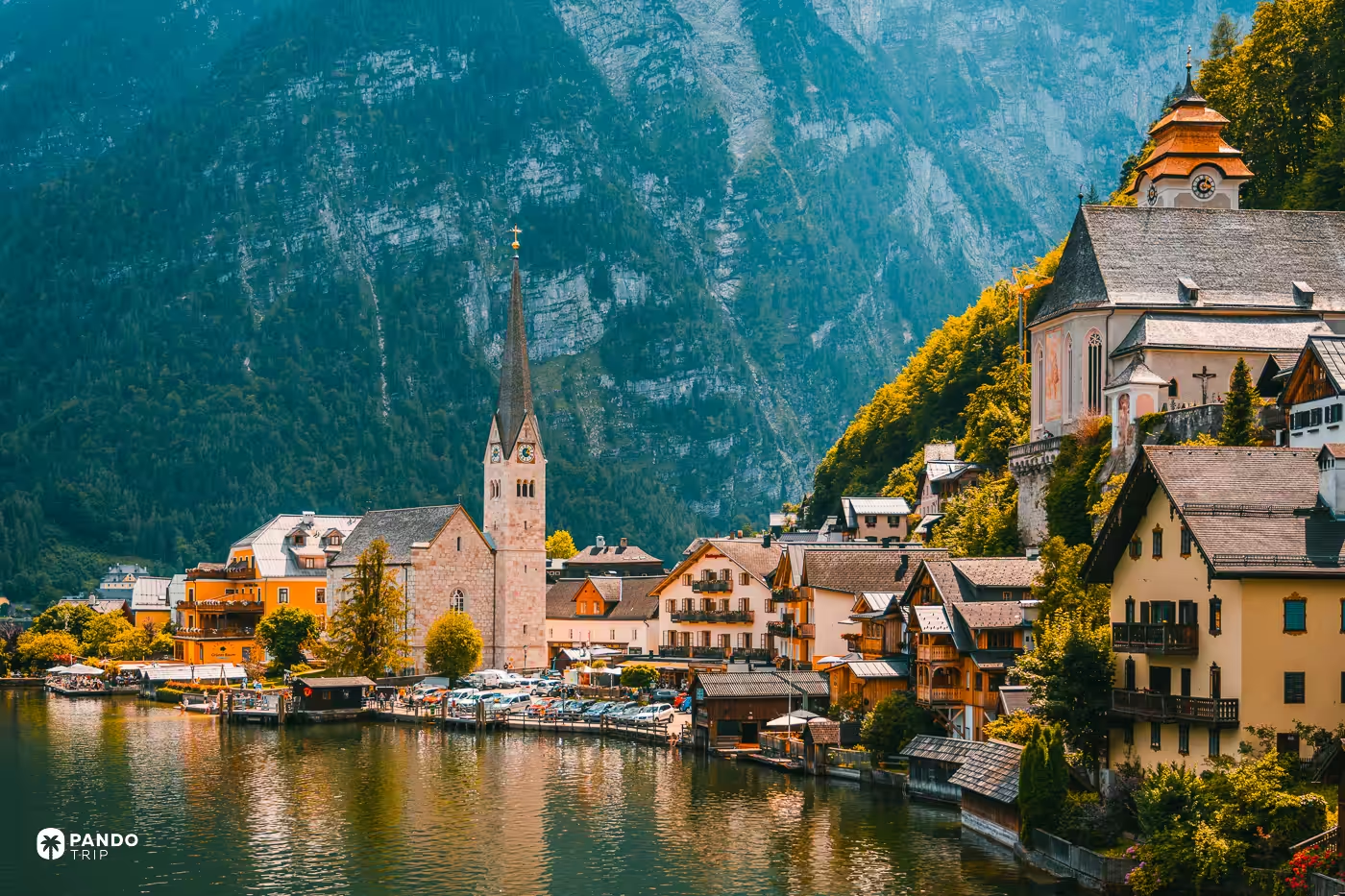
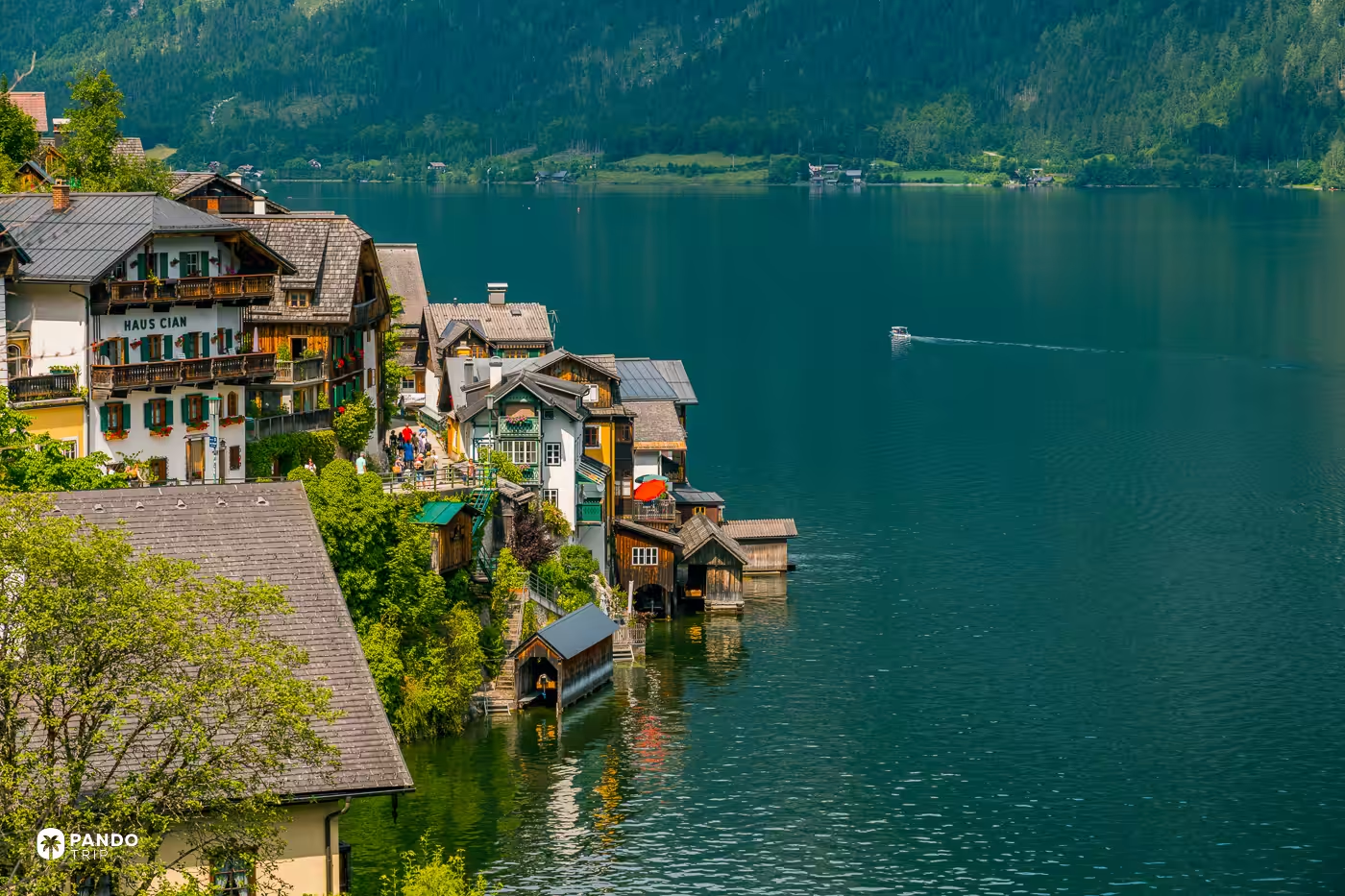
Honesty first: the village that launched a million screensavers is drowning in its own fame. Fewer than 800 people live in Hallstatt; around a million tourists a year come to photograph them, and the town now caps tour coaches at 54 a day and has floated a hard limit of 5,500 visitors on the ground at once. So don’t come for the day — come for the night. Stay at the Seehotel Grüner Baum on the car-free square, a house whose guest book runs from Empress Sisi to Agatha Christie, and watch the last buses pull out around five, when the lanes empty and the lake goes still and pewter. Dinner is Reinanke, the lake whitefish, at Bräugasthof am Hallstättersee under a chestnut tree older than most of the guests. The salt mine in the valley above has been worked for seven thousand years, which puts the crowds in perspective.
Achensee
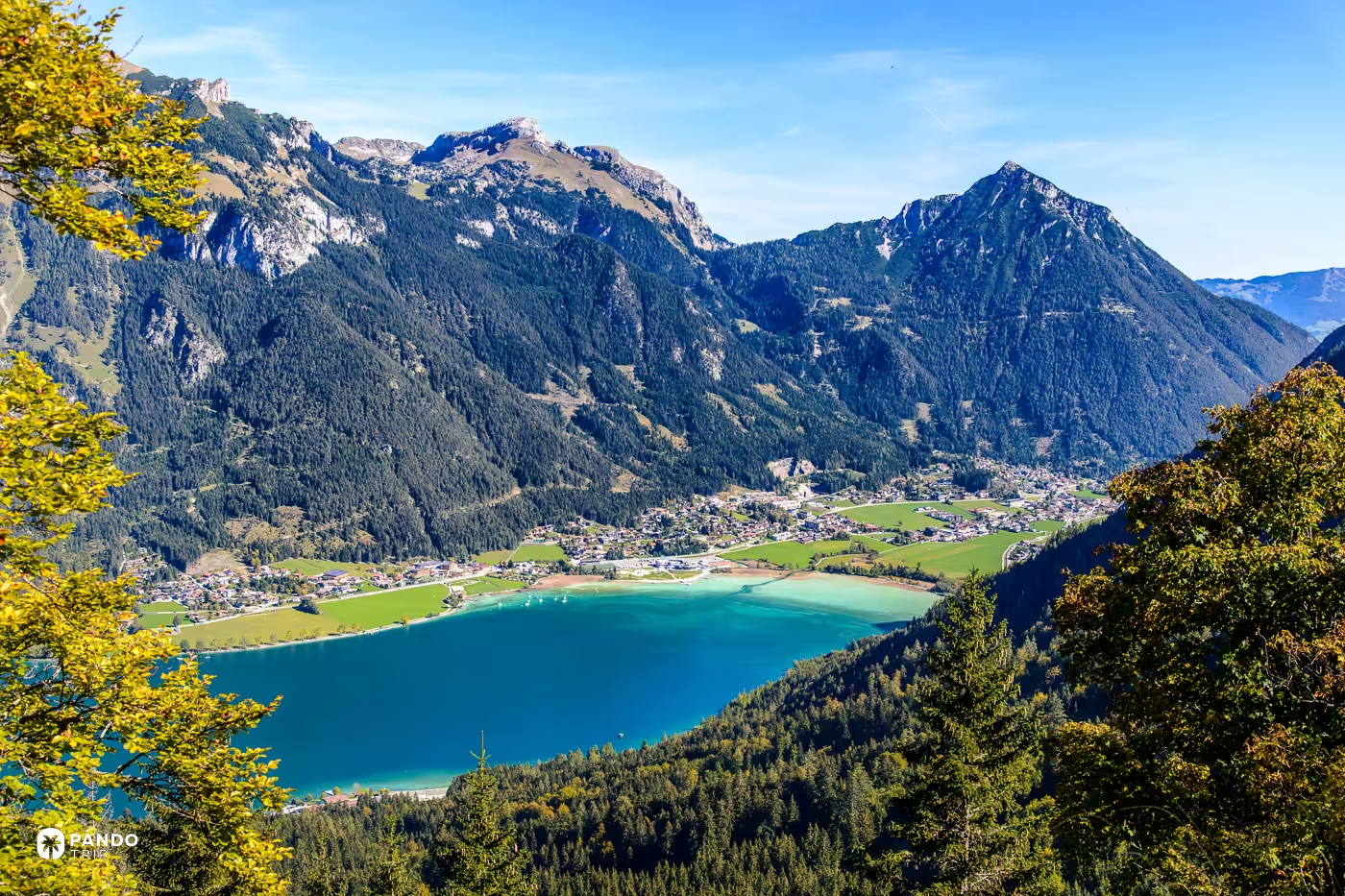
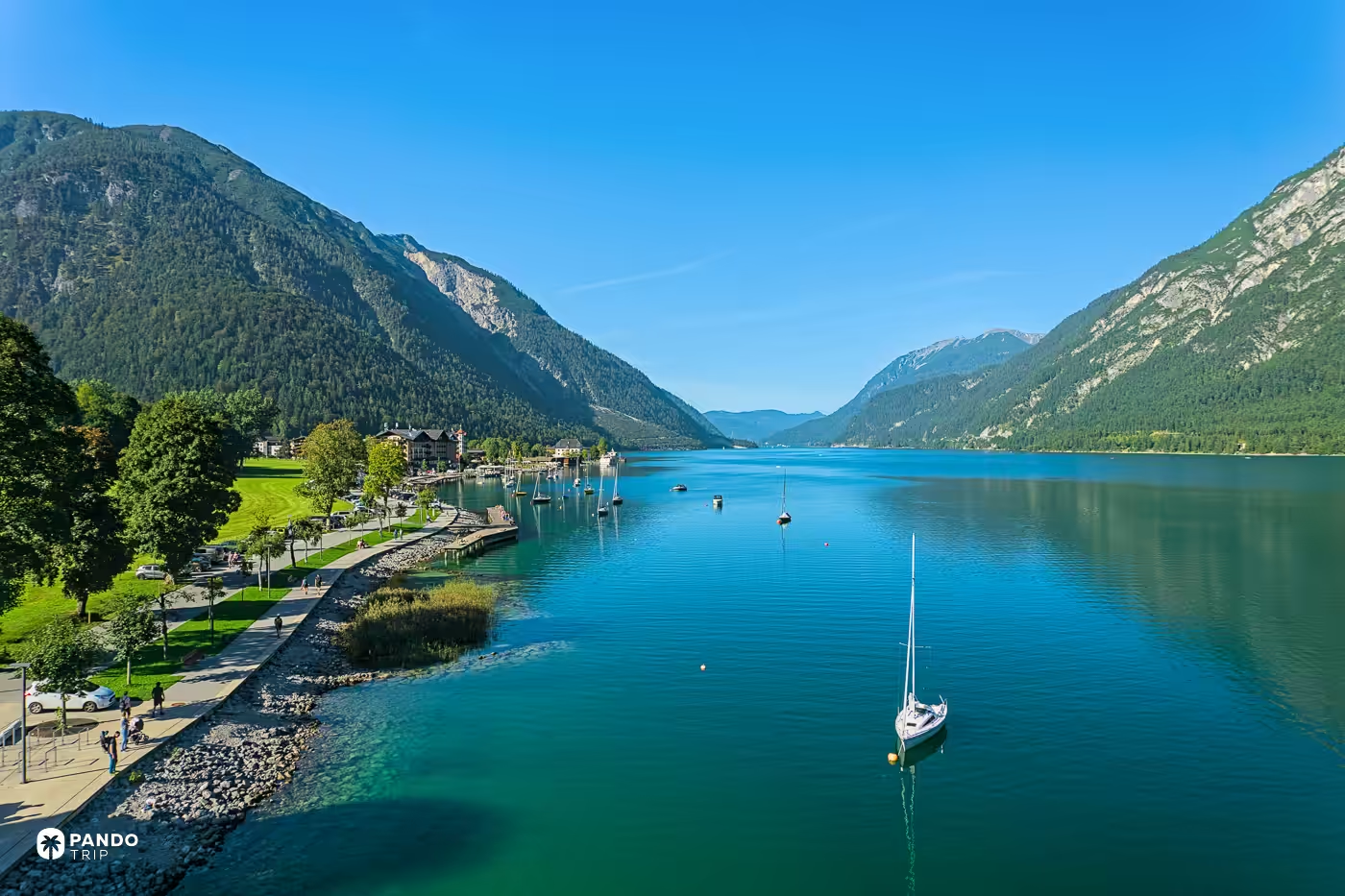
The color is the thing here, and it isn’t a filter. Achensee runs a hard, luminous jade — fine lime particles in the meltwater scattering the light — and at 133 meters deep and nine kilometers long it is the biggest lake in Tyrol, which is why locals call it the Tiroler Meer, the Tyrolean Sea. It has the winds to match: light southerlies in the morning, then the Boarische, a stiff northerly that gets the sailboats leaning by early afternoon. Walk the Mariensteig, a cliff path scratched into the rock face between Pertisau and the Gaisalm — the only alm in Tyrol you can reach solely on foot or by the Achensee ship — and take the boat back. Adults after quiet can settle into the lakefront Seehotel Einwaller below the Karwendel. Weekday mornings, before the wind and the day-trippers, are the reward.
Königssee
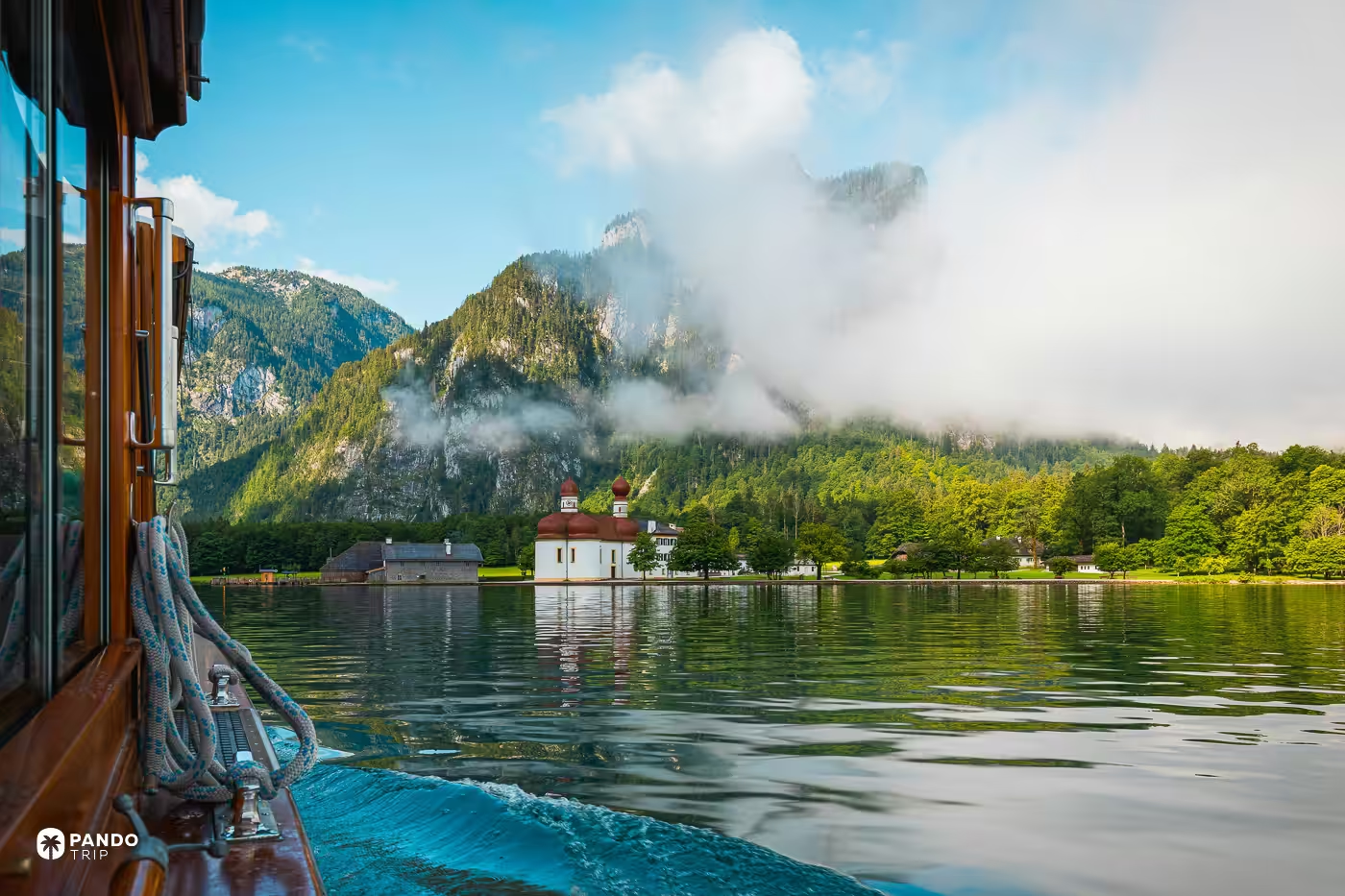
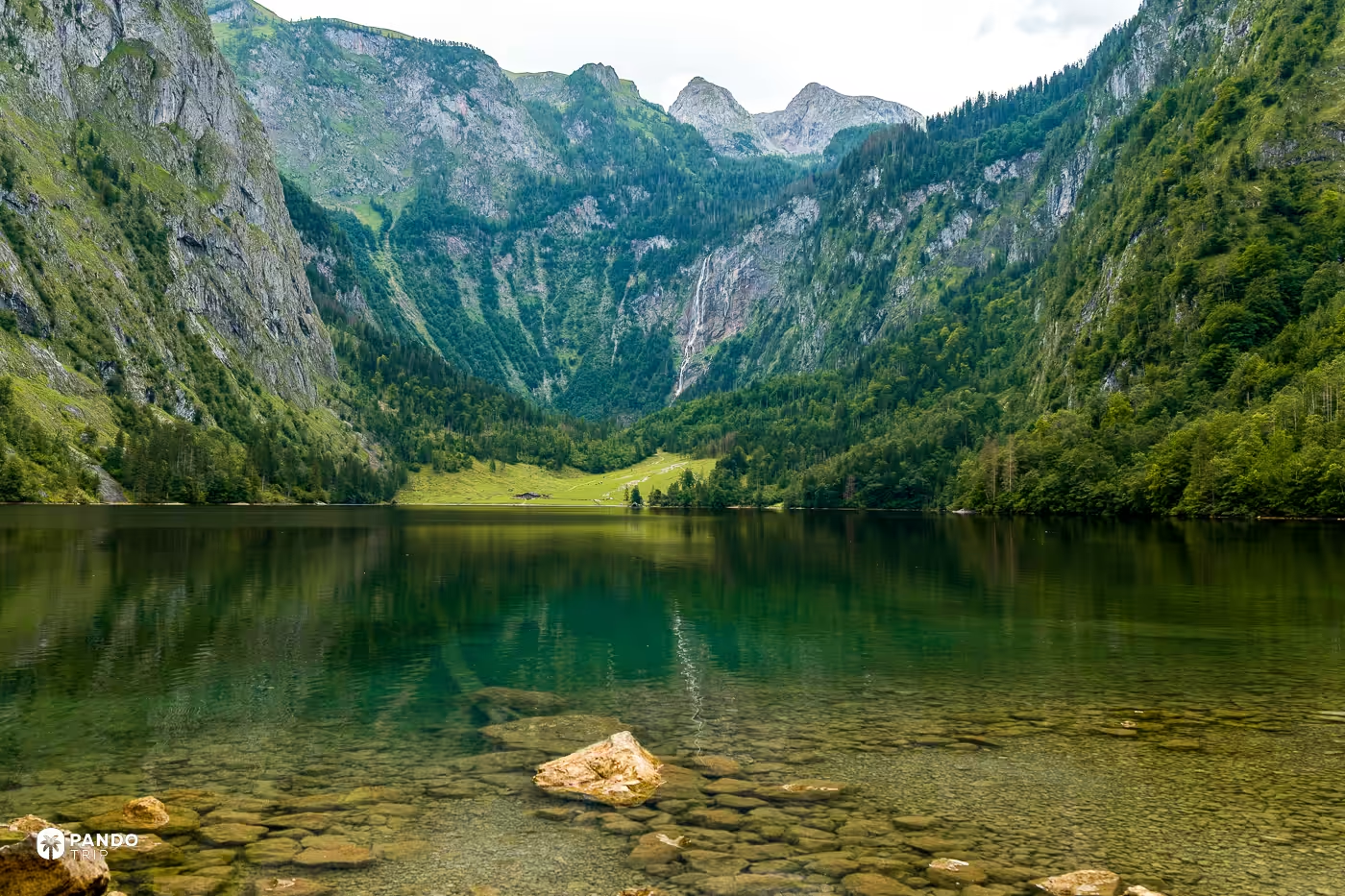
Listen first. Since 1909 the only boats allowed on the Königssee have been electric — motors are banned to keep the water drinking-clean — so the fjord glides in near-silence between cliffs that throw everything back at you, and halfway across the boatman cuts the engine, lifts a flugelhorn, and plays a few notes at the rock wall so the echo can answer. At the far end the twin onion domes of St. Bartholomä sit on their green spit beneath the sheer east face of the Watzmann. This is one of Germany’s deepest and cleanest lakes, about 190 meters down. Eat where the boat lands: the Fischerstüberl serves Schwarzreiter, tiny char smoked over hazelwood on thin skewers in a method the lake’s fishing families keep to themselves. Come May, June, or October, take the first sailing, and stay lakeside at the family-run Hotel Königssee.
Oeschinensee
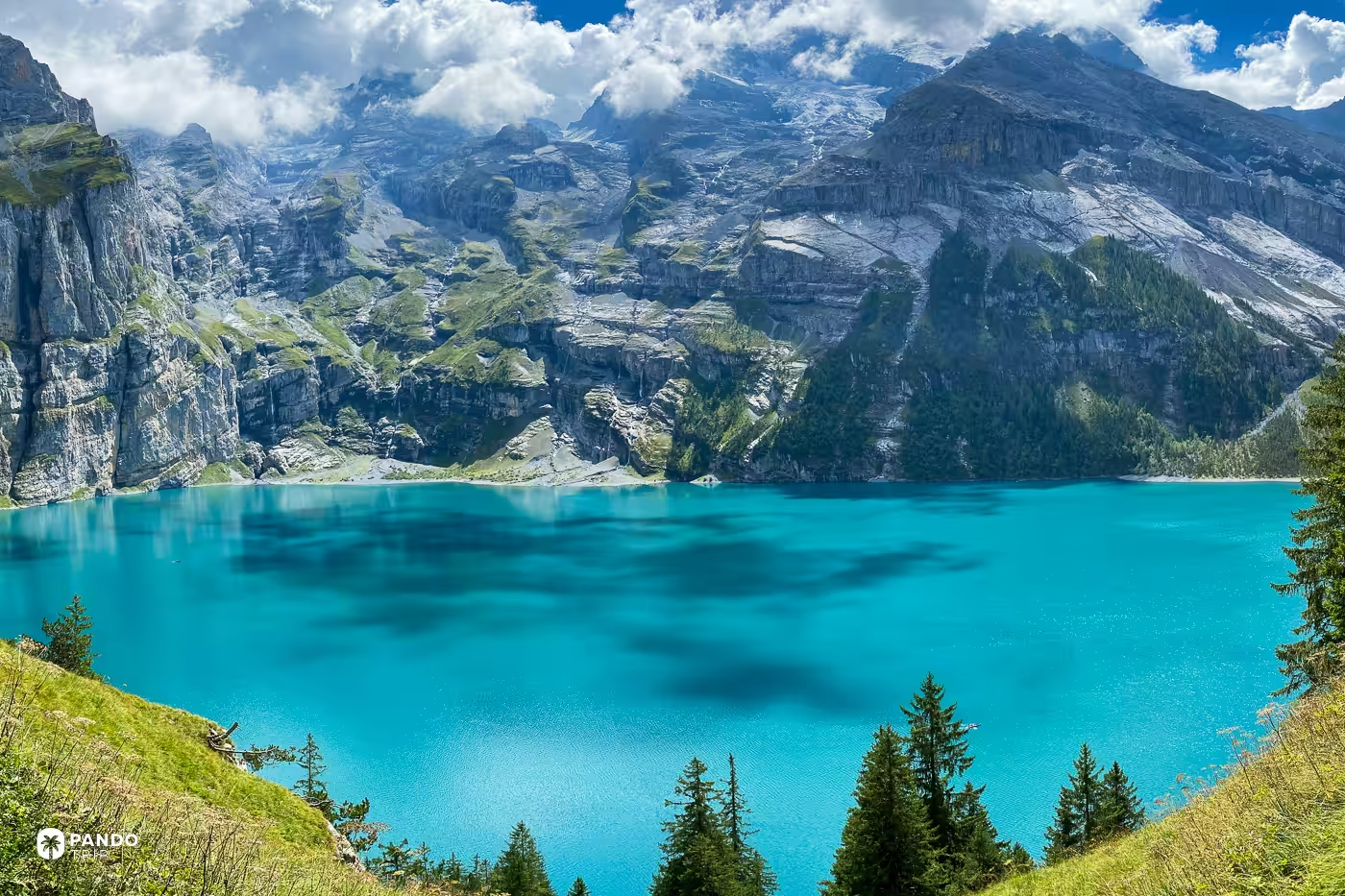
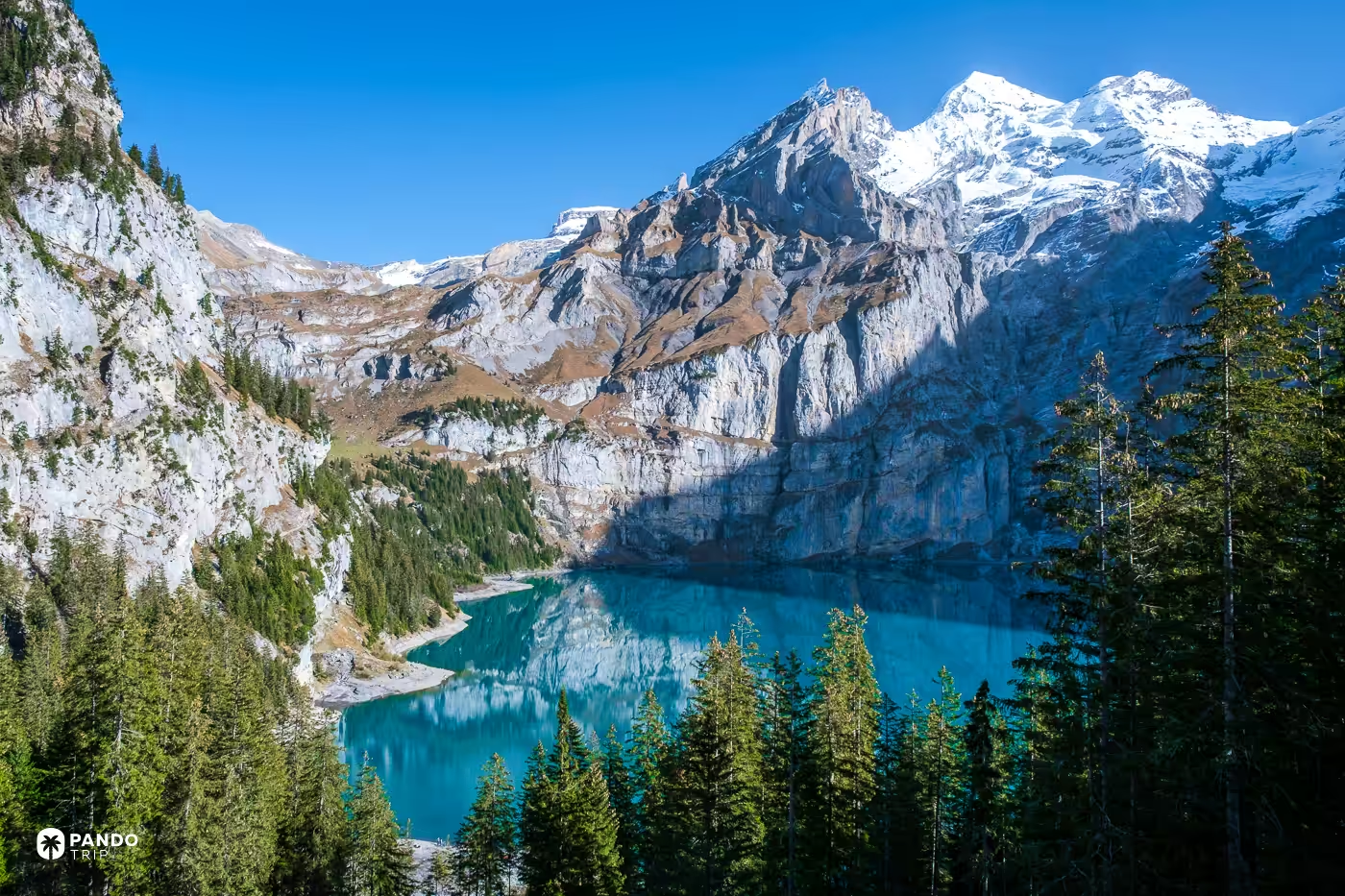
It exists because a mountain fell down. Sometime after the last ice age, more than a hundred million cubic meters of rock sheared off the Doldenhorn and dammed the valley, and the meltwater pooled behind it into this — a lake at 1,578 meters, ringed so tightly by near-vertical walls it feels less like a shore than the bottom of a bowl, the water a cloudy glacier-mint, the Blüemlisalp glinting over the rim. It marks the edge of the Jungfrau-Aletsch UNESCO area. You reach it by gondola from Kandersteg and a half-hour walk down; the on-lake Berghotel Oeschinensee has fed hikers since 1892, and its restaurant still does. Summer brings rowboats and a 750-meter toboggan run back toward the lift; in a rare hard, low-snow winter the surface freezes solid enough to skate, as it did in 2015 for the first time in nineteen years. Go on a July weekday, early.
Caumasee
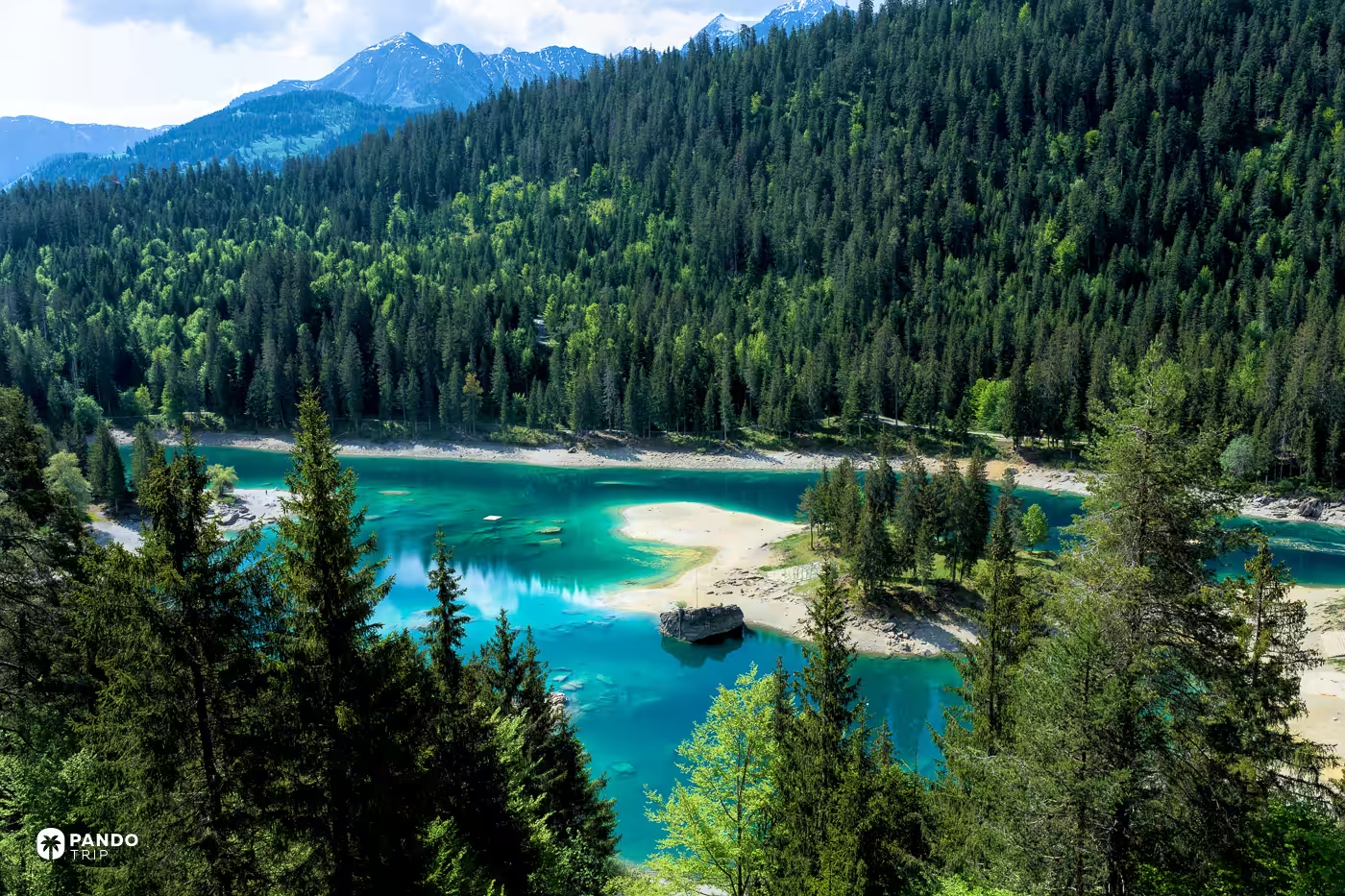
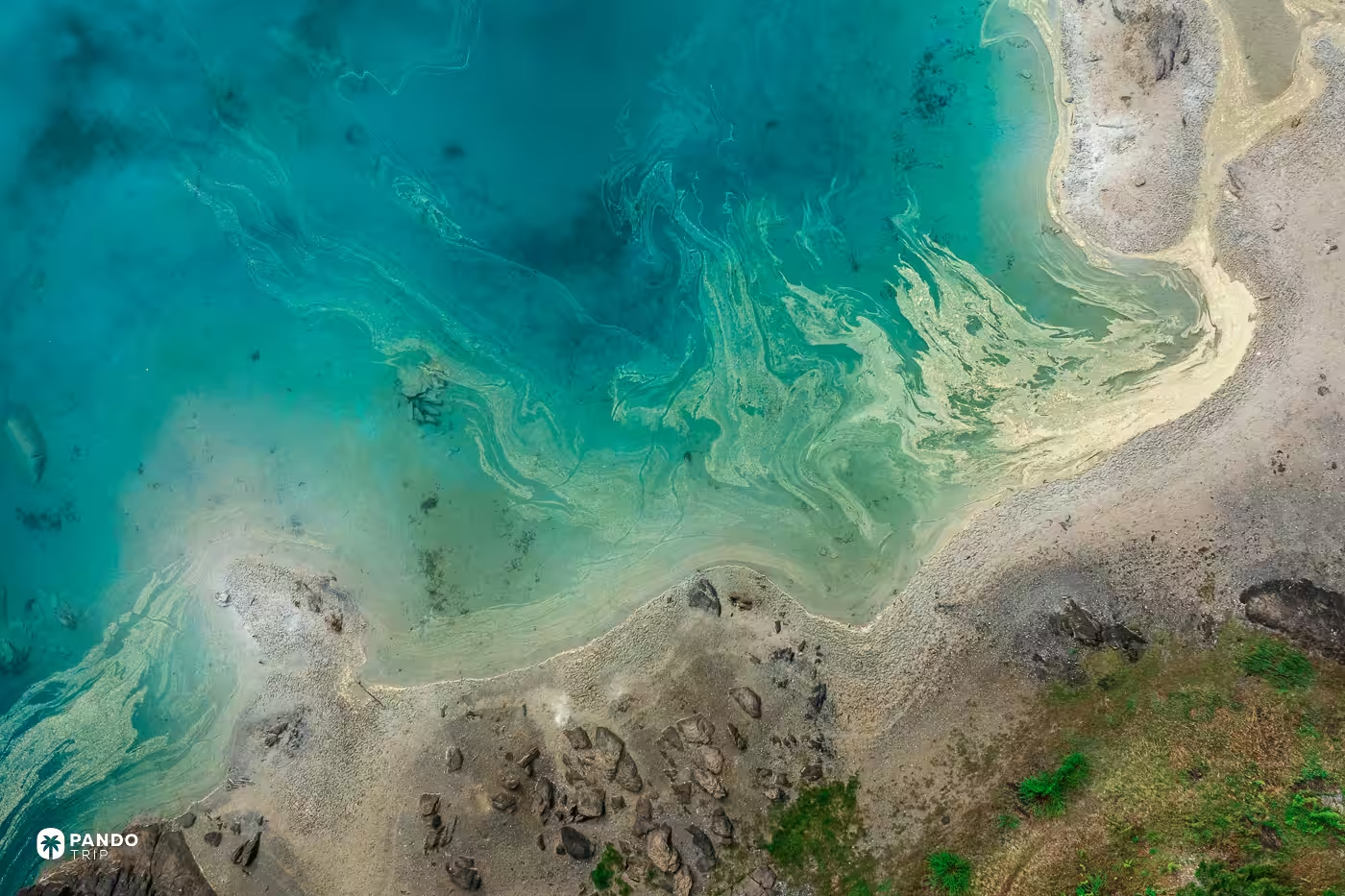
Here is the alpine lake you’d actually want to swim in. Tucked into the forest below Flims, the Caumasee warms to around 24 degrees in high summer — logged at 23 on a late-June afternoon this year — a genuine bathing temperature that most glacier-fed lakes never come close to, and you drop to it down a wooded slope on a little funicular called the Caumalift. The water is green-gold and clear enough to read the pebbles through, and it keeps a strange secret: the lake has no visible stream in or out. It fills and drains entirely through underground karst channels, its level rising and falling as much as seven meters across a year. Stay in Flims at Hotel Cresta, swim in the morning, and have lunch after at the lakeside Ustria La Cauma. And when the water sits low, spare a thought for where it went: since a road tunnel punched through the rock in 2002 and severed one of the karst tubes, more than a thousand liters a second have been quietly draining away from the springs that feed it.
Lac d’Annecy
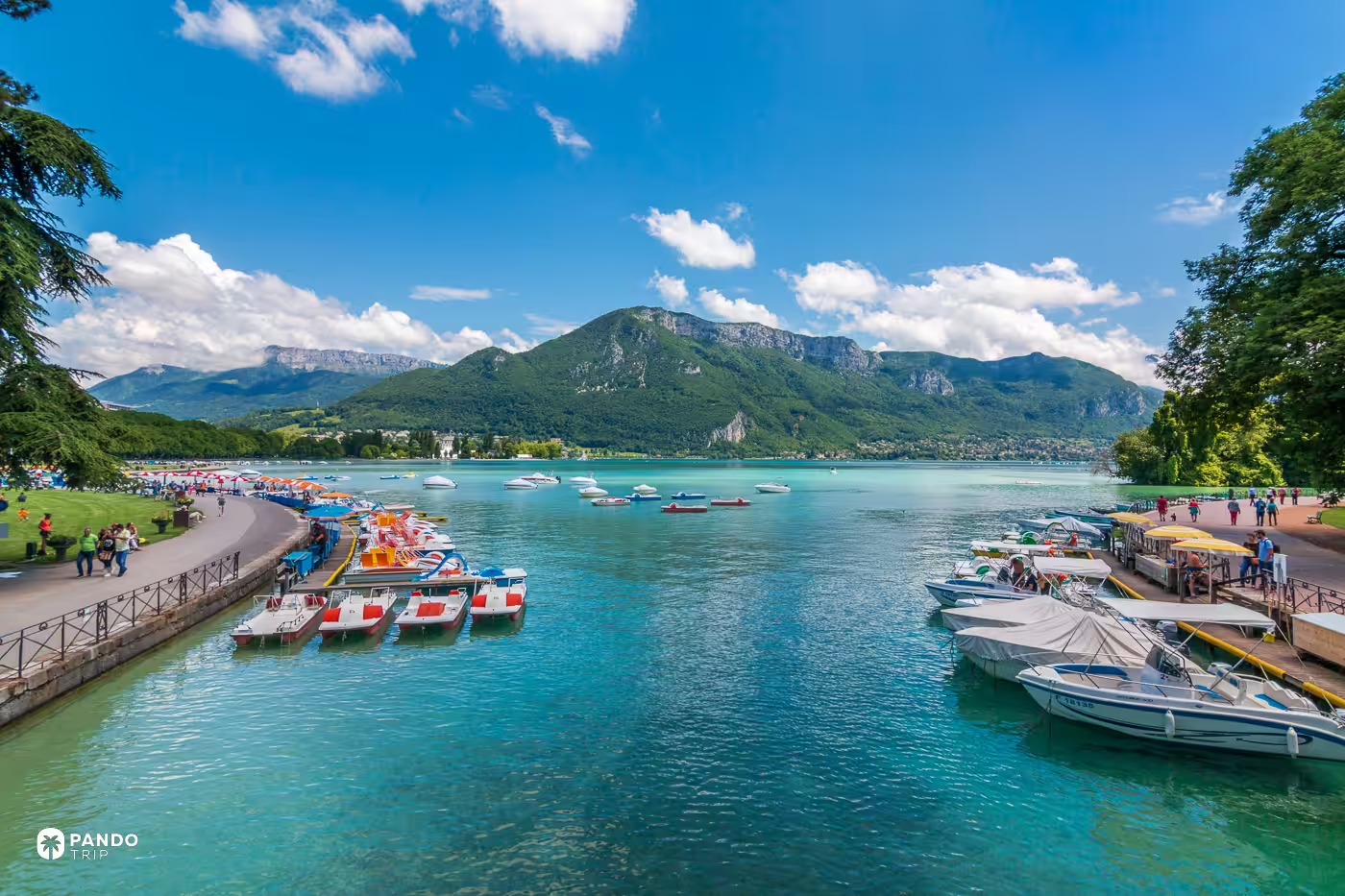
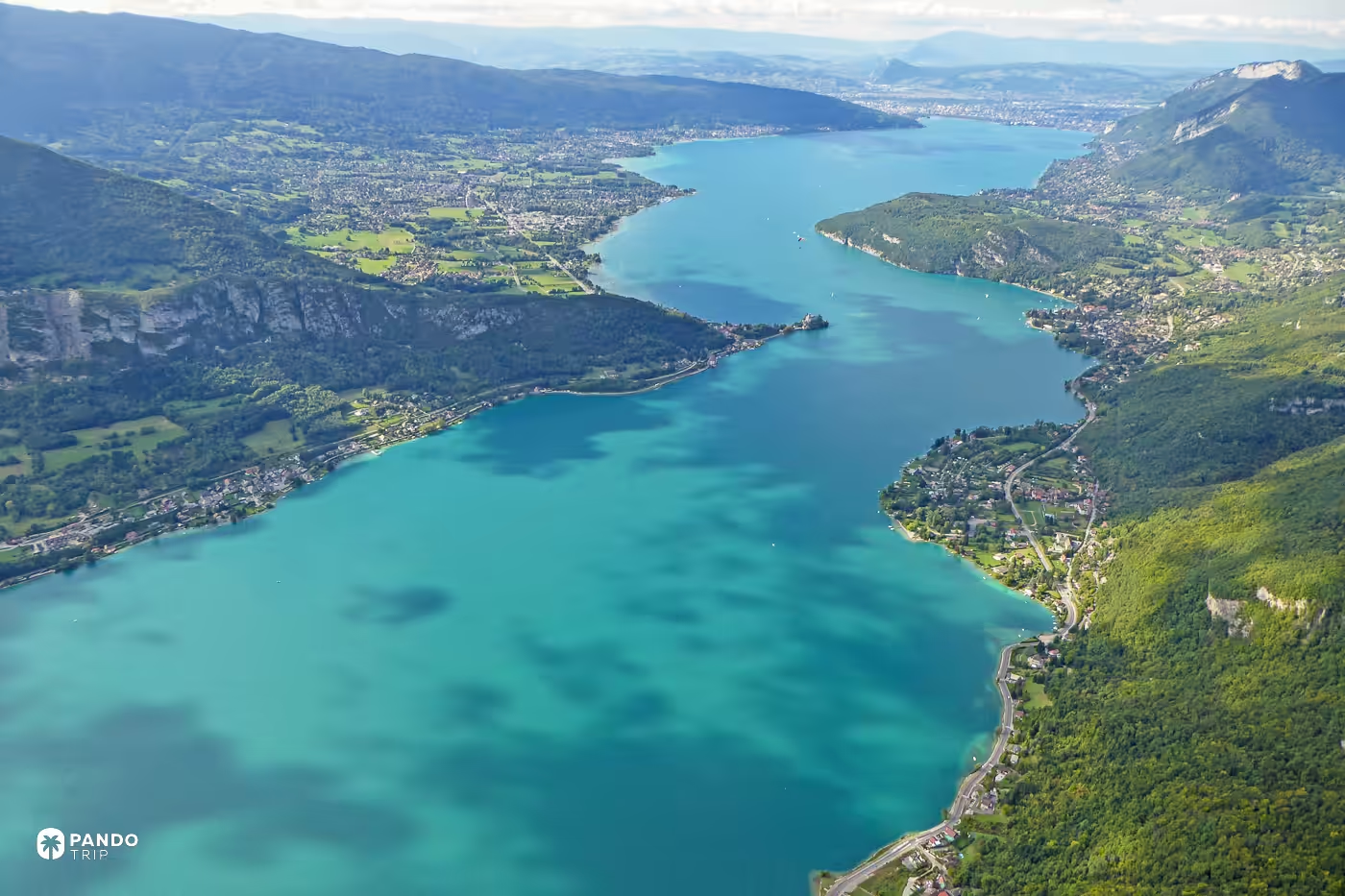
Annecy earns the “Venice of the Alps” nickname honestly — the old town is laced with canals, and the turreted Palais de l’Île sits midstream like a stone ship — but the real marvel is the water it opens onto. The lake is one of the purest in France, clear to a depth that feels unreasonable, and there’s a concrete reason for it: in the 1960s, alarmed by postwar pollution, the towns ringed the entire shoreline with a collector sewer to carry wastewater away, and the lake has been running clear ever since. It’s engineering, not luck. Fourteen kilometers long and 80 meters deep, fed by mountain streams and one underwater spring, it stays warm enough to swim into October. Take a lakefront room at the Impérial Palace and dine at La Table de l’Impérial over the water; ride the shoreline cycle path early, and come in June or September rather than the French-holiday crush of August.
Lac de Sainte-Croix
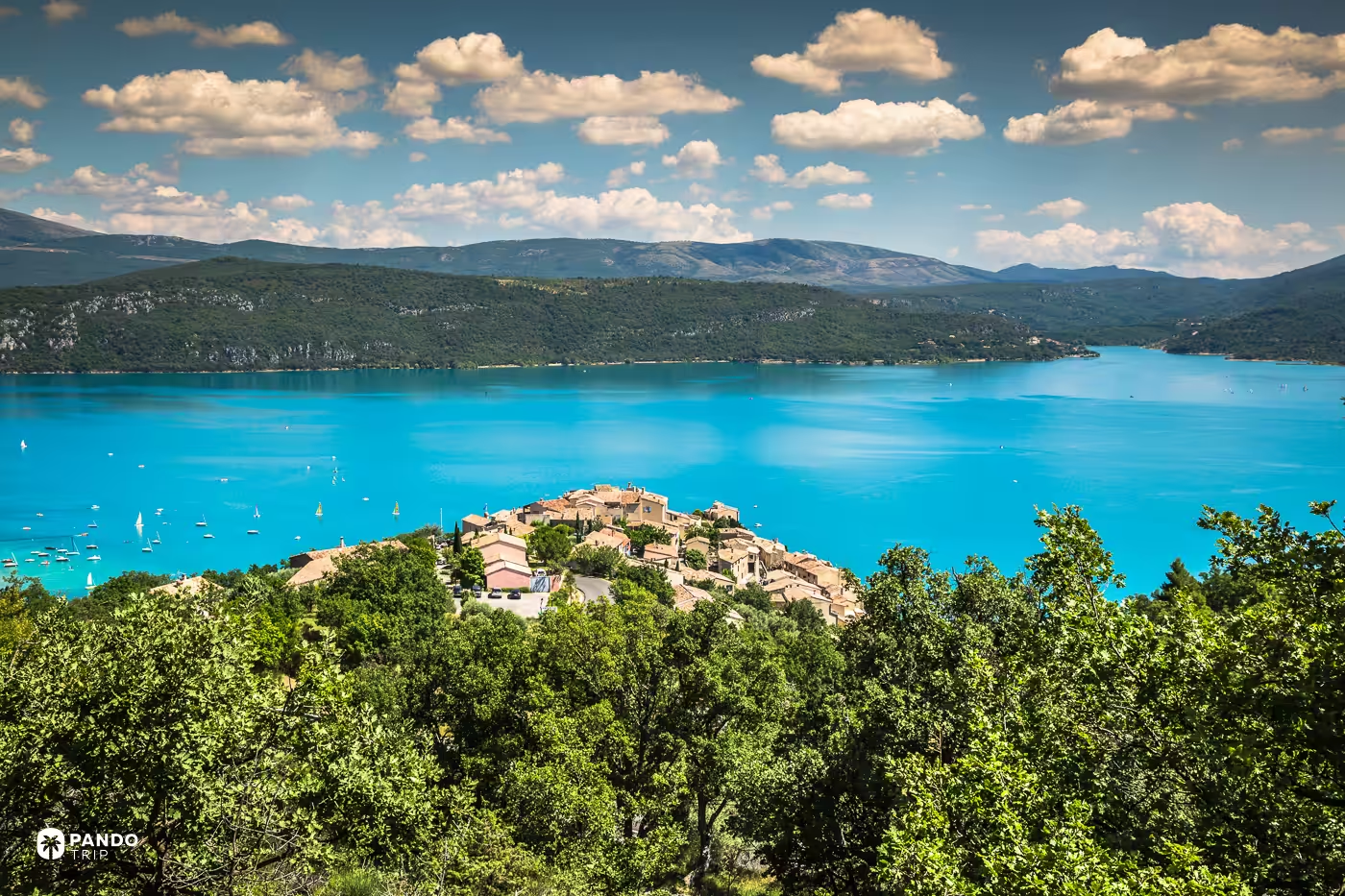
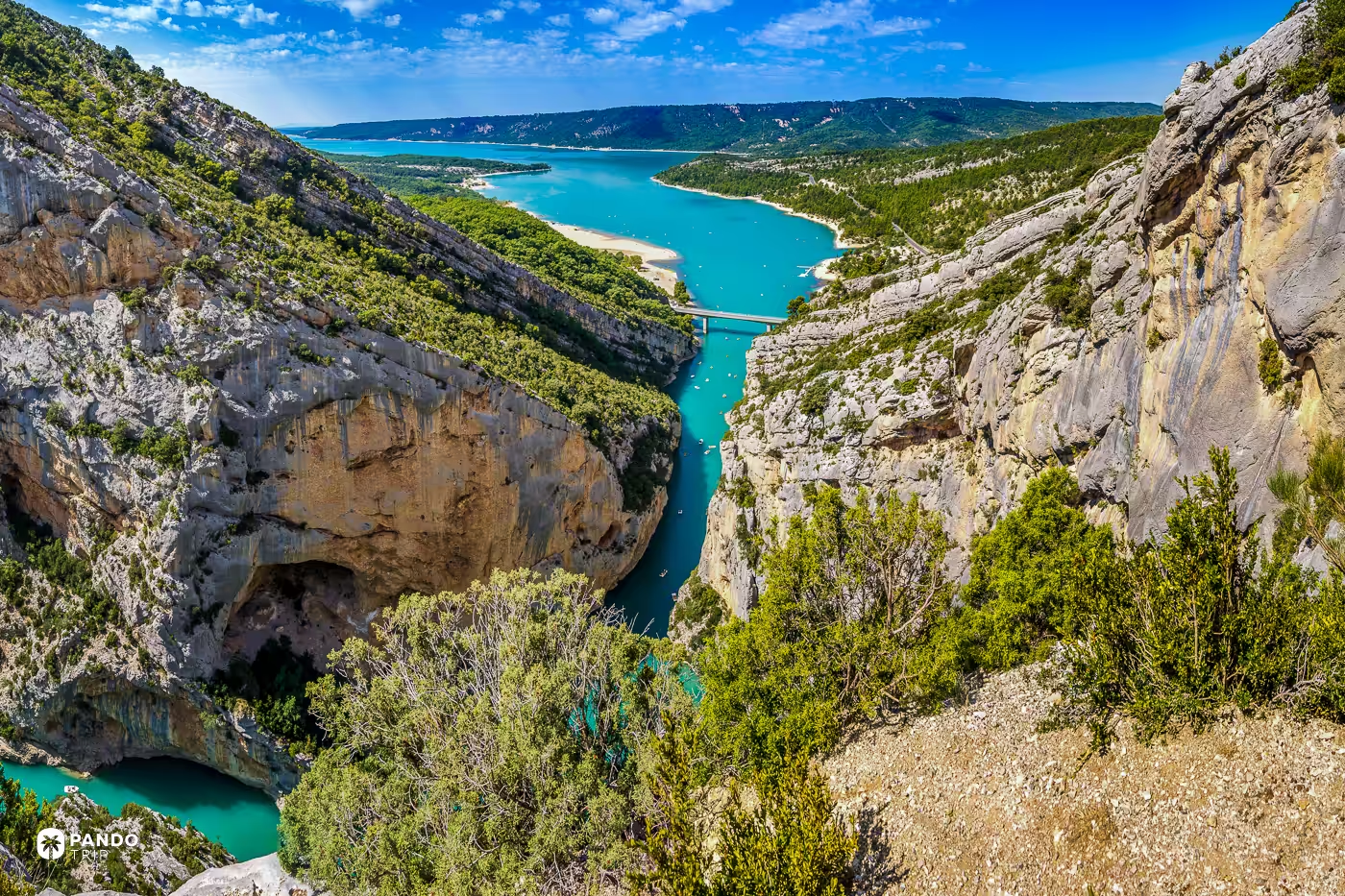
There is a village at the bottom of this one. Sainte-Croix is a reservoir, teal and enormous, held back by a 95-meter dam that flooded the valley in 1973 — and to make room for the rising water, the old village of Les Salles-sur-Verdon was condemned and its last houses dynamited on the 4th of March, 1974, then rebuilt on the heights to watch the lake fill. In drought years the old walls surface again. Today petrol engines are banned, so the water carries only kayaks, pedalos, and near-silent electric boats you can rent without a license from the beach at Bauduen, where the Auberge du Lac looks straight down the lake from its terrace. Paddle east and the shores close in and rise green and sheer: you are passing under the Pont du Galetas into the mouth of the Verdon Gorge, the whole reason to come. Do it in late spring or September. In August the launch is a car park.
Twelve lakes, six countries, one rule that holds for all of them: come early, come at the shoulder of the season, and the most photographed water in Europe will hand you a version no one else on the shore is getting.