One brews its beer through a pipeline under the cobbles; one bills itself the smallest city on earth.
Belgium gets treated as a corridor. People change trains here on the way from Amsterdam to Paris, budget an afternoon for Bruges and a paper cone of fries, and file the whole country under “done.” It is one of the great misreadings in European travel. Squeezed into a nation smaller than Maryland is a density of belfries, guild squares, canal reflections and cliff-wedged river towns that Italy would need three regions to match, and because everyone stops at the same one, most of it stays gloriously to yourself.
So here are ten we’d actually cross the country for. A few you already know; the pleasure is in how differently they wear their beauty. The rest you can string together on a rail pass and a fortnight, and never once eat a bad frite.
Bruges
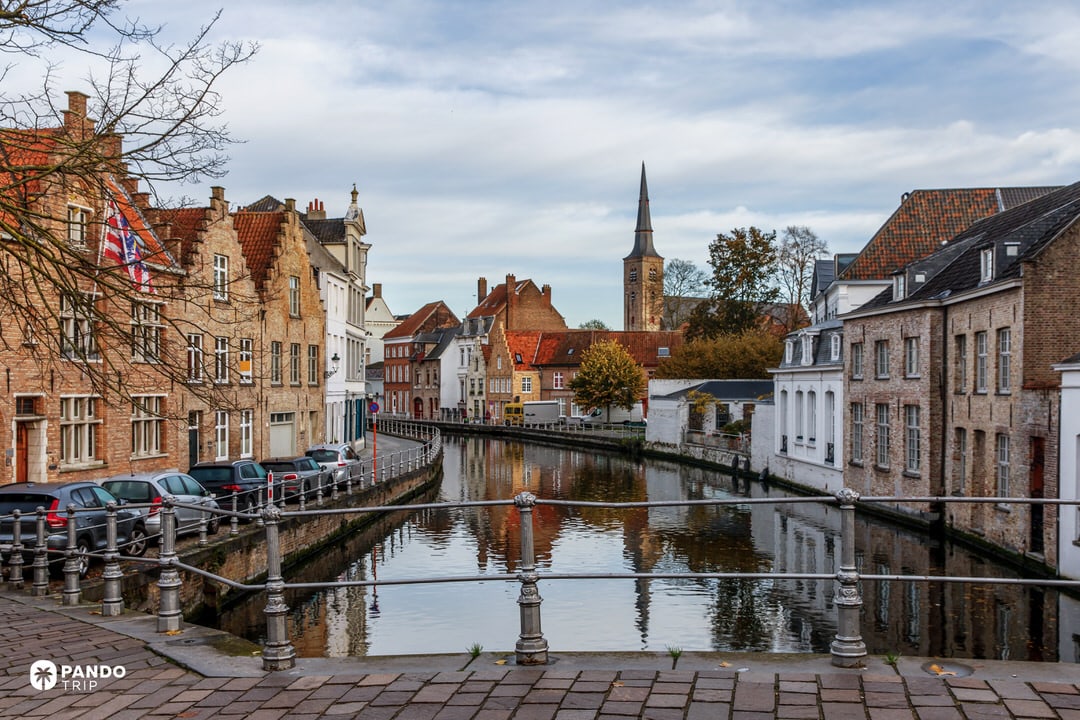
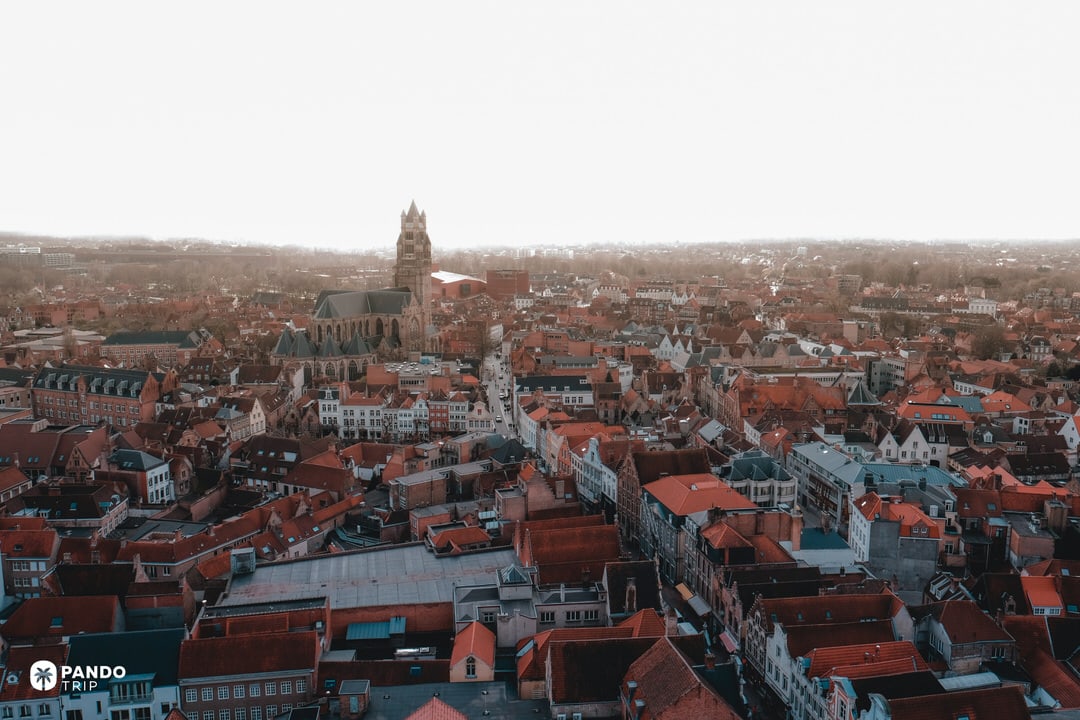
Yes, it is mobbed. By eleven in the morning the bridge at Rozenhoedkaai is three deep in phone cameras, and there is a version of this town that deserves its reputation as a chocolate-box cliché you queue to photograph. Stay the night and you buy the other version. The day-trippers and cruise excursions drain out by six, and the old core — all stepped gables, swans, and water going gold — becomes, improbably, quiet. This is the single best piece of advice about Bruges: don’t come to it, sleep in it.
Climb the 83-meter Belfort in the morning before the queue forms; it is 366 narrow, spiraling steps to the top, and the stairwell tightens as you go until you are practically corkscrewing up to the carillon. Down at street level, the brewery De Halve Maan solved a very Bruges problem in 2016. How do you move beer through a UNESCO-listed old town without tanker trucks grinding over the cobbles? You lay a 3.2-kilometer pipeline under the streets, the world’s first, pumping Brugse Zot from the historic brewhouse to a bottling plant on the edge of town. Backers who helped crowdfund it were paid in beer for life.
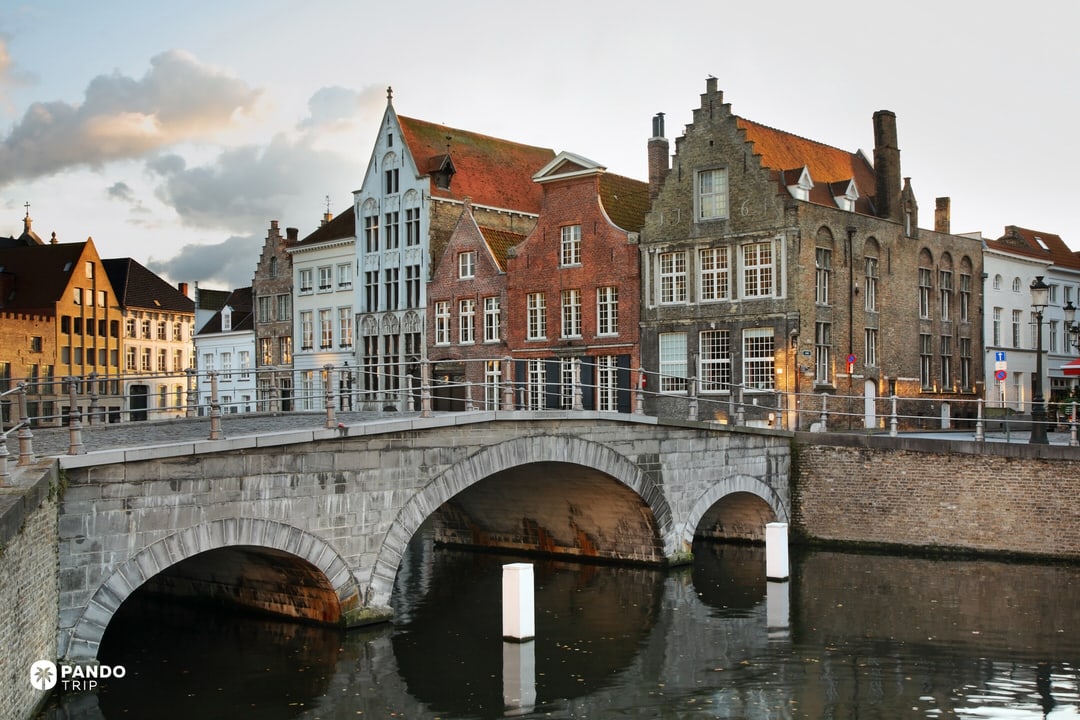
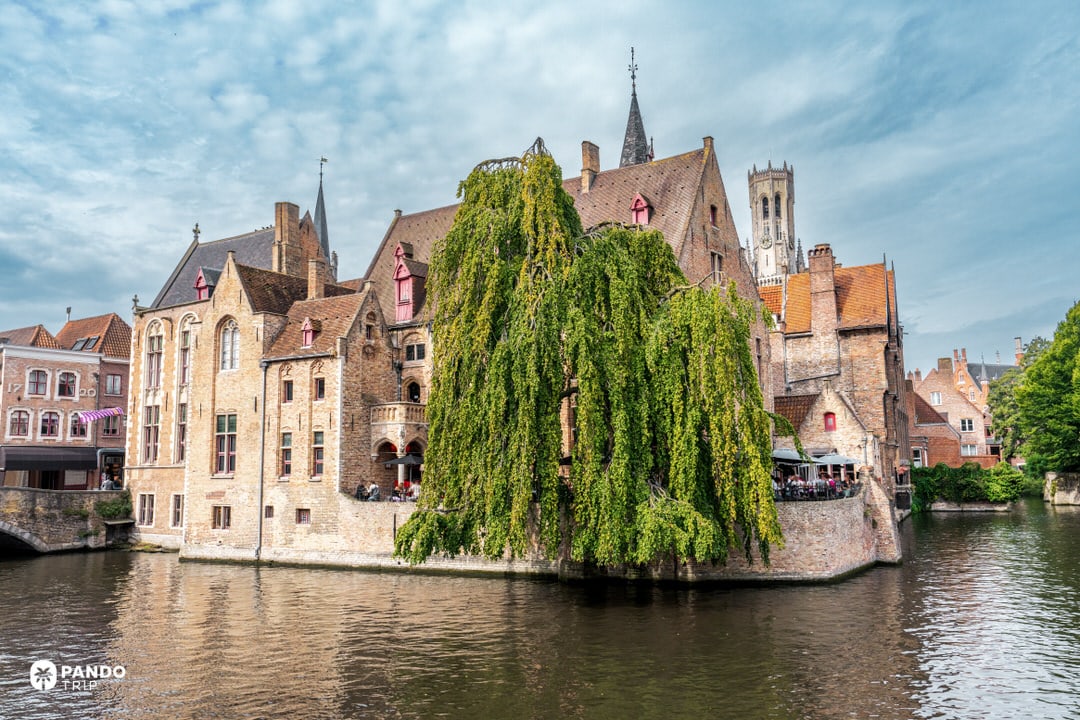
Where to stay: Relais Bourgondisch Cruyce, the half-timbered house at the junction of two canals — you have seen its gable in every Bruges photo and possibly in In Bruges — has sixteen individually dressed rooms above one of the most photographed facades in Flanders. For dinner, Sans Cravate on Langestraat holds a Michelin star without the hush that usually comes with one.
Ghent
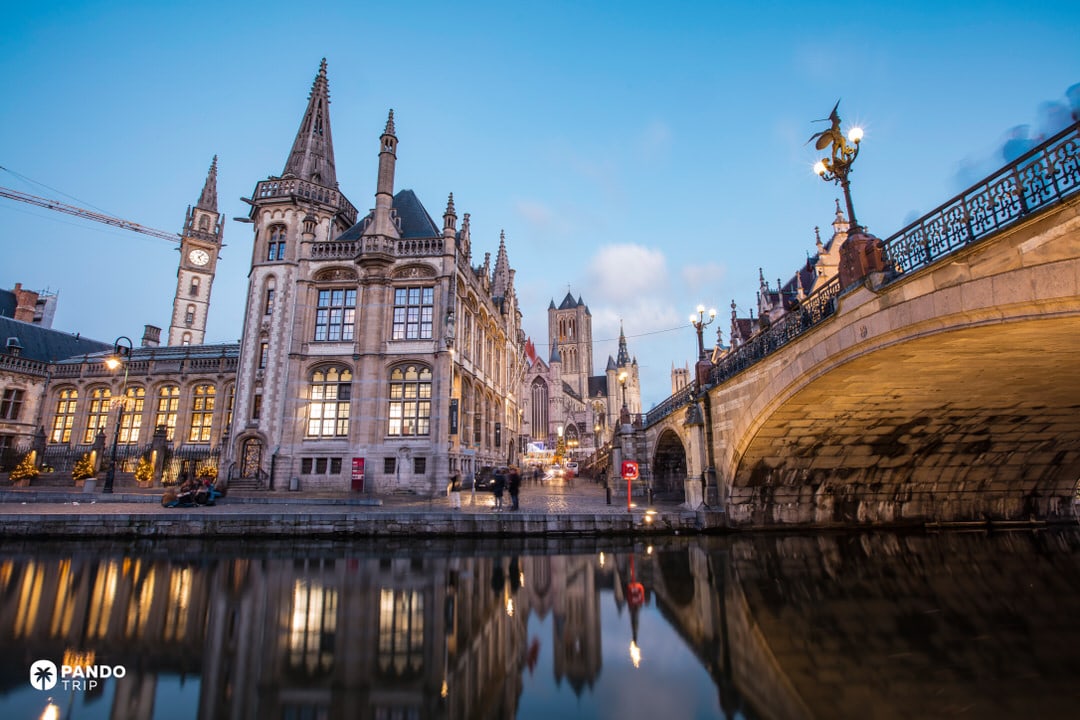
Ask a Belgian which city quietly outdoes Bruges and a good number will say this one. Ghent has the same medieval waterfront: the guild houses along the Graslei stacked shoulder to shoulder, reflected in the Leie at blue hour, three towers rising behind. But it is a working university city, not a preserved one, so the beauty comes with graffiti alleys and student bikes and actual weeknight life.
The city’s treasure sits in St Bavo’s Cathedral: Jan van Eyck’s Adoration of the Mystic Lamb, unveiled in 1432, a multi-panel altarpiece so revolutionary and so coveted it has been stolen, dismembered, and hunted across centuries. One panel, spirited away in 1934, has never been found. A short walk away, Werregarenstraat has been the opposite of untouchable since 1996, a cobbled alley the city sanctions as a legal graffiti wall, repainted so constantly that the version you photograph won’t exist next month.
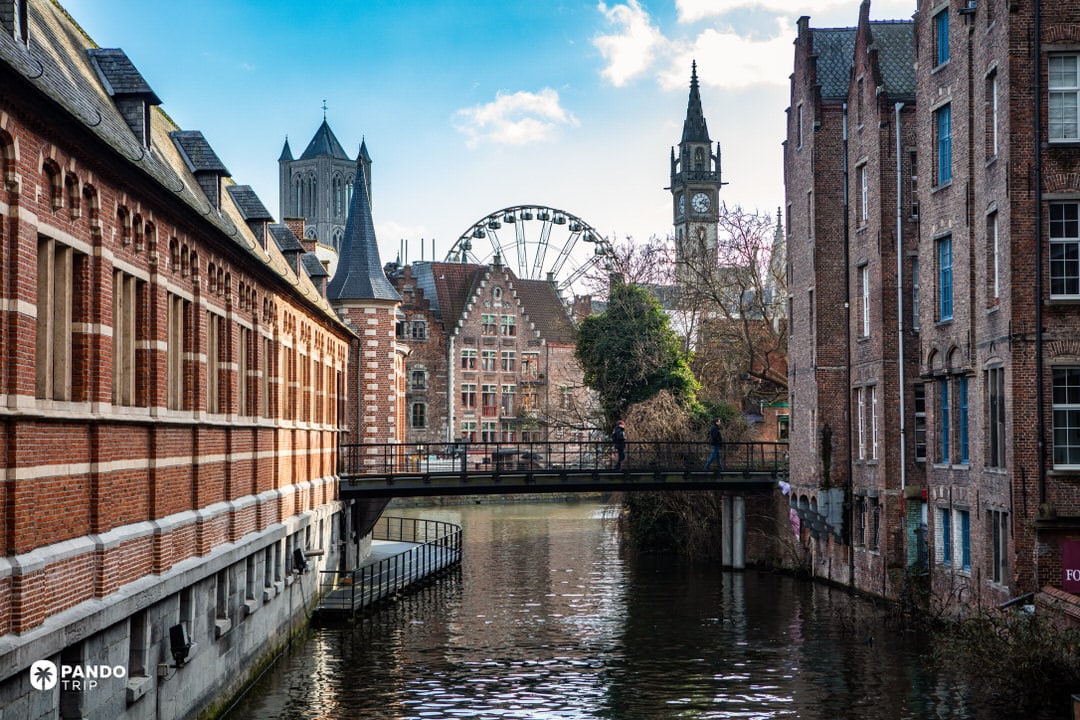
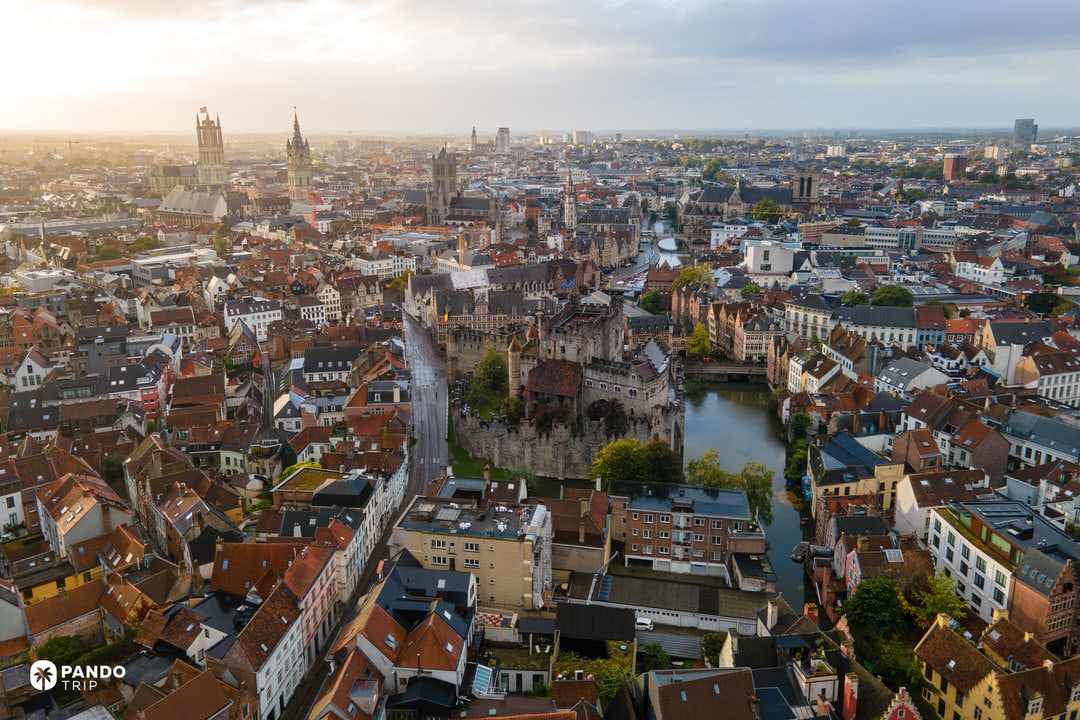
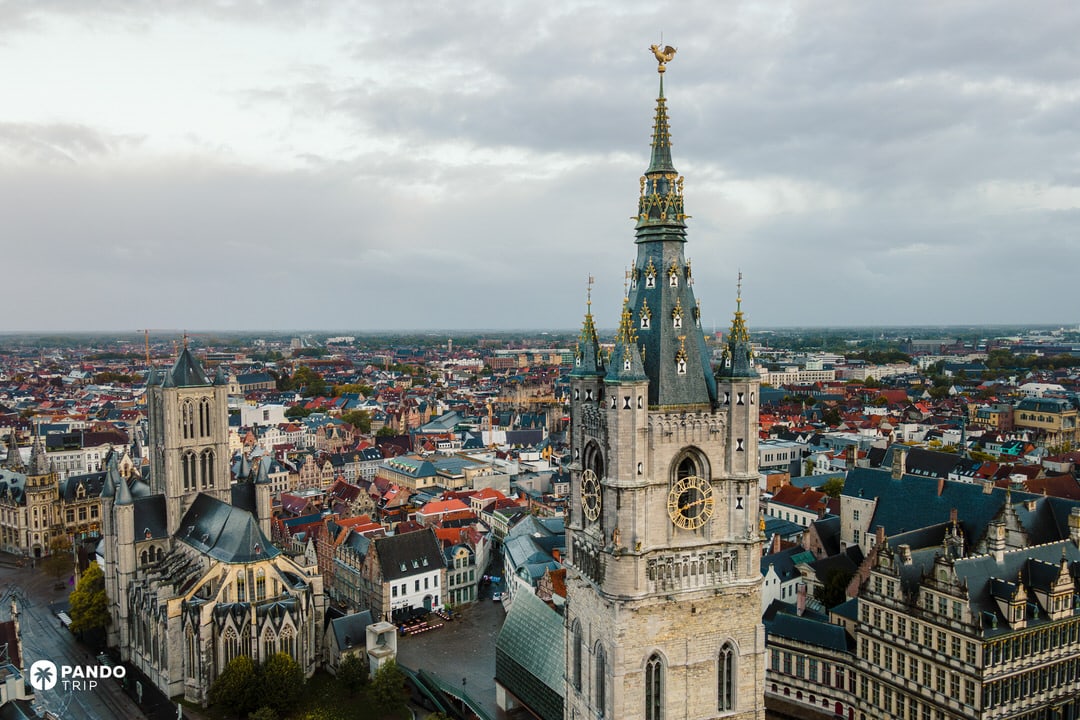
Where to stay: 1898 The Post occupies Ghent’s former central post office on the water, 38 antique-furnished rooms with a speakeasy cocktail bar, The Cobbler, hidden inside. Book a table at Publiek, where Olly Ceulenaere cooks a defiantly local Michelin-starred menu; if you want the city on a plate instead, order Gentse waterzooi, the creamy chicken stew that is Ghent’s own.
Antwerp
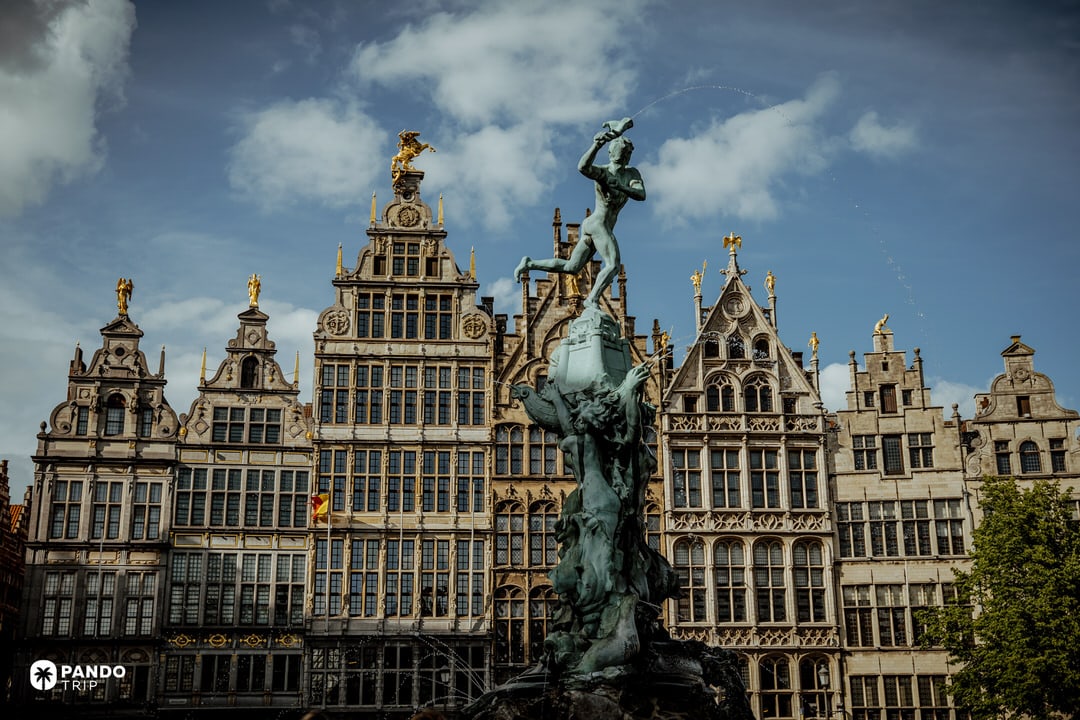
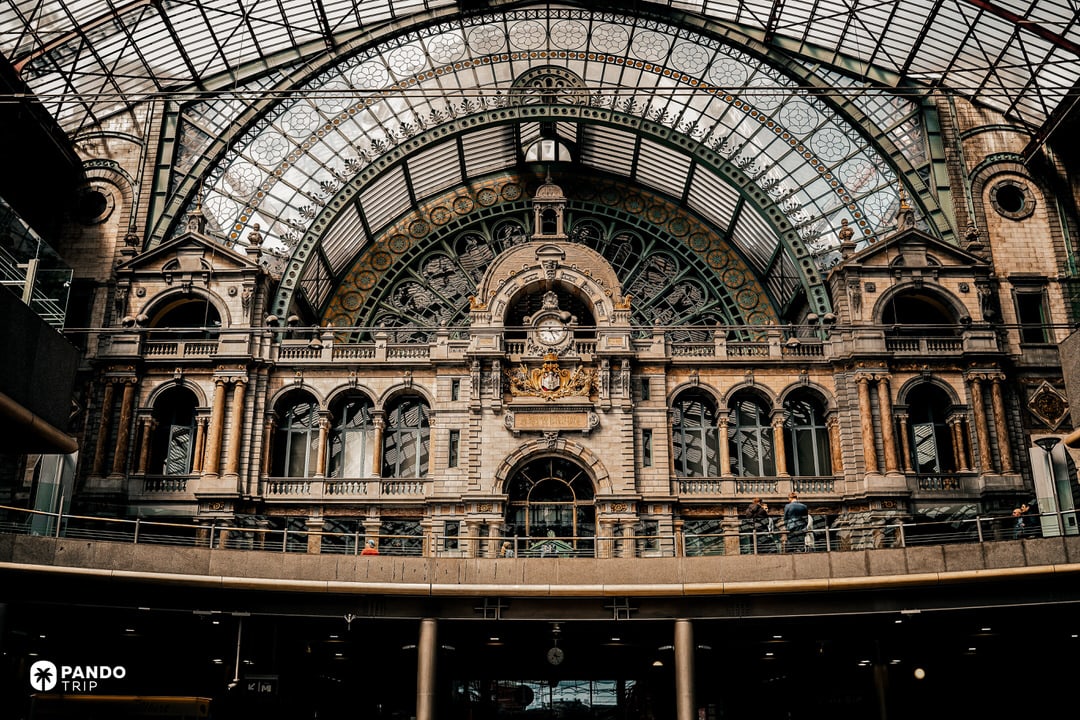
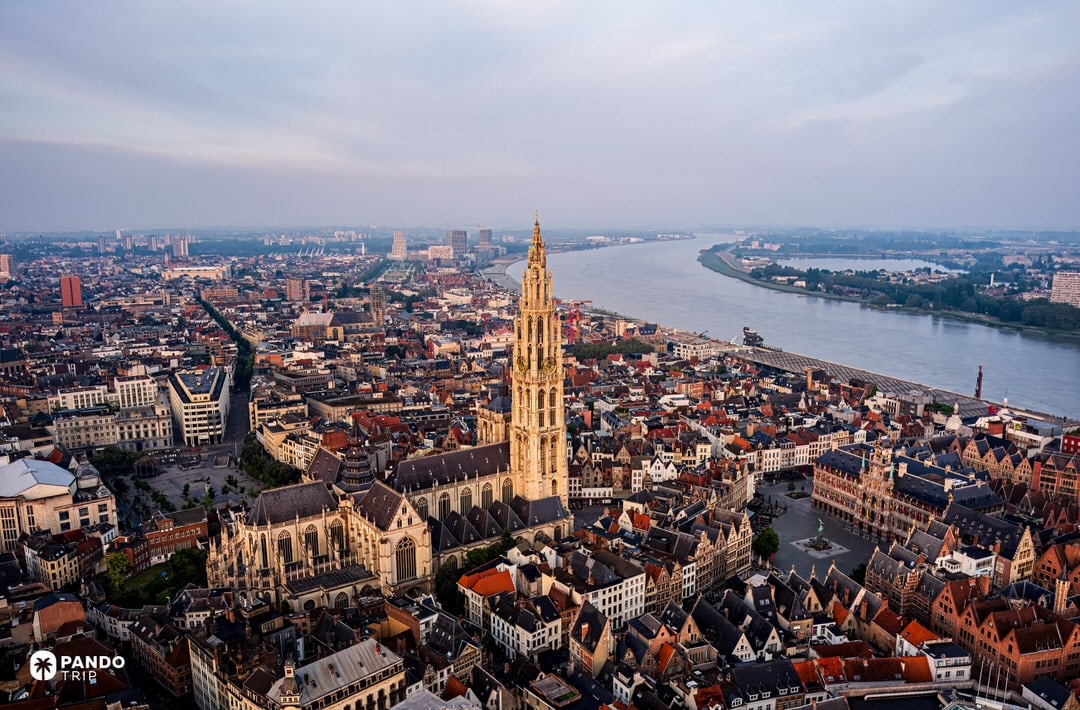
Start with the numbers, because Antwerp deals in them. Its Cathedral of Our Lady throws a Gothic spire 123 meters into the sky, the tallest church in Belgium, and hangs four Rubens masterpieces inside, the painter’s home city claiming its own. A few streets away, in a huddle of blocks beside Centraal Station, roughly 84% of the world’s rough diamonds change hands. This is a city of fashion academies and cargo docks and a station so opulent locals call it the Railway Cathedral, its stone staircase and iron-and-glass dome worth arriving early just to stand under.
Antwerp also staged the boldest move in Belgian dining. Nick Bril’s The Jane — for years a two-Michelin-star theater of a restaurant set inside a deconsecrated military chapel — walked away from that landmark room in 2025 and reopened in the Montevideo warehouse on the docklands with an entirely new concept. Ignore any guide still sending you to the chapel.
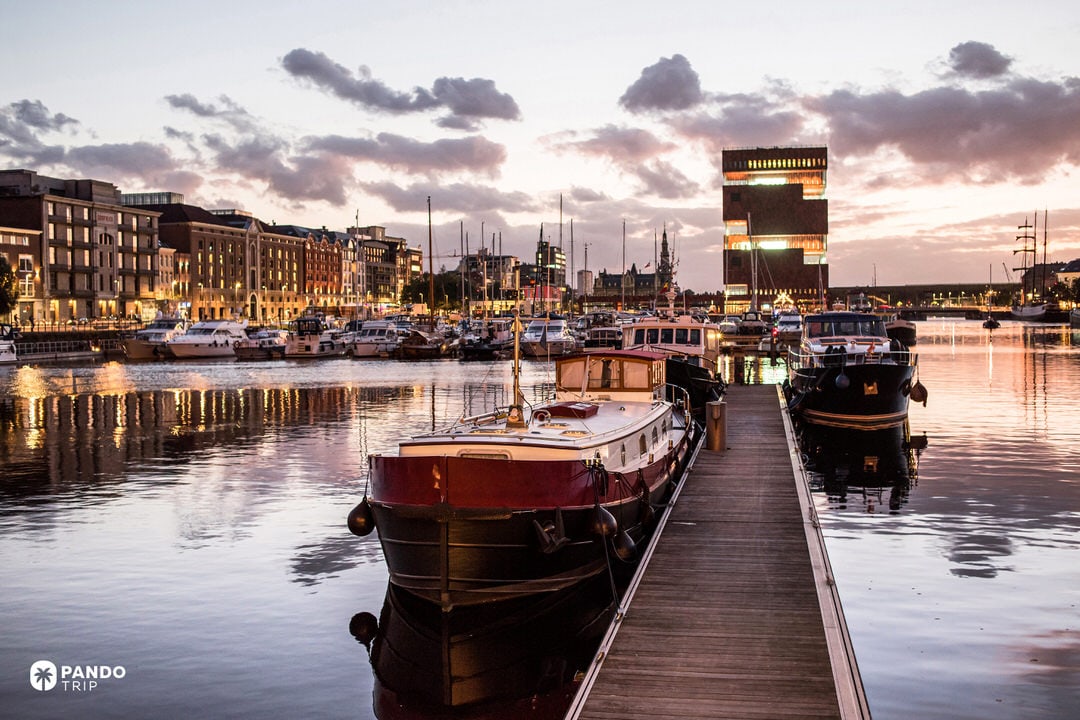
Where to stay: Botanic Sanctuary, the city’s grandest, is built into a restored 15th-century hospital and monastery complex: 108 rooms, four restaurants, a spa in the old cloisters, and Antwerp’s first membership in the Leading Hotels of the World.
Brussels
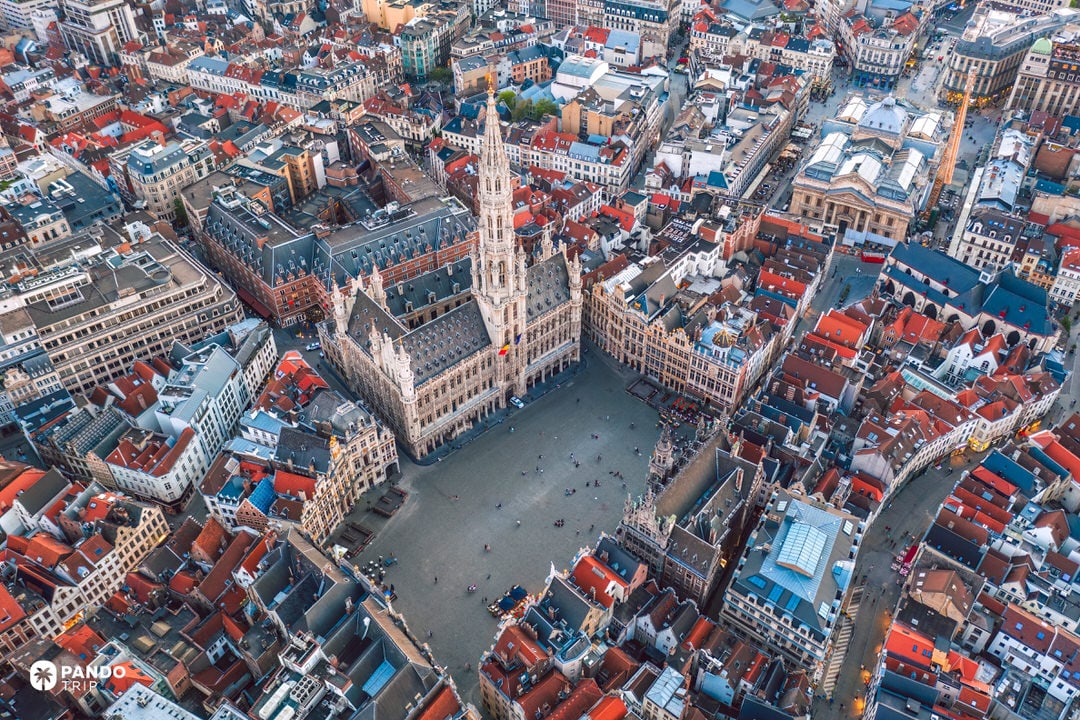
Step out of a narrow lane into the Grand-Place and the gilding hits you all at once: a UNESCO-listed cabinet of guild houses, each dripping gold leaf and statuary, glowing at low sun like the inside of a jewelry box. Brussels spends its reputation on Eurocrats, grey ministries, and a small bronze statue of a urinating boy, which is exactly why the square ambushes people. Victor Hugo called it the most beautiful square in the world and moved into a house on it; it is hard to argue.
Slip through to the Galeries Royales Saint-Hubert, a 200-meter glass-vaulted arcade that opened in 1847, the first of its kind in Europe, predating Milan’s more famous Galleria by three decades. Everyone knows the two main galleries, the Reine and the Roi; almost nobody detours into the quieter Galerie des Princes, which is where you go at opening time for the whole barrel vault to yourself.
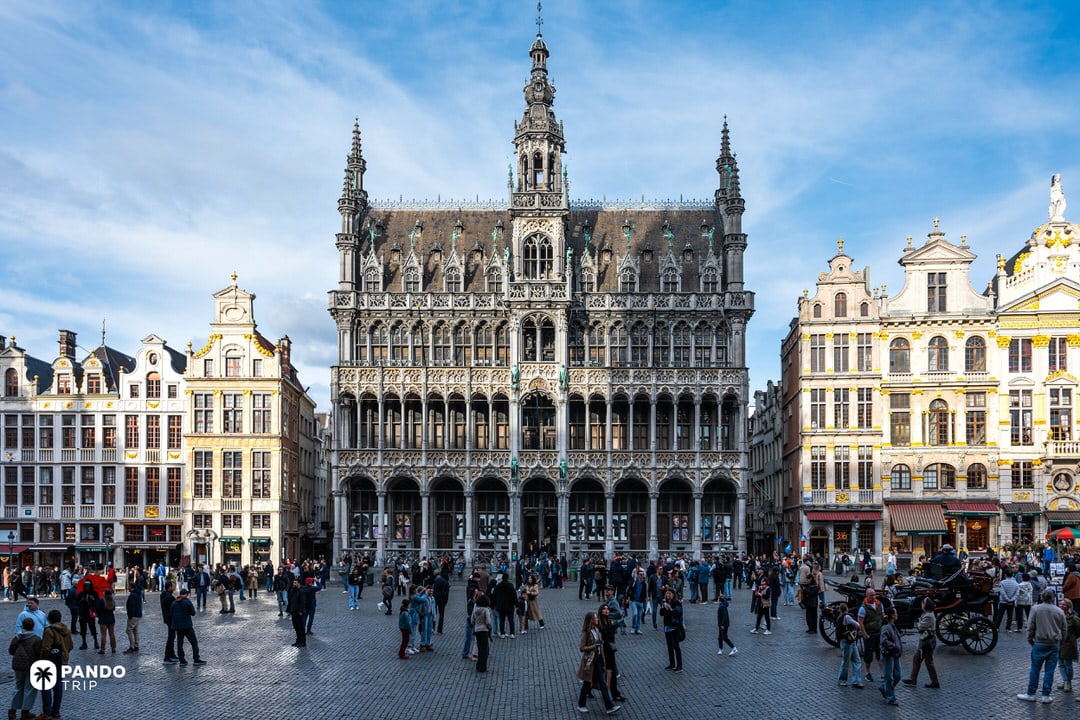
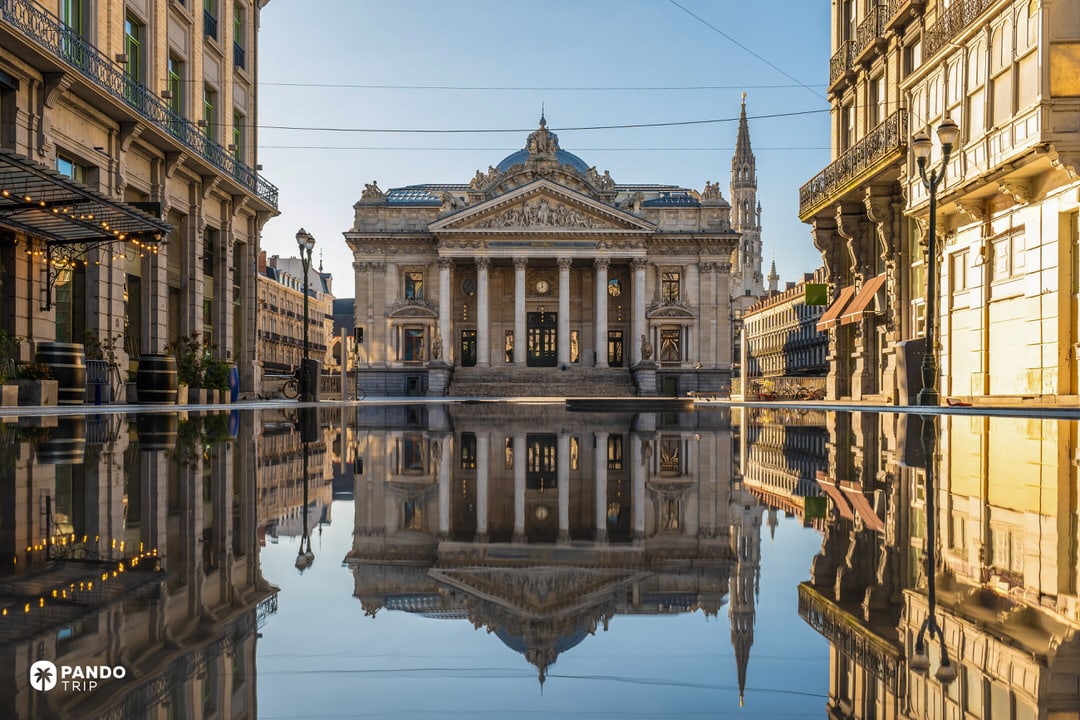
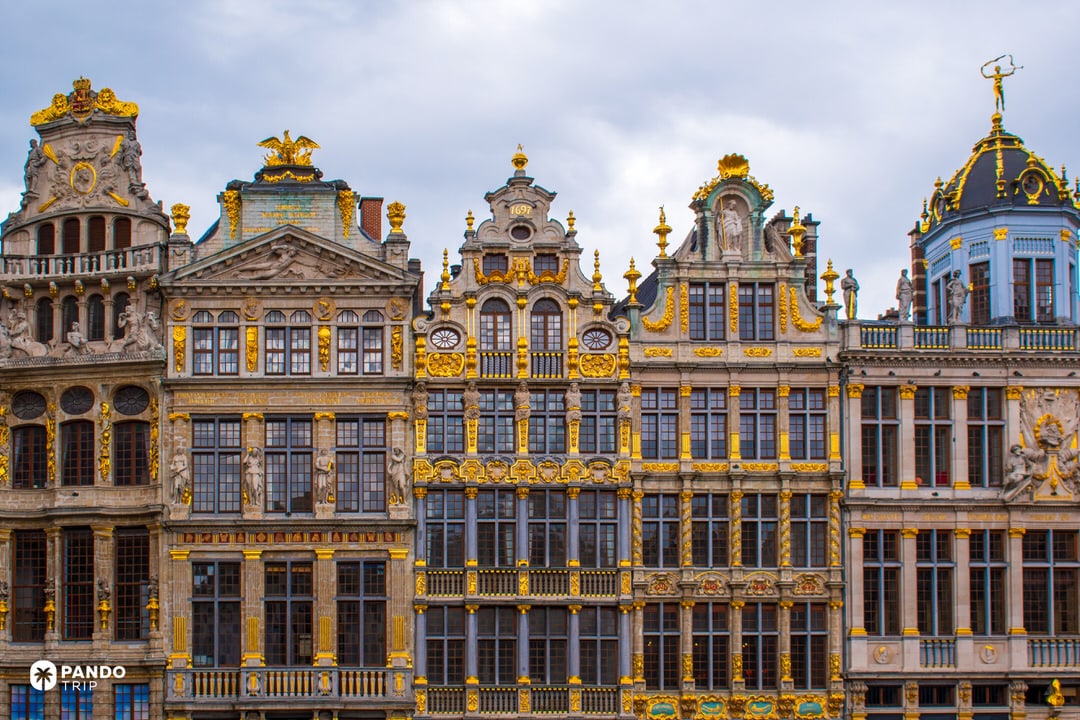
Where to stay: Rocco Forte Hotel Amigo sits on the corner beside the Grand-Place, its rooms hung with original Magritte lithographs and Tintin prints, a wink at the city’s twin claims to Surrealism and comics. For dinner, Comme Chez Soi has been serving Brussels haute cuisine since 1926, these days from an Art Nouveau townhouse on Place Rouppe.
Mechelen
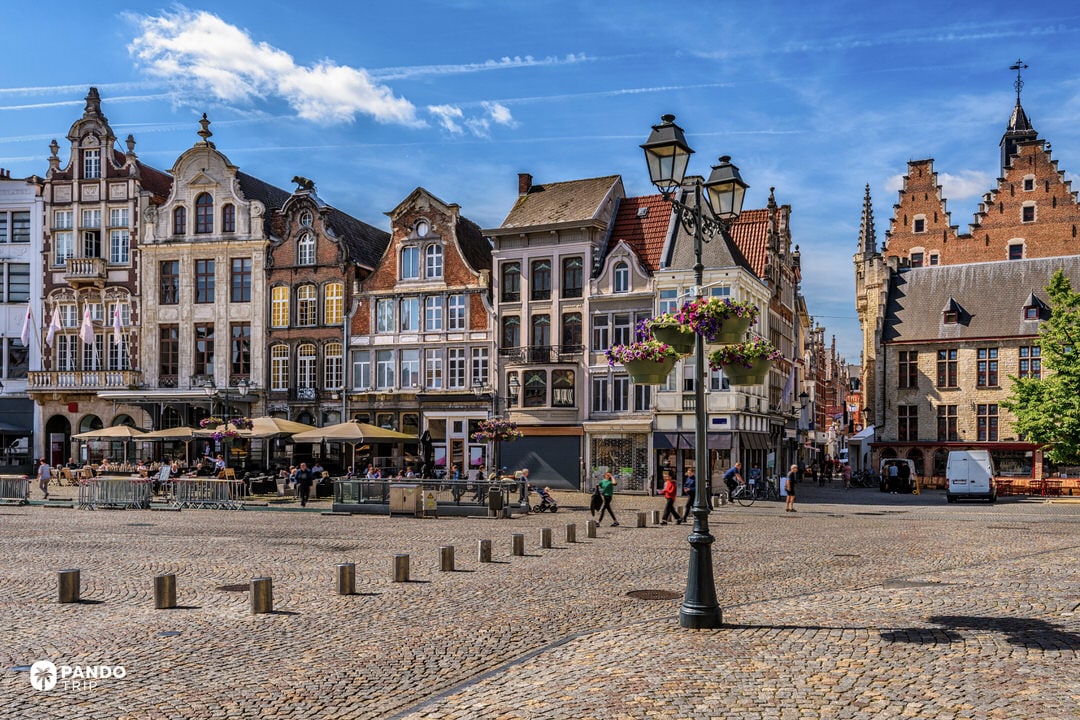
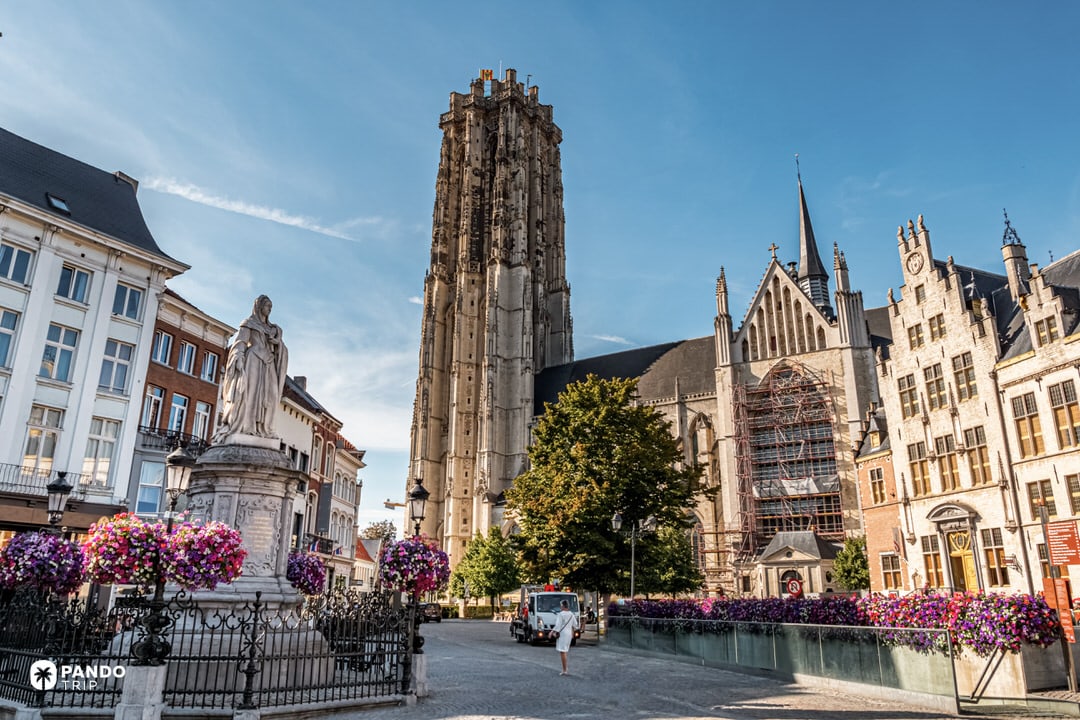
One night in January 1687, a man staggering home from a Mechelen tavern looked up and saw a red glow behind St Rumbold’s Tower. Fire, he shouted, and the whole city formed a bucket chain up the tower stairs to save it, only to discover the “flames” were moonlight burning through mist. Mechelaars have been called Maneblussers — moon-extinguishers — ever since, and rather than live it down they brew a beer named after the mistake.
The tower is the joke’s setup and the town’s masterpiece. St Rumbold’s was meant to climb to 167 meters and would have been the tallest in the Low Countries; the money ran out after roughly 68 years of building and it stops, flat-topped and magnificent, at 97. You can climb the 538 steps to a skywalk near the top and look straight down the red-tiled roofs. Between the tower and the tavern legend sits Het Anker, the brewery behind Gouden Carolus, one of Belgium’s great dark strong ales.
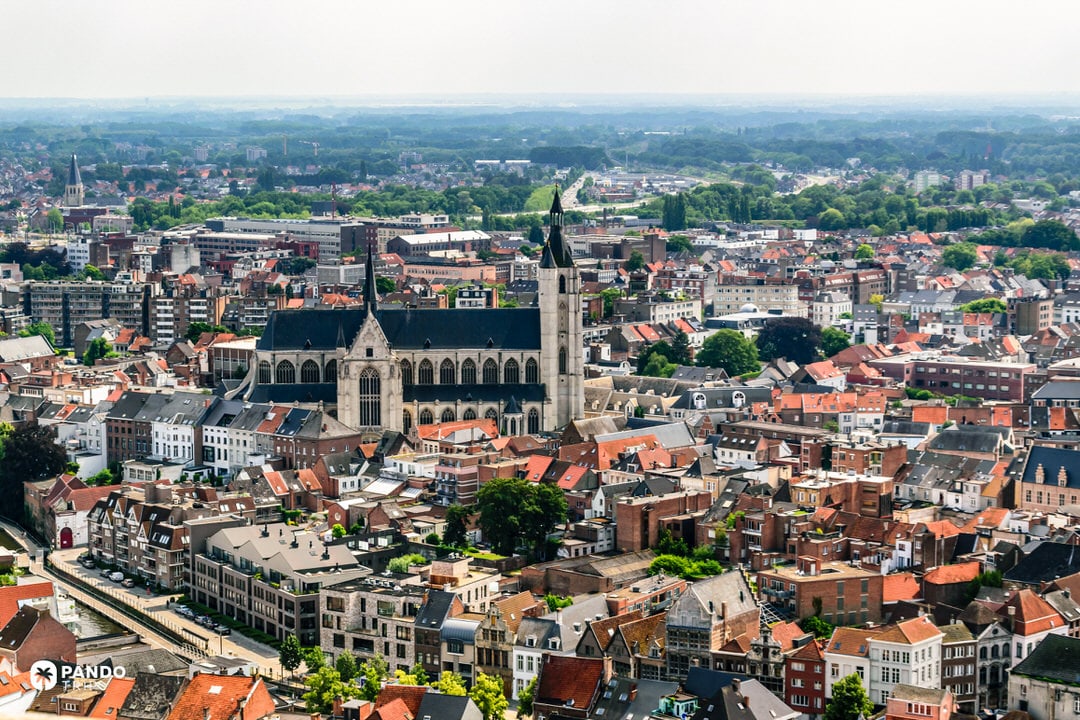
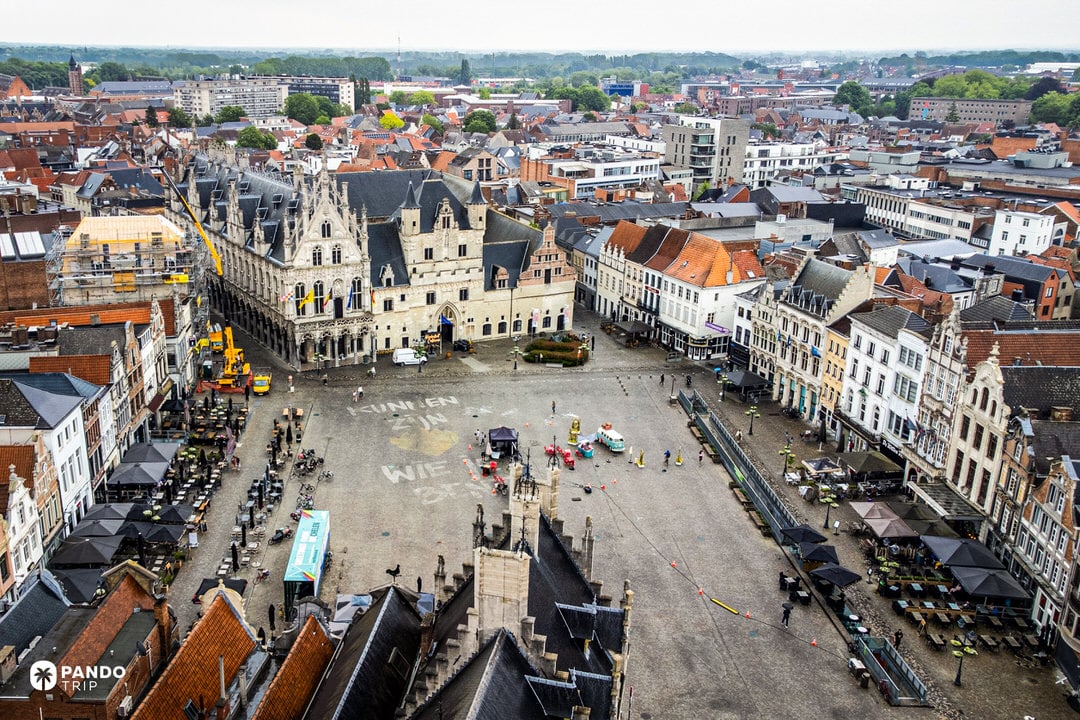
Where to stay: Van der Valk Mechelen is built inside the town’s monumental 1924 municipal swimming pool, and the old ornamental bathing pond survives at the center, visible from many of the rooms. Reserve a table at the Michelin-starred Tinèlle, or eat Mechelse koekoek, the native cuckoo chicken, at a table with a Gouden Carolus.
Leuven
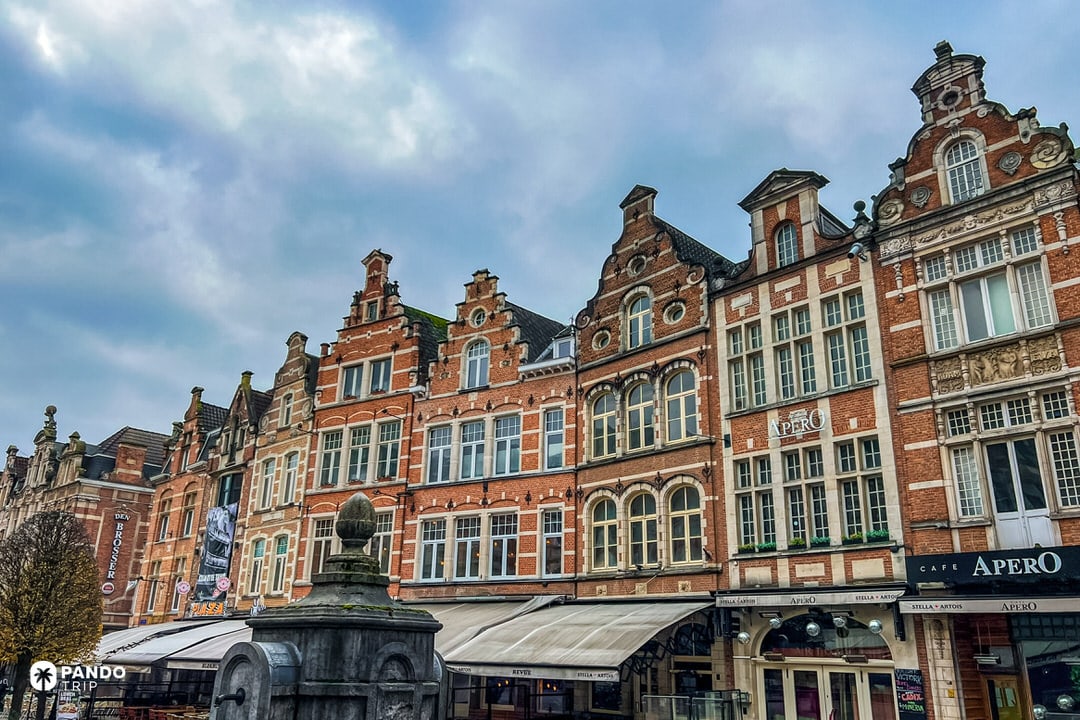
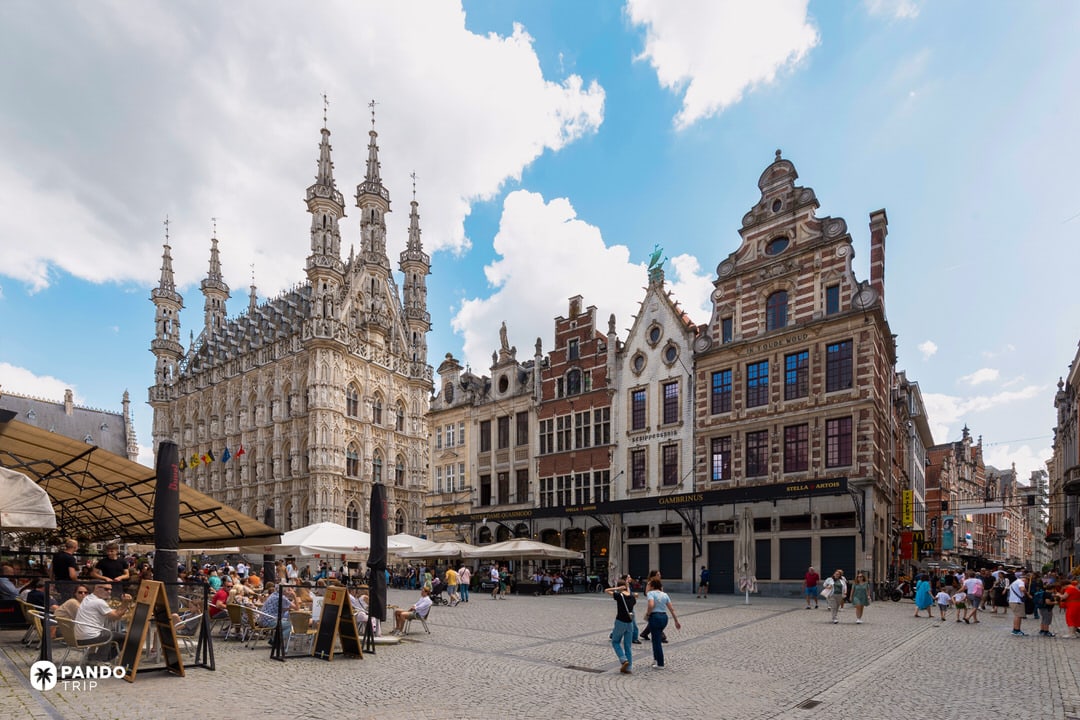
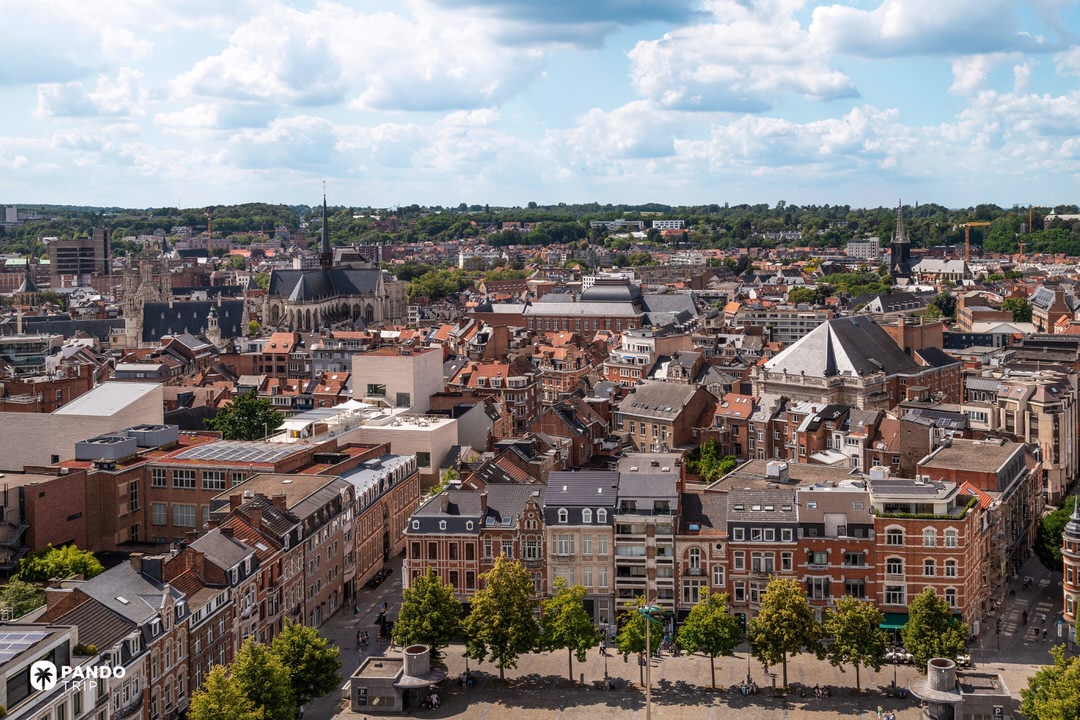
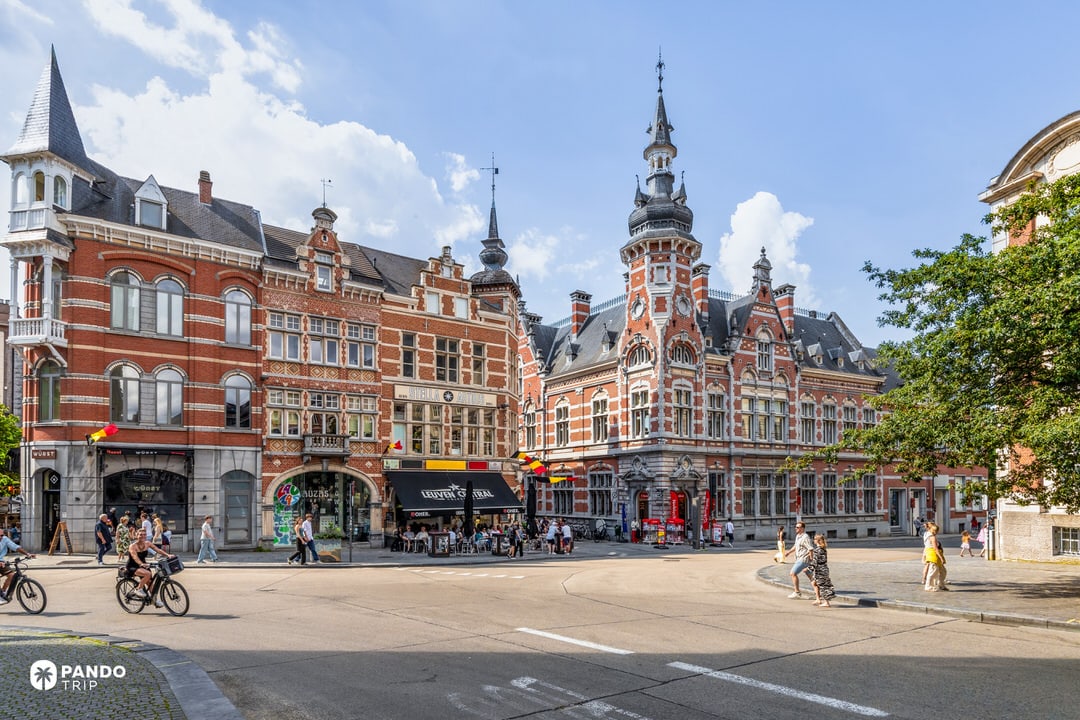
The beating heart of Leuven is a single square. The Oude Markt is ringed by something like forty bars and four thousand terrace chairs, so tightly packed that locals nicknamed it the longest bar in Europe back in the 1980s — a marketing line, not a record — but on a warm term-time evening when every seat is full and the noise rolls off the cobbles, you stop caring about the distinction. Come in the dead of the summer break, though, and half the energy is gone with the students.
The town wears its learning on its facade. Its university was founded in 1425, the oldest in the Low Countries, and its Gothic town hall is one of the most ornate in Europe, a stone confection so thick with statue-filled niches it looks carved from lace. Leuven is also, improbably for its size, the corporate home of AB InBev, the largest brewer on earth: Stella Artois has been made here since 1926, and the Leffe you’ll drink up and down Belgium is brewed at the same plant, though its story actually begins south of here, in Dinant.
Where to stay: Martin’s Klooster, a 16th-century former convent a few steps off the Oude Markt, keeps its wooden beams and latticed windows and a fireside bar for the walk home. Dinner at Zarza, refined seasonal Belgian cooking around a town garden, is the grown-up counterweight to the square.
Dinant
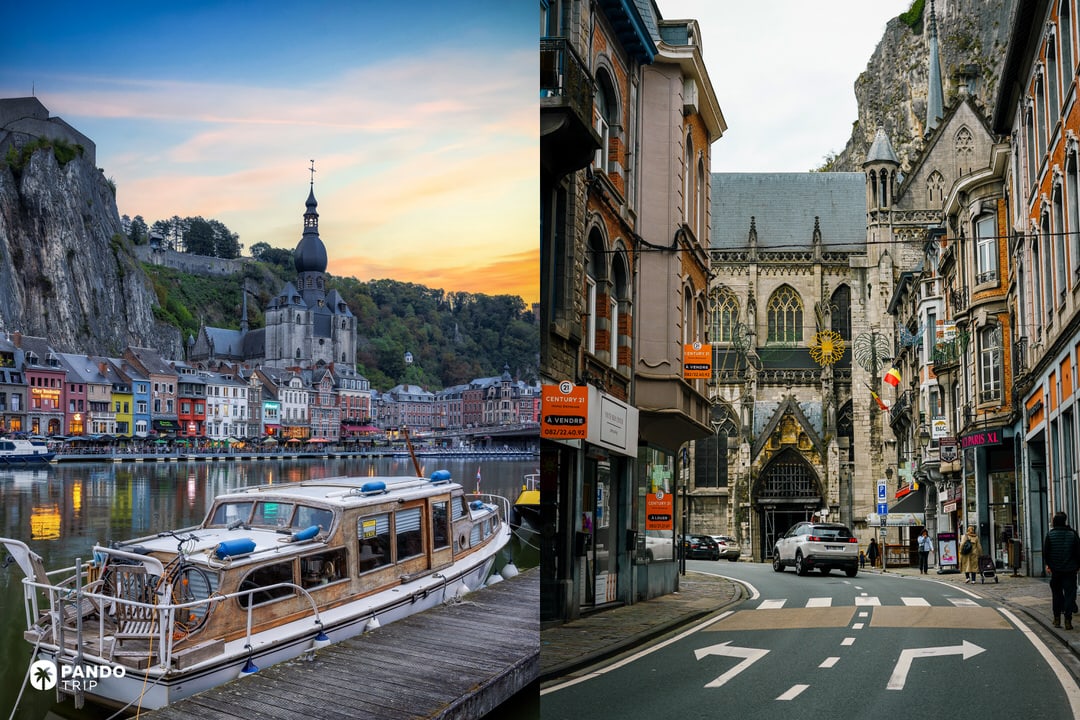
The saxophone was born in this improbable town. Adolphe Sax, born here in 1814, gave his name to the instrument, and his hometown gave itself over to the joke: 28 giant, brightly painted saxophones now line the bridge across the Meuse, each in the flag colors of a different European country. It is the kind of place that photographs like a set designer built it. A single row of houses is pinned between a sheer 100-meter cliff and the green river, with the bulb-spired Collégiale Notre-Dame — its onion dome added in the 1530s — rising 72 meters against the rock, and a citadel glowering from the clifftop above.
You reach the citadel by cable car or by 408 steps cut into the rock in 1577. And before you leave, settle the two local rivalries at the table: flamiche, a molten cheese-and-butter tart eaten scorching, and the couque de Dinant, a honey biscuit so rock-hard you are meant to suck or dunk it, never bite. Here is the thread that ties this town to Leuven: Leffe, that abbey beer poured across Belgium, was first brewed by canons here in the 13th century.
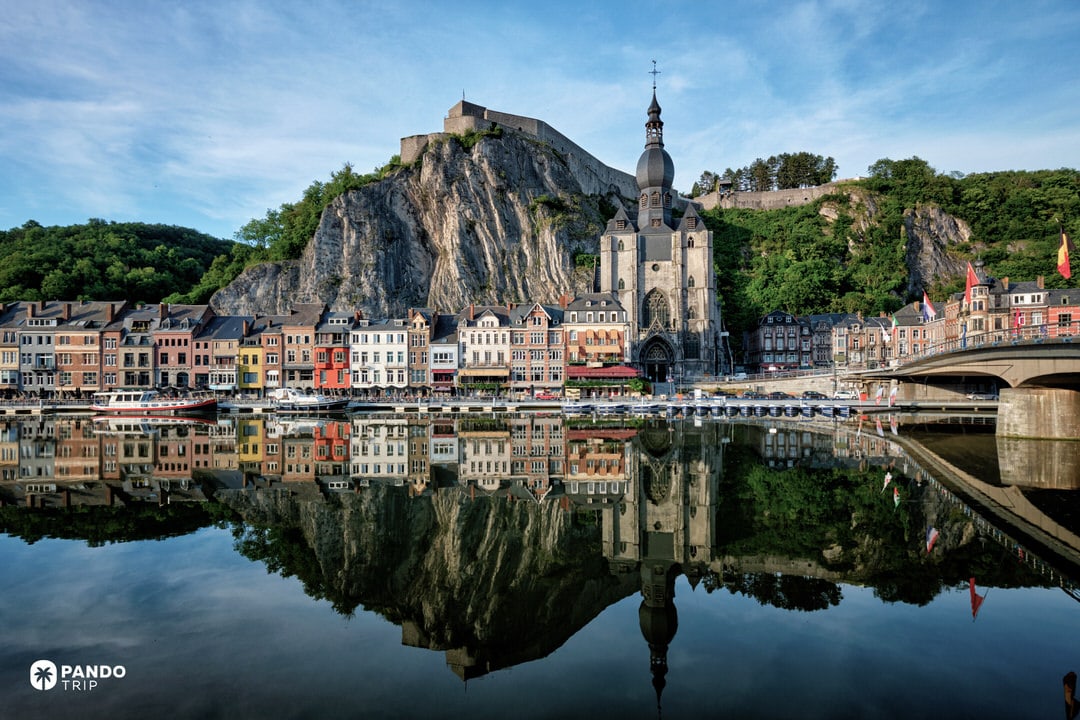
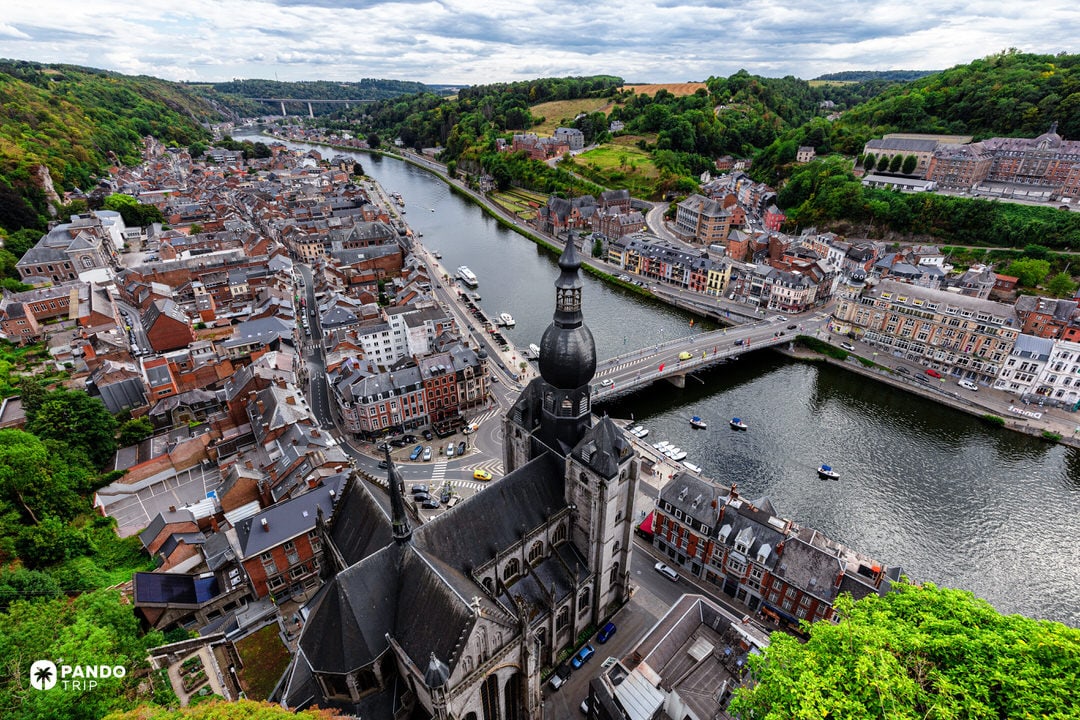
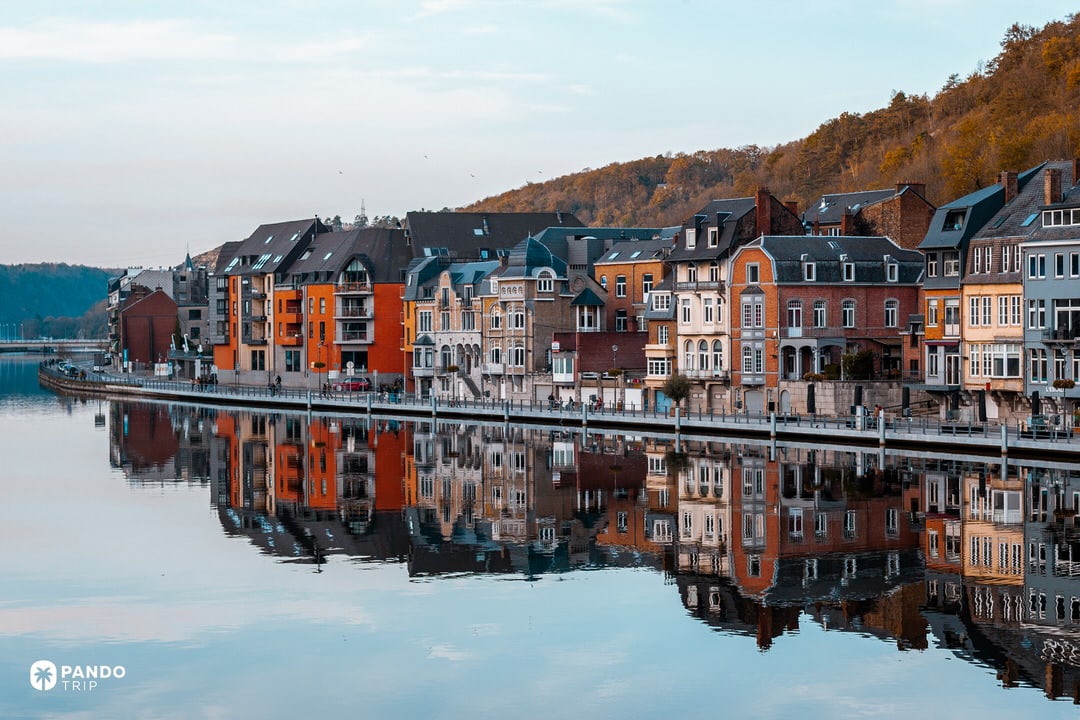
Where to stay: La Merveilleuse by Infiniti sits in a former convent beneath the citadel cliff, its old chapel now housing the Maison Leffe beer museum. Eat at Le Cerf Vert on the riverside Croisette, which does the flamiche properly.
Durbuy
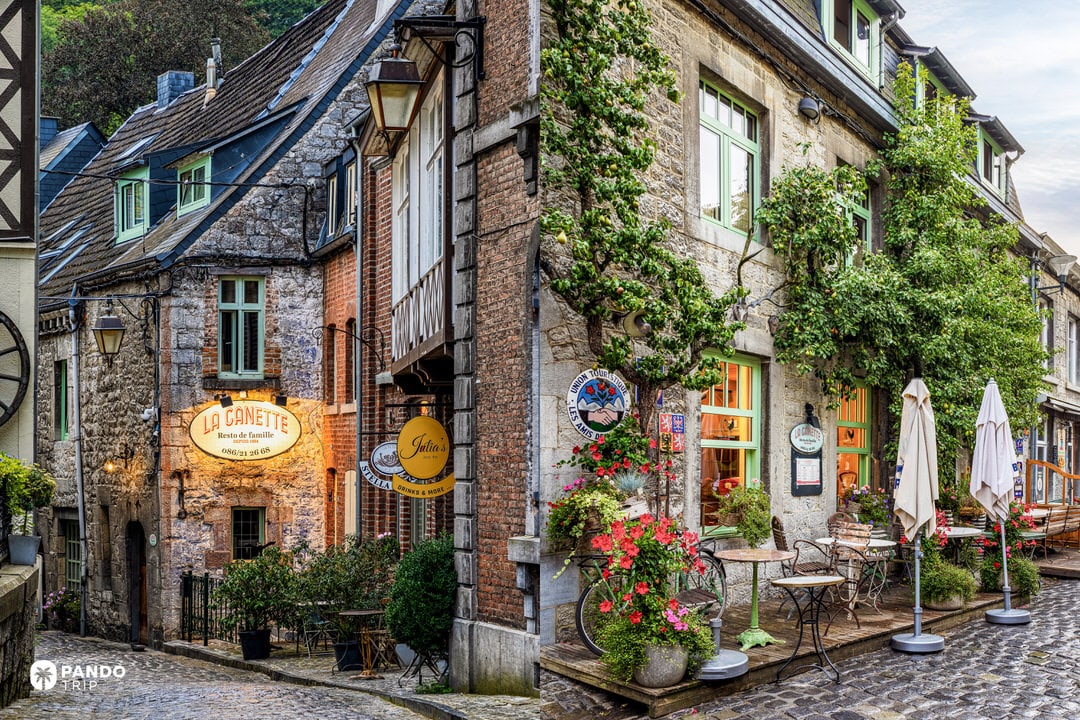
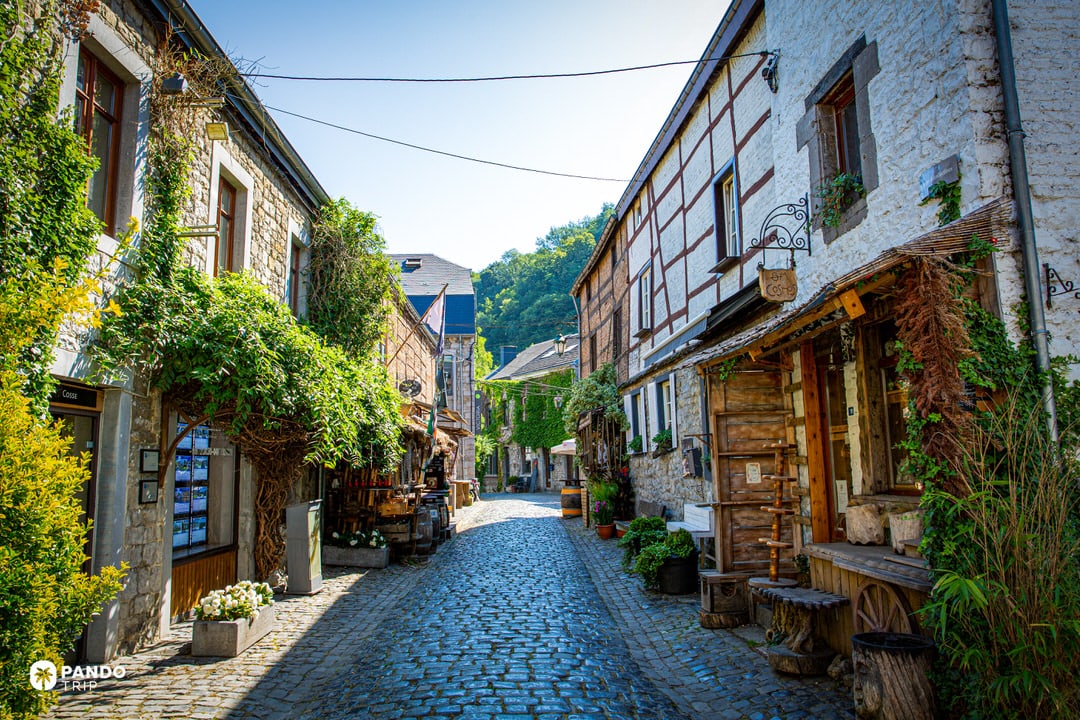
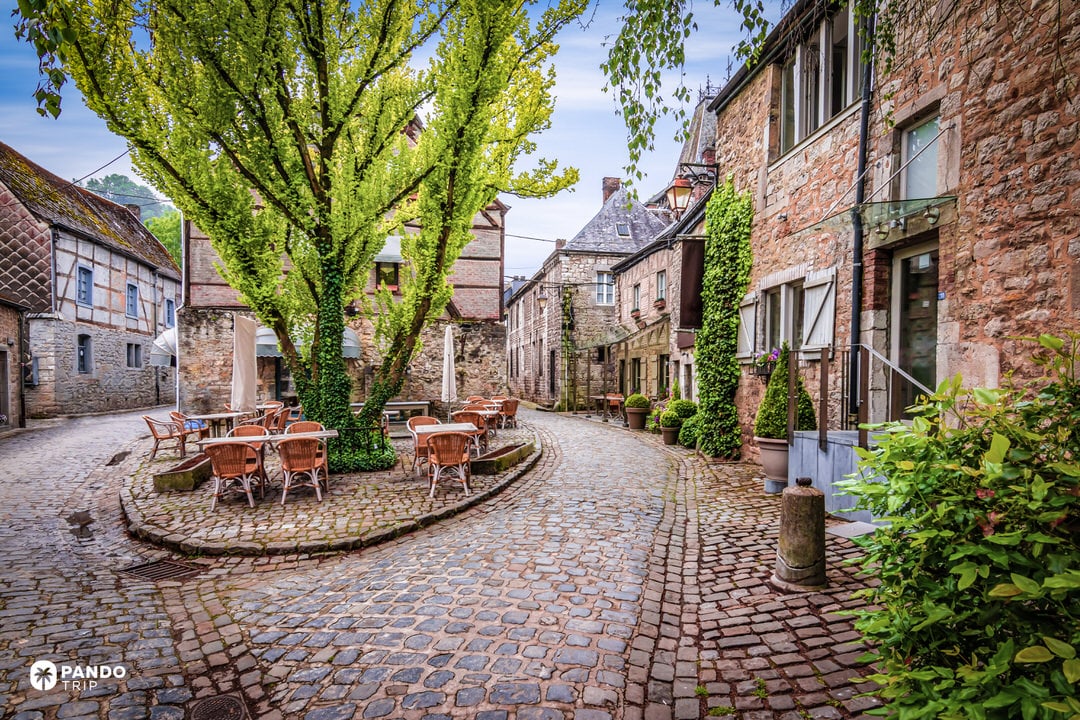
Durbuy will tell you, on every brochure and every fridge magnet, that it is the smallest city in the world. It isn’t. Guinness gives that to a village in Croatia, and even Belgium has a smaller one. But a 1331 city charter and an old stone core of around 400 people give it just enough of a case to keep saying so, and the huddle of grey houses tucked into a bend of the Ourthe river below its castle is small and lovely enough that you let the boast slide.
What the brochures skip is that much of Durbuy is now, in effect, one man’s project. The Flemish billionaire Marc Coucke has poured more than €100 million into the town since 2016: the hotel, a spa, an adventure park, a golf course. Which is why a 400-person village comes with a slick wellness resort attached. The artisanal counterweight predates him: the topiary park down the road, more than 250 boxwood animals including a four-meter elephant carved from an 80-year-old tree, and a jam-maker who has been boiling fruit here for generations.
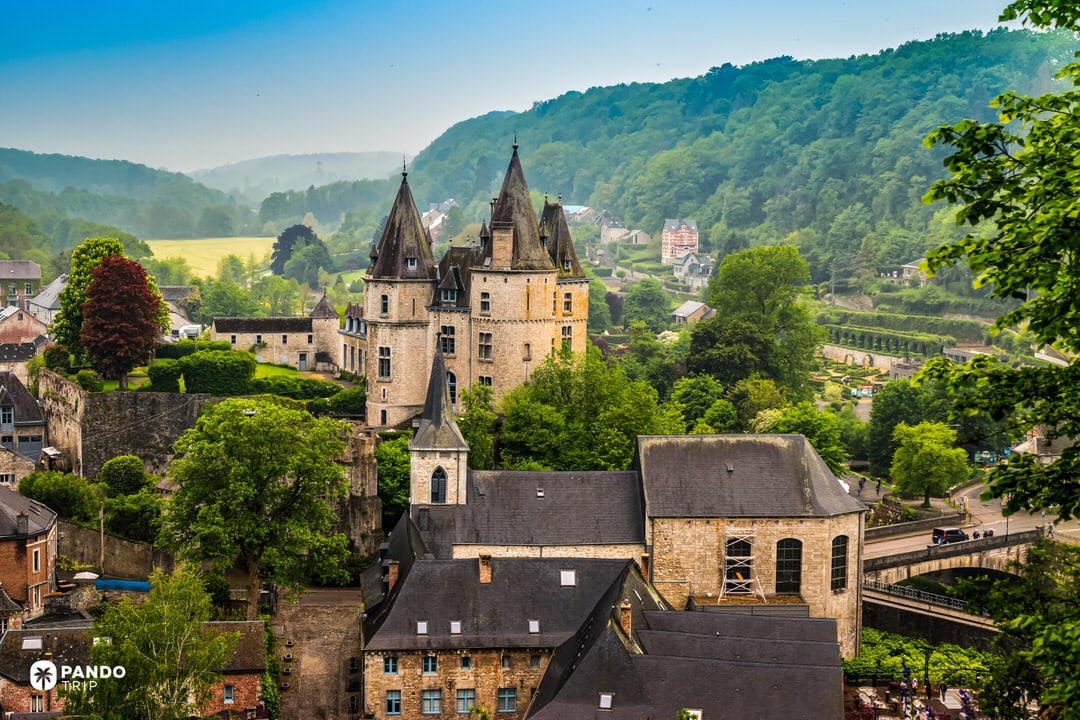
Where to stay: Le Sanglier des Ardennes, Coucke’s five-star flagship facing the castle, burned in a December 2024 fire and came back 320 days later with a new restaurant, L’Orangerie, and a spa bigger than the old town it sits in.
Tournai
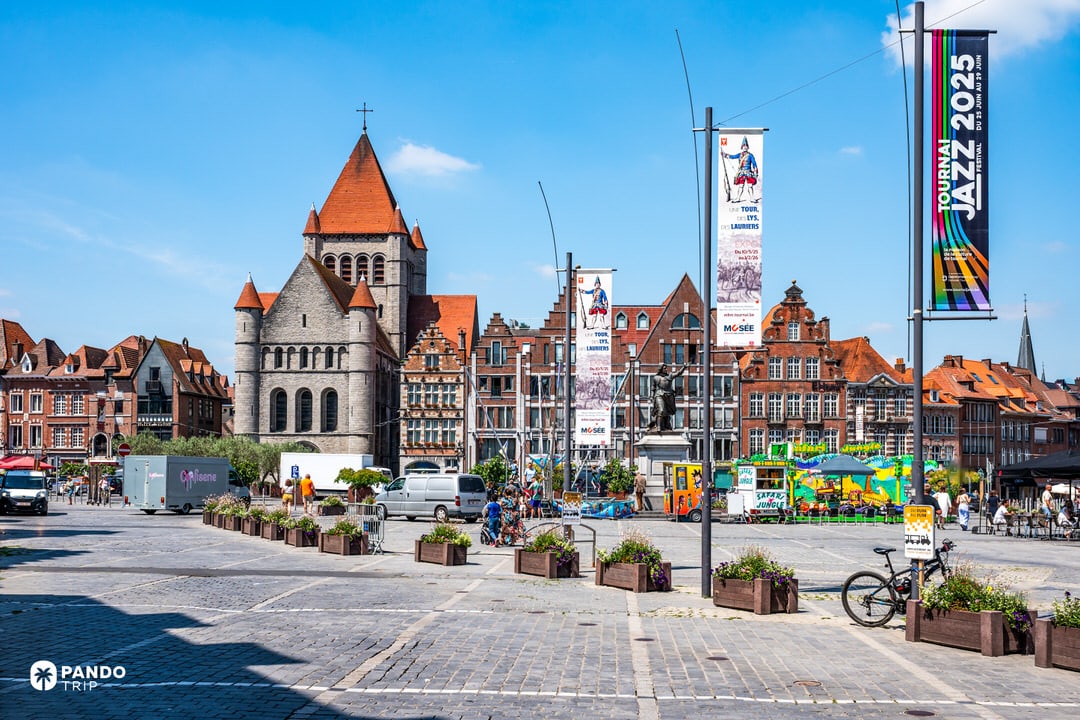
Tournai has been a city since the Romans, was briefly the cradle of the French monarchy (a Merovingian king lies buried here), and sits so hard against the French border that it feels more northern-French than Flemish. Its five-towered Romanesque cathedral is a UNESCO landmark, though it has been swaddled in scaffolding and tarpaulins since a restoration began in 2006, so check what’s open before you build a day around it. The consolation prize is the belfry beside it: begun around 1188, it is the oldest in Belgium, 257 steps to a view over the rooftops. Don’t leave without walking out to the Pont des Trous, a fortified river bridge striding across the Scheldt that most visitors never photograph.
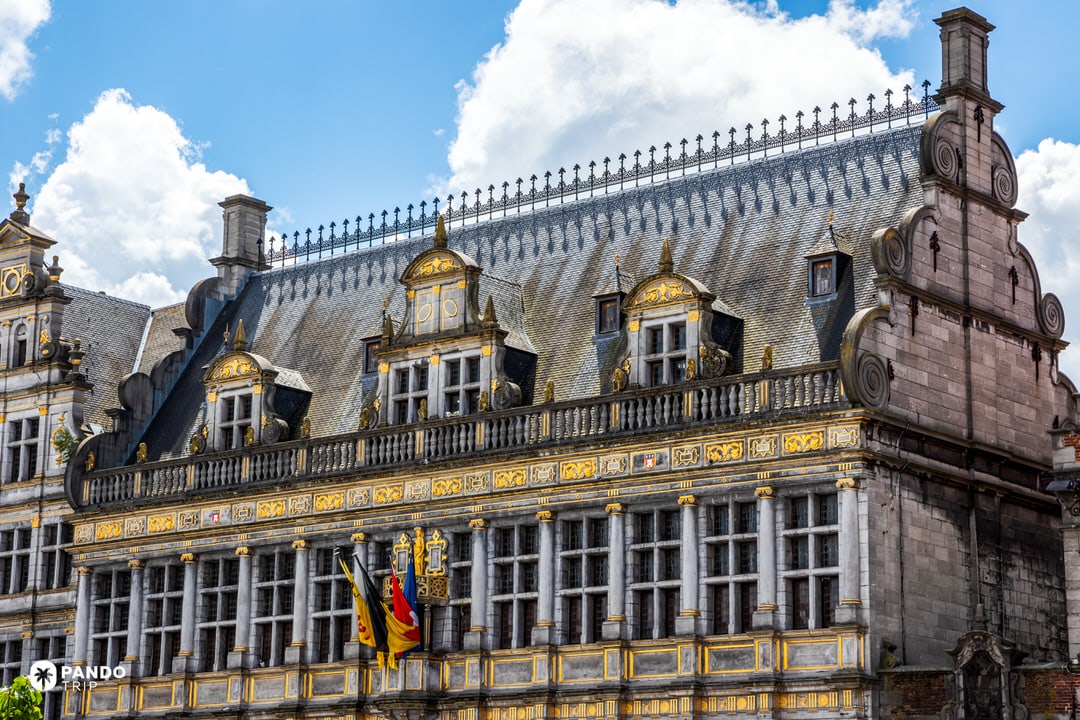
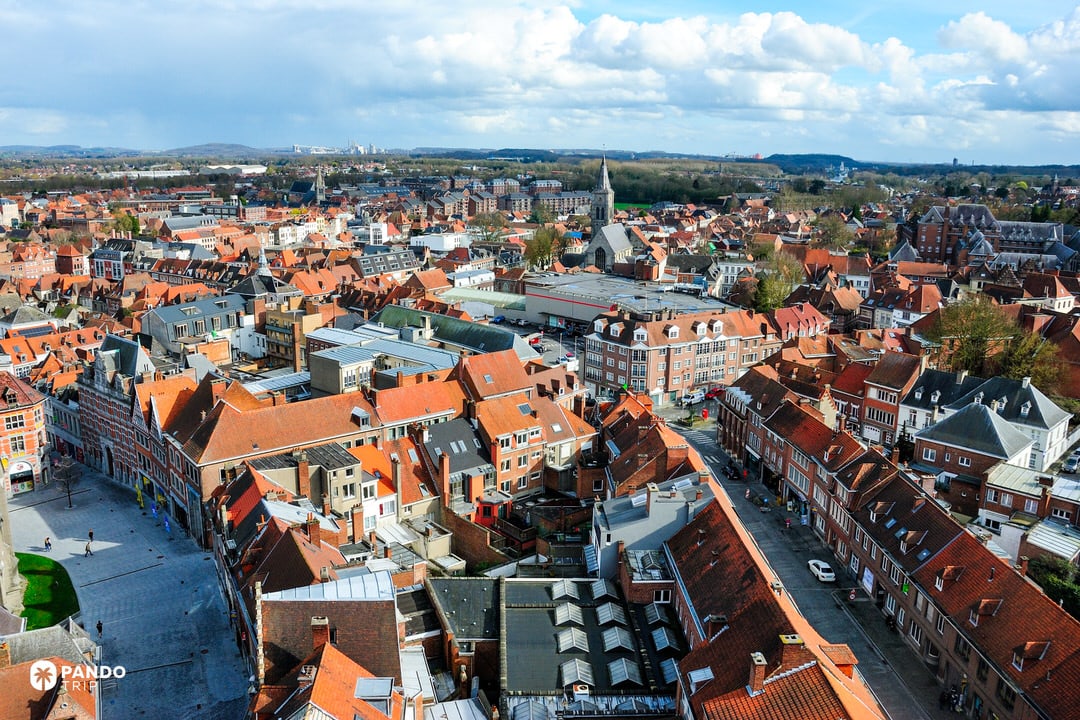

Where to stay: Tournai keeps its treasures and skips the design hotel; the strongest central option is the traditional, cathedral-facing Hotel Cathédrale. Book dinner at Le Lacet Bleu, inventive cooking in a townhouse between the Grand-Place and Place de Lille.
Kortrijk
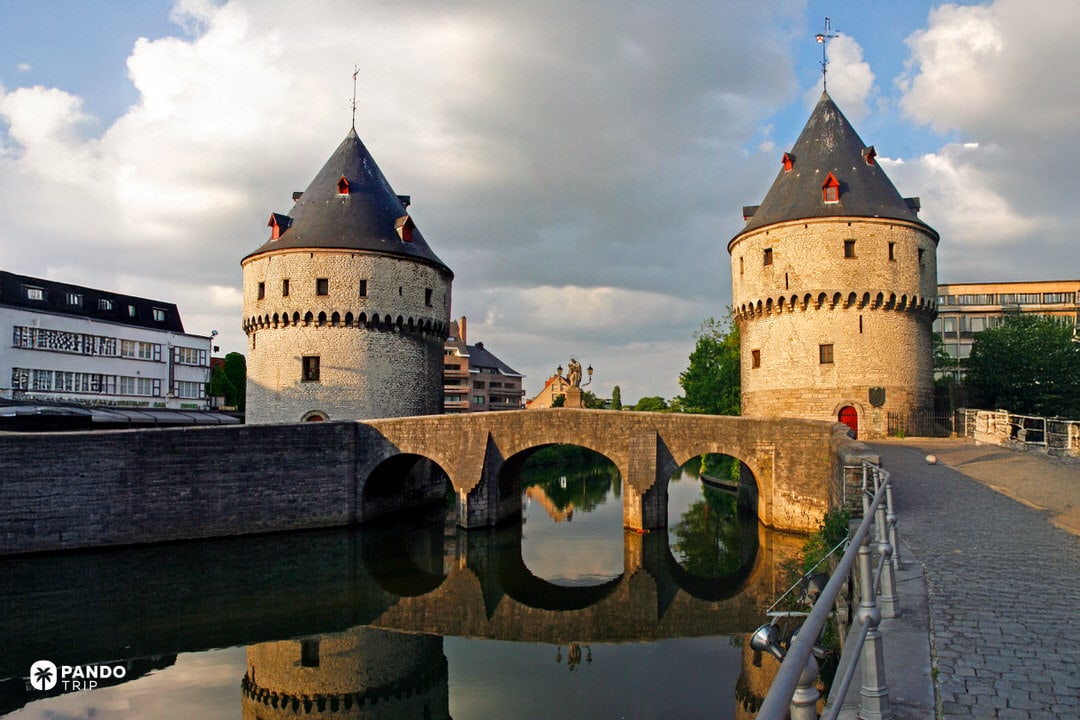
Come to Kortrijk expecting another cobbled postcard and it will wrong-foot you within an hour. The set-pieces are there, the twin Broeltorens guarding their bridge across the Leie, a UNESCO-listed béguinage, but the river that made this town wasn’t picturesque, it was useful. The Leie ran so clean it earned the name the Golden River, its water perfect for retting flax, and Kortrijk grew rich spinning that flax into linen. The old warehouses along the water are studios now; the city trades as a UNESCO City of Design and would rather show you what it’s making this year than what it built six centuries ago. Which is its own kind of beautiful: a Belgian old town that never turned itself into a museum of itself.